
In 2026, Cargo Tarpaulin selection is becoming a technical purchasing decision, not a simple fabric choice. Global buyers must compare waterproofing, tear strength, UV stability, weight, repairability, and service life. A blue sheet may look adequate at a warehouse gate. After six months on an exposed trailer, weak eyelets and brittle coating may tell another story.
Industry reports support this shift. Grand View Research’s technical textiles analysis identifies transportation as a major application area, driven by durability and weather resistance. Smithers’ technical textiles outlook also highlights performance fabrics, coating innovation, and longer product lifecycles. These findings matter for hauliers, manufacturers, and importers. A heavier PVC-coated tarpaulin can reduce replacement frequency, but it may increase handling effort and transport weight. The cheapest option is not always economical. Sometimes, buyers discover that too late.
Dr. Jean-Paul Rodrigue, a widely cited transport-systems scholar, states, “Transportation is the movement of people and goods from one location to another.” His observation explains the practical role of Cargo Tarpaulin. It protects goods during that movement, across rain, dust, sunlight, vibration, and repeated loading. This guide examines the leading 2026 Cargo Tarpaulin types, including PVC-coated polyester, PE tarpaulin, mesh covers, canvas, and specialized flame-retardant fabrics. Specifications still require verification. Coating thickness can vary. Supplier claims can sound impressive. Independent testing, documented standards, and real fleet experience remain essential for dependable global purchasing.
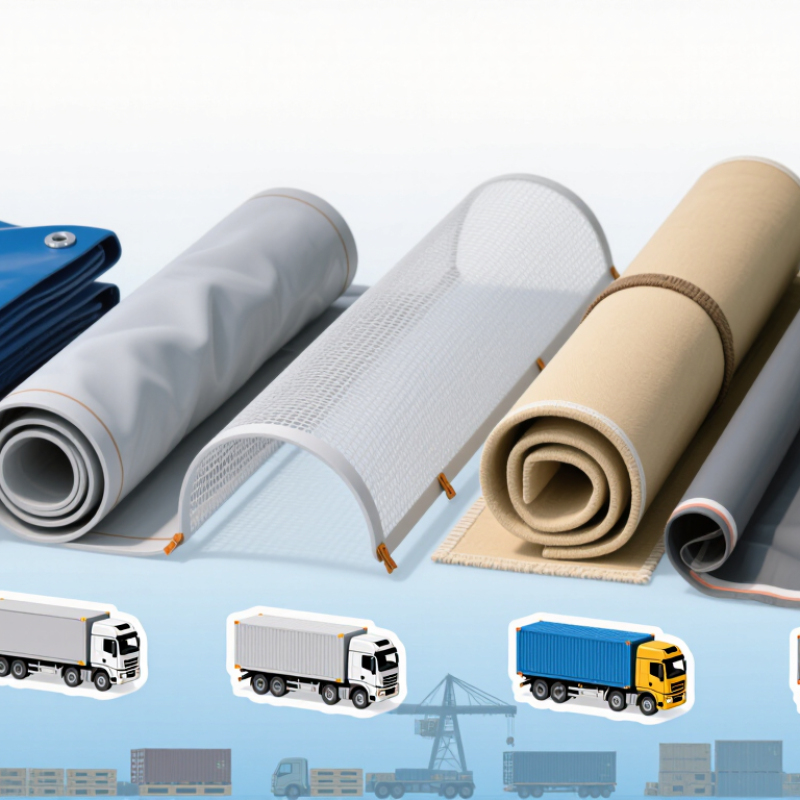
Cargo tarpaulins are durable covers designed to shield freight during road, rail, and sea transport. They help block rain, dust, sunlight, salt spray, and light abrasion. Their value begins with basic construction. Woven polyester, polyethylene, and PVC-coated fabric offer different protection levels. PVC-coated polyester usually provides strong waterproofing and tear resistance. Polyethylene tarpaulins are lighter and often more economical. Mesh covers allow airflow for suitable loads.
In freight inspections, I often see protection fail around the edges. Reinforced hems, strong D-rings, and sealed seams matter as much as fabric thickness. A well-fitted tarp should cover the cargo without dragging across the road. It also needs enough flexibility for tightening and unloading. Wind can lift a loose corner quickly. Small gaps may admit water during long voyages. Securement equipment must support the cover, not replace it.
Cargo conditions should guide the purchase. A coated tarp suits exposed machinery, building materials, and palletized goods. Breathable canvas can help where trapped moisture creates concern. Mesh may work for loads needing ventilation, but it cannot provide full waterproof protection. There is no perfect tarp. I have seen buyers choose the heaviest fabric, then struggle with handling and installation. That decision deserves a second look. Regular checks for pinholes, worn straps, and damaged rings remain necessary, especially after harsh weather or repeated loading.
Cargo Tarpaulin Basics and Their Role in Global Freight Protection
The chart compares typical commercial basis-weight ranges for widely used cargo tarpaulin materials. PVC-coated polyester generally provides high abrasion and weather resistance for heavy-duty freight, while polyethylene tarpaulins offer a lighter and more economical covering solution. Canvas is breathable and commonly used where condensation control matters, whereas mesh tarpaulins allow airflow and are useful for loads such as aggregates, waste, and agricultural materials. Actual specifications vary by coating, weave, reinforcement, and end-use requirements.
Basis weight is shown in grams per square metre (g/m²). Values represent typical market ranges rather than brand-specific specifications.
Key Types of Cargo Tarpaulins Available in 2026
Cargo tarpaulins in 2026 are available in several practical material types. PVC-coated polyester remains popular for heavy-duty transport. Its welded seams resist rain, abrasion, and repeated folding. This type suits steel coils, machinery, timber, and other dense cargo. Buyers should check fabric weight, coating thickness, eyelet spacing, and seam quality. A thick sheet is not automatically a better sheet.
Woven polyethylene tarpaulins offer a lighter and more economical option. They are useful for agricultural goods, palletized products, and short-distance trucking. Laminated surfaces improve water resistance, while reinforced corners reduce tearing around tie-down points. Mesh tarpaulins allow airflow and reduce wind pressure. They work well for sand, gravel, waste materials, and loads that need ventilation. Good for airflow. Not every load.
Canvas and coated fabric tarpaulins are still selected when breathability, flexibility, or a softer contact surface matters. Insulated tarpaulins help protect temperature-sensitive cargo during changing weather, although they cannot replace controlled transport equipment. Flame-resistant and anti-static constructions may also be available for specialized industrial use, subject to verified specifications. In real purchasing work, users sometimes focus on fabric strength and overlook fit. An oversized tarp can flap violently, while poor tension can damage both cover and cargo. Measure the load, review the route, and confirm hardware compatibility before ordering.
| Cargo Tarpaulin Type | Typical Construction | Typical Weight Range | Main Cargo Applications | Key Advantages | Main Limitations | Useful Buying Specifications |
|---|---|---|---|---|---|---|
| PVC-Coated Polyester Tarpaulin | Woven polyester scrim coated on one or both sides with polyvinyl chloride (PVC). | Approximately 450–900 g/m² | Truck covers, trailer curtains, machinery, construction materials, and export cargo. | High tear strength, strong waterproofing, weldable seams, good UV resistance, and long service life. | Heavier and less breathable than uncoated fabrics; PVC flexibility can decrease in low temperatures. | Fabric weight, tensile and tear strength, coating thickness, temperature range, UV resistance, seam method, and grommet spacing. |
| PE Laminated Woven Tarpaulin | Woven polyethylene fabric laminated with polyethylene film, commonly with reinforced edges. | Approximately 90–260 g/m² | Short- to medium-term protection for palletized goods, agricultural products, building materials, and general freight. | Lightweight, economical, water-resistant, easy to handle, and available in many sizes. | Usually less abrasion-resistant and less durable than heavy PVC-coated polyester. | Fabric denier, weave density, total weight, lamination quality, edge reinforcement, UV stabilizer, and waterproofing performance. |
| PVC Truck Cover Tarpaulin | Heavy-duty PVC-coated polyester designed for tensioning over trucks, trailers, or flatbeds. | Approximately 550–900 g/m² | Bulk freight, steel products, timber, machinery, construction materials, and weather-sensitive loads. | Strong resistance to rain, wind, abrasion, and repeated handling; suitable for heat-welded seams. | Requires stronger hardware and handling equipment because of its higher mass. | Finished dimensions, hem construction, buckle or rope system, D-rings, eyelets, tensile strength, and repairability. |
| PVC Mesh Tarpaulin | Open-weave polyester scrim coated with PVC, allowing controlled airflow and visibility. | Approximately 280–600 g/m² | Aggregates, sand, waste containers, fencing, scaffolding, and loads requiring ventilation. | Reduces wind pressure, limits condensation, and can help contain loose materials. | Not fully waterproof; openings can allow fine dust and moisture to pass through. | Mesh opening percentage, air permeability, edge reinforcement, tear strength, UV resistance, and containment requirements. |
| Flame-Retardant Cargo Tarpaulin | PVC-coated polyester or other technical fabric incorporating a flame-retardant treatment or formulation. | Approximately 500–900 g/m² | Industrial logistics, event equipment, construction sites, and cargo routes with specified fire-safety requirements. | Can reduce flame spread when tested to the required specification; often also provides waterproof protection. | Fire performance varies by material, test method, and end use; treatment may affect cost and flexibility. | Required fire-test standard, test direction, afterflame time, afterglow, smoke requirements, coating composition, and documentation. |
| Insulated Cargo Tarpaulin | Multi-layer cover using coated outer fabrics with foam, reflective, or other insulating layers. | Approximately 700–1,500 g/m² | Temperature-sensitive goods, pharmaceuticals, food products, chemicals, and high-value cargo during short-term transport. | Helps reduce solar heat gain and short-term temperature fluctuations when correctly fitted. | Does not replace refrigerated transport; bulky, heavier, and more expensive than standard covers. | Thermal resistance, reflective surface, layer thickness, internal temperature target, fit, ventilation, and cleaning method. |
| Canvas Cargo Tarpaulin | Woven cotton, polyester, or polyester-cotton fabric treated with water-repellent or weather-resistant finishes. | Approximately 300–700 g/m² | General freight, agricultural loads, furniture, equipment, and applications where breathability is useful. | Breathable, relatively easy to repair, and less prone to trapping condensation than impermeable films. | Typically less waterproof and less resistant to prolonged wet conditions than coated synthetic tarpaulins. | Fiber composition, fabric density, water-repellent finish, mildew resistance, shrinkage, seam design, and drying requirements. |
| Heavy-Duty Rubberized Tarpaulin | Woven textile base coated or laminated with rubber or elastomeric material. | Approximately 600–1,200 g/m² | Industrial equipment, military-style logistics, rugged outdoor storage, and cargo exposed to frequent abrasion. | Flexible, abrasion-resistant, and capable of providing strong weather protection. | Can be heavy and costly; rubberized surfaces may require special repair and storage procedures. | Rubber type, base fabric, coating thickness, abrasion rating, operating temperature, seam construction, and repair method. |
Note: Weight ranges are typical commercial ranges and may vary according to fabric construction, coating thickness, reinforcement, and end-use requirements.
Material, Coating, and Performance Differences Explained
Cargo tarpaulins differ mainly by base fabric, coating, and finishing quality. These factors affect protection, service life, and handling costs. PVC-coated polyester combines a strong woven core with a dense, weldable surface. It suits heavy cargo, repeated folding, rain, and sunlight. However, it is heavier than polyethylene and may become stiff in cold conditions.
Woven polyethylene tarpaulins are lighter and often more economical. Their laminated layers resist water well, but punctures may spread along the weave. Canvas allows better airflow and can reduce condensation around some loads. It needs more care during prolonged moisture exposure.
Coating thickness also changes performance. A thicker PVC layer improves abrasion resistance and waterproofing, but increases weight. UV stabilizers matter in open yards and coastal transport.
Check coating adhesion, tear strength, seam construction, and low-temperature flexibility. Ask for test reports from representative production batches, not only one sample. Inspect folded corners, heat-sealed seams, and grommet pull-out resistance. These small details often reveal weak workmanship.
No single type fits every route. Field inspections sometimes show a lightweight sheet performing well in dry storage, then failing after repeated wet folding. That result may reflect handling, not material quality alone. Buyers should match fabric weight and coating to cargo shape, climate, and reuse frequency. A clear specification prevents a low price from hiding higher replacement costs.
Cargo protection starts with the transport route, not the tarpaulin price. UNCTAD’s Review of Maritime Transport 2024 recorded about 12.3 billion tons of seaborne trade in 2023. That volume faces salt air, rain, ultraviolet exposure, and repeated handling.
For open-deck trucks, coated polyester or PVC tarpaulins provide strong tear resistance and dependable waterproofing. Choose reinforced hems, welded seams, and corrosion-resistant eyelets for frequent tensioning. PE tarpaulins suit lighter loads and short routes. They cost less, but their service life can disappoint under constant sunlight.
Flatbed cargo needs airflow as well as coverage. Mesh tarpaulins can reduce wind pressure around ventilated goods, although they cannot replace waterproof protection. For steel coils, machinery, or timber, select a heavier fabric with abrasion-resistant corners. Rail transport adds vibration and sharp contact points. Extra straps and padded edges matter there.
Air freight usually requires lightweight covers with controlled dimensions. Oversized, wet tarpaulins add unnecessary handling problems. For sea containers, UV-stabilized PVC and secure lashing points are sensible choices. Still, no material is perfect. I would test samples in the actual climate before committing to a large purchase. The World Bank’s Logistics Performance Index 2023 emphasizes reliability and shipment timeliness, so easier inspection and faster securing deserve attention, too.
Global buyers are choosing cargo tarpaulins by risk, not appearance. PVC-coated polyester suits repeated hauling, rain exposure, and frequent cleaning. Woven polyethylene can reduce purchase cost for seasonal use, while coated fabric performs better under abrasion and tension. UNCTAD’s Review of Maritime Transport 2024 reported that seaborne trade grew 2.4% in 2023. More movement means more exposure to wind, salt, handling damage, and rushed loading.
Quality control should begin with measurable specifications. Request fabric weight, tensile strength, tear resistance, coating thickness, seam strength, and UV performance. A bright sample proves little. Check three production rolls, not one. ISO 9001-based process records can support consistency, but they do not replace product testing. Buyers should also verify restricted-substance declarations, labeling, safety documentation, and destination-market requirements. The World Bank’s Logistics Performance Index 2023 assessed 139 economies, showing that reliability remains a major logistics concern. A weak cover can create delays even when transport is efficient.
Cost control requires more than comparing unit prices. Calculate usable service life, repair frequency, replacement freight, and rejected batches. Specify reinforced corners, rust-resistant eyelets, double-stitched hems, and clear size tolerances. Ask for batch traceability and inspection photos before shipment. Keep a small reserve for urgent replacements. It sounds cautious. It is. One practical mistake is treating waterproofing as permanent; folding, grit, and sunlight gradually change performance. Internal testing under local weather conditions may reveal problems that factory certificates miss. (Sources: UNCTAD Review of Maritime Transport 2024; World Bank Logistics Performance Index 2023)
It covers freight during road, rail, or sea transport. It helps block rain, dust, sunlight, salt spray, and light abrasion. It cannot prevent every type of damage.
Coated woven polyester suits machinery, timber, steel coils, and dense palletized goods. It offers strong waterproofing and tear resistance. It can feel heavy and stiff in cold conditions.
Woven polyethylene is lighter and often more economical. It works for agricultural goods, pallets, and short-distance trucking. A puncture may spread along the weave.
No. Mesh allows airflow and reduces wind pressure. It may suit gravel, sand, or ventilated loads, but it does not provide full waterproof protection.
Reinforced hems, strong rings, and sealed seams often prevent failures. Loose corners can lift in strong wind. Small gaps may admit water during long voyages.
Measure the cargo before ordering. The cover should protect the load without dragging on the road. It needs enough flexibility for tightening and unloading.
Not always. A heavier sheet may resist abrasion, but handling and installation become harder. I have seen buyers choose thickness, then regret the extra weight.
Check for pinholes, worn straps, damaged rings, and weak corners. Inspect heat-sealed seams and folded areas closely. A quick visual check can miss hidden damage.
Compare fabric weight, coating thickness, tear strength, seam quality, and ring spacing. Confirm low-temperature flexibility and hardware compatibility. One sample may not represent every production batch.
Cargo Tarpaulin is an essential freight protection solution designed to shield goods from rain, dust, sunlight, wind, and handling damage during transportation and storage. In 2026, global buyers can choose from multiple types, including heavy-duty truck tarpaulins, flatbed covers, waterproof PVC-coated tarpaulins, breathable fabric covers, and lightweight options for short-distance or indoor use. Each type offers different levels of strength, flexibility, water resistance, UV protection, and service life.
Selecting the right tarpaulin requires matching the material, coating, size, fastening system, and performance specifications with the cargo and transport mode. Buyers should consider whether goods are transported by truck, rail, ship, or stored outdoors, while also evaluating tear resistance, welding quality, edge reinforcement, load security, and ease of installation. Reliable sourcing depends on clear technical standards, consistent quality control, practical packaging, transparent cost analysis, and compliance with applicable safety and environmental requirements.
