Precision-engineered ground covers and agricultural tarpaulins directly from our smart manufacturing plant.
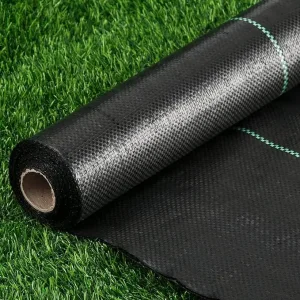
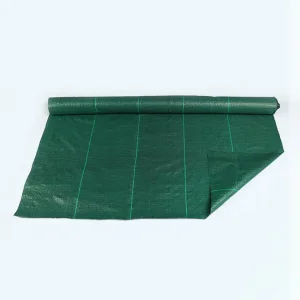
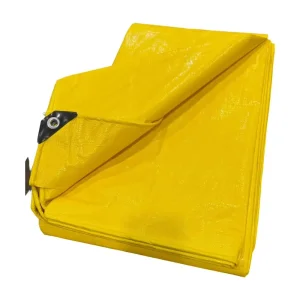
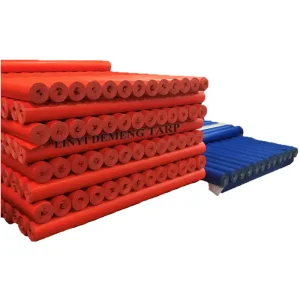
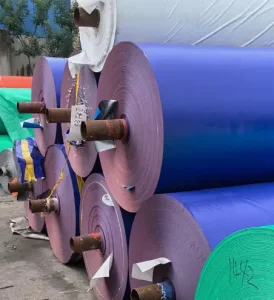
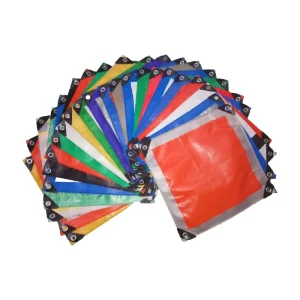
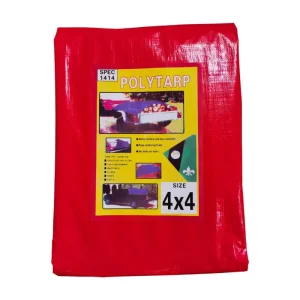
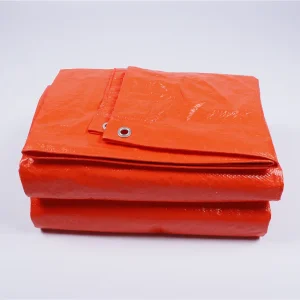
In modern agrarian economics and civil infrastructure, weed suppression is no longer viewed as a simple landscaping activity. It is a critical operational parameter directly impacting agricultural yield, soil microbiome preservation, structural integrity of driveways, and long-term capital expenditure. The global market for high-performance weed barrier fabrics, geotextile ground covers, and industrial tarpaulins is undergoing a massive shift from disposable single-use plastic films toward durable, UV-stabilized, high-permeability polyolefin structures.
Uncontrolled weed growth costs the global agricultural sector over $100 billion annually in lost crop yields, herbicide expenditures, and manual labor overhead. Modern corporate growers and commercial infrastructure developers face three pressing challenges:
To assist procurement directors and civil engineers in specifying the precise textile architecture, this technical breakdown contrasts key physical attributes of Polypropylene (PP) and High-Density Polyethylene (HDPE) weed barrier matrices.
| Performance Metric | Woven Polypropylene (PP) Fabric | Needle-Punched Non-Woven Composite | HDPE Coated Tarpaulin Barrier |
|---|---|---|---|
| Primary Application | Commercial Orchards, Vineyards, Driveways | Landscaping Beds, Retaining Walls, Drainage | Temporary Field Covers, Heavy Cargo Tarps |
| Grammage Range (GSM) | 70 GSM – 250 GSM | 90 GSM – 300 GSM | 60 GSM – 300 GSM |
| Tensile Strength (ASTM D4632) | High (Up to 1400 N / 5cm warp) | Moderate (Puncture resistant) | Very High (Laminated structural strength) |
| Water Permeability Rate | 12 – 25 L/m²/sec (Optimal Infiltration) | 35 – 65 L/m²/sec (High Flow) | 0 L/m²/sec (100% Waterproof) |
| UV Degradation Resistance | 3% - 5% HALS Additive (3-5 Years) | Carbon Black Matrix (2-4 Years) | Double-side Coated UV Barrier (2-5 Years) |
| Weed Suppression Efficiency | 99.4% (Blocks all photosynthesizing light) | 95.0% (Best used under mulch) | 100% (Absolute physical barrier) |
Polypropylene is naturally susceptible to ultraviolet photo-oxidation when exposed to solar radiation. The solar UV spectrum breaks polymer chain bonds, causing brittleness, flaking, and structural failure. Our manufacturing line integrates Hindered Amine Light Stabilizers (HALS 944 / Chimassorb 119) directly into the virgin resin matrix during tape extrusion. This chemical radical trapping mechanism guarantees structural strength retention even under the intense solar irradiance of the Middle East, Australia, and Arizona.
A common failure mode of low-grade weed barriers is soil anaerobic suffocation caused by poor breathability. Our high-precision circular weaving looms craft a controlled micro-slit weave texture. This engineering balance provides maximum physical opacity (paralyzing weed photosynthesis below 400-700nm wavelengths) while retaining optimal gas exchange (O2 and CO2 diffusion) and hydraulic flow rates. Irrigation water and natural rain reach root zones seamlessly without ponding.
Operating out of Linyi, Shandong—China's world-leading polyolefin weaving hub—our facility combines massive scale with Industry 4.0 automation. By consolidating the entire production sequence under a single 30,000 m² modern manufacturing footprint, we eliminate third-party processing markups and deliver unmatched batch-to-batch consistency.
Computerized gravimetric dosing of virgin PP/HDPE granules and UV masterbatch ensures exact density and color matching.
Hundreds of high-speed circular looms operate 24/7, maintaining tight mesh counts (8x8 to 14x14) with minimal weaver error.
Double-sided PE extrusion lamination lines provide 100% waterproof protection and puncture-resistant film bonding.
Ultrasonic cutting, automatic edge rope-hemming, triangular corner reinforcement, and pneumatic eyelet punching.
Navigating international supply chain disruptions requires more than just low unit prices. B2B importers, commercial farming conglomerates, and government procurement agencies require supply chain agility, rigorous quality control, and flexible order consolidation.
Every production lot undergoes ASTM-compliant hydrostatic head testing, grab tensile strength evaluation, Mullen burst testing, and accelerated UV weatherometer verification before container seals are affixed.
We allow clients to combine diverse product SKUs—including Woven Weed Barriers, PE Tarpaulin Rolls, PVC Covers, and PE Layflat Irrigation Hoses—into a single 20ft or 40ft High Cube container to minimize inventory holding costs.
Our weed control ground fabrics and heavy-duty poly tarps are deployed in harsh commercial environments across North America, Europe, Australia, South America, and the Middle East. Below are the predominant industry application profiles.
Large-scale berry growers, almond orchards, and vineyards install strip-laid 100-120 GSM green-lined polypropylene weed barrier fabric along plant rows. Green marker lines woven at 12-inch intervals streamline plant spacing during mechanical planting.
Solar panel array foundations require absolute vegetation control to avoid shading on photovoltaic cells. High-density 150-200 GSM heavy-duty weed fabrics are anchored with steel landscape staples under arrays.
In aggregate driveways, paver patios, and road construction, woven polypropylene geotextile serves as a sub-base separator. It prevents gravel from sinking into soft sub-soil clay under vehicle load.
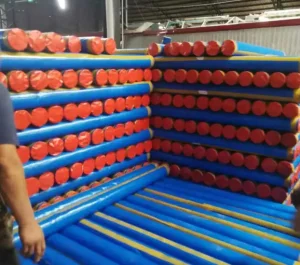
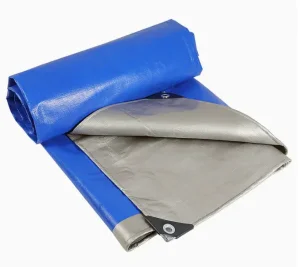
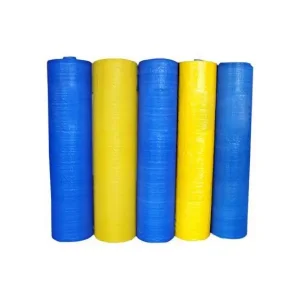
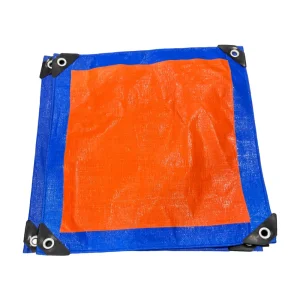
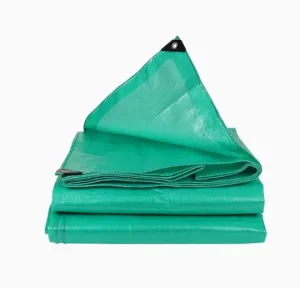
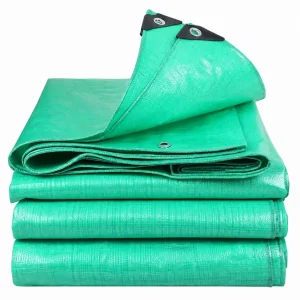
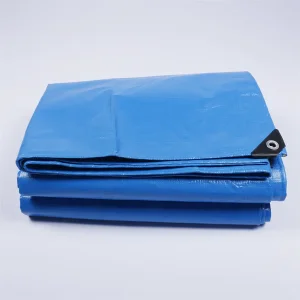
Heavy-duty protective tarpaulins, flame-retardant covers, and custom poly sheeting for OEM procurement.
As environmental sustainability mandates sweep B2B supply chains, industrial users are demanding eco-designed weed barrier solutions. Modern agricultural policies discourage microplastic pollution resulting from quick-degrading thin films.
Our R&D team leads the industry in implementing Single-Polymer Polyolefin Recyclability. Unlike multi-layer composite fabrics that fuse incompatible polymers (e.g., polyester non-woven bonded to PVC coating), our PP and PE ground mats are manufactured using mono-material chemistry. At the end of their operational lifecycle, cleaned fabrics can be 100% re-granulated into recycled PP/PE pellets for secondary industrial manufacturing.
Woven Weed Barrier Fabrics are constructed by interlacing polypropylene tapes at right angles. They deliver exceptional tensile strength, high tear resistance, and outstanding longevity under foot traffic or heavy agricultural equipment. They are ideal for commercial orchards, plant nurseries, and under-gravel driveways.
Non-Woven Fabrics are formed by bonding random fibers mechanically (needle-punched) or thermally. They offer higher water flow rates and isotropic puncture resistance, making them ideal under decorative stone landscaping or behind retaining walls where uniform drainage is paramount. For general wholesale distribution, a 90 GSM - 120 GSM Woven PP fabric is the most popular global standard.
Our production lines feature inline ultrasonic grammage sensors and computerized gravimetric extrusion controls. This automation maintains strict GSM tolerances within ±3%, ensuring you receive the exact material density specified in your contract. Chemical lab analysis of draw ratio, denier, and UV masterbatch content is performed for every production shift.
For tropical or desert environments with solar radiation exceeding 160 kLy/year, we specify a minimum 3.5% to 5.0% Hindered Amine Light Stabilizer (HALS) masterbatch addition rate. This prevents polymer backbone scission and extends real-world outdoor lifespan to 5+ years of continuous un-covered exposure.
Yes. We offer roll widths from 0.5 meters up to 6.0 meters continuously, and roll lengths from 10 meters (retail mini-rolls) up to 1000 meters (industrial master rolls). We provide up to 4-color flexographic printing directly on the fabric or selvedge edge, custom color insertion sheets, barcode labeling, and heavy-duty polybag packaging optimized for container shipping or retail rack presentation.
For standard factory stock specifications, MOQ starts at 1 ton or a consolidated mixed container. For custom GSM, specific color formulations, or custom branding, MOQ is typically 3 tons per specification. Standard production lead time is 15 to 25 days following art sample confirmation and deposit receipt.
We welcome third-party quality audits by recognized inspection agencies including SGS, Bureau Veritas (BV), Intertek, and TÜV. Each shipment includes a Certificate of Analysis (COA) documenting tensile strength, elongation, hydraulic flux, and weight parameters. In the rare event of a quality discrepancy, our quality assurance engineering team issues an official CAPA (Corrective Action Preventive Action) report and resolution within 24 hours.
Eliminate trading company markups, secure guaranteed polymer quality, and optimize your supply chain. Contact our B2B engineering sales division today for direct pricing, technical datasheets, and free sample swatches.