Direct factory inventory featuring multi-purpose poly woven fabrics, waterproof lamination, and optimized tear strength for commercial tents and relief structures.
An authoritative analysis of high-density polyethylene (HDPE), polypropylene (PP), and polyvinyl chloride (PVC) composite matrices for global industrial buyers.
Engineered from extruded HDPE flat tapes woven in high-density mesh configurations (8x8 to 14x14 strands/inch). Coated on both sides with Low-Density Polyethylene (LDPE) containing UV masterbatch additives to guarantee structural stability against continuous solar radiation.
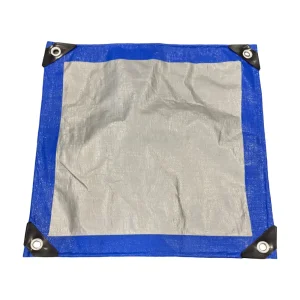
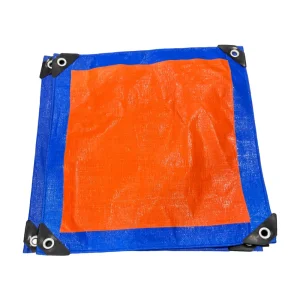
Utilizing high-tenacity yarn matrices yielding warp tensile strength up to 1450 N/5cm and weft strength up to 1350 N/5cm. Corner reinforcement patches combined with inner perimeter PP ropes distribute dynamic wind load stresses effectively.
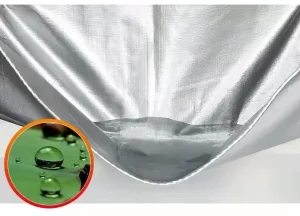
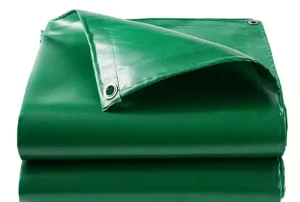
Dual hot-melt lamination ensures zero-pinhole water barrier capability, withstanding hydrostatic head pressure exceeding 10,000 mm H2O. Optimized surface tension prevents water pooling and accelerates runoff during severe weather events.
| Polymer Metric / Parameter | Woven Polyethylene (PE) Fabric | Woven Polypropylene (PP) Fabric | PVC Coated Polyester Fabric |
|---|---|---|---|
| Gram Weight (GSM Range) | 60 GSM – 300 GSM | 70 GSM – 260 GSM | 400 GSM – 900 GSM |
| Base Fabric Denier | 500D – 1500D HDPE Tapes | 600D – 1200D PP Tapes | 1000D x 1000D Polyester Filament |
| UV Lifetime Expectancy | 1 to 5 Years (3-5% HALS added) | 1 to 3 Years (UV Masterbatch) | 5 to 10+ Years (PVDF / Acrylic Topcoat) |
| Cold Crack Resistance | -40°C Flex Resistance | -10°C (Brittle at extreme low) | -30°C to -40°C (Plasticized) |
| Primary Industrial Intent | Emergency Relief, Modular Camping, Crop Protection | High-Stiffness Ground Covers, Scaffolding | Heavy Marquees, Trailer Curtains, Arch Buildings |
| Recyclability Profile | 100% Recyclable Mono-Material (PE) | 100% Recyclable Polyolefin | Requires Chemical/Mechanical Separation |
How Linyi Xinshengyang Plastic Products Co., Ltd. leverages Shandong's chemical infrastructure to deliver high-volume, cost-competitive tent fabric solutions.
Located in Shandong Province—China's primary petro-chemical hub—our extrusion lines receive high-purity virgin HDPE and PP resins directly. In-house blending of color masterbatches and UV stabilizers eliminates intermediary markups and guarantees melt flow index consistency.
Our 30,000 m² plant in Wanggou Industrial Park operates complete processing lines: high-speed tape drawing, water-jet and circular weaving looms, double-sided extrusion lamination, automatic heat-sealing, eyelet punchers, and automated packing lines.
Proximity to Qingdao Port and Linyi International Logistics Center enables rapid container dispatch. Specialized roll-winding and high-density bale pressing maximize container loading capacity by up to 18-22%, drastically lowering freight costs per square meter.
Every production lot of tent fabric manufactured by Linyi Xinshengyang (Star Tarpaulins) undergoes strict digital logging. From tape denier verification during extrusion to seam burst pressure tests after hot-melt welding, batch certificates are issued to ensure 100% compliance before container sealing.
Key operational considerations for commercial buyers, tent manufacturers, government disaster response agencies, and hardware importers.
Flexible procurement programs allowing buyers to aggregate PE fabric rolls, ready-made cut sheets, PP layflat irrigation hoses, and weed barriers inside a single 20ft or 40ft HQ container, minimizing inventory holding costs.
Designing fabric GSM and anti-oxidant dosages tailored precisely to target regional climates prevents premature micro-cracking, reducing warranty claims and protecting brand reputation in high-UV zones.
Full OEM branding: customized multi-color printing on polybags, inner barcode insertion, retail display packaging, custom eyelet spacing (50cm, 100cm, or customized), and private-label edge stamping.
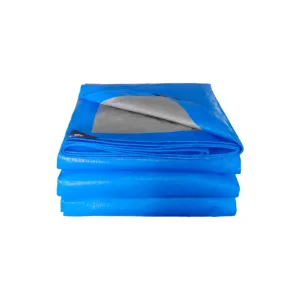
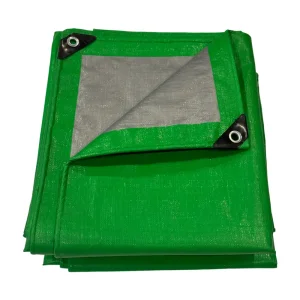
Standard running specifications (Blue/Silver, Green/Silver, Brown/Black) are maintained in master roll inventory, enabling expedited production turnarounds of 15–25 days for standard export orders.
Navigating regional import standards, flame retardancy certifications, and chemical safety norms across global jurisdictions.
Tent fabrics intended for commercial events, shade structures, and camping tents in North America meet flame retardancy standards CPAI-84 Section 6 and NFPA 701 (Method 1 & 2), ensuring self-extinguishing behavior upon flame source removal.
Formulated without Substances of Very High Concern (SVHC). Compliant with EU REACH Annex XVII heavy metal restrictions, phthalate limitations for plasticized coatings, and DIN 4102 B1 flame resistance requirements.
Engineered for intense solar irradiance regions such as the Middle East, Australia, and Northern Africa. Dosed with 3%–5% Hindered Amine Light Stabilizers (HALS) to retard photo-oxidative degradation of polymer chains under extreme sunlight exposure.
From luxury glamping structures to emergency field hospitals—how fabric specifications match real-world stress conditions.
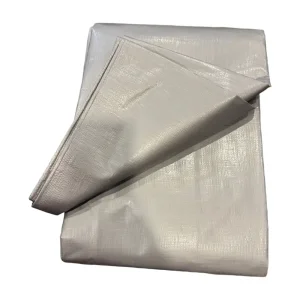
High-density white or double-silver PE and PVC fabrics provide exceptional UV reflection, thermal insulation, and aesthetic elegance for trade shows, outdoor weddings, and temporary exhibition halls.
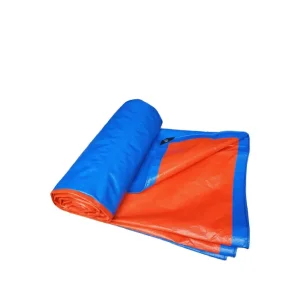
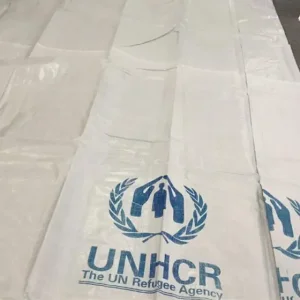
Standardized UN/UNHCR specification poly tarps (4x5m, 4x6m) designed for rapid deployment, high tear strength, compact bale packing, and quick assembly during natural disaster relief operations.
Heavy-duty 200–300 GSM PE and 650–900 GSM PVC fabrics engineered for peaked container roof shelters, field warehouses, and temporary machinery protection domes subject to severe wind loading.
Weatherproof multi-layer fabrics featuring anti-mold, anti-fungal, and blackout lamination treatments, offering superior indoor climate control and extended service lifespan in remote eco-tourism sites.
Key technological breakthroughs transforming the performance and environmental footprint of tent fabric manufacturing.
Transitioning from complex composite materials to 100% Polyethylene mono-material architectures (HDPE base + LDPE lamination). This allows complete mechanical recycling at the end of product lifecycle without matrix separation.
Integration of self-cleaning photo-catalytic surface coatings. When exposed to natural sunlight, organic surface grime decomposes automatically, maintaining light transmission and thermal reflection properties over long periods.
Advanced molecular orientation in polymer drawing allows reduced fabric weight (GSM) while retaining or exceeding legacy tensile strength values—decreasing transport emissions and simplifying site installation logistics.
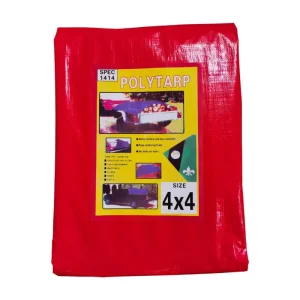
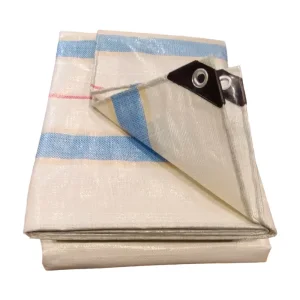
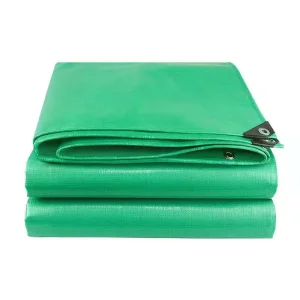
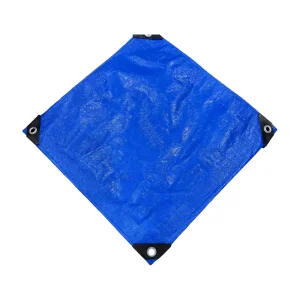
Expanded range including container shelters, high-visibility striped fabrics, heavy-duty truck tarps, and customized branding options.
In-depth engineering answers to help buyers evaluate technical parameters, lead times, custom specifications, and compliance certificates.
Selection depends directly on structural lifespans and mechanical loads. For lightweight recreational camping or short-term promotional gazebos, 80–130 GSM PE fabric with a 700D to 900D tape matrix provides low transport volume and adequate rainproofing. For semi-permanent marquee tents, disaster relief shelters, or industrial storage covers, we recommend 180–300 GSM PE or PP fabric (1000D to 1400D matrix) or 500–700 GSM PVC coated polyester. Our technical engineering team can calculate stress requirements based on expected wind loads and UV intensity.
Polyolefins (PE and PP) naturally degrade when exposed to ultraviolet radiation (UV-A and UV-B) via photo-oxidation. To counteract this, we incorporate Hindered Amine Light Stabilizers (HALS) along with Carbon Black or Titanium Dioxide pigments during raw polymer extrusion. For intense equatorial solar climates (e.g., Middle East, Northern Australia), we add a 3% to 5% high-grade UV masterbatch. This traps free radicals generated by UV absorption, extending structural tensile integrity up to 5000+ accelerated weathering hours.
For standard stocked master specifications (such as Blue/Silver or Green/Silver in standard roll widths of 2m to 6m), our MOQ is 1 x 20ft container (approx. 10 to 12 metric tons), which can be configured with mixed cut-sheet sizes. For fully customized specifications—including specific Pantone color matching, special eyelet pitch, custom surface printing, or specialized flame-retardant chemistry—the minimum is 3 tons per spec. Average factory turnaround time is 15 to 25 calendar days from sample/artwork approval.
Yes. We routinely supply flame-retardant treated PE and PVC fabrics certified under major international standards including CPAI-84 Section 6 (Tents), NFPA 701 (Method 1 & 2) in North America, and DIN 4102-1 B1 in Europe. Test reports from accredited third-party laboratories (such as SGS or Intertek) can be issued directly against your contract purchase order.
Our automated conversion lines offer edge-hemming reinforced with heavy-duty PP rope stitched or heat-welded into the perimeter. Corner patches can be upgraded to 3-hole triangular plastic molded caps or heavy-gauge double-fabric layers. Eyelets (grommets) are available in aluminum, rust-proof brass, or molded plastic, with custom spacing options from 30cm to 100cm intervals along all edges.
Buying directly from Linyi Xinshengyang Plastic Products Co., Ltd. (Star Tarpaulins) eliminates intermediary trading margins, yielding a 10% to 18% cost advantage. More importantly, direct factory integration gives buyers real-time control over technical variables (exact gram-weight tolerance ±3%, precise resin purity control, and customized masterbatch dosing) while ensuring clear accountability from raw polymer processing through final container loading.