
2026 Best Tricycle Tarpaulin Types for Global Buyers?

Time:2026-10-27 Author:Oliver
0%

Choosing the right Tricycle Tarpaulin in 2026 requires more than comparing colors, prices, and advertised thickness. Global buyers must consider climate, cargo shape, folding frequency, and local delivery conditions. A cover used in humid coastal markets faces different risks from one used on dry, dusty roads. Water resistance matters. So does ventilation.

This guide introduces practical tarpaulin types for commercial tricycles, including PVC-coated fabric, PE woven sheets, canvas blends, and reinforced multi-layer materials. Each option has strengths and limitations. PVC usually offers strong waterproofing and easy cleaning. PE can reduce purchase costs but may weaken under repeated folding. Canvas feels durable and breathable, yet it may need additional treatment against rain. No material wins every route.

Real purchasing experience shows that small details often decide service life. Check seam welding, eyelet spacing, edge webbing, buckle quality, and UV resistance. Measure the frame carefully, including side rails and rear openings. A cover that fits tightly may tear when loaded. A loose cover may flap against the frame all day.

Manufacturers should provide clear test information, material specifications, and care instructions. Buyers should request samples before placing large orders. Still, laboratory data cannot fully predict every road condition. That is worth remembering. Dust, sharp cargo corners, careless storage, and poor installation can shorten any product’s life.

The following discussion compares key Tricycle Tarpaulin types for international buyers. It focuses on performance, maintenance, customization, sourcing reliability, and long-term value. The goal is not to promote one universal solution. It is to help buyers choose with better evidence and fewer expensive surprises.
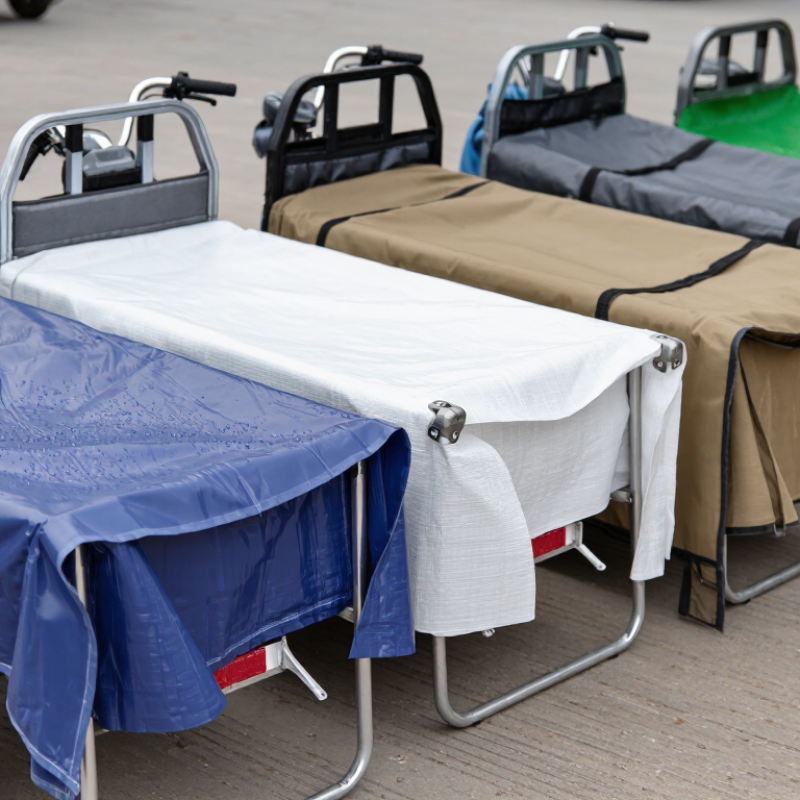
2026 Best Tricycle Tarpaulin Types for Global Buyers?

Tricycle Tarpaulin Basics and Key Performance Requirements

2026 Best Tricycle Tarpaulin Types for Global Buyers?

Tricycle tarpaulins protect cargo from rain, dust, sunlight, and road spray. Common options include PVC-coated polyester, polyethylene woven fabric, and treated canvas. PVC-coated polyester suits frequent outdoor use because it resists abrasion and repeated folding. PE fabric is lighter and often more economical for short-term transport. Canvas feels breathable, but it needs careful drying after wet trips.

A reliable cover should combine waterproofing with strong tensile and tear resistance. Check the fabric weight, coating thickness, stitching quality, and reinforced eyelets. Weak eyelets can fail before the fabric does. Small gaps matter. The cover should fit the tricycle frame without excessive slack. Loose material may flap against sharp corners, while tight material can stress seams during loading.

Sun exposure deserves serious attention. UV-resistant fabric helps reduce fading, brittleness, and coating breakdown in hot regions. However, no tarpaulin performs equally well in every climate. I have seen heavy fabric survive rain but crack after poor storage in intense heat. That is easy to overlook. Buyers should request sample testing for water resistance, seam strength, folding, and heat exposure before placing large orders. Clear measurements, practical fastening points, and repairable construction usually matter more than impressive specifications alone.

Main Tarpaulin Types for Different Tricycle Applications

For passenger tricycles, PVC-coated polyester tarpaulin offers the strongest balance of waterproofing, abrasion resistance, and clean appearance. It suits fixed roofs, rear curtains, and daily urban routes. A 2024 Grand View Research assessment estimated the global tarpaulin market at more than USD 8 billion, with transport and construction among major demand sectors. That trend reflects a practical need: frequent folding, roadside dust, and sudden rain quickly expose weak fabric.

Cargo tricycles often need heavier PE-woven tarpaulin, usually around 180–250 GSM. It is economical and handles bulky loads, although sharp edges may damage its laminated surface. For food or parcel delivery, lighter PVC fabric allows easier cleaning and better branding visibility. Mesh tarpaulin works for side ventilation, especially in hot markets, but it cannot replace a waterproof roof.

Canvas or acrylic-coated fabric provides a softer appearance for passenger cabins, yet drying takes longer after rainfall. The International Organization for Standardization’s ISO 4892-3 guidance also reminds buyers to consider accelerated weathering when selecting outdoor fabrics. Laboratory exposure is not real road use. That difference matters. One overlooked detail is fastening: reinforced hems, rust-resistant eyelets, and spaced tie points often determine service life more than fabric weight. My earlier assumption was that thicker material always performs better. Field checks suggest otherwise; excessive weight can strain small frames and reduce fuel efficiency.

Material, Fabric, and Coating Options Explained

For global tricycle buyers, fabric choice should follow the route, load, and climate. The Textile Exchange 2024 Materials Market Report states that polyester represented about 57% of global fiber production in 2023. That scale supports stable supply and competitive pricing. Polyester canvas also offers useful tear strength and lower stretch than many cotton blends. For daily cargo use, 500D to 900D polyester is a practical range. Heavier fabric is not always better.

PVC-coated polyester provides strong water resistance and easy cleaning. It suits rainy streets, muddy markets, and frequent folding. However, PVC can become stiff in cold weather and may crack after poor storage. PU-coated polyester feels lighter and folds more quietly. It can work well for passenger covers and moderate cargo. The coating weight matters. A thin coating may fail around stitched corners.

Choose fabric with UV stabilizers for tropical routes. ISO 4892-3 testing can help compare accelerated weathering performance, while ISO 811 supports hydrostatic water-resistance evaluation. The European Environment Agency reports that textiles create significant environmental pressure across production and use, so buyers should inspect repairability, coating separation, and end-of-life options. A replaceable panel may outperform a thicker, disposable sheet. I have seen specifications look impressive, yet the first failure appeared beside the buckle. Reinforced hems, welded seams, and corrosion-resistant eyelets deserve equal attention. No fabric wins every route.

2026 Best Tricycle Tarpaulin Types for Global Buyers

Material, fabric, and coating choices affect weight, durability, waterproofing, and cost. The chart compares typical basis-weight ranges used for tricycle covers and cargo tarpaulins.

Buying guidance: PE woven tarpaulins are lightweight and economical for general weather protection. PVC-coated polyester provides higher tear resistance, abrasion resistance, and long-term outdoor performance, but it is heavier. HDPE woven fabric offers strong tensile performance at relatively low weight, while coated canvas is breathable and durable but usually requires more maintenance.

Basis-weight values are typical industry ranges in grams per square metre and vary by yarn density, lamination, coating thickness, and manufacturing specification.

How to Select Tarpaulins for Climate and Cargo Conditions

2026 Best Tricycle Tarpaulin Types for Global Buyers?

How to Select Tarpaulins for Climate and Cargo Conditions

A tricycle tarpaulin must match both weather and cargo. In hot, humid regions, PVC-coated polyester offers strong UV resistance and stable waterproofing. Woven polyethylene is lighter and often suits short-distance transport. However, low-cost sheets may crack after repeated folding. Cold climates need flexible fabric that will not stiffen easily. Coastal routes also demand rust-resistant eyelets and reinforced seams.

Cargo conditions matter just as much. Sharp tools, timber edges, or stacked cartons can damage thin material. Choose a heavier fabric, such as 500–650 gsm PVC-coated polyester, for frequent commercial use. Add corner patches and webbing where straps pull hardest. Ventilation is useful for vegetables and other heat-sensitive goods. Fully sealed covers can trap condensation. That detail is easy to miss.

Tips: Check the actual GSM, coating thickness, tear strength, and UV test results. Measure the tricycle frame before ordering. Leave enough overlap for secure fastening. Test one sample during rain and loading. My first choice is not always the best choice; a very heavy cover may reduce fuel efficiency and become difficult for one person to handle. Suppliers should provide clear specifications, sample approval, and care instructions.

Global Buying Standards, Customization, and Maintenance Considerations

For global tricycle buyers, tarpaulin selection should begin with climate and cargo exposure. PVC-coated polyester offers strong waterproofing and abrasion resistance. PE woven sheets are lighter and usually more economical. Laminated fabric can reduce tearing around tiedown points. Grand View Research valued the global tarpaulin market at approximately USD 7.3 billion in 2023, with continued growth expected through 2030. This growth reflects wider demand for durable covers, not proof that every low-cost sheet performs equally. Buyers should request tensile, tear, and seam-strength results under ASTM D751 or ISO 1421. Ask for test conditions, not only attractive numbers.

Customization should follow vehicle geometry. Measure the canopy frame, wheel clearance, tie-down spacing, and ventilation openings. A practical design may use reinforced corners, heat-sealed seams, brass-free or corrosion-resistant eyelets, and reflective strips for visibility. In hot regions, UV-stabilized coating matters. ISO 4892-3 weathering tests can help compare resistance to artificial sunlight and moisture. Yet laboratory exposure is not identical to dusty roads or coastal salt air. That distinction is often missed. The World Bank’s What a Waste 2.0 report shows that global waste generation could reach 3.40 billion tonnes annually by 2050, strengthening the case for repairable, recyclable, or longer-life covers. Maintenance remains simple: rinse grit, dry the sheet fully, inspect seams monthly, and avoid folding it while wet. Small failures become expensive ones. A slightly heavier fabric may be wiser, but only after checking payload limits and local weather.

2026 Best Tricycle Tarpaulin Types for Global Buyers? - Global Buying Standards, Customization, and Maintenance Considerations
Tarpaulin Type Typical Material and Construction Common Weight Range Weather and Performance Profile Best-Fit Tricycle Applications Customization Options Global Buying and Compliance Considerations Maintenance Requirements
PVC-Coated Polyester Tarpaulin Woven polyester base fabric with PVC coating on one or both sides; commonly heat-welded or stitched. Approximately 450–900 g/m² Waterproof High tear resistance Good UV resistance
Suitable for frequent outdoor use and moderate to heavy rain.
Passenger cabins, cargo bodies, side curtains, roll-up covers, and delivery tricycles used in changing weather. Custom dimensions, eyelet spacing, hook-and-loop fasteners, zippers, transparent PVC windows, reflective strips, and printed graphics. Confirm coating thickness, seam quality, flame performance where required, colorfastness, and documentation for restricted substances. Ask for test reports from an independent laboratory when required by the destination market. Remove dust before folding, wash with mild soap and water, dry completely, and inspect welded seams and eyelets regularly.
PVC-Laminated Polyester Tarpaulin Polyester scrim laminated between PVC layers; generally lighter and more economical than many coated constructions. Approximately 300–650 g/m² Water-resistant to waterproof Flexible Cost-efficient
Appropriate for light to medium-duty protection.
Basic cargo covers, temporary rain screens, market tricycles, and urban delivery vehicles with moderate daily exposure. Printed logos or patterns, cut-to-size panels, reinforced corners, snap buttons, eyelets, and color matching. Check whether the construction is fully waterproof or only water-resistant. Verify fabric weight, dimensional tolerance, coating adhesion, and packaging suitability for humid transport conditions. Do not store while damp. Avoid sharp folding over the same line for long periods and replace damaged eyelets before wind exposure.
PE Woven Tarpaulin Woven polyethylene fabric laminated with polyethylene film; often produced with reinforced edges and metal or plastic eyelets. Approximately 90–250 g/m² Lightweight Water-resistant Economical
Performance varies significantly with fabric density and UV stabilizer level.
Short-term cargo protection, seasonal market use, emergency covers, and low-cost side panels. Color selection, edge reinforcement, eyelet spacing, cut-panel dimensions, and simple one- or two-color printing. Request UV-stabilizer information for sunny regions. Confirm tear strength, eyelet pull-out strength, recyclability information, and whether the material contains regulated additives. Use soft cleaning tools, keep away from hot exhaust components, and replace the sheet when cracking or brittleness appears.
Acrylic-Coated Polyester Fabric Polyester woven fabric with an acrylic-based coating or finish; generally designed for outdoor textile applications. Approximately 250–500 g/m² Good color retention Breathable options UV suitable
Water resistance depends on coating, seams, and fabric specification.
Passenger canopies, sun shades, premium seating covers, and applications where appearance and color stability are important. Custom colors, piping, shaped panels, ventilation sections, windows, embroidery, and screen or digital printing. Specify hydrostatic-pressure expectations, lightfastness requirements, seam construction, and fabric composition. Do not assume every acrylic-coated fabric is fully waterproof. Brush off loose dirt, clean with a mild detergent, avoid aggressive solvents, and allow the fabric to dry before storage.
PU-Coated Polyester Tarpaulin Polyester fabric coated with polyurethane; usually softer and lighter than heavy PVC constructions. Approximately 180–450 g/m² Lightweight Flexible Waterproof options
Offers a useful balance between packability and weather protection.
Folding roofs, compact passenger covers, removable cargo covers, and tricycles where low added weight is important. Custom patterns, seam-taped construction, elastic edges, drawcords, zippers, windows, and compact storage bags. Verify hydrostatic head, coating adhesion, seam-tape compatibility, abrasion resistance, and cold-temperature flexibility for the intended climate. Hand wash or use a gentle cleaning method, avoid high heat, and store loosely folded rather than compressed when possible.
Mesh Tarpaulin with Reinforced Border Knitted or woven coated mesh, usually made from PVC-coated polyester or polyethylene, with reinforced perimeter webbing. Approximately 280–600 g/m² Air-permeable Reduced wind load Shade control
Not intended as a fully waterproof cover unless combined with solid panels.
Ventilated passenger sides, agricultural loads, open cargo bodies, and hot-weather applications requiring airflow. Mesh openness, panel size, border webbing, eyelet pattern, reflective tape, transparent windows, and mixed mesh-solid designs. Specify openness percentage, tensile strength, UV resistance, edge construction, and local visibility or safety requirements for road use. Remove leaves and dust from the mesh, rinse with clean water, and check that wind-load forces have not stretched the border or pulled out eyelets.
Insulated Multi-Layer Tarpaulin Multi-layer textile or coated fabric construction with a foam, foil, or thermal insulation layer; often includes an outer weatherproof skin. Approximately 500–1,200 g/m² Thermal buffering Weather protection Higher weight
Helps reduce heat gain but does not replace regulated refrigeration equipment.
Food delivery, pharmaceutical-support transport where permitted, temperature-sensitive goods, and shaded passenger compartments. Insulated panel thickness, reflective outer surface, access flaps, sealed seams, interior lining, and temperature-monitoring pockets. Define the required temperature range and duration. Verify cleanability, odor, food-contact suitability where applicable, fire performance, and insulation test data. Clean spills promptly, disinfect only with compatible products, dry all layers thoroughly, and inspect for moisture trapped between layers.
Flame-Retardant Tarpaulin Coated or treated polyester fabric manufactured to meet a specified flame-performance classification. Approximately 450–900 g/m² Controlled flame performance Heavy-duty options Weather-resistant options
Flame performance is dependent on the exact fabric, coating, and test method.
Passenger enclosures, commercial fleets, enclosed market tricycles, and projects with specified fire-safety requirements. Custom patterns, reinforced seams, fire-rated transparent windows, ventilation panels, and certified production batches. Specify the required test standard and classification before purchasing. Request a current test report for the exact material construction, not only a general product statement. Use only approved cleaning agents because some treatments can reduce performance. Inspect for abrasion, coating loss, and unauthorized repairs.
Recycled-Fiber Tarpaulin Fabric containing recycled polyester or other recovered fibers, usually combined with a coating or laminated weatherproof layer. Approximately 300–800 g/m² Resource-conscious option Variable performance Customizable
Durability depends on recycled content, yarn quality, coating, and reinforcement.
Urban delivery fleets, reusable promotional covers, municipal projects, and buyers with documented sustainability targets. Recycled-content percentage, material certificates, custom color, printed identification, repair patches, and take-back or recycling instructions. Request evidence for recycled content, restricted-substance compliance, durability testing, and end-of-life handling. Compare performance data with conventional fabrics on an equivalent basis. Clean gently, repair small cuts early, avoid prolonged storage in direct sunlight, and separate components where recycling instructions require it.
Transparent PVC Window Panel Clear flexible PVC film joined to coated fabric by welding, stitching, or a combination of both. Approximately 300–800 microns for the clear film, excluding the surrounding fabric. Rain protection Visibility Flexible
Optical clarity and resistance to yellowing vary by formulation and outdoor exposure.
Passenger side curtains, driver visibility panels, retail display tricycles, and rain-screen sections. Window size, tint, flexible or rigid support, zipper access, roll-up straps, anti-scratch treatment, and replacement-panel design. Check clarity, haze, cold-temperature flexibility, UV performance, seam strength, and local visibility requirements for road safety. Clean with mild soap and water, use a soft cloth, avoid abrasive cleaners, and roll rather than sharply fold when temperatures are low.
Buying note: The most suitable tarpaulin depends on climate, expected service life, load type, vehicle structure, local road-safety rules, and the required balance between weight, waterproofing, UV resistance, cost, and repairability. Always approve a physical sample and specification sheet before placing a large order.

FAQS

Which tarpaulin suits a passenger tricycle?

PVC-coated polyester balances waterproofing, abrasion resistance, and a clean appearance. It suits fixed roofs and rear curtains. It handles daily urban travel well.

What fabric works for heavy cargo?

Heavy PE-woven fabric suits bulky loads and short-distance transport. For frequent commercial use, consider approximately 500–650 GSM PVC-coated polyester. Reinforce corners and strap areas.

Is heavier fabric always better?

No. Excess weight can strain a small frame and reduce fuel efficiency. One person may struggle to remove it. My earlier assumption was too simple.

Which material suits hot and humid climates?

UV-stabilized PVC-coated polyester offers stable waterproofing and sunlight resistance. Mesh panels can improve airflow. Mesh cannot replace a waterproof roof.

How should buyers handle sharp cargo?

Choose stronger fabric for timber, tools, or rough cartons. Add corner patches and webbing. Sharp edges can cut thin laminated surfaces quickly.

What details matter besides fabric weight?

Check actual GSM, coating thickness, tear strength, and seam strength. Reinforced hems and corrosion-resistant eyelets often decide service life. Weight alone misleads.

How should a custom cover be measured?

Measure the frame, wheel clearance, tie-down spacing, and ventilation openings. Leave enough overlap for fastening. A small measuring mistake can cause daily leakage.

How can a tarpaulin be maintained?

Rinse away grit, dry it completely, and inspect seams monthly. Never fold it while wet. Small failures become expensive ones.

Should ventilation be included for food or vegetables?

Yes, ventilation can reduce heat and condensation. Fully sealed covers may trap moisture. However, openings need protection from rain and roadside dust.

What should a supplier provide before production?

Request clear specifications, sample approval, test conditions, and care instructions. Test one sample during rain and loading. A laboratory result is not real road experience.

Conclusion

Choosing the right Tricycle Tarpaulin in 2026 requires more than selecting a waterproof cover. Buyers should consider the tricycle’s application, cargo type, expected load, installation method, and local climate. Common options include lightweight covers for daily urban transport, reinforced tarpaulins for commercial cargo, breathable materials for ventilation, and heavy-duty designs for frequent outdoor use. Key performance requirements include waterproofing, tear resistance, UV protection, flexibility, secure fastening, and reliable durability under repeated folding and tension.

Material and coating choices should match operating conditions. PVC-coated fabric may provide strong water resistance and easy cleaning, while coated polyester or other lightweight fabrics can offer convenient handling and sufficient protection for moderate use. Buyers should also review fabric thickness, stitching quality, edge reinforcement, grommet placement, color stability, and customization needs such as size, shape, logos, or fitting systems. Before purchase, confirm practical quality standards, packaging details, maintenance instructions, and replacement-part availability. Regular cleaning, proper drying, careful storage, and timely repair can significantly extend tarpaulin service life.

Oliver

Oliver

Oliver is a seasoned marketing professional with a wealth of expertise in driving brand awareness and engagement. With a deep understanding of our company's product offerings, he consistently delivers high-quality content that enriches our professional blog. His insights not only shed light on......