
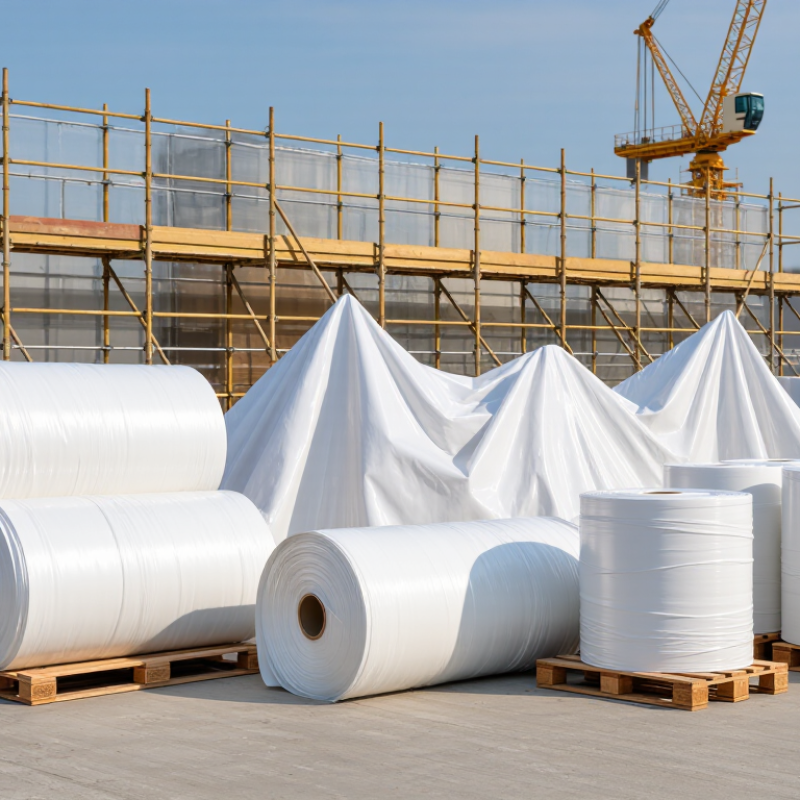
China Top White Tarpaulin Manufacturers and Suppliers

Time:2026-09-27 Author:Sophia
0%

White Tarpaulin is chosen for more than its clean appearance. On a busy construction site, a pale sheet can reflect sunlight, cover stored materials, and make dirt or wear easier to spot. Yet whiteness alone says little about service life. Buyers should compare fabric weight, coating, seam strength, UV resistance, and the intended exposure conditions.

Reliable data needs careful reading. UN Comtrade’s HS 6306 trade category groups tarpaulins with products such as awnings and tents; its figures therefore cannot isolate the white tarpaulin market. For product testing, ASTM D751 covers coated-fabric properties, including breaking strength and tear resistance. These references help frame supplier questions, but they do not replace product-specific test reports. Ask manufacturers for dated results, test methods, and details on the sample tested. Small details matter.

This guide examines China’s leading white tarpaulin manufacturers and suppliers through product specifications, production capability, quality documentation, and export experience. It also recognizes a limitation: no verifiable named expert quotation was provided for this introduction, so attributing a statement to an industry specialist would be misleading. That gap matters. A polished claim is not proof. Compare evidence directly, and treat broad promises about durability with care. A tarp that performs well in a warehouse may behave differently under wind, rain, and prolonged sun.

China Top White Tarpaulin Manufacturers and Suppliers

What White Tarpaulin Is and How It Is Made

White tarpaulin is a flexible sheet designed to shield goods, equipment, or outdoor areas from rain and sunlight. It is commonly made from woven polyethylene, though some products use polyester fabric coated with PVC. The material and coating affect its weight, flexibility, and expected service life. That difference matters. A white surface reflects more light than a dark one, which can help reduce heat buildup beneath a cover.

In a common polyethylene process, resin is melted and extruded into thin tapes. These tapes are stretched, cooled, and woven into a grid-like fabric. A layer of polyethylene film is then laminated onto the base to seal its openings and improve water resistance. White pigment is blended into the coating or film, not merely brushed on later. The finished color may not be perfectly uniform.

Manufacturers cut the coated fabric into panels, then join seams using heat or stitching, depending on the construction. Edges are often reinforced, with metal eyelets fitted at intervals for tying down the sheet. Quality checks may include inspecting seams, measuring thickness, and looking for pinholes or weak spots. No coating is flawless. A small defect can let water through, so buyers should compare construction details rather than rely on color alone.

Materials, Coatings, and Key Performance Specifications

White tarpaulins usually use woven polyester or high-density polyethylene (HDPE) scrim, with a polymer coating that seals the weave. PVC-coated polyester is common for heavier-duty covers; PE-laminated woven fabric is lighter and often easier to handle. The white surface reflects sunlight, but it can still yellow or chalk after prolonged exposure. Small details matter. Check the coating’s uniformity around seams and eyelets, where water and abrasion often find a way in.

Compare specifications by test method, not by headline claims. ASTM D751 covers coated-fabric tests such as breaking strength, tear resistance, and coating adhesion; ISO 2286-2 measures fabric mass per unit area. Ask for separate warp and weft results, plus the sample’s coating weight and total mass in g/m². A “waterproof” label alone says little about seam leakage or performance after flexing. That part is often overlooked.

For outdoor use, request UV-weathering results with the exposure method and test duration stated; ISO 4892-3 describes fluorescent-UV exposure procedures. Also verify low-temperature flexibility, mildew resistance, and color stability if the sheet will be stored folded or exposed year-round. A useful supplier data sheet identifies the test standard, specimen conditioning, and measured result—not just a pass mark. In practice, buyers sometimes focus on thickness and miss coating adhesion. It is an easy mistake to make.

Common Applications of White Tarpaulins

Common Applications of White Tarpaulins

White tarpaulins are used in agriculture, construction, transport, and outdoor events. Their pale surface reflects more sunlight than darker covers, which can help reduce heat buildup beneath them. The difference depends on fabric, coating, and airflow. It is not a cooling guarantee.

On farms, a white tarp may cover harvested crops, equipment, or temporary work areas. For crop protection, users should check ventilation and moisture conditions; trapped condensation can damage produce.

In construction, tarpaulins can shield materials from light rain and dust, while still allowing a brighter work area than opaque dark sheets. Check the product’s waterproof rating before relying on it in prolonged rain.

At events, white covers diffuse daylight and provide a clean-looking canopy for stalls or seating. They are also used to cover goods during storage and transit. White shows dirt quickly. That can be useful when cleanliness matters, but it means more frequent washing. Secure the edges with suitable ties, especially in gusty weather, and inspect seams after repeated use. Wind can turn a large sheet into a sail.

China’s White Tarpaulin Manufacturing and Supply Landscape

China’s white tarpaulin manufacturing landscape combines resin sourcing, woven-fabric production, lamination, finishing, and export logistics. PlasticsEurope’s Plastics—the Fast Facts 2024 reports that China accounted for 33.3% of global plastics production in 2023. This is useful context, not a measure of tarpaulin output. The sector’s scale supports broad material availability, while actual product consistency depends on each factory’s process controls. Details matter. Buyers should compare fabric weight, weave density, coating thickness, and roll-width tolerances.

For white tarpaulins, opacity and surface appearance matter alongside strength. Thin spots can show as pale streaks under strong light. Ask suppliers how they test tensile strength, tear resistance, and water penetration, and request results for the specific grade being quoted. A sample should be checked for coating uniformity, edge finishing, and flexibility after folding. Specifications on paper can still miss real handling conditions. That comparison is useful, but imperfect: performance also depends on exposure, installation, and storage.

Tips: Confirm whether quoted weight includes coating. Ask for batch-level inspection records, and test a sample under your expected conditions before placing a large order.

How to Evaluate and Source Chinese Manufacturers and Suppliers

When evaluating Chinese white tarpaulin manufacturers and suppliers, begin with a clear specification, not a broad request for a “heavy-duty” sheet. State the finished size, fabric weight in GSM, base material, coating type, color tolerance, and intended use. Ask how the supplier checks thickness and weight across production batches. Details matter. A product sheet is useful, but it cannot replace a physical sample.

Inspect the sample under strong light for pinholes, uneven coating, and inconsistent edges. Check welded seams or stitched hems, depending on the construction, and ask for test results covering tensile strength, water resistance, and UV performance. Confirm that the reports match the offered material and production site. Request photos of packing, roll labels, and quality checks before shipment. Also clarify minimum order quantities, sample charges, lead times, payment milestones, and shipping terms in writing. A video call can help you see equipment and storage conditions, though it is not a full factory audit. No checklist is perfect. I would still allow time for an independent inspection, especially when the first order is large. A clean sample can conceal batch variation; that risk deserves attention.

FAQS

What materials are commonly used for white tarpaulins?

Common options include woven polyester or HDPE with a polymer coating. PVC-coated polyester is often heavier, while PE-laminated fabric is lighter. Neither choice is automatically better.

Does a white surface stay bright outdoors?

White reflects sunlight, but prolonged exposure may cause yellowing or chalking. Check color stability and UV-weathering results for the intended use. Small details matter.

Which specifications should buyers compare?

Compare fabric weight in g/m², coating weight, weave density, and separate warp and weft strength results. Confirm how each measurement was tested. Headline claims can mislead.

Does a waterproof label guarantee dry seams?

No. Water may enter through seams, eyelets, or thin coating areas. Inspect those spots closely, especially after folding or flexing the sheet.

How can a sample be checked?

Hold it under strong light and look for pinholes, pale streaks, and uneven coating. Check the edges and fold it to assess flexibility. Not foolproof.

What should buyers ask manufacturers to provide?

Request test results for the quoted grade, batch inspection records, packing photos, and roll labels. Confirm that reports match the production site and material offered.

What should a product specification include?

State finished dimensions, GSM, base material, coating type, color tolerance, and intended use. Clarify whether quoted weight includes the coating. Easy to miss.

Is a clean sample enough to approve a large order?

Not necessarily. A good sample can hide batch variation. I would allow time for an independent inspection, though even that cannot predict every handling condition.

Conclusion

This guide explains what White Tarpaulin is, how it is made, and how its base materials and coatings affect durability, weather resistance, light transmission, and other performance characteristics. It also outlines common uses, from covering goods and equipment to temporary shelters and agricultural applications, helping readers understand how to match a tarp’s specifications to its intended purpose.

The article also introduces China’s white tarpaulin manufacturing and supply landscape, where product options and production capabilities can vary. It offers practical considerations for evaluating and sourcing suppliers, including reviewing material specifications, construction quality, customization options, production capacity, communication, and sample consistency. These points can help buyers compare manufacturers more effectively and make informed sourcing decisions.

Sophia

Sophia

Sophia is a dedicated marketing professional with an exceptional depth of knowledge about her company's products and services. With a keen understanding of market trends and customer needs, she crafts insightful blog posts that not only inform but also engage readers, enriching the company’s online......