Choosing the right Car Tarpaulin in 2026 requires more than comparing prices. Global buyers now examine fabric strength, coating quality, climate resistance, and everyday handling. A cover protecting a sedan in Dubai faces intense sunlight and sand. A cover used in northern Europe needs reliable water resistance and flexibility in freezing temperatures.
Automotive textile consultant Elena Marquez says, “The best Car Tarpaulin is not the heaviest one; it is the cover matched to the vehicle, climate, and storage routine.” This practical view matters. Polyester tarpaulins offer balanced strength and portability. PVC-coated options provide tougher weather protection for long-term outdoor parking. Breathable fabrics can reduce trapped moisture beneath the cover, although they may not suit every rainy environment.
Small details matter.
A soft inner layer can help reduce scratches on polished paint. Reinforced seams and strong eyelets improve durability during windy conditions. Elastic hems create a closer fit, while adjustable straps help prevent movement. Buyers should also check UV ratings, waterproof test results, fabric weight, and warranty terms before ordering.
This guide reviews the top Car Tarpaulin types expected to attract global buyers in 2026. It compares material performance, vehicle fit, weather suitability, maintenance needs, and value. Still, no product performs perfectly everywhere. A highly waterproof cover may reduce breathability. A lightweight model may be easier to store but less stable in storms. Careful selection remains essential, and marketing claims deserve verification.
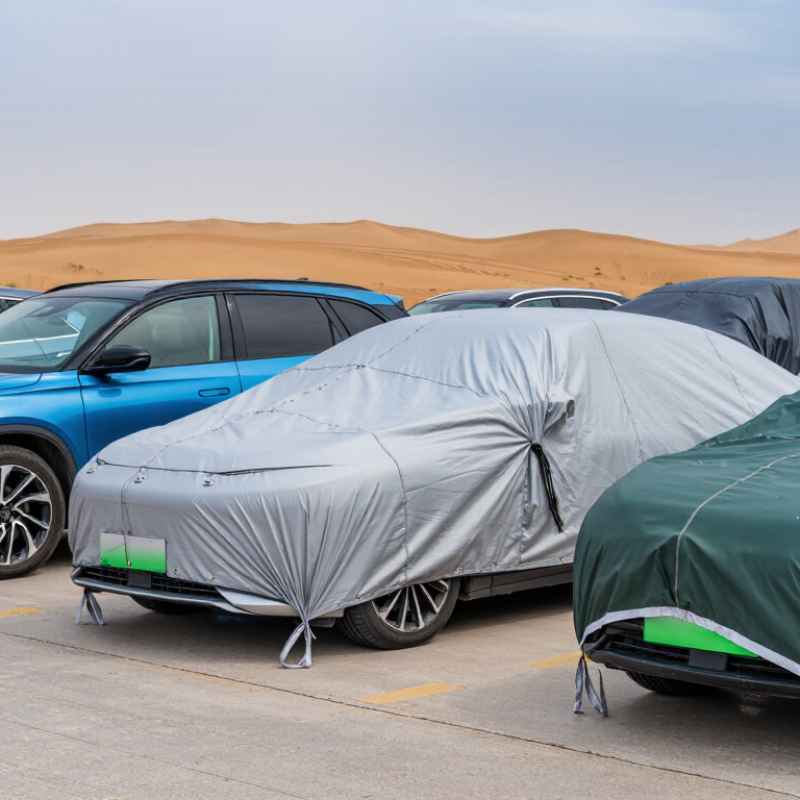
A car tarpaulin is a removable barrier against rain, dust, sunlight, and falling debris. It protects paint, glass, mirrors, and sensitive exterior fittings during storage or transport. Think of it as a temporary roof.
Material choice changes performance. Lightweight polyethylene suits short-term outdoor parking and frequent handling. PVC-coated polyester offers stronger tear resistance for longer exposure. Soft inner layers matter because rough fabric can rub against clean paint. The wider tarpaulin market was valued at approximately US$8.9 billion in 2024, according to Mordor Intelligence’s 2024 market analysis. That figure covers many applications, not vehicles alone, but it reflects broad demand for weather-resistant covers.
Good fit is equally important. Elastic hems should follow the vehicle’s lower edge, while reinforced grommets support secure tie-downs. Loose fabric can flap against panels during strong wind. Tight straps can damage mirrors or door seals. NOAA’s National Weather Service reports that hail causes more than US$1 billion in U.S. property damage each year. A cover may reduce impact and surface damage, but it cannot replace sheltered parking. Moisture is another concern. A heavy, non-breathable sheet may trap condensation underneath. I would inspect the vehicle first, remove dust, and allow airflow whenever conditions permit. No cover is perfect.
2026 Top Car Tarpaulin Types for Global Buyers
In 2026, car tarpaulin buyers are comparing materials more carefully than color, packaging, or price. The fabric must handle sunlight, rain, dust, and repeated folding. Material choice decides service life. PVC-coated polyester remains a practical option for demanding outdoor use. Polyester provides tear strength, while PVC improves water resistance and surface durability. However, heavy PVC can become stiff in cold weather. That weakness is easy to miss during showroom inspections.
Polyethylene tarpaulins are lighter and usually more economical for temporary vehicle protection. They work well for short storage periods and frequent replacement cycles. Their woven structure helps resist tearing, but sharp edges can still cause damage. Thermoplastic polyurethane offers better flexibility and abrasion resistance. It may suit premium covers that require repeated folding and a softer touch. Acrylic-coated fabrics provide useful color stability and a less plastic-like appearance.
Material alone does not guarantee dependable performance. Stitching, heat-welded seams, reinforced corners, and rust-resistant eyelets also matter. UV stabilizers are important in regions with intense sunlight. Breathable laminates can reduce trapped moisture under the cover. I recommend testing samples through folding, water exposure, and temperature changes before bulk purchasing. No material is perfect. In our own evaluations, a strong fabric sometimes failed at weak seams. Buyers should question attractive specifications and inspect the complete construction, not only the fabric label.
Key materials used in 2026 car tarpaulin designs, compared by typical fabric basis weight. Higher basis weight generally indicates a heavier and more robust cover, while lighter fabrics improve portability and handling.
Data note: Values show representative midpoints of commonly specified commercial ranges: PVC-coated polyester 450–900 g/m², HDPE woven laminated fabric 90–250 g/m², PP woven laminated fabric 80–220 g/m², and PU-coated polyester 150–400 g/m². Actual specifications vary by coating thickness, yarn density, weave, and application.
For global buyers, climate should guide tarpaulin selection more than appearance. A cover used in coastal heat faces salt air, strong sunlight, and sudden rain. In field use, UV-stabilized polyester fabric performs better when seams are reinforced and checked regularly. A light-colored, breathable cover can reduce heat buildup inside a parked vehicle. Still, breathable does not mean waterproof. That distinction is often missed.
In tropical and monsoon regions, choose coated polyester or multilayer fabric with sealed stitching. It should shed heavy rain while allowing limited vapor release. Add soft inner protection, because trapped grit can mark polished paint during windy weather. For dry deserts, thick, abrasion-resistant material helps resist dust and sharp sand. However, fully sealed fabrics may trap heat. Vents can help, but not every vent design performs equally during storms.
Cold climates need flexible fabric that will not stiffen quickly below freezing. Water-resistant covers help with snow, yet frozen moisture can strain fasteners and seams. A snug fit reduces flapping, but an overly tight cover may tear when ice accumulates. In humid forests, mildew-resistant treatment and quick drying are practical priorities. Check the cover after wet storage. Small damp folds can become larger problems. Material claims deserve testing, not blind trust.
2026 Top Car Tarpaulin Types for Global Buyers
How to Compare Size, Fit, Durability, and Functional Features
Choosing a car tarpaulin starts with accurate measurements, not attractive packaging. Measure bumper to bumper, including mirrors and roof accessories. A cover that is too short exposes the lower panels. Excess fabric can flap against paint during strong winds. I prefer a snug fit with elastic edging and adjustable belly straps. It should stay stable without pulling tightly across sharp corners. The IEA Global EV Outlook 2025 reports more than 17 million electric cars were sold worldwide in 2024. This growing vehicle variety makes universal sizing less dependable.
Material selection requires practical testing. Look for polyester or oxford fabric with a verified waterproof coating. Ask for hydrostatic-pressure, seam-strength, and UV-aging results. ASTM D751 and ISO 811 provide useful reference methods for coated fabrics and water resistance. ISO 4892-3 can support accelerated UV exposure testing. These standards do not guarantee perfect outdoor performance. They simply make supplier claims easier to compare. Good covers also need soft inner layers, reinforced mirror pockets, ventilation openings, and corrosion-resistant straps.
Climate changes the decision. The World Meteorological Organization’s State of the Global Climate 2024 confirmed another record-hot year, with heavier weather risks in many regions. Heat, dust, rain, and snow demand different balances between coating thickness and breathability. A thick cover may resist rain better, but it can trap condensation underneath. I have seen buyers overvalue fabric weight and overlook seam construction. That is an expensive mistake. Test the actual fit on your vehicle before ordering large quantities. Measurements on paper can still disappoint.
| Tarpaulin Type | Typical Material | Common Weight | Best-Fit Vehicle Use | Typical Size Guidance | Weather & UV Performance | Fit and Functional Features | Durability Level | Best Buying Priority |
|---|---|---|---|---|---|---|---|---|
| Universal Outdoor Car Cover | Polyester or polyester with a polyurethane coating | Approximately 0.8–1.8 kg for a passenger-car cover | Sedans, hatchbacks, wagons, and compact SUVs | Choose by vehicle length; allow approximately 20–35 cm of extra length for secure coverage | Water-resistant to waterproof depending on coating; generally suitable for moderate sun and rain | Elasticized hems, mirror pockets, door access panels, storage bag, and tie-down straps | ★★★★☆ Suitable for regular outdoor use |
Balanced protection, easy handling, and broad vehicle compatibility |
| Heavy-Duty PVC-Coated Tarpaulin | Woven polyester scrim with polyvinyl chloride coating | Approximately 450–900 g/m² | Long-term outdoor storage, utility vehicles, trailers, and harsh exposure | Use a cover extending below the vehicle’s window line without touching the ground | Strong resistance to rain, abrasion, mildew, and sunlight; seams determine final water resistance | Reinforced corners, rust-resistant eyelets, webbing straps, and heat-welded or reinforced seams | ★★★★★ High abrasion and tear resistance |
Maximum service life and protection in demanding environments |
| Breathable Multi-Layer Cover | Spunbond polypropylene or multilayer synthetic nonwoven fabric | Approximately 250–500 g/m² | Indoor storage, sheltered outdoor parking, and seasonal vehicle protection | Vehicle-specific sizing is preferred; avoid excessive fabric that can flap against paint | Repels light rain while allowing some vapor movement; less suitable for prolonged heavy rain | Soft inner layer, elastic hem, mirror pockets, and reduced condensation risk | ★★★★☆ Good for controlled or moderate conditions |
Paint protection, breathability, and reduced moisture retention |
| Reflective Summer Car Cover | Silver-coated polyester or aluminized fabric with a soft lining | Approximately 0.7–1.5 kg per cover | Sedans, coupes, convertibles, and vehicles parked in direct sunlight | Match the cover to the vehicle body profile; oversizing may reduce wind stability | Reflective outer surface helps reduce solar heat gain; rain resistance varies by construction | Reflective finish, heat-resistant design, elastic hem, and optional mirror pockets | ★★★☆☆ Good sun protection; moderate abrasion resistance |
Heat and UV reduction during hot-weather parking |
| Winter Snow and Ice Cover | Quilted polyester, oxford fabric, or multilayer padded synthetic textile | Approximately 1.2–2.5 kg per cover | Vehicles exposed to frost, snow, freezing rain, and cold wind | Use a close fit around the windshield, roof, hood, and trunk; avoid ground-length excess | Water-resistant outer layer with insulation; not a substitute for removing heavy snow loads | Windproof straps, padded panels, windshield flap, side mirror pockets, and anti-theft cable | ★★★★☆ Good cold-weather performance |
Fast frost removal and protection from snow, ice, and wind |
| Indoor Dust Protection Cover | Soft polyester, cotton-polyester blend, or fleece-lined synthetic fabric | Approximately 150–400 g/m² | Garages, showrooms, workshops, and long-term indoor storage | Vehicle-specific or semi-custom sizing provides the cleanest appearance and least movement | Designed primarily for dust protection; limited resistance to rain and prolonged UV exposure | Soft non-scratch lining, elastic hem, low-bulk construction, and breathable panels | ★★★☆☆ Optimized for low-abrasion indoor use |
Clean paintwork, compact storage, and easy installation |
| All-Weather Four-Layer Cover | Water-resistant outer polyester, waterproof membrane, padding, and soft inner lining | Approximately 1.5–3.0 kg per cover | Mixed climates, outdoor parking, and year-round passenger-car use | Confirm vehicle length, width, height, antenna position, and mirror location before ordering | Good rain, dust, wind, and moderate UV protection when seams and closures are properly designed | Multi-layer construction, reinforced seams, buckle straps, zipper access, and storage bag | ★★★★☆ Versatile protection across changing conditions |
One-cover convenience and broad seasonal coverage |
| Trailer and Transport Cover | Heavy woven polyester, PVC-coated fabric, or truck-tarpaulin-grade material | Approximately 500–900 g/m² | Vehicles moved on trailers, transporters, or exposed during shipping | Measure total vehicle length, height, width, mirrors, spoilers, and trailer clearance | High resistance to wind-driven rain, road dust, and abrasion when correctly tensioned | Multiple tie-down points, reinforced perimeter, buckle system, high-strength webbing, and vent flaps | ★★★★★ Designed for wind and transport loads |
Secure retention, abrasion resistance, and transport reliability |
2026 Top Car Tarpaulin Types for Global Buyers
Global Buying Factors: Standards, Costs, and Supplier Selection
Car tarpaulins vary by use, climate, and transport distance. PVC-coated polyester offers strong waterproofing and long service life. PE woven sheets cost less and suit short-term protection. Mesh tarpaulins reduce wind pressure but provide limited rain protection. In hot regions, light-colored fabrics can reduce surface heat. In practice, no option is perfect.
Global buyers should request fabric weight, coating thickness, tensile strength, tear resistance, and waterproofing data. Test reports should match the destination market’s current requirements. Ask whether measurements follow recognized ISO, EN, or equivalent testing methods. Fire performance may also matter for specific storage or transport applications. Do not trust a certificate without checking its scope and date.
Tips: Compare landed cost, not unit price. Include packaging, freight, import charges, replacement rates, and inspection fees. Request a production sample with reinforced corners, rust-resistant eyelets, and double-stitched hems. Test it outdoors during rain and strong sunlight. A supplier should explain material tolerances clearly. Factory audits, batch records, and responsive after-sales communication improve reliability. Still, a polished sample can hide inconsistent bulk production. Independent pre-shipment inspection is worth considering, especially for large orders. Also, clarify color tolerance and custom dimensions before payment. Small misunderstandings create expensive waste.
It forms a removable barrier against rain, dust, sunlight, and falling debris. It helps shield paint, glass, mirrors, and exterior fittings during storage or transport. Think of it as a temporary roof.
Lightweight polyethylene works well for short-term parking and frequent handling. PVC-coated polyester generally offers stronger tear resistance for longer exposure. The choice can still fail if rough fabric rubs against dusty paint.
Elastic hems should follow the vehicle’s lower edge. Reinforced grommets help secure tie-downs. Loose fabric may flap against panels, while tight straps can stress mirrors or door seals. Fit matters.
A suitable cover may reduce surface damage from small impacts. It cannot replace sheltered parking during severe hail. No cover is perfect.
Avoid trapping a wet vehicle beneath a heavy, non-breathable sheet. Remove dust first, and allow airflow whenever conditions permit. Check underneath after rain. Moisture can linger.
Mesh designs can reduce wind pressure, but they provide limited rain protection. Light-colored fabric may reduce surface heat in hot regions. Strong tie-downs remain necessary, even with breathable material.
Request fabric weight, coating thickness, tensile strength, tear resistance, and waterproofing data. Confirm the testing method, report scope, and report date. Measurements should match recognized ISO, EN, or equivalent methods.
Compare landed cost, including freight, packaging, import charges, inspection fees, and replacement rates. Ask for a sample with reinforced corners, rust-resistant eyelets, and double-stitched hems. Test it in rain and strong sunlight. A polished sample may still hide uneven bulk production, so independent pre-shipment inspection deserves consideration.
A Car Tarpaulin is an essential protective cover designed to shield vehicles from rain, sunlight, dust, snow, pollution, and accidental scratches. In 2026, buyers can choose from materials such as waterproof polyester, coated fabric, breathable laminated textiles, and lightweight multi-layer composites. Each material offers different advantages in weather resistance, ventilation, flexibility, and long-term durability. Selecting the right type depends on the vehicle’s size, storage location, and local climate conditions.
Global buyers should compare car tarpaulins by fit, seam quality, fabric strength, UV resistance, water protection, ventilation, fastening systems, and ease of storage. Covers for hot climates should emphasize UV protection and breathability, while products for rainy, snowy, or windy regions need stronger waterproofing and secure attachments. Buyers should also evaluate dimensions, packaging, production consistency, applicable quality standards, total costs, delivery conditions, and supplier reliability. A careful comparison helps ensure dependable vehicle protection and better long-term value.