Direct OEM/ODM extrusion, circular weaving, and double-side co-extrusion lamination solutions manufactured to strict international tensile and hydrostatic standards.
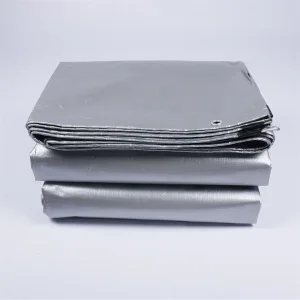
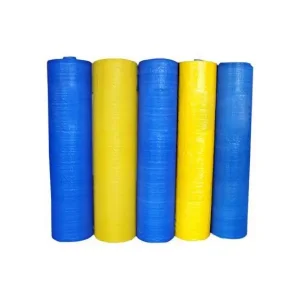
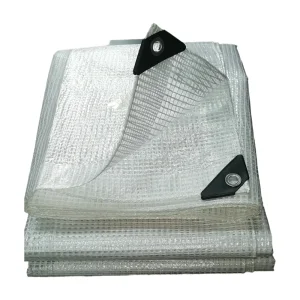
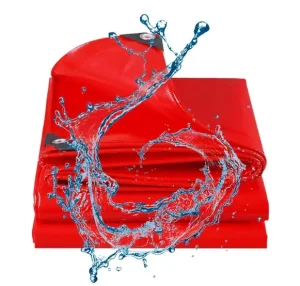
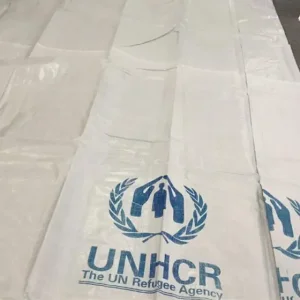
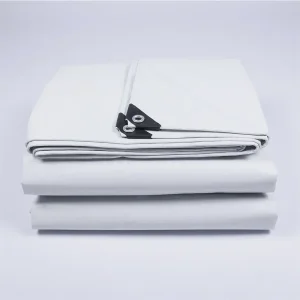
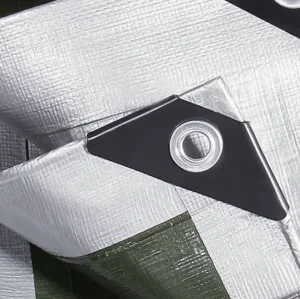
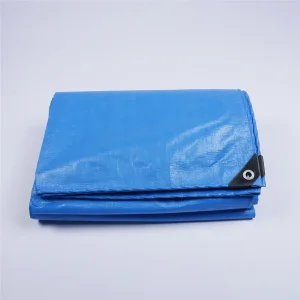
How advanced polymer formulations, structural tensile engineering, and climate-matched masterbatches eliminate cargo spoilage and degradation across global transit corridors.
Global agricultural supply chains lose an estimated 14% to 22% of harvested yields prior to market delivery due to inadequate climate protection during open-field storage and transit. Heavy-duty polyolefin tarpaulins serve as the first line of defense.
By controlling the Moisture Vapor Transmission Rate (MVTR) and incorporating micro-perforated breathable layers or total hydrostatic barriers (>10,000mm H2O), our textiles prevent condensation buildup (sweating), mold spore proliferation, and premature grain fermentation in trans-regional haulage.
Flatbed trucking, intermodal container chassis, and agricultural trailers experience extreme dynamic drag and mechanical stress at highway speeds (80-110 km/h). Standard low-denier covers suffer from stress-crack fatigue and eyelet tear-out.
Our transportation-grade PE/PVC fabrics utilize 1000D×1000D high-tenacity polyester matrixes or heavy-density woven HDPE tapes (up to 14×14 mesh count), reinforced with ultrasonic corner patches and cold-drawn aluminum/brass grommets capable of withstanding lateral pull forces exceeding 850 N.
Technical baseline data derived from internal laboratory trials (ISO 13934-1 / ASTM D751 standards) for enterprise sourcing decisions:
| Polymer Substrate | GSM Range | Tensile Strength (Warp/Weft) | Hydrostatic Resistance | UV Lifespan Baseline | Optimal Agri-Transport Application |
|---|---|---|---|---|---|
| Virgin HDPE Coated PE | 60 - 300 GSM | 800 N / 950 N per 5cm | > 12,000 mm H2O | 3 - 5 Years (with 5% HALS) | Hay covers, grain drying, grain truck covers, emergency shelter |
| High-Tenacity PP Fabric | 100 - 270 GSM | 1100 N / 1250 N per 5cm | > 8,000 mm H2O | 2 - 4 Years (UV stabilized) | Weed barrier, heavy harvest liners, soil stabilization |
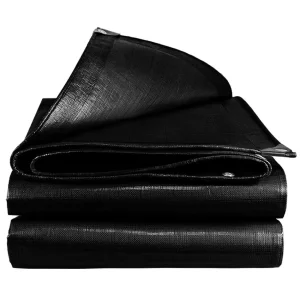
| Industrial PVC Coated Canvas | 450 - 900 GSM | 2200 N / 2500 N per 5cm | > 25,000 mm H2O | 5 - 10 Years (Extreme grade) | Long-haul trailer curtains, bio-gas covers, heavy equipment protection |
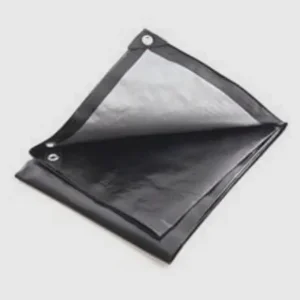
| Double-Silver Thermal PE | 120 - 250 GSM | 950 N / 1050 N per 5cm | > 15,000 mm H2O | 4 - 6 Years (Heat Reflective) | Cold-chain staging, livestock shade, solar-sensitive produce transport |
Operating from our 30,000 m² automated production facility in Linyi, Shandong, we control every step from polymer granule extrusion to final ultrasonic edge sealing.
High-density polyethylene (HDPE) resins are blended with Hindered Amine Light Stabilizers (HALS, such as Tinuvin 770 / Chimassorb 944) and masterbatch pigments. Continuous water-bath quenching ensures uniform tape denier (500D - 1500D) with tensile elongation controlled within ±3% variance.
Utilizing state-of-the-art circular looms and water-jet flat looms, flat yarn tapes are woven into dense structural mesh (8×8, 10×10, 12×12, 14×14 strands per inch). Automated tension control devices prevent yarn breakage and guarantee zero weave defects over long production runs.
Low-density polyethylene (LDPE) is melted and co-extruded onto both sides of the woven substrate at temperatures exceeding 280°C. This creates a monolithic micro-thin film coating that permanently locks the structural weave while providing complete waterproofing and resistance to chemical leaching.
Engineered specifications tailored to localized climate stresses, trade compliance regimes, and specialized agricultural logistics demands.
In environments experiencing solar irradiance levels exceeding 2,200 kWh/m² annually and ambient temperatures up to 50°C, ordinary plastic tarpaulins embrittle within months. Our customized Middle East formulation incorporates 5% UV Masterbatch addition alongside dual-silver light-reflective pigments, reducing surface temperatures under harvest covers by up to 12°C.
Commercial fleets and agricultural distributors in North America and Western Europe demand compliance with REACH SVHC (Substances of Very High Concern) and RoHS heavy-metal restrictions. Our export production lines utilize strictly virgin polymers free from recycled contaminants, heavy-metal stabilizers, or toxic phthalates, enabling seamless entry into commercial retail networks and industrial tenders.
During intense equatorial monsoons, agricultural products like coffee beans, soybeans, and palm meal require continuous protection from driving horizontal rain and high atmospheric humidity. Our high-density grid-reinforced tarpaulins feature hermetically hot-melt welded lap seams that eliminate stitch-hole leakage, maintaining an absolute hydro-seal under prolonged downpours.
Pioneering sustainable, intelligent, and extreme-performance protective barrier technologies for tomorrow's smart agri-logistics ecosystem.
In response to global carbon neutrality directives, our R&D team is actively engineering high-tensile tarpaulins incorporating post-consumer recycled (PCR) polyolefins and bio-based PE synthesized from sugarcane ethanol. By matching the mechanical performance of 100% virgin polymer while reducing Scope 3 emissions by up to 40%, we empower commercial partners to meet strict ESG targets.
Future transportation tarpaulins will feature embedded low-power flexible RFID sensors and micro-printed conductive tracks directly integrated during the lamination process. These smart covers enable fleet management systems to remotely monitor real-time cover integrity, internal temperature, moisture ingress, and cargo tamper status throughout multi-modal container transits.
For specialized military logistics, temporary grain silos, and commercial warehousing, we are scaling non-halogenated flame retardant coatings that achieve compliance with DIN 4102 B1 and NFPA 701 standards. Concurrently, nano-silver antimicrobial additives prevent fungal decay when tarps remain in direct contact with organic biomass for extended seasons.
Addressing micro-punctures caused by sharp agricultural equipment or jagged cargo edges, our advanced lamination line is testing co-extruded elastomeric sub-layers. These self-healing micro-layers swell upon contact with atmospheric moisture, automatically sealing minor punctures under 1.5mm to maintain water resistance without manual field repair.
Direct engineering clarity regarding specifications, custom fabrication, containerized shipping logistics, and quality assurance protocols.
Selection depends primarily on fabric GSM (grams per square meter), denier count, weave density, and UV additive concentration. Short-term garden or light covers typically range from 60 to 90 GSM (using an 8×8 mesh). Commercial grain transportation and heavy equipment storage require a minimum of 180 to 300 GSM PE (or 500-900 GSM PVC coated fabric) with a 12×12 or 14×14 high-density weave, reinforced rope hems, corner patches, and a minimum 3% HALS UV masterbatch dosage to withstand high dynamic wind drag and severe outdoor degradation.
We blend Hindered Amine Light Stabilizers (HALS Tinuvin 770 / Chimassorb 944) directly into the molten HDPE polymer during yarn extrusion, rather than relying solely on surface coatings. For Middle Eastern, African, and Australian export orders, we increase masterbatch concentrations to 3%-5% by weight. Laboratory accelerated weathering testing (ASTM G154 UV chamber) confirms retention of >80% original tensile strength after 3,000 hours of continuous high-intensity UV exposure.
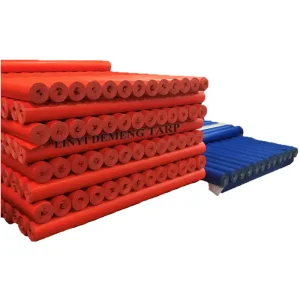
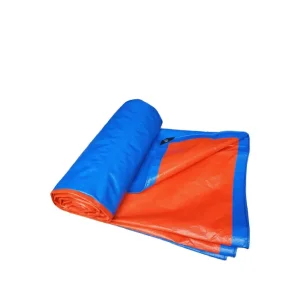
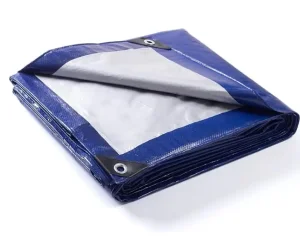
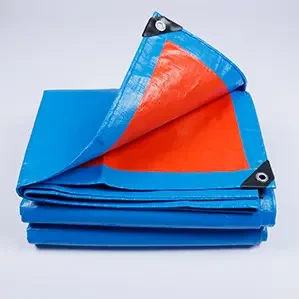
For standard stocked specifications and color combinations (e.g., Blue/White, Silver/Green), MOQ starts from a mixed 20ft container load. Custom colors, customer-specific logo printing, special GSM, and custom size fabrication carry a minimum order quantity of 3 metric tons per specification. Standard production lead times run between 15 and 25 calendar days following artwork confirmation and pre-production sample sign-off.
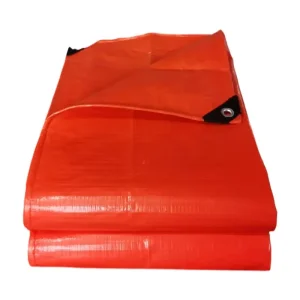
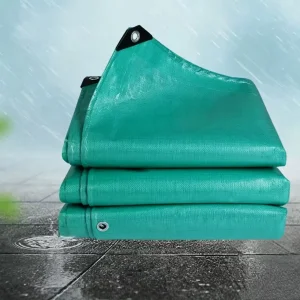
Every finished tarpaulin sheet features a continuous PP rope embedded inside a double-folded heat-sealed hem along the entire perimeter. Corners—which experience the highest mechanical tension during tie-down—are fortified with solid molded polypropylene plastic corner patches sonic-welded through the fabric. Heavy-duty rustproof aluminum or solid brass eyelets are mechanically punched at standard 50cm or 100cm intervals with pull-out resistance exceeding 650 N.
Yes, absolutely. We regularly host third-party inspection agencies appointed by global importers, including SGS, Bureau Veritas (BV), TÜV Rheinland, and Intertek. Inspectors are provided full access to perform random AQL sampling, dimensional checks, GSM weight verification, hydrostatic head pressure tests, eyelet pull testing, and carton/bale count audits prior to container sealing.
Explore our complete range of heavy-duty, UV-stabilized poly tarps, woven rolls, layflat irrigation hoses, and protective mesh covers.
Connect directly with our senior polymer engineering team in Linyi, Shandong for container load optimization, technical specification drafting, and rapid pre-production sampling.