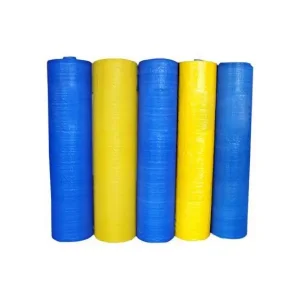
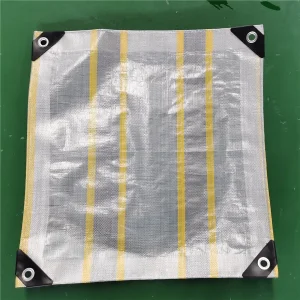
Explore factory-direct wholesale tarpaulins engineered for severe environmental exposure, outdoor carports, agricultural coverage, and residential backyard shade structures.
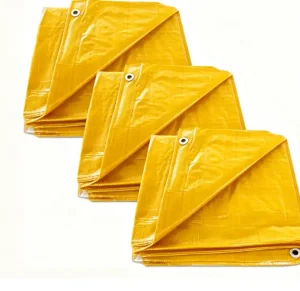
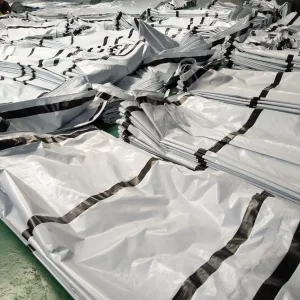
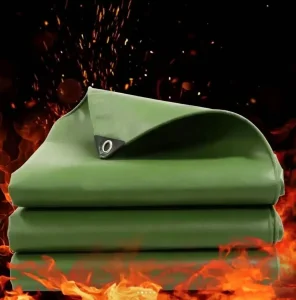
An authoritative analysis of polymer weaving technologies, thermal lamination science, and industrial supply chain integration in Shandong’s primary manufacturing clusters.
The global demand for high-performance outdoor protective textiles, specifically Backyard Tarp Shade sails, PE (Polyethylene) tarpaulins, and heavy-duty PVC membranes, has undergone a fundamental shift. Modern commercial buyers, commercial landscapers, and global procurement houses no longer view outdoor tarps as disposable short-term commodities. Instead, market growth is driven by demand for engineered textiles capable of resisting extreme solar radiation, micro-climatic degradation, mechanical shear stresses, and water penetration over multi-year lifecycles.
As the undisputed manufacturing hub for global synthetic textiles, China—and specifically the industrial manufacturing cluster in Linyi, Shandong Province—houses the world's most sophisticated vertical manufacturing infrastructure for woven poly-plastics. Leading Chinese factories, such as Linyi Xinshengyang Plastic Products Co., Ltd. (Star Tarpaulins), combine high-denier tape extrusion, multi-shuttle circular loom weaving, high-temperature double-sided LDPE lamination, and automated peripheral fabrication within unified mega-facilities spanning over 30,000 square meters.
To accurately capture user intent across global B2B buyer queries—ranging from bulk procurement of "backyard shade tarp rolls" to custom-engineered "UV-resistant waterproof patio canopies"—it is vital to examine the specific technical variables buyers evaluate during factory selection:
How changing global weather patterns, DIY residential outdoor living expansion, and commercial logistics requirements are expanding the operational scope for Chinese tarp factories.
With global solar UV indices rising, commercial buyers in North America, Australia, and the Middle East demand verified UV block factors (up to 98% UV radiation blockage). Chinese manufacturers are responding with custom additive masterbatch recipes that pass accelerated weathering testing under ASTM G154 and ISO 4892-3 standards.
The transformation of residential backyards into multi-functional living spaces has led to massive demand for aesthetic, dual-color, and heavy-duty shade sails. Products like Double-Green, Silver/Black, and Yellow/Silver laminated PE tarps allow homeowners to create insulated, waterproof, and shade-optimized micro-environments over patios, decks, and vehicle carports.
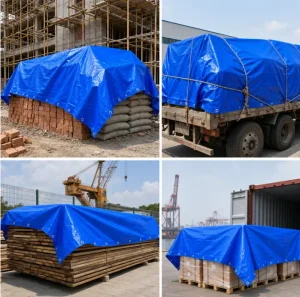
Heavy industrial logistics networks require rugged truck side curtains, lumber tarps, and container liners that withstand continuous mechanical flex and highway wind sheer. High-density 200–300 GSM PE tarps and 500–900 GSM knife-coated PVC materials serve as vital shielding against rain, snow, and road debris.
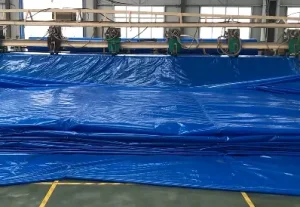
Inside the fully integrated production lines of Linyi's premier plastic tarpaulin manufacturers: From raw polymer melt to final container loading.
The core strategic advantage of sourcing Backyard Tarp Shade products directly from established Chinese factories lies in full vertical integration. Unlike intermediate converters who source raw grey fabric and outsource coating processes, top-tier factories like Linyi Xinshengyang manage every phase of polymer synthesis and mechanical fabrication under one roof.
100% virgin High-Density Polyethylene (HDPE) pellets are blended with custom UV color masterbatch and fed into water-cooled flat yarn extrusion lines. High-draw orientation processes yield flat tapes with tensile strength exceeding 7.5 cN/dtex, guaranteeing structural stability.
Automated high-speed circular looms weave the tapes into dense mesh matrix fabrics (600D to 1200D). Continuous monitoring sensor arrays automatically stop looms upon yarn snap detection, eliminating structural weave defects across thousands of running meters.
The grey woven mesh passes through tandem extrusion coaters where molten Low-Density Polyethylene (LDPE) is applied under immense thermal pressure to both sides simultaneously. This forms a seamless, 100% waterproof barrier sheet that will not delaminate under thermal cycling.
Understanding exact engineering metrics empowers global sourcing specialists to choose the appropriate tarpaulin specification for their specific climate and end-use application:
| Tarpaulin Grade Class | GSM Range (g/m²) | Mesh Density | Hydrostatic Head Rating | Recommended Application Scenarios |
|---|---|---|---|---|
| Lightweight Utility | 60 – 90 GSM | 8 × 8 Mesh | > 6,000 mm H₂O | Short-term camping groundsheets, temporary dust covers, agricultural crop collection. |
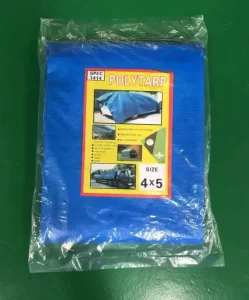
| Standard Retail / DIY | 100 – 140 GSM | 10 × 10 Mesh | > 10,000 mm H₂O | Backyard lawn furniture covering, vehicle protection, patio shade, hardware store retail packs. |
| Heavy-Duty Commercial | 150 – 220 GSM | 12 × 12 Mesh | > 15,000 mm H₂O | Scaffolding enclosures, long-term hay bale covers, heavy construction site weather barrier. |
| Industrial / Cargo Grade | 230 – 300+ GSM (PE) / 500-900 GSM (PVC) | 14 × 14 Mesh (PE) / 1000D (PVC) | > 25,000 mm H₂O | Long-haul freight truck side curtains, permanent architectural backyard shade structures, disaster shelters. |
From suburban backyards to rugged industrial mining sites—dissecting functional deployment requirements across diverse global environments.
In residential suburban applications across North America and Europe, Backyard Tarp Shade fabrics are suspended between pergolas, posts, or house eaves. Incorporating 3–5% UV HALS additives ensures the vibrant colors (such as royal blue, forest green, or double silver) resist atmospheric fading while dropping ambient micro-climate temperatures beneath the shade by up to 8°C–12°C.
In agricultural regions across Australia, South America, and Africa, specialized grain-drying tarpaulins and heavy-duty silage covers protect harvested yield from sudden downpours and soil moisture wick. Double-sided black/silver lamination prevents thermal buildup inside grain piles while repelling fungal rot.
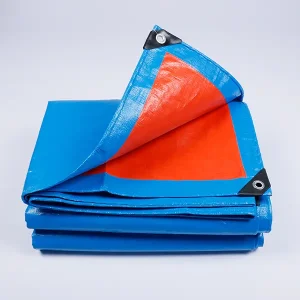
High-rise construction sites require flame-retardant (B1/M2 certified) and high-visibility tarpaulins (such as Blue/Orange or Warning Yellow). These function as scaffolding containment nets, windbreaks, and wet concrete curing covers, maintaining internal curing moisture levels over critical structural drying windows.
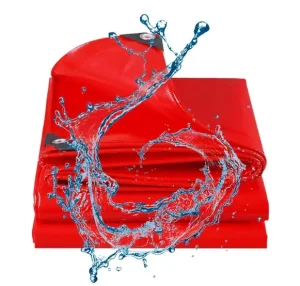
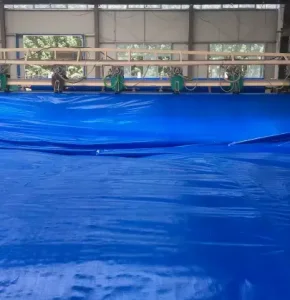
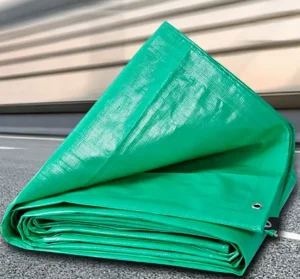
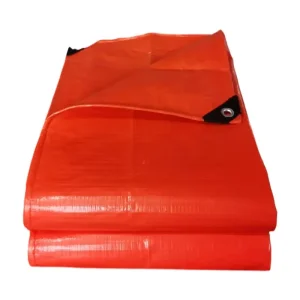
Customizable colors, GSM weights, eyelet spacings, and pre-packaged retail options available directly from our Shandong production base.
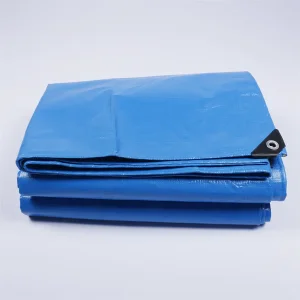
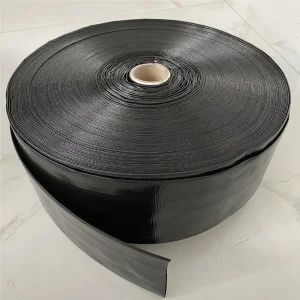
Technical expertise provided by our senior polymer engineers and international sales directors to assist buyers during RFQ evaluation.
Request technical specification sheets, factory audit reports, and direct OEM quotation calculations within 24 business hours.