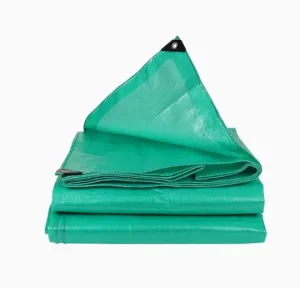
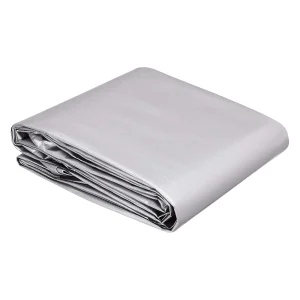
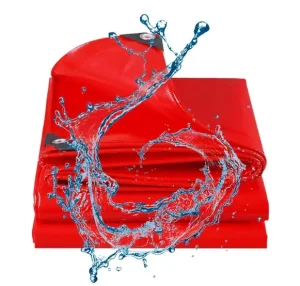
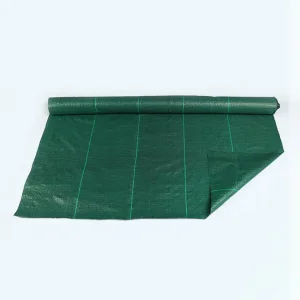
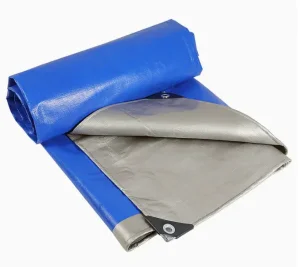
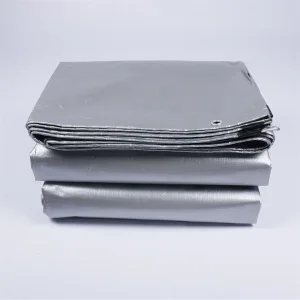
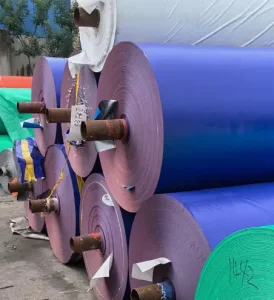
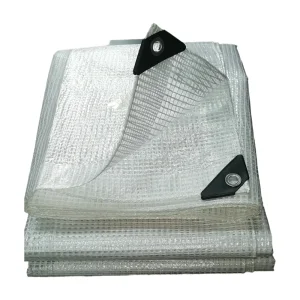
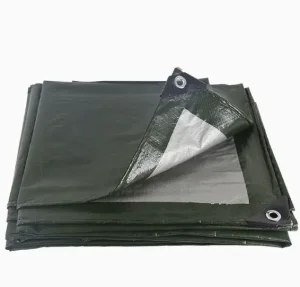
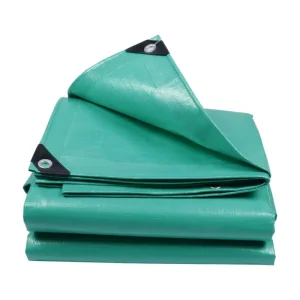
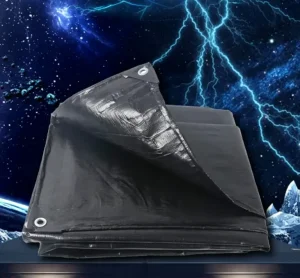
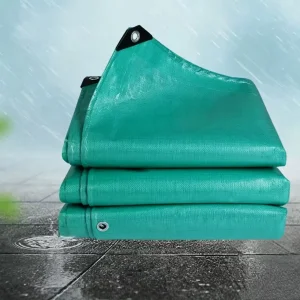
Direct factory supply featuring high-density weave patterns, UV-stabilized coatings, and industrial-grade tension thresholds for global commerce.
The international industrial protective covers market has experienced a profound technical shift. Historically dominated by heavy organic cotton canvas, the global market modernizes through engineered synthetic canvas blends and multi-layer poly-tarpaulins.
Modern commercial supply chains require materials that withstand extreme mechanical stress, intense thermal exposure, chemical degradation, and prolonged atmospheric weathering. Heavy-duty tarpaulins serve as foundational infrastructure protection across global transport networks, civil engineering projects, maritime logistics, and high-yield agricultural ecosystems.
"The definition of 'canvas' has evolved beyond cotton duck fabric. Today's commercial procurement managers specify high-tenacity woven poly-canvas (PE, PP, and PVC knife-coated matrices) that offer 3x higher tear strength, complete hydrostatic impermeability, and lower total cost of ownership."
Traditional heavy cotton canvas retains moisture, adds unnecessary dead weight when wet, and remains susceptible to biological rotting and mildew. High-tenacity Polyethylene (PE), Polypropylene (PP), and Polyvinyl Chloride (PVC) industrial canvas derivatives eliminate these failure modes through engineered polymers:
Understanding the mechanical difference between PE woven substrates, PP mesh, and PVC coated industrial tarpaulins ensures targeted procurement decisions.
| Specification Metric | High-Density PE (HDPE/LDPE) | Woven Polypropylene (PP) | PVC Coated Industrial Canvas |
|---|---|---|---|
| Typical Weight Range (GSM) | 60 - 300 GSM | 70 - 250 GSM | 400 - 900 GSM |
| Tensile Strength (Warp/Weft) | 800 - 1500 N / 5cm | 900 - 1800 N / 5cm | 2200 - 4000 N / 5cm |
| Hydrostatic Pressure Tolerance | > 50 kPa (Double Coated) | > 40 kPa | > 150 kPa (Waterproof Impermeable) |
| Thermal Stability Range | -40°C to +80°C | -20°C to +90°C | -30°C to +70°C (Flame Retardant) |
| UV Degradation Resistance | 3-5% HALS Masterbatch (3-5 Yrs) | Standard UV Additive (1-2 Yrs) | PVDF Coating Treated (5-10 Yrs) |
| Primary B2B Application | Scaffolding, Agriculture, Cargo | Weed Barrier, Ground Mesh, Bags | Truck Side Curtains, Architecture |
Virginal HDPE resin pellets are extruded into high-tenacity micro-tapes. These tapes undergo orientation stretching to align polymer chains, dramatically augmenting warp and weft tensile capabilities before circular weaving.
High-pressure LDPE molten film extrusion laminates both sides of the woven grid. This molten bond eliminates micro-pinholes, delivering reliable water impermeability under static pressure head tests.
Additive masterbatches comply with global regulatory benchmarks: DIN 4102 B1/B2, NFPA 701, REACH, and RoHS compliance for toxicological safety during heavy industrial handling.
China’s dominance in industrial tarpaulin manufacturing—centered in Shandong hubs such as Linyi—stems from raw material integration, high-speed automated weaving, and vertical supply chain consolidation.
Unlike global assembly convertors who source base woven fabric from third-party vendors, leading Chinese factories manage the complete production sequence under one 30,000+ m² facility:
This vertical alignment ensures micro-tolerance control over GSM variance (held within ±2%), zero lot-to-lot color deviation, and total quality traceability.
Localized access to massive petrochemical clusters (Sinopec, PetroChina petrochemical networks) provides direct access to high-grade virgin resin without intermediary markup.
Result for B2B Importers: High throughput efficiency yields a 15–25% reduction in production costs compared to regional converters, alongside compressed lead times of 15–25 days for custom FCL shipments.
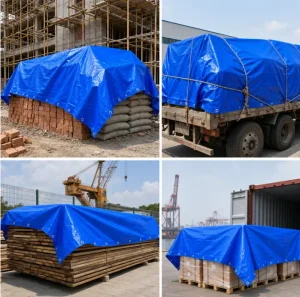
Heavy-duty canvas tarpaulins are specified across diverse operational environments worldwide, requiring tailored material attributes.
Region: North America, Europe, Australia.
Engineering Specs: 600–900 GSM PVC coated canvas or 250+ GSM heavy PE. Reinforced welded seams, brass grommets spaced at 50cm pitch, and high abrasion resistance to counter aerodynamic friction at highway speeds.
Region: Global Urban Centers.
Engineering Specs: 120–200 GSM flame-retardant (DIN 4102 B1) PE scaffolding tarps with reinforced corner patches. Protects work sites from wind loads, debris drop, and moisture ingress during concrete curing.
Region: Middle East, Africa, Latin America.
Engineering Specs: 150–260 GSM PE/PP grain stack covers and weed barriers. Specially formulated with 5% UV stabilizer dosage to resist thermal cracking under solar radiation exceeding 200 kLy/year.
Commercial buyers and tenders require objective verification criteria when auditing factory proposals. Ensure your Request for Quotation (RFQ) includes the following technical parameters:
Regulatory pressure and circular economy imperatives drive continuous research and development across Chinese manufacturing hubs.
Transitioning from mixed polymer structures to 100% Polyethylene mono-material designs (HDPE base fabric + LDPE coating + PE rope). Mono-materials allow direct mechanical recycling into resin pellets without costly chemical separation.
Adoption of bio-based plasticizers (derived from soybean and castor oils) in heavy PVC knife-coating formulations, eliminating hazardous REACH SVHC phthalate compounds for European market compliance.
Double silver and titanium white infrared-reflective coatings reduce surface heat absorption by up to 15°C, protecting heat-sensitive agricultural stockpiles and reducing cold-storage cooling demand.
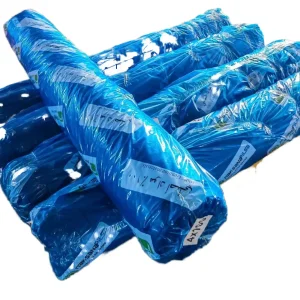
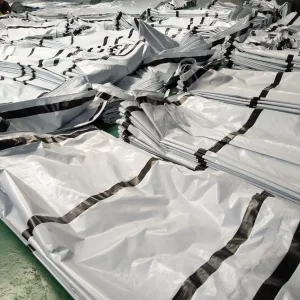
High-specification rolls, flame-retardant covers, and high-visibility industrial sheets produced for worldwide export.
Clear, engineer-backed answers to essential technical, commercial, and logistics queries for international tarpaulin sourcing.