Factory-direct coated tarp rolls and fabricated sheets engineered for rigorous flame retardancy, UV stability, and 100% waterproof protection.
A comprehensive engineering analysis on polymer flame retardancy, chemical additives, melt-drip prevention, and international regulatory dynamics for procurement officers.
Polyethylene (PE) and Polypropylene (PP) are inherently combustible hydrocarbons with high heat release rates. Achieving true fire-resistant status (FR) requires chemical intervention during polymer extrusion and lamination. China's leading tarpaulin factories utilize two primary chemical mechanisms: Vapor Phase Inhibition and Endothermic Char Formation.
By incorporating Halogen-Free Flame Retardants (HFFR) such as ammonium polyphosphate (APP) synergized with pentaerythritol (PER) or reactive organophosphorus compounds, the tarp self-extinguishes upon removal of the ignition source. When exposed to open flames, an intumescent char layer expands over the woven base layer, blocking thermal transfer and oxygen access to the underlying structural virgin resins.
The Limiting Oxygen Index (LOI) measures the minimum concentration of oxygen required to support candle-like combustion. Standard PE tarpaulins possess an LOI of roughly 17-18%, allowing rapid combustion in normal ambient air (21% O2). China fire resistant tarp suppliers engineered high-performance formulas raising the LOI to ≥32%.
Furthermore, in critical scaffolding, mining, and military applications, molten plastic drips present severe burn hazards and spread fire downward. Modern FR tarps integrate anti-dripping agents (such as PTFE micropowders) that prevent flaming droplets during thermal degradation, directly satisfying strict European (EN 13501-1 Class B-s1, d0) safety mandates.
From offshore oil platforms to urban mega-construction, strict fire safety codes are transforming fire-resistant tarps from optional safeguards into legally mandated equipment.
High-density metropolitan scaffolding enclosures mandate fire-retardant debris netting and solid tarpaulins. Standard covers risk cataclysmic vertical flame propagation if sparks from hot work, welding, or electrical faults ignite the sheeting. Specifying NFPA 701 Method 1 certified tarps prevents site shut-downs and complies with OSHA regulations in North America and Western Europe.
Marine environments combine intense weather, airborne saltwater, and highly flammable volatile hydrocarbons. Maintenance enclosures on oil rigs, drydocks, and chemical refineries demand heavy-duty PVC or PE fire-resistant tarps with high UV resistance (3-5% UV masterbatch) and flame self-extinction under 2 seconds according to IMO Resolution MSC.307(88) FTP codes.
Customs bonded warehouses, hazardous chemical transit hubs, and military supply depots deploy flame-resistant tarps to isolate combustible inventories. In the event of an external localized thermal incident, fire retardant covers contain sparks, preventing cross-containment ignition and shielding multi-million dollar freight assets.
Engineered options engineered to meet environmental challenges across varied operational climates globally.
In extreme cold climates such as Northern Canada, Scandinavia, and Siberia, standard fire-resistant coatings embrittle and crack when flexed at temperatures below -20°C. China direct manufacturers formulate specialized plasticized PE/PVC blends incorporating low-temperature flexibilizers (such as DOA/DOS plasticizers combined with ATH flame retardants). This enables tarps to remain pliable down to -40°C while maintaining self-extinguishing flame protection for temporary mine shelters, heavy equipment covers, and heating enclosures.
In the Middle East, North Africa, and Australia, intense solar ultraviolet radiation degrades polymer chains rapidly, releasing free radicals that compromise flame-retardant additives. China's top factories resolve this by adding Hindered Amine Light Stabilizers (HALS) alongside titanium dioxide silver-reflectance layers. This dual-action shielding reflects infrared thermal radiation to cool dry agricultural harvests while suppressing UV-induced polymer cleavage for 3-5 years of continuous desert exposure.
How next-generation material science is driving sustainable, non-toxic, and high-tenacity flame-retardant membrane manufacturing in China.
Historically dominated by DecaBDE and brominated organic compounds. Effective flame inhibition but phased out globally under REACH and Stockholm Conventions due to persistent bioaccumulation, toxic smoke creation, and severe environmental impact during thermal incineration.
The dominant industry baseline produced by Linyi factories. Utilizes Aluminum Trihydrate (ATH), Magnesium Hydroxide (MDH), and Intumescent Phosphorus-Nitrogen systems. Delivers low smoke density, zero halogen toxicity, and reliable compliance with NFPA 701 and DIN 4102 B1.
Emerging research focuses on incorporating nano-clays, graphene oxide, and bio-based lignin flame retardants. These molecular-level additives enhance mechanical tear strength by up to 40% while achieving flame extinction at 50% lower chemical loading rates, maximizing recyclability.
Why sourcing fire-resistant tarpaulins directly from Linyi's integrated industrial cluster offers unmatchable quality control, speed, and cost performance.
Linyi Xinshengyang Plastic Products Co., Ltd. controls the complete production chain within a single 30,000 m² facility. From raw virgin HDPE resin compounding, high-tenacity yarn drawing, circular jet-loom weaving, to dual-side extrusion coating and thermal edge welding, eliminating sub-contractor delays and margin markups.
Operating tens of continuous water-jet and circular looms alongside automated double-side lamination plants enables seamless fulfillment of enterprise procurement orders. Standard 20ft/40ft containerized orders are manufactured, quality checked, and cleared for dispatch within 15-25 days.
Every batch undergoes stringent laboratory testing prior to roll rewinding or sheet conversion. Quality checks include hydrostatic head testing (>250 kPa water pressure resistance), vertical flame burner tests (ASTM D6413 / NFPA 701), tensile strip testing (ASTM D5034), and eyelet pull-out resistance verification.
Simplifying cross-border trade with multi-regional compliance verification and complete OEM/ODM engineering customization.
| Standard / Code | Target Region | Testing Methodology | Required Fire Performance |
|---|---|---|---|
| NFPA 701 (Method 1 & 2) | United States / Canada | Vertical flammability test of fabric suspended in closed chamber exposed to flame for 45s. | Char length < 6.5 inches; flaming residue on floor must extinguish within 2 seconds. |
| DIN 4102-1 Class B1 | Germany / European Union | Brandschacht test evaluating heat release, smoke density, and flame spread height. | Hardly flammable material; structural integrity maintained without severe melt-drip. |
| EN 13501-1 (Class B-s1, d0) | European Union (CE Marking) | Single Burning Item (SBI) test according to EN 13823 and ISO 11925-2 flame attack. | No lateral flame spread; s1 minimal smoke production; d0 zero flaming droplets/particles. |
| CPAI-84 | Global Camping / Outdoor | Flame resistance specification for canvas and synthetic material used in camping tents. | Self-extinction within specified burn time after direct contact with propane flame. |
| BS 7837 | United Kingdom | Assessment of flammability of textile fabrics for curtains, drapes, and marquee structures. | Flames must not reach top edge of test specimen; zero burning debris permitted. |
Fabricated tarpaulins are tailored to exact project blueprints. Aluminum, brass, or stainless steel eyelets can be set at 30cm, 50cm, or 100cm pitch along heat-sealed, rope-reinforced perimeter hems.
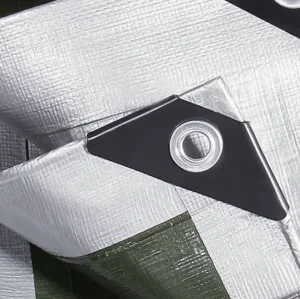
High-stress corners are reinforced with molded plastic triangular patches or multi-layer webbed corner pads, preventing grommets from ripping during high-wind gale forces.
Full OEM flexibility including multi-color continuous logo surface printing, custom barcode inserts, retail display polybags, and heavy-duty bale or carton bulk export packaging.
Clear, authoritative technical responses to common questions raised by procurement managers, safety officers, and wholesale importers.
A waterproof tarpaulin prevents liquid water penetration via double-sided polyethylene or PVC lamination, but standard formulations remain highly combustible. A Fire Resistant Tarp combines 100% hydrostatic water repellency with specialized flame-retardant chemical additives (such as ATH or halogen-free organophosphorus) embedded directly inside the resin coatings. When exposed to an open flame, an FR tarp self-extinguishes within seconds, whereas a standard waterproof tarp will burn continuously and melt.
GSM selection depends on structural exposure and stress requirements:
• 90 - 140 GSM: Lightweight scaffolding enclosures, temporary rain screens, and short-term site covers.
• 150 - 220 GSM: Medium-duty construction sheeting, equipment covers, and agricultural grain protection.
• 240 - 350 GSM: Heavy-duty PE/PP industrial tarps, long-term outdoor storage, and high-wind scaffolding netting.
• 450 - 900 GSM: Heavyweight PVC coated architectural membranes, truck side curtains, and permanent shelter structures.
If formulated incorrectly, high filler loadings of mineral flame retardants can impair polymer tensile elongation. However, our engineered formulations compensate by combining high-tenacity virgin polymer chains with UV-stabilized Hindered Amine Light Stabilizers (HALS). This synergistic chemical matrix preserves tensile tear strength (over 1200 N/5cm) while delivering both long-term UV resistance and flame extinction compliance.
We supply official test reports issued by accredited third-party international testing agencies (such as SGS, Intertek, or TÜV Rheinland) verifying compliance with NFPA 701, DIN 4102 B1, CPAI-84, or EN 13501-1 standards upon request. Additionally, every shipment includes factory Certificate of Analysis (COA) documents covering fabric weight, tensile strength, and flame burn times.
For standard stocked fabric specifications and colors, MOQ starts from 1x20ft container (mixable specifications). For specialized flame-retardant custom colors, precise weight requirements, or custom logo printing, the standard MOQ is 3 tons per specification. Regular mass production lead time is 15-25 days following pre-production sample approval.
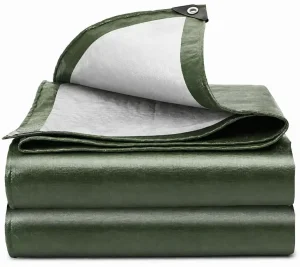
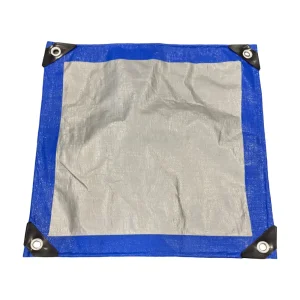
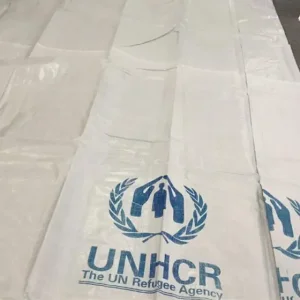
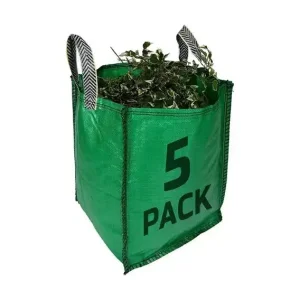
Explore our extended line of specialized industrial tarps, ground landscape fabrics, and agricultural covers direct from Linyi, China.

Partner with Linyi's leading polymer tarpaulin manufacturer. Speak directly with our export engineering team for customized flame retardant formulations, container loading calculations, and factory-direct pricing.