High-density engineered covers optimized for extreme outdoor weathering, heavy haulage transport, and industrial shelter applications.
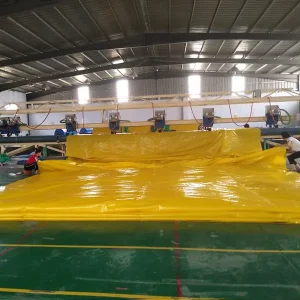
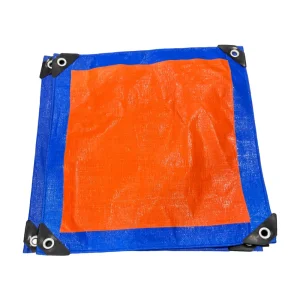
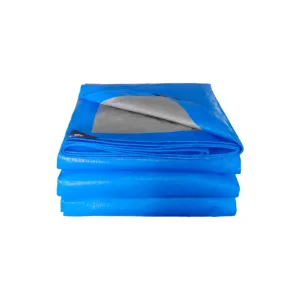
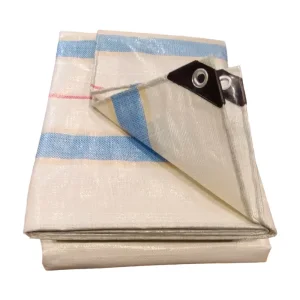
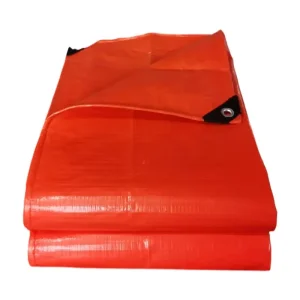
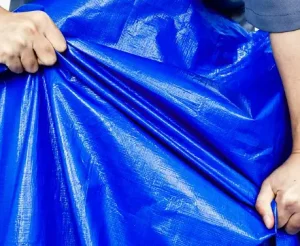
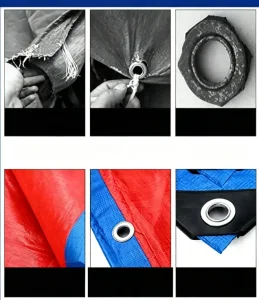
In the global supply chain, heavy-duty industrial tarpaulins serve as critical infrastructure components across transportation, agriculture, civil construction, mining, and military logistics. The market demand for specialized heavy-duty tarpaulins has shifted significantly over the past decade. Traditional organic cotton duck canvas, while prized for its breathability and natural abrasion resistance, is increasingly complemented and transformed by modern synthetic formulations including heavy-gauge Polyethylene (PE), high-density Polypropylene (PP), and knife-coated Polyvinyl Chloride (PVC) industrial fabrics.
Industrial specifiers today require protective textiles that deliver ultra-high tensile strength, severe UV degradation resistance, zero water permeability under hydrostatic stress, and extreme temperature resilience ranging from sub-zero Arctic conditions (-40°C) to scorching desert environments (+70°C). Sourcing high-grade canvas and synthetic tarpaulins direct from qualified China heavy duty canvas tarpaulin manufacturers provides international buyers with a profound strategic advantage—combining cost efficiency, rapid scaling, and advanced raw material formulation.
Selecting the optimal heavy-duty tarpaulin material requires an in-depth understanding of material physics, mechanical stress resistance, and environmental vulnerability. A direct comparison between treated heavy-duty cotton canvas, heavy-grade PE woven fabrics, and PVC coated industrial tarps highlights distinct performance envelopes suited for different enterprise scenarios:
| Performance Parameter | Heavy Duty Cotton Canvas | High-Density PE Tarpaulin | Knife-Coated PVC Tarpaulin |
|---|---|---|---|
| Base Material Structure | 100% Woven Cotton Duck Yarn | HDPE Woven Scrim + LDPE Coating | High-Tenacity Polyester (1000D+) |
| Fabric Weight Range (GSM) | 350 GSM – 650 GSM (10oz – 20oz) | 120 GSM – 350 GSM | 450 GSM – 900+ GSM |
| Water Permeability | Water Resistant (Wax/Fluorocarbon Treated) | 100% Waterproof (Impermeable Barrier) | 100% Hydrostatic Sealed Waterproof |
| Breathability & Vapor Release | High (Prevents Under-Cover Condensation) | Zero (Requires Ventilation Vents) | Zero (Requires Structural Slits/Vents) |
| Tensile Strength (ISO 1421) | 1400 N / 1800 N per 5cm | 1200 N / 1500 N per 5cm | 2500 N / 3200 N per 5cm |
| UV Degradation Half-Life | High (Natural fiber + UV Inhibitors) | 3 – 5 Years (Dosed with 3-5% UV Masterbatch) | 5 – 10+ Years (Titanium Dioxide Stabilized) |
| Flame Retardancy Standard | CPAI-84 / NFPA 701 (Chemical Treated) | Optional FR Additive Package | Inherent B1 / M2 / CPAI-84 Compliant |
Uncoated cotton canvas suffers from cellulolytic fungal breakdown when stored damp. Modern Chinese factories overcome this by integrating dual-action microbicides and nano-wax emulsions directly into the yarn bath, increasing bio-rot resistance by 300% without sacrificing natural breathability.
Why Tier-1 Chinese manufacturing centers in Shandong, Zhejiang, and Jiangsu lead the world in heavy-duty textile extrusion, custom converting, and quality assurance.
From primary petrochemical synthesis and raw virgin resin blending to high-speed water-jet weaving and molten lamination—Chinese factories eliminate intermediary markups, guaranteeing precise GSM consistency and zero batch-to-batch variation.
Modern Chinese facilities utilize 4-meter to 6-meter ultra-wide lamination machines, ultrasonic seam welding units, and automated computer-controlled eyelet punching rows capable of outputting over 20,000 metric tons of finished tarpaulins annually.
Leading Chinese manufacturers adhere strictly to ISO 9001 quality management and ISO 14001 environmental frameworks. In-house testing labs verify hydrostatic head limits, tear propagation, and seam pull-out force before goods leave the warehouse.
Heavy-duty protective covers engineered by Chinese manufacturers are tailored for high-stress operational environments across diverse global geographies:
Over-the-road transport requires maximum tear resistance under continuous wind shear. Custom-fitted heavy-duty canvas lumber tarps, steel tarps, and side curtains utilize reinforced webbing straps, D-rings, and heavy brass eyelets that hold firm under highway drag forces exceeded 100 km/h.
Uncovered hay, grain reserves, and silage deteriorate rapidly when exposed to humidity and rainfall. Extra heavy-duty poly and breathable canvas covers (16-20 mil thickness) safeguard vast agricultural yields against rot, mold, and sunlight discoloration across North America, Europe, and Australia.
In harsh mining sites (such as South American copper mines or Australian iron ore operations), tarpaulins serve as ground liners, heap leach pads, scaffolding protection, and temporary aggregate covers exposed to jagged rock surfaces and intense UV irradiation.
Salt fog and high humidity accelerate material breakdown. Marine-grade canvas and PVC tarpaulins featuring rustproof stainless steel or solid brass grommets protect cargo containers, ship deck machinery, and dockside stockpiles from severe salt-spray corrosion.
Global procurement teams must evaluate key engineering specifications to prevent premature field failures. Below is the essential checklist for technical buyer specification:
The technical industrial textile market in China is rapidly advancing through R&D breakthroughs aimed at sustainability, durability, and smart integration:
Next-generation Chinese lamination plants are adopting bio-based plasticizers derived from plant oils, drastically lowering VOC emissions while maintaining flexible performance in sub-zero climates.
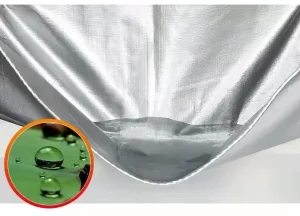
Integrating lotus-leaf-effect fluorocarbon nano-coatings onto woven canvas fabrics allows water droplets to bead instantly and roll off, self-cleaning dust and dirt particles automatically.
High-value industrial logistics covers now incorporate sealed micro-RFID tags and temperature/humidity sensors directly inside hem pockets for real-time cargo monitoring.
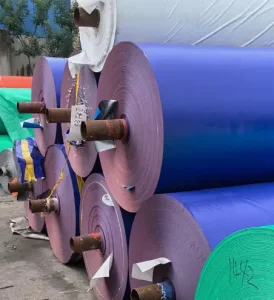
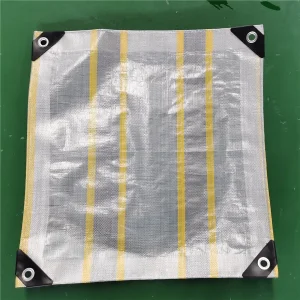
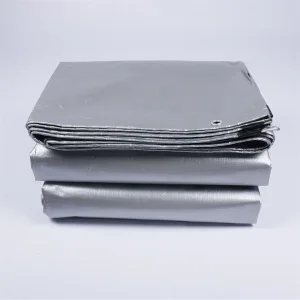
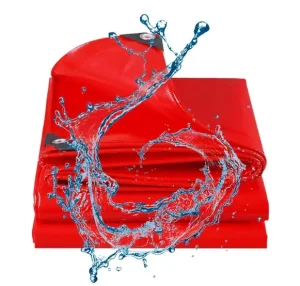
Factory-direct wholesale specifications available in cut-sheet sizes and continuous master rolls for international buyers.
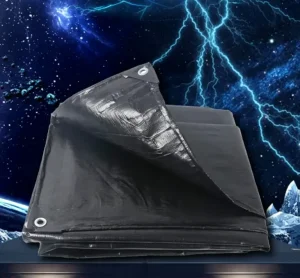
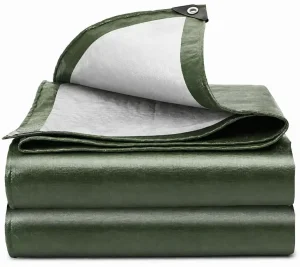
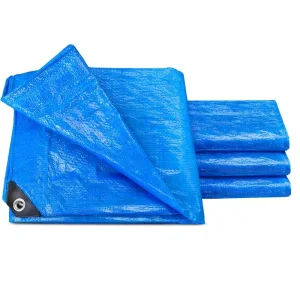
Expert responses compiled by factory technical directors to help buyers streamline specification and container ordering.
Cotton canvas tarps are woven from natural organic fibers that allow water vapor to escape. This breathability prevents sweat and moisture condensation underneath the cover, making canvas ideal for machinery, wood, and agricultural crops like hay. However, canvas is heavier when wet and relies on oil/wax treatments for water resistance. Poly (PE) tarps are synthetic, completely waterproof, lightweight, and chemically inert, making them the preferred choice for disaster relief, temporary roofing, and chemical storage, though they require ventilation in humid conditions.
Tier-1 Chinese manufacturers compound HALS (Hindered Amine Light Stabilizers) and UV-absorber masterbatches directly into the polymer matrix during tape extrusion at concentrations between 3% to 5% by weight. For extreme environments like the Middle East or Northern Australia, carbon black additives or titanium dioxide layers are added to absorb destructive UV radiation wavelength bands (290–400 nm), extending outdoor field service life to 3–5 years without material embrittlement.
For standard stocked specifications and color combinations, MOQ starts from one 20ft container (approx. 10 to 12 metric tons mixed items). For fully customized specifications involving tailored fabric GSM, specific color matching (Pantone/RAL), brand logo printing, or specialized eyelet configurations, the factory MOQ is typically 3 to 5 tons per specification. Standard production lead times range from 15 to 25 days following sample confirmation.
For synthetic PE and PVC tarpaulins, seams are fused using high-frequency thermal air welding systems operating at over 400°C under heavy pneumatic pressure rollers. This welds the polymer layers into a single homogeneous sheet with 100% water impermeability and seam strength equal to or greater than the parent material. For cotton canvas tarpaulins, dual-needle chain stitching with heavy-duty polyester-wrapped cotton thread and silicone seam sealant prevents water ingress through needle punctures.
Common benchmarks include ISO 1421 (tensile strength and elongation), ISO 4674 (tear resistance), ISO 811 (hydrostatic pressure resistance), ASTM D751 (standard test methods for coated fabrics), CPAI-84 or NFPA 701 (flame resistance), and ISO 4892-2 (accelerated xenon-arc weathering exposure testing).