Precision-engineered PE, PP, and composite heavy-duty tarpaulin materials for global luggage backing, industrial bags, structural covers, and outdoor equipment.
The global soft-side luggage, technical backpack, and industrial cargo container markets are undergoing a seismic material shift. As international commerce, outdoor recreation, and tactical freight logistics expand, the demand for high-durability, weather-resistant, and high-tensile fabric substrates has reached unprecedented levels. Modern bag fabric manufacturing is no longer restricted to traditional aesthetic weaving; it represents a convergence of high-polymer polymer extrusion, advanced surface lamination, tear-mitigation weaving techniques, and strict environmental compliance.
China stands at the absolute core of this international supply chain, accounting for over 65% of global technical textile and bag fabric output. Regional industrial clusters—most notably in Shandong (anchored by manufacturing hubs such as Linyi)—have evolved from basic weaving workshops into vertically integrated powerhouse clusters. Today, leading Chinese manufacturers control the entire value chain: from raw HDPE, PP, and Polyester resin compounding to high-speed tape drawing, water-jet weaving, double-sided lamination, ultrasonic seam sealing, and specialized post-treatment chemical coatings.
Information Gain Insight: Sourcing managers often confuse standard denier ratings (e.g., 600D, 1680D) with actual structural performance. In technical luggage, industrial utility bags, and transport sacks, performance is governed by the synergy between yarn polymer density, weave tightness (mesh count), lamination adhesion strength (N/50mm), and plasticizer stability under extreme UV or temperature fluctuations.
This comprehensive technical whitepaper details the structural dynamics, material science engineering, localized deployment scenarios, and macro supply-chain strategies governing high-performance luggage bag fabrics and technical industrial tarpaulins. Designed for OEM/ODM brand managers, procurement heads, and industrial designers, this report provides the technical framework necessary to select, test, and specify optimized textiles manufactured in China for demanding global markets.
Comparative structural analysis of primary synthetic textiles utilized across modern luggage, tactical packs, industrial gear bags, and specialized protective enclosures.
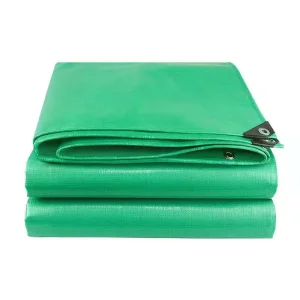
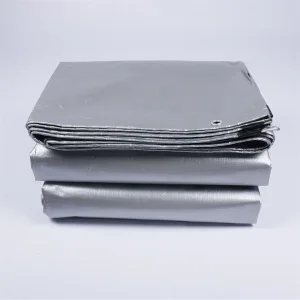
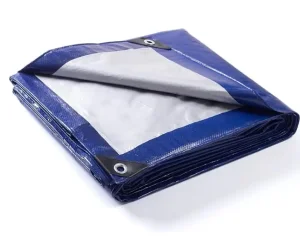
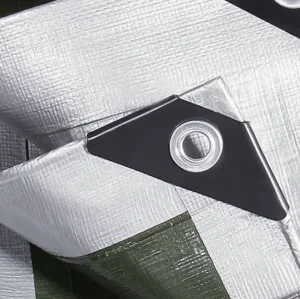
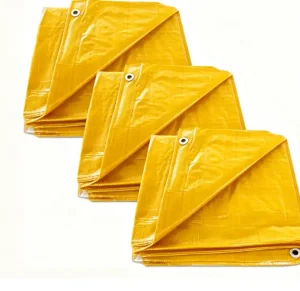
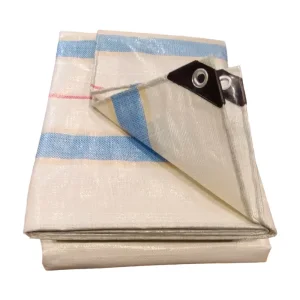
Engineered via oriented HDPE ribbon extrusion and LDPE film lamination. Ranging from 60 GSM to 300 GSM, PE fabrics offer complete waterproofing, zero moisture absorption, exceptionally low tare weight, and cost-efficient scaling for utility bags, relief sacks, and internal luggage liners.
Polypropylene woven substrates provide higher flexural modulus and tensile stability compared to standard PE. Commonly utilized in heavy-duty cargo bags, tactical pack structural sub-assemblies, and agricultural storage sacks where dimensional stiffness under load is paramount.
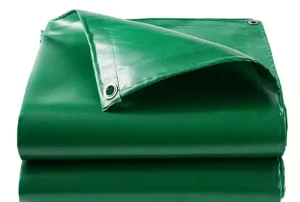
High-denier polyester base scrim (500D-1000D) encased in liquid PVC polymer formulations (450–900 GSM). Delivering extreme puncture resistance, welded seam integrity (RF/hot-air weldable), and dynamic fatigue resistance for commercial truck duffels, dry-bags, and transit cases.
To meet international quality standards mandated by premium travel brands, defense contractors, and industrial clients, China's leading fabric mills subject raw batches to comprehensive physical and chemical verification protocols:
How environmental directives, regulatory mandates (REACH, PFAS-Free), and consumer preferences are transforming Chinese bag fabric manufacturing.
Global brands are mandating post-consumer recycled resins (GRS Certified). Fabric extrusion now integrates up to 100% recycled bottle flakes into woven structures without sacrificing tensile performance.
Transitioning away from traditional C8/C6 durable water repellent (DWR) chemistries toward bio-based silicones and polyurethane water-repellent systems compliant with European REACH and US state laws.
Maximizing fabric burst strength while minimizing linear weight (GSM). High-denier micro-rib fabrics reduce carrier fuel burn in global transport logistics without compromising durability.
Eliminating mixed-material sorting headaches by bonding Polyethylene face fabric directly to Polyethylene film liners, making finished bags 100% recyclable in a single plastic stream.
Tailoring material specifications to meet rigorous field demands across commercial, military, agricultural, and industrial environments.
Travel suitcases and duffel bags require dimensional stability, resistance to abrasive airport conveyor systems, and dynamic flex tolerance. Double-coated PE and lightweight oxford textiles provide clean aesthetics, water resistance, and structural integrity during international transit.
Mountaineering backpacks and tactical load-bearing systems demand high puncture resistance, ripstop grid patterns, and sub-zero flexibility. Heavyweight 200–300 GSM PE and high-density PP fabrics prevent thorns, sharp rocks, and equipment corners from breaching internal compartments.
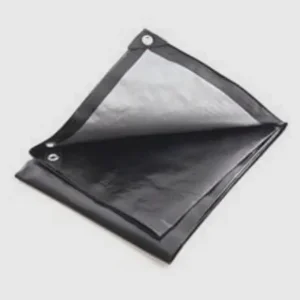
Heavy-duty construction bags, lumber wrap covers, and truck tool rolls are subject to constant oil exposure, heavy weight, and friction. Heavyweight PVC and reinforced polyethylene tarpaulin materials deliver superior tear energy resistance and chemical inertness.
From resin compounding to retail packaging: end-to-end industrial capabilities for high-volume international distributors.
Our in-house masterbatch dosing systems allow precise color matching (Pantone / RAL) alongside specific functional additives, including UV inhibitors, flame retardants (FR compliance with NFPA 701 / B1 standards), and anti-static agents tailored to climate requirements.
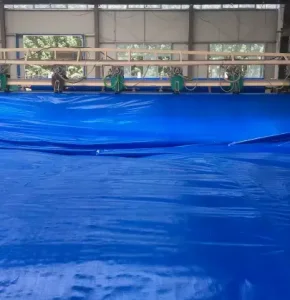
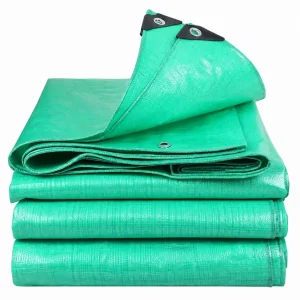
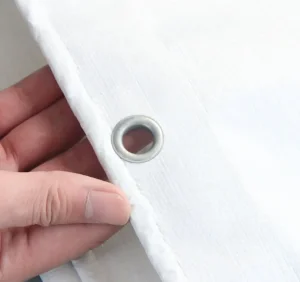
We operate continuous double-sided hot lamination lines capable of widths up to 6 meters. Automated converting lines handle heat-sealed reinforced hems, internal poly-rope edging, and high-retention aluminum/brass eyelet punching at customizable intervals.
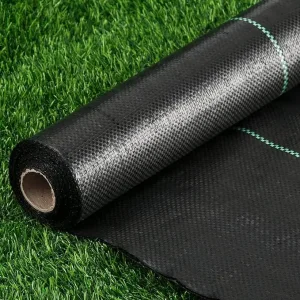
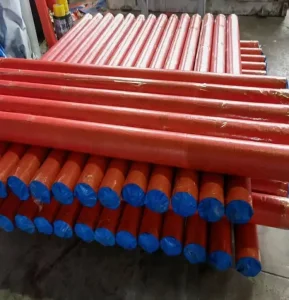
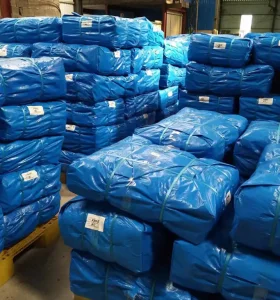
To assist global importers in optimizing inventory turn rates, our facility supports mixed-container loadings. Combine finished luggage sheets, fabric rolls, agricultural weed barriers, and layflat irrigation hoses within a single 20ft/40ft HQ container directly from our Linyi plant.
Investments in advanced polymer engineering, automation, and smart textile functionality designed to define the next decade of luggage bag fabric manufacturing.
Integrating dynamic micro-encapsulated polyurethane coatings that autonomously seal minor pinhole punctures and surface abrasions caused by mechanical friction during transit.
Weaving flexible conductive threads directly into luggage backing matrices to enable integrated electronic tracking, weight sensing, and anti-theft perimeter detection.
Synthesizing plant-derived polyolefin resins to produce bag textiles with a near-zero carbon footprint while maintaining full structural durability and oil-resistant performance.
Direct technical guidance from our manufacturing team to assist procurement officers in evaluating specifications and placing high-volume factory orders.
Explore our specialized roll covers, agriculture covers, heavy truck tarps, and custom-dyed poly fabric solutions.
Vertical Integration, International Certifications, and Global Supply Reliability Since 2006.
Operating from our modern 30,000 m² industrial facility in Wanggou Industrial Park (Lanshan District, Linyi City, Shandong Province, China), Linyi Xinshengyang Plastic Products Co., Ltd. (trading globally as Star Tarpaulins) has established itself as an authoritative leader in technical plastic weaving, film lamination, and polymer fabric fabrication. Operating continuously since 2006, our annual processing capacity exceeds 20,000 metric tons of high-grade PE, PP, and PVC structural fabrics.
Our operational strength lies in absolute vertical integration. By executing flat and circular tape extrusion, water-jet weaving, high-speed double-sided lamination, electronic heat-sealing, and automated eyelet punching under a unified Quality Management System (QMS), we eliminate subcontractor variance. Procurement partners benefit from strict GSM tolerance controls (±3%), consistent color batching, and documented hydrostatic pressure performance on every shipment.
Eliminate middleman markups by dealing directly with the original extruder and weaver. Transparent cost structures and direct engineering consultation.
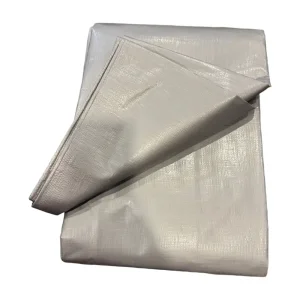
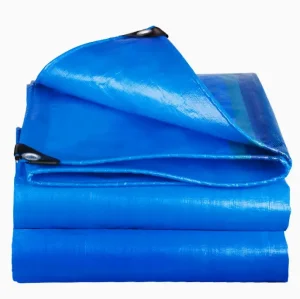
Standard container shipments dispatch within 15 to 25 days. Dedicated stock buffers for high-volume blue, silver, and green specs enable fast repeat loading.
Exporting seamlessly to over 40 countries across the Middle East, Africa, North America, South America, Europe, and Southeast Asia via Qingdao Port.