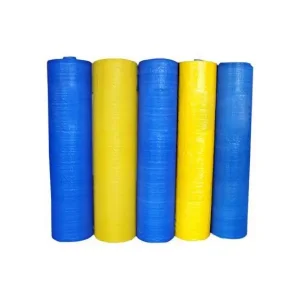
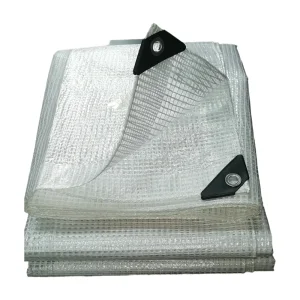
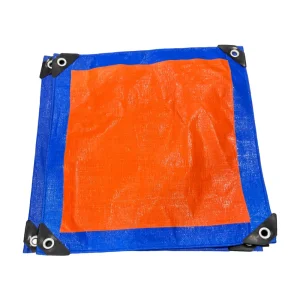
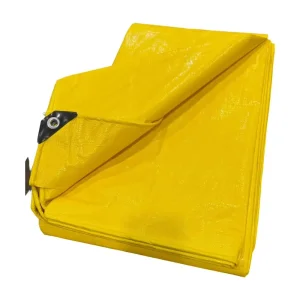
Explore our core engineering-grade synthetic fabrics, finished protective sheets, and specialized agricultural & construction covers manufactured directly in Shandong, China.
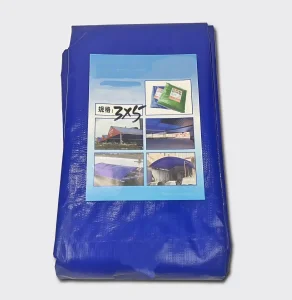
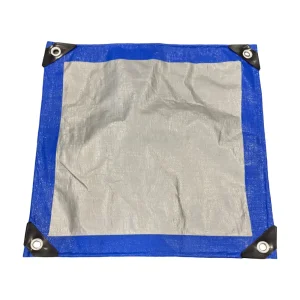
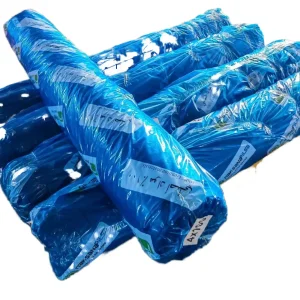
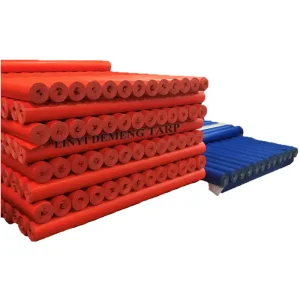
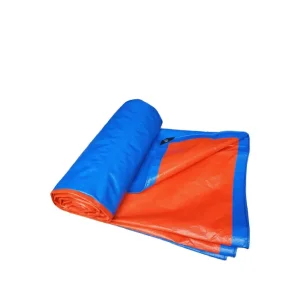
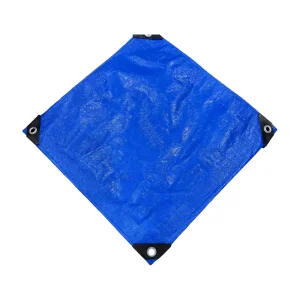
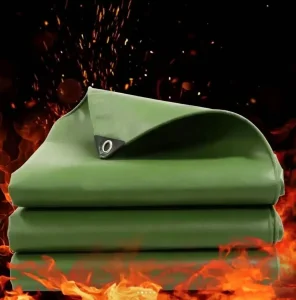
The global outdoor gear and heavy-duty protective textile sector has undergone a structural transformation over the past decade. Driven by rising commercial freight transport, intensified climate fluctuations requiring robust agricultural protection, and the expansion of the international outdoor recreation market, high-performance synthetic polymer fabrics have become vital infrastructure assets. Within this international ecosystem, China outdoor gear manufacturer & manufacturers occupy a decisive role, delivering over 65% of the world's total output in Polyethylene (PE), Polypropylene (PP), and Polyvinyl Chloride (PVC) industrial textiles.
Modern industrial buyer intent has moved far beyond simple commodity sourcing. Modern B2B procurement officers, supply chain directors, and commercial brand managers require precision material engineering: precise fabric denier, micro-metered dual-side lamination, long-term UV stabilization (HALS integration), and compliance with rigorous environmental standards (REACH, RoHS, and California Proposition 65). China's industrial manufacturing ecosystem—exemplified by advanced manufacturing hubs such as Shandong—combines raw resin synthesis, high-speed tape extrusion, circular water-jet weaving, thermal lamination, and automated eyelet finishing under unified quality management systems.
As international supply chains place greater emphasis on operational resilience and total cost of ownership (TCO), China's premier synthetic textile facilities have transitioned from traditional high-volume assembly to high-precision OEM/ODM production. By integrating advanced polymer compounding with automated heat-sealing, reinforced rope-hemming, and custom branding technologies, leading manufacturers deliver protective gear engineered specifically for hyper-localized climatic stress—from Arabian Gulf desert heat to sub-zero Nordic blizzards.
Technical Insight: Information gain in modern polymer sourcing comes from understanding the molecular density of the core scrim. Standard commercial grade tarpaulins utilize linear low-density polyethylene (LLDPE) coatings over low-mesh HDPE scrims. In contrast, heavy-duty industrial protective covers utilize high-tenacity HDPE scrims woven with a 12x12 or 14x14 thread count per inch, double-sheathed in UV-stabilized LDPE. This structural design prevents Delamination Under Stress (DUS) and maintains tearing resistance even under extreme windshear forces.
Evaluating an outdoor gear manufacturer requires a granular understanding of polymer physics and production processes. The technical performance of any heavy-duty tarpaulin sheet, ground mat, container shelter, or agricultural shade fabric depends on three interconnected phases: Polymer Extrusion & Orientated Yarn Drawing, Circular/Flat Mesh Weaving, and Extrusion Coating/Lamination.
Utilizes 100% virgin High-Density Polyethylene (HDPE) resins extruded into flat tapes under controlled thermal draw ratios. This process yields tensile yields up to 1200 N/5cm, delivering exceptional structural stability for heavy equipment and architectural covers.
Dual-sided Low-Density Polyethylene (LDPE) thermal lamination forms a continuous, non-porous moisture barrier. Enhanced with carbon black or titanium dioxide pigments for total light attenuation, reflection, and hydrostatic pressure rating exceeding 100 kPa.
Impregnated with 3% to 5% Hindered Amine Light Stabilizers (HALS) throughout both internal scrim and external lamination layers. Prevents photo-oxidative degradation, free radical formation, and polymer chain scission under high solar irradiance.
Selecting the optimal polymer substrate is critical for cost optimization and operational longevity. The table below outlines the material parameters for professional B2B procurement across key industrial categories:
| Polymer Compound | Standard Weight (GSM) | Tensile Strength (Warp/Weft) | Temperature Tolerance | Primary Industrial Application |
|---|---|---|---|---|
| PE (Polyethylene) Coated | 60 - 300 GSM | 650 N / 750 N per 5 cm | -30°C to +70°C | All-weather transport tarps, crop covers, roof sheets, relief tents |
| PP (Polypropylene) Woven | 90 - 250 GSM | 850 N / 950 N per 5 cm | -20°C to +80°C | Heavy geotextiles, weed barrier fabrics, ground stabilization, layflat liners |
| PVC Knife-Coated / Laminated | 450 - 900 GSM | 2200 N / 2000 N per 5 cm | -40°C to +85°C | Truck side curtains, semi-permanent tent halls, heavy machinery shelters |
| PE Mesh / Grid Reinforcement | 100 - 180 GSM | 500 N / 550 N per 5 cm | -30°C to +65°C | Scaffolding enclosures, greenhouse shade curtains, protective windbreaks |
A premier China outdoor gear manufacturer must deliver specialized engineering solutions tailored to distinct regional environments and operational demands. Industrial protective textiles perform vastly different functions depending on their field deployment:
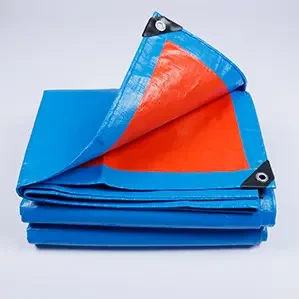
Intermodal road and marine freight require covers capable of withstanding constant aerodynamic shear, mechanical friction, and heavy rainfall. Double-silver and yellow/black reinforced PE tarpaulin sheets feature hot-melt welded seams and heavy-gauge eyelets at 50cm intervals, preventing water intrusion and securing cargo during multi-thousand-kilometer road transit.
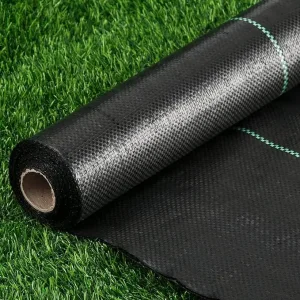
Modern agritech demands tailored light transmission and moisture management. Heavy-duty woven geotextiles and needle-punched weed barrier fabrics suppress unwanted weed growth while maintaining ground breathability. Meanwhile, high-density PP/PE shade sheets safeguard crops and livestock from extreme solar radiation and heavy hail damage.
In municipal construction and disaster relief operations, deployment speed and structural integrity are critical. Flame-retardant (B1/M2 compliant) PVC and PE tarpaulin rolls are engineered for rapid conversion into temporary containment shelters, emergency roof patching, and dust-proof scaffolding enclosures during heavy urban redevelopments.
Manufacturing protective outdoor gear for international markets requires region-specific formulation choices:
The technical synthetic textile industry is experiencing accelerated technological innovation. As global environmental regulations tighten and corporate sustainability directives take effect, leading Chinese manufacturers are pioneering new material technologies that combine high physical performance with circular lifecycle management.
R&D Horizon Focus: The transition toward mono-material polyolefin constructions (Pure-PE and Pure-PP assemblies) simplifies end-of-life mechanical recycling by eliminating the need to separate dissimilar coating polymers from base fabric scrims.
Incorporating Post-Industrial Recycled (PIR) and Post-Consumer Recycled (PCR) polyolefin resins into the central core scrim while maintaining virgin outer lamination caps. Achieves a 35% reduction in embedded carbon footprint without compromising tensile or burst strength.
Integrating bio-derived ethylene polymers sourced from renewable sugarcane ethanol. These drop-in bio-PE resins deliver molecular performance identical to fossil-fuel polyethylenes while providing true cradle-to-gate carbon-neutral material options.
Phasing out conventional solvent-based bonding agents in favor of high-efficiency direct extrusion lamination lines. Eliminates Volatile Organic Compound (VOC) emissions during manufacture while increasing delamination strength across working temperatures.
Navigating global procurement requires robust supplier evaluation metrics. To eliminate supply chain vulnerabilities, professional B2B buyers must partner with direct manufacturing plants capable of guaranteeing end-to-end quality assurance, transparent material tracing, and streamlined logistics execution.
In-house digital thickness monitoring and continuous weight sensors ensure that every batch matches ordered GSM specifications within a strict ±3% variance, preventing under-weight delivery commonly found in unverified trading channels.
Complete custom branding options, including surface logo printing (up to 4 colors), customized triangular corner reinforcements, retail insert cards, international barcodes, and display-ready master cartons engineered for automated distribution centers.
Using proprietary 3D pallet and roll packing algorithms, factory loading teams maximize cubic space utilization in 20ft and 40ft HQ containers—reducing per-unit international freight costs by up to 14% per shipment.
Detailed technical and commercial answers directly from our factory engineering team.
Grammage (GSM) selection depends on structural exposure and handling frequency:
Every production run undergoes standardized laboratory testing prior to release. Waterproof integrity is measured via ASTM D751 Hydrostatic Pressure Testing, requiring zero water droplet penetration at pressures up to 100 kPa. Weatherability is tested using QUV Accelerated Weathering Testers (ASTM G154), subjecting samples to intense UV-A/UV-B radiation and continuous condensation cycles to verify tensile retention rates after 1,500 hours of simulated outdoor exposure.
For standard stocking specifications (e.g., standard blue/silver or green/silver PE tarpaulin sheets), minimum order quantities start at one 20-foot container mix. For custom specifications requiring special color matching, custom GSM, specific UV dosages, or branded retail packaging, the baseline MOQ is 3 metric tons per specification. Standard production lead time ranges from 15 to 25 calendar days following artwork confirmation and deposit receipt.
Yes. Finished sheets are produced on automated hem-sealing lines. Outer edges are folded over a heavy-gauge PP reinforcer rope and heat-sealed using high-temperature thermal air. Eyelets—available in rust-resistant aluminum, solid brass, or high-impact molded polycarbonate—can be placed at standard 50 cm, 100 cm, or custom interval spacings. High-stress corners are reinforced with molded plastic triangular patches to distribute wind load evenly.
Polyethylene (PE) and Polypropylene (PP) tarpaulins belong to the polyolefin polymer family and are 100% mechanically recyclable into secondary plastic products (such as plastic pallets, drainage pipes, and synthetic lumber). Unlike PVC, PE and PP materials do not contain phthalate plasticizers or chlorine heavy compounds, eliminating dioxin emission risks during thermal recycling and complying fully with EU REACH chemical safety directives.
We provide comprehensive international trade documentation including Commercial Invoices, Packing Lists, Bills of Lading, Certificates of Origin (Form A, Form E, or RCEP CO), and Third-Party Inspection Reports (SGS, Bureau Veritas, TUV). Material Safety Data Sheets (MSDS), REACH compliance declarations, and DIN 4102 B1 fire-retardancy test reports are available upon request for municipal and corporate tender submissions.
Select from our specialized landscape fabrics, reinforced PE rolls, shade nets, and high-performance agricultural covers.