
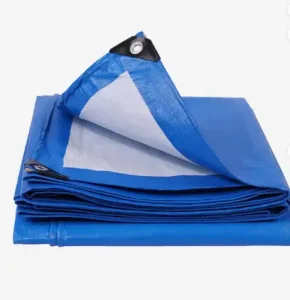
Explore our top-tier export configurations manufactured via integrated extrusion, high-density weaving, and double-sided thermal lamination.
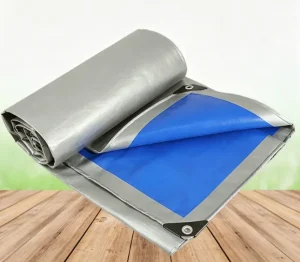
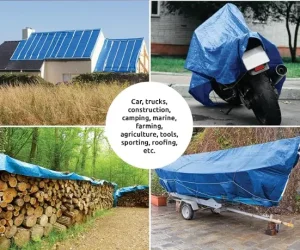
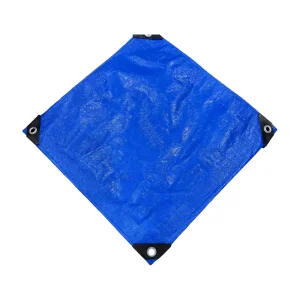
Industrial supply chains, modern agricultural logistics, infrastructure development, and emergency disaster relief demand highly engineered synthetic polymers capable of withstanding extreme environmental stressors.
Intermodal transport networks require flame-retardant, high-tensile truck side curtains and flatbed tarpaulins. Substandard protective covers lead to cargo degradation, moisture infiltration, and millions in annual cargo insurance claims worldwide.
High-density polyethylene (HDPE) concrete curing blankets and ground insulation sheets regulate thermal dissipation and water hydration during structural concrete curing, mitigating micro-cracking in high-rise and bridge construction projects.
Global agricultural yield security relies on UV-stabilized, non-toxic, moisture-proof silage tarps and grain bag covers. These barriers prevent mycotoxin development and solar degradation in large outdoor grain stockpiles.
Selecting the correct protective cover requires matching polymer matrix characteristics with atmospheric degradation mechanisms. We operate full vertical extrusion and lamination lines for specialized performance.
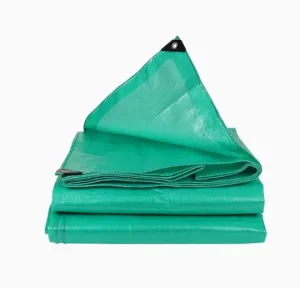
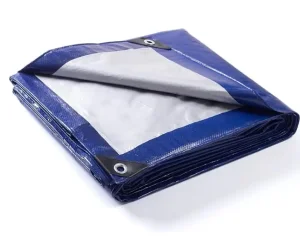
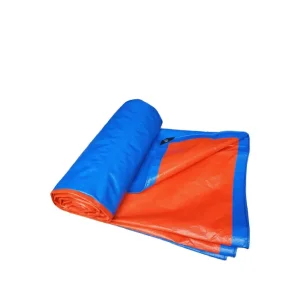
Engineered via high-density polyethylene (HDPE) woven tape cores laminated on both sides with low-density polyethylene (LDPE) films. PE tarpaulins offer exceptional hydrostatic resistance, flexibility in sub-zero climates down to -40°C, and superior tear propagation resistance relative to total fabric mass. Ideal for temporary construction enclosures, ground cover sheets, and export packaging.
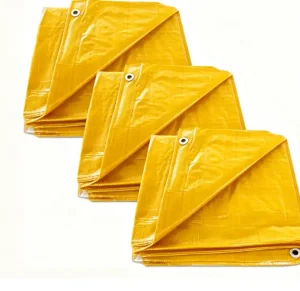
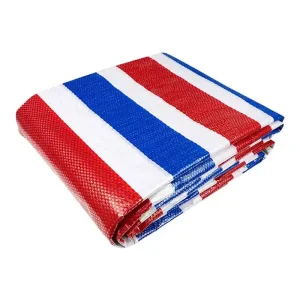
Utilizing high-tenacity polypropylene filament yarns woven into tight mesh matrices (ranging from 8x8 to 14x14 strands per inch), PP tarpaulins present enhanced dimensional stability and higher surface puncture thresholds. Their elevated melting point makes them suitable for asphalt hauling, hot-climate industrial roofing, and heavy machinery transport covers.
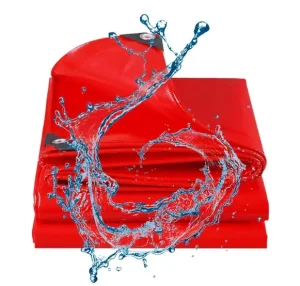
Formulated by knife-coating or hot-laminating high-tensile polyester (PES) base scrims with liquid PVC plasticized compounds. Offering fabric weights from 450 GSM to 900 GSM, PVC covers deliver a 5 to 10-year outdoor lifespan, 100% gas-tight sealing, severe abrasion resistance, and compliance with global fire-retardant standards such as DIN 4102 B1 and NFPA 701.
| Performance Parameter | PE Tarpaulin (HDPE/LDPE) | PP Tarpaulin (Polypropylene) | PVC Coated Tarpaulin |
|---|---|---|---|
| Typical Weight Range (GSM) | 60 g/m² – 300 g/m² | 90 g/m² – 320 g/m² | 450 g/m² – 900+ g/m² |
| Tensile Strength (N / 5cm) | 600 N – 1400 N | 800 N – 1800 N | 2200 N – 4500 N |
| UV Weathering Lifespan | 1 – 3 Years (with HALS) | 1 – 2 Years (Standard) | 5 – 10 Years (Max Protection) |
| Cold Crack Resistance | Excellent (-40°C) | Fair (-10°C) | Good (-30°C with plasticizer) |
| Chemical & Acid Resistance | High Chemical Inertness | High Acid/Alkali Resistance | Oil, Grease & Solvents Resistance |
| Primary B2B Sourcing Intent | Retail DIY, Site Scaffolding, Tents | Agriculture, Weed Barrier, Layflat | Truck Side Curtains, Trailers, NGO Tents |
From 100% virgin polymer resin input to automated seam welding, every square meter of cover undergoes structural quality testing to guarantee zero zero-defect delivery.
Virgin HDPE granules are blended with Hindered Amine Light Stabilizers (HALS) and color masterbatches (Silver, Blue, Green, Orange) to establish baseline UV and thermal resistance.
Extruders stretch molten polymer into high-denier flat yarns, continuously controlling micron thickness, molecular orientation, and tensile force per strand.
Advanced water-jet and circular looms weave flat yarns into dense mesh fabrics (8x8 up to 14x14 warp/weft density), preventing tearing under heavy wind load.
Co-extrusion lamination coats both surfaces with impermeable LDPE molten film, achieving 100% waterproof performance and smooth printability.
Automated cutting tables slice master rolls to exact dimensional client drawings, maintaining a zero millimeter width/length tolerance bias.
Hot-air welding units join individual panels with 30mm-50mm overlapping seams, guaranteeing continuous hydrostatic seal integrity under pressure.
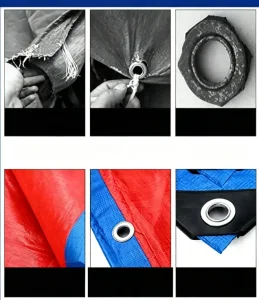
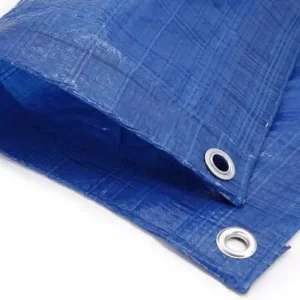
Hems are reinforced with inner polypropylene perimeter ropes, and aluminum, brass, or plastic eyelets are riveted every 50cm or 100cm along edges.
Laboratory technicians conduct destructive pull testing, eyelet tear-out force checks, and water column pressure verification prior to palletization.
We support hardware retail chains, industrial brand owners, and emergency relief organizations across North America, Europe, the Middle East, and Africa.
Sunlight exposure levels vary greatly by region. For Arabian Gulf destinations (GCC countries), we formulate with 4%-5% active UV stabilizer masterbatch to endure up to 350 kLy/year solar irradiation without embrittlement.
Retail-ready presentation options including printed insert color cards, polybags with hang holes, custom EAN/UPC barcode labeling, and heavy-duty outer master cartons for automated distribution centers.
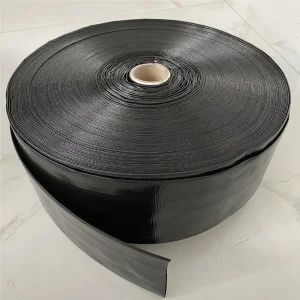
Optimize your shipping spend by loading multiple product lines—such as ready-made PE sheets, PVC rolls, PE layflat irrigation hoses, and weed barrier fabrics—within a single 40ft High Cube container shipment.
High-grade protective tarpaulins engineered for specific industrial, transportation, and agricultural requirements.
Detailed answers provided by our senior polymer technicians to streamline your sourcing process.
Selecting the optimal Grams per Square Meter (GSM) depends on exposure duration, mechanical stress, and budget requirements:
Unprotected polyolefins degrade under solar UV rays via photo-oxidation, leading to polymer chain scission, discoloration, loss of tensile strength, and embrittlement. We incorporate Hindered Amine Light Stabilizers (HALS) combined with UV absorbers (such as Benzotriazoles) directly into the masterbatch during tape extrusion. For high-ultraviolet regions like Australia, the Middle East, and Sub-Saharan Africa, we supply 3% to 5% active HALS formulations, proven to retain over 80% tensile strength after 3000 hours of accelerated QUV weathering testing (ASTM G154 standards).
In international trade, Cut Size refers to the dimensions of the fabric sheet prior to edge processing. During final fabrication, the hem is folded over a perimeter reinforcing rope and heat-sealed or stitched. This hem folding process along with panel joining seams reduces the overall length and width by approximately 3% to 5% (or 10cm–30cm depending on total tarp size). If your project requires exact dimensions, we offer "Finished Size" manufacturing, where base panels are cut over-size to guarantee final delivered dimensions match your exact technical drawing specifications.
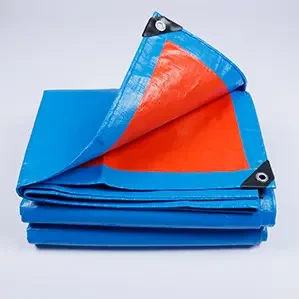
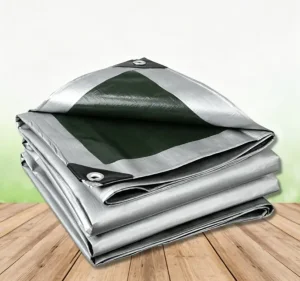
For standard stocked specifications (such as Blue/Orange or Silver/Black standard PE tarps), our baseline minimum order quantity starts from a 20ft container combination mix (approx. 10 to 12 Metric Tons). Custom specified orders involving special colors, customer logo printing, specific grommet spacing, or specialized retail packaging require a 3 Metric Ton minimum run per specification. Standard production lead time is 15 to 25 calendar days following artwork and pre-production sample sign-off.
Every production lot undergoes rigorous laboratory analysis under ISO 9001:2015 quality control protocols. Hydrostatic head testing is performed using a Suter Tester apparatus to apply continuous water pressure (exceeding 10,000 mm H2O) against welded seams and base fabrics to confirm 100% water impermeability. Tensile and tear resistance are tested using computerized Instron universal testing machines (ASTM D751 standards) across both warp and weft directions.
Whether you require bulk supply of ready-made PE tarpaulins, high-density PVC rolls, or custom-engineered agricultural covers, our engineering team provides complete technical consultation, OEM artwork design, and direct factory quotation within 24 hours.
Request Factory Quote & Free Samples