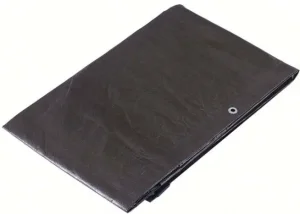
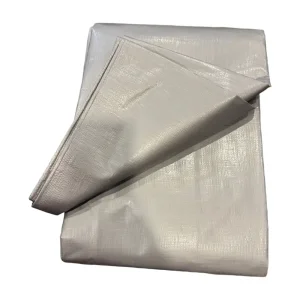
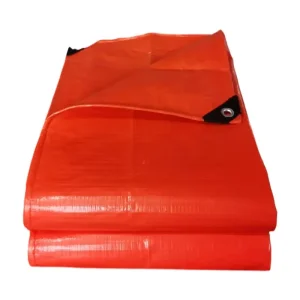
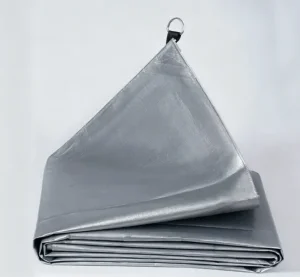
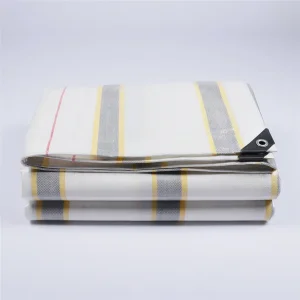
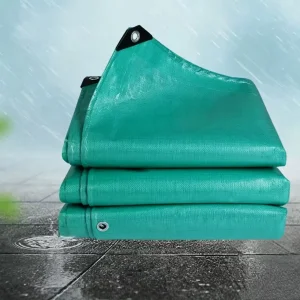
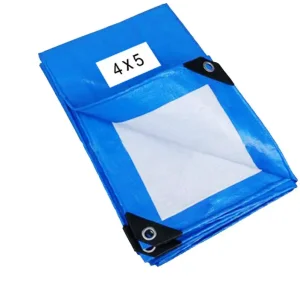
Explore our primary factory-direct production portfolio optimized for heavy-duty agriculture, commercial transport, and industrial containment applications.
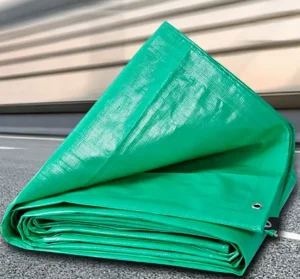
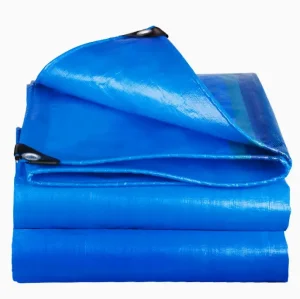
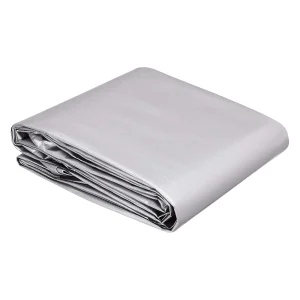
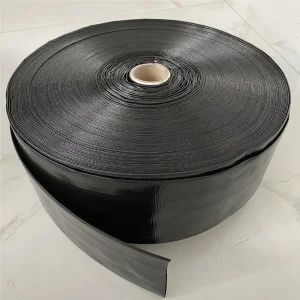
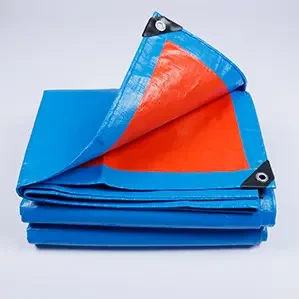
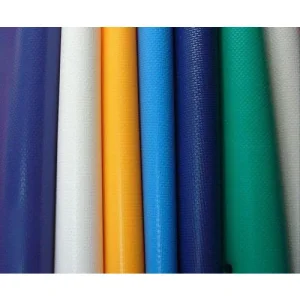
The global industrial protective covers market has experienced a dynamic paradigm shift over the past decade. Among flexible containment materials, Polyethylene (PE) Waterproof Tarpaulins have emerged as the dominant global standard for temporary, semi-permanent, and emergency environmental protection. Driven by rapid infrastructure development across emerging economies, expanding global supply chains, and increasingly severe climate events, demand for durable, multi-layered poly tarps continues to accelerate at a compound annual growth rate (CAGR) exceeding 5.8%.
Unlike traditional canvas tarps—which suffer from moisture absorption, rot, and high unit weight—or heavy Polyvinyl Chloride (PVC) fabrics that present eco-toxicity challenges and higher cost profiles, engineered PE tarpaulins deliver an optimal balance of high tensile strength, extreme weather resistance, lightweight handling, and cost efficiency. Modern PE tarpaulins are constructed through a sophisticated extrusion, weaving, and double-sided Low-Density Polyethylene (LDPE) coating process over a woven High-Density Polyethylene (HDPE) mesh core. This structural composite delivers total impermeability against hydrostatic pressure while remaining pliable in sub-zero freezing conditions.
Utilized extensively as scaffolding enclosures, concrete curing blankets, temporary roof emergency caps, and foundation moisture barriers under rigorous ASTM/EN safety protocols.
Essential for flatbed truck freight covers, open-top container weather shields, ocean cargo pallet wrap, and port storage yards where long-term UV stability is paramount.
Engineered grain-drying tarps, hay stack covers, silage protection membranes, and UV-stabilized weed barriers designed for multi-seasonal solar radiation resistance.
China produces over 70% of the world’s synthetic woven plastic tarpaulins. Sourcing directly from top-tier Chinese manufacturing hubs—most notably the industrial cluster in Linyi, Shandong Province—provides global B2B procurement officers, distributors, and commercial brands with unparalleled structural supply chain advantages:
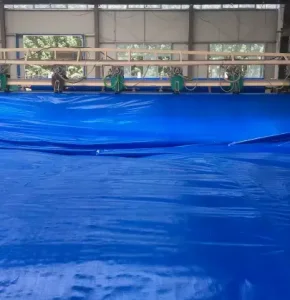
Leading Chinese manufacturers operate fully integrated production eco-systems under a single roof. The manufacturing cycle transitions seamlessly from raw virgin petrochemical resin compounding (HDPE masterbatch formulation), high-speed flat-yarn tape drawing, circular jet weaving, double-sided thermal lamination, automated rope-in-hem welding, to high-speed ultrasonic eyelet punching. Eliminating intermediate processing vendors ensures zero loss of quality control and slashes batch turnaround times by 30-40%.
State-of-the-art Chinese extrusion lines utilize real-time ultrasonic gauge sensors and gravimetric dosing systems. This guarantees precise dosing of crucial additives: Hindered Amine Light Stabilizers (HALS) for extreme UV defense, carbon black for opacity, micro-thin anti-oxidants for thermal degradation prevention, and organic color pigments that withstand severe solar fading over multi-year outdoor deployments.
With raw resin supply ports (Qingdao, Lianyungang) located nearby, factories maintain continuous strategic resin stocks. Bulk purchasing power lowers per-unit polymer costs, enabling suppliers to offer highly competitive pricing tier structures without compromising mechanical parameters such as tensile break-strength, tear propagation resistance, or hydrostatic head safety margins.
To optimize international freight logistics, Chinese manufacturing hubs provide specialized container packing protocols. Utilizing high-pressure hydraulic baling and customized carton palletization, factories maximize container cubic meter (CBM) utilization—allowing buyers to consolidate PE sheets, PE rolls, PP woven tarps, PVC covers, and PE lay-flat hoses in a single 20ft/40ft HQ shipment.
Polyethylene protective tarpaulins must be customized according to environmental stressors, atmospheric humidity, and local industry standards. Below is an engineering breakdown of regional application profiles.
In freezing climates, standard plastic sheets become brittle and fracture under thermal stress. Specially formulated cold-crack resistant PE tarpaulins (stabilized to -40°C) are engineered with high-denier (1000D+) HDPE woven cores and heavy 180–300 GSM weights. Applied as winter scaffolding curtains, building wraps, and roof repair tarps, they feature fire-retardant performance certified under CPAI-84 or NFPA 701, preventing site fires caused by temporary heating equipment.
High UV indexes and extreme desert temperatures demand aggressive polymer stabilization. Supplies for regions like Saudi Arabia, UAE, Kenya, and Nigeria incorporate 3% to 5% high-efficiency UV masterbatch (HALS). Typical applications include specialized dual-color tarps (e.g., Brown/Green or Silver/Black). The reflective silver layer reflects intense solar infrared heat, reducing under-cover temperatures by up to 12°C, protecting harvested grains, coffee beans, and cocoa crops during outdoor sun-drying processes without thermal degradation.
Tropical monsoon regions require maximum hydrostatic head resistance (exceeding 100 kPa) and mold/anti-fungal resistance. Thickened double-laminated PE tarps (140g to 220g) equipped with hot-air welded reinforced rope hems and solid brass or aluminum grommets are used for open cargo trucks traversing rugged terrain, emergency flood control barriers, temporary shrimp pond containment liners, and agricultural water conveyance via high-burst PE Lay Flat Hoses.
Coastal marine environments suffer from persistent salt-spray corrosion and extreme wind shear. Heavy-duty poly tarps designed for maritime ports and boat storage feature multi-layered corner patch reinforcements with molded plastic caps, high-density weave patterns (14x14 mesh), and rust-proof heavy-gauge stainless steel or brass eyelets spaced every 50cm to resist eyelet tear-out under wind flutter forces.
As environmental sustainability mandates and smart industrial infrastructure evolve, Chinese PE tarpaulin research and development focuses on three major technological frontiers.
Traditional composite covers combining mixed polymers present recycling difficulties. Modern R&D is standardizing 100% Mono-PE tarpaulin structures (where the inner thread mesh, double coating, rope reinforcement, and corner grommets consist entirely of Polyethylene variants). This allows complete, single-stream industrial mechanical recycling back into high-purity plastic pellets without manual component separation.
Integration of graphene-enhanced LDPE coating layers and titanium dioxide (TiO2) nano-particles increases tensile tear resistance by over 25% while reducing overall fabric weight (GSM). Furthermore, self-cleaning hydrophobic surface treatments are being introduced, allowing rainfall to naturally sweep away heavy dust, industrial soot, and environmental pollutants.
Next-generation commercial tarps feature embedded ultra-thin passive RFID tags and flexible sensor arrays within the lamination layer. This enables real-time cargo temperature monitoring, moisture intrusion alerts, and automated location tracking for high-value freight moving across international intermodal cold-chains and maritime routes.
Navigating international import regulations requires stringent factory verification and verifiable lab testing. Reputable Chinese manufacturers implement comprehensive quality management systems certified under ISO 9001:2015 standards, offering global partners transparent batch reporting and regulatory compliance:
Expert technical insights from factory engineers to help importers, distributors, and procurement managers optimize specifications and avoid sourcing pitfalls.
Selecting the correct GSM depends entirely on the intended structural application and expected service lifespan:
Virgin Polyethylene is extruded directly from pure, unrefined petrochemical polymer resin. It exhibits superior tensile strength, greater flexibility, higher light translucency, and longer outdoor durability (especially when blended with UV stabilizers). Recycled PE contains reprocessed post-industrial or post-consumer scrap plastic. While cost-effective for low-end disposable tarps, recycled PE has shorter polymer molecular chains, resulting in lower tear resistance, stiffer cold-weather handling, and accelerated degradation under direct solar radiation.
Polyethylene naturally degrades when exposed to solar ultraviolet radiation (UV-A and UV-B rays), causing polymer chain scission and embrittlement. To prevent this, we add Hindered Amine Light Stabilizers (HALS) into both the core HDPE warp/weft extrusion tape and the outer LDPE coating layers. Dosage typically ranges from 1% (suitable for temperate climates with 6-12 months lifespan) up to 3%-5% (engineered for desert climates such as the Middle East or Arizona, providing 2 to 5 years of structural integrity).
Factory-direct manufacturing allows 100% custom specifications including: precise finished dimensions or continuous roll lengths; specific color combinations (Double Green, Blue/Orange, Silver/Black, White, Camouflage); reinforced hem designs with embedded PP rope; rust-proof eyelet customization (aluminum, brass, polycarbonate, or stainless steel at 50cm, 100cm, or custom intervals); molded plastic corner caps; custom multi-color surface logo printing; and custom retail packaging (polybags with printed artwork inserts, display barcodes, and master carton branding).
PE tarpaulins are lightweight, 100% recyclable, highly cost-effective, and remain flexible at extremely low freezing temperatures (-40°C), making them ideal for temporary and general protective applications. PVC tarpaulins (vinyl coated polyester) are significantly heavier (typically 450 GSM to 900 GSM), possess extremely high abrasion resistance and weld strength, and have a multi-year permanent lifespan, but come at a significantly higher unit weight, higher cost profile, and are less eco-friendly to recycle.
For standard running factory specifications, the minimum order quantity typically starts at 3 metric tons per specification or one consolidated 20-foot container (FCL) mixed across various sizes. Custom colors or non-standard weights require an initial production run of 5 tons. Standard production lead time is 15 to 25 calendar days following pre-production sample approval and deposit receipt.
Finished tarpaulin sheets are individually folded, packed in clear polybags with retail inserts, and then compressed using heavy hydraulic baling machines into tight, durable woven outer bales. Baled packaging increases container loading volume by up to 30% compared to rigid cardboard cartons. For high-end retail distribution, heavy export-grade corrugated cartons are placed on custom wood/plastic pallets for seamless forklift loading and unloading.
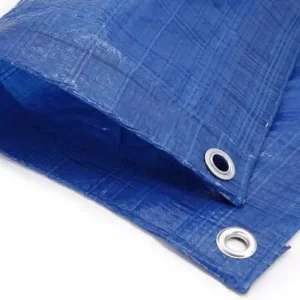
Eyelet pull-out is prevented through three structural reinforcements: (1) Heavy-duty polypropylene (PP) cord is continuously sealed inside the folded edge hem prior to eyelet punching; (2) Corner stress points are doubled-laminated with triangular rigid plastic patch caps; and (3) Eyelets are set using high-pressure automatic pneumatic riveting machines to ensure a uniform 360-degree crimp around the reinforced fabric edge.
Discover our additional factory offerings including multi-color sunproof fabrics, layflat hoses, agricultural drying sheets, and eco-friendly poly tarps.