Explore our core export-grade tarpaulin series directly manufactured in Linyi, China. Engineered for high-tensile resistance, UV stability, and severe environmental protection.
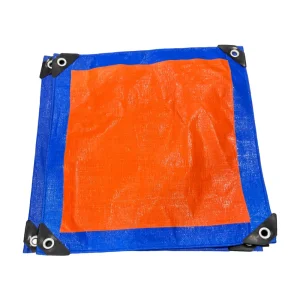
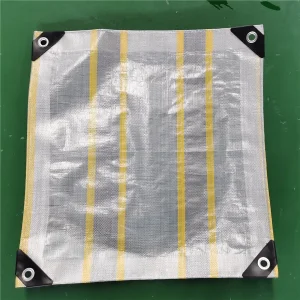
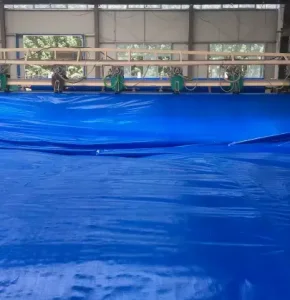
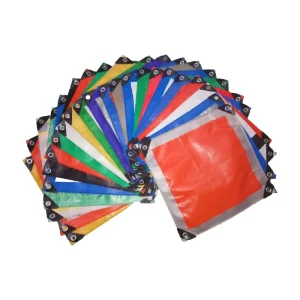
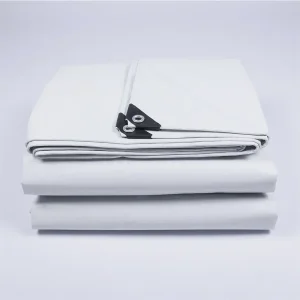
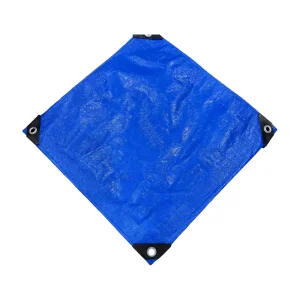
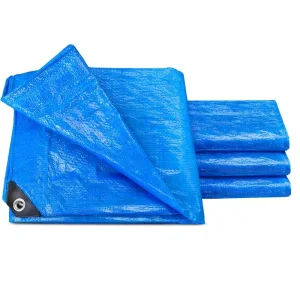
The global industrial protective fabric landscape has undergone a radical transformation over the past two decades. At the epicenter of this shift are China tarp factories, which now account for over 65% of the world's synthetic poly-fabric manufacturing output. Anchored in key manufacturing hubs like Linyi City, Shandong Province, Chinese suppliers have evolved from basic cut-and-sew operations into ultra-sophisticated, vertically integrated industrial powerhouses.
The competitive advantage of sourcing directly from a leading China tarp factory extends far beyond raw unit cost. Modern polymer weaving facilities leverage complete upstream and downstream integration: from high-density polyethylene (HDPE) granule extrusion and high-speed water-jet weaving to automated low-density polyethylene (LDPE) double-sided lamination, ultrasonic edge hem-sealing, and precision computer-controlled eyelet punching.
When selecting a China tarp manufacturer, B2B procurement managers must look beyond surface Grams per Square Meter (GSM) figures. Structural longevity is determined by the denier of the inner woven tape (e.g., 800D vs 1000D), the weave mesh density (e.g., 10x10 vs 14x14 per square inch), and the specific chemical formulation of UV anti-oxidants added during the resin extrusion phase.
A rigorous examination of operational capabilities, polymer engineering excellence, and cost scaling in Chinese tarpaulin production facilities.
Direct ownership of tape drawing extruders, circular looms, and dual-side LDPE laminators eliminates sub-supplier markups and guarantees consistent batch-to-batch structural integrity.
Engineered master-batch formulation featuring 3% to 5% Chimassorb/Tinuvin UV stabilizers enables tarpaulins to withstand intense solar irradiance in Middle Eastern, African, and Australian climates without degradation.
Factory-direct custom production across PE (Polyethylene), PP (Polypropylene), and heavy-duty PVC (Polyvinyl Chloride) substrates tailored to specific tensile requirements.
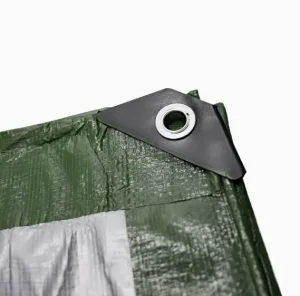
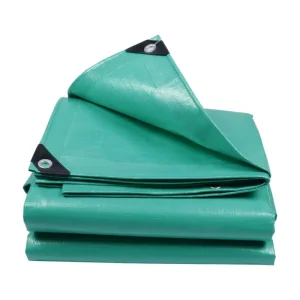
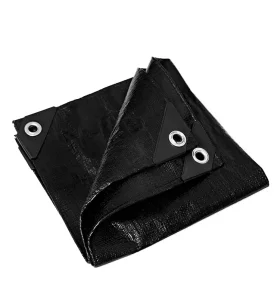
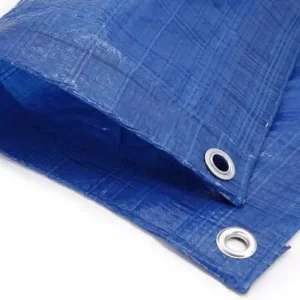
Standard eyelet edges are prone to tearing under wind stress. Chinese factories deploy internal PP rope reinforcement, ultrasonic corner patch welding, and rust-resistant aluminum/brass eyelets at custom intervals.
Proximity to major shipping hubs like Qingdao Port allows streamlined logistics, offering standard product turnarounds within 15 to 25 days alongside flexible mixed-container load options.
Products strictly conform to international quality benchmarks including REACH, ROHS, ISO9001, and customized fire-retardant standards (B1, M2, DIN 4102-1).
Selecting the optimal polymer base is crucial for balancing weight, hydrostatic resistance, mechanical longevity, and procurement cost.
| Polymer Type | GSM Range (g/m²) | Tensile Strength (N/5cm) | Hydrostatic Resistance | Primary Industrial Application | Expected Outdoor Lifespan |
|---|---|---|---|---|---|
| PE (Polyethylene) | 60 – 300 GSM | 600 / 500 (Warp/Weft) | > 50 kPa (100% Waterproof) | Agriculture drying, scaffolding covers, short-term freight, disaster relief | 1 to 3 Years (Climate dependent) |
| PP (Polypropylene) | 70 – 260 GSM | 850 / 750 (High Stiffness) | > 40 kPa (Coated) | Weed barrier, ground sheets, crop protection, heavy-duty industrial sacks | 2 to 4 Years (UV Stabilized) |
| PVC Coated Vinyl | 400 – 900 GSM | 2500 / 2200 (Extreme Duty) | > 100 kPa (Impermeable) | Truck side curtains, architectural membrane structures, oil booms, long-haul trailers | 5 to 10+ Years |
How China-manufactured tarpaulins serve critical sectors across global logistics, agriculture, civil infrastructure, and humanitarian operations.
In developing agricultural markets, post-harvest grain loss due to moisture contamination can reach 30%. Specially engineered China grain-drying tarpaulins provide a non-toxic, food-safe barrier that prevents ground moisture absorption while facilitating solar drying of crops such as maize, rice, and coffee beans.
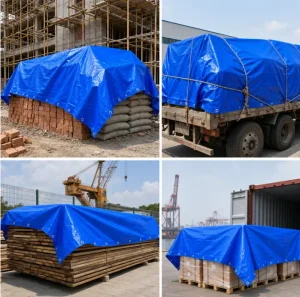
Cross-border long-haul trucking demands covers that endure relentless wind resistance, rain friction, and temperature swings. China tarp factories supply custom-built PVC side curtains and PE flatbed covers featuring reinforced D-ring webbings and high-abrasion resistance coatings to prevent cargo damage during transport.
Construction sites require fire-retardant mesh and solid sheet tarps for debris containment, concrete heat-curing, and worker weather protection. Double-white and blue/orange high-visibility tarpaulins act as building envelopes, meeting strict municipal safety codes.
To ensure total risk mitigation during overseas sourcing, international enterprise buyers must establish a rigorous 4-step quality verification workflow when working with a Chinese manufacturer:
Insist on 100% virgin HDPE resin for the woven core. Recycled resin significantly lowers production costs but compromises tear resistance and drastically accelerates UV degradation under intense sunlight.
Ensure dual-side LDPE coating thickness is evenly applied across the entire web width. Inferior co-extrusion machinery results in pinhole leaks and uneven surface thickness, compromising waterproofing.
Verify that perimeter hems contain high-tensile inner PP ropes. Eyelet pull-out tests should meet minimum load thresholds (e.g., > 450 N) to prevent failure in high-wind installations.
Deploy independent quality control agencies prior to container loading to conduct hydrostatic head testing, GSM verification, dimension checks, and packing load calculations.
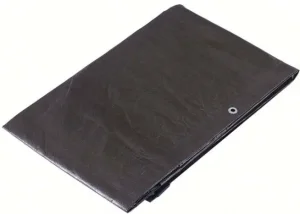
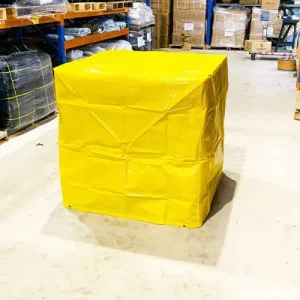
Explore our full-spectrum production options for high-volume distributors, government procurement, and industrial conversion workshops.
Comprehensive engineering & logistics insights to clarify technical standards prior to issuing a Request for Quotation (RFQ).
Specification selection depends heavily on target application, exposure period, and environmental stress:
UV degradation occurs when ultraviolet radiation cleaves the polymer chains in polyethylene or polypropylene, leading to chalking, embrittlement, and tearing. Qualified China tarp factories introduce Hindered Amine Light Stabilizers (HALS) such as Chimassorb 944 or Tinuvin 770 directly into the extrusion melt at dosages between 3% and 5% by weight. This formulation guarantees a service life of 2 to 5 years even under harsh climatic conditions such as those in the Middle East, Sub-Saharan Africa, and Australia.
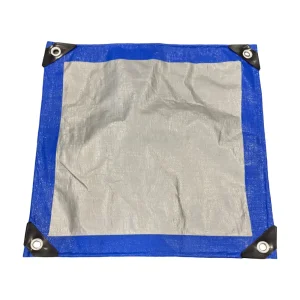
For standard stocked colors (e.g., Blue/Silver, Green/Silver, Blue/Orange) and standard roll widths, MOQs start at one mixed 20-foot container (approx. 10 to 12 metric tons). For custom-dyed masterbatch colors, private-label retail packaging, or specific eyelet pitch requirements, the baseline MOQ is 3 metric tons per specification. Standard production lead time ranges from 15 to 25 calendar days post pre-production sample approval.
Yes. Full OEM/ODM customization is available. Finished tarpaulin sheets can be cut and thermal-welded to virtually any dimension. Reinforcements include high-density corner patches, full rope-in-hem surrounds, and custom grommets (aluminum, brass, or heavy-duty plastic) spaced at custom intervals (e.g., 50cm, 100cm, or 3ft). Surface flexographic printing supports multi-color brand logos, barcodes, and handling instructions.
Factory direct exports typically operate under standard Incoterms including FOB (Qingdao / Lianyungang), CFR, CIF, and DDP. Suppliers issue full export documentation suites: Commercial Invoice, Detailed Packing List, Clean On-Board Bill of Lading, Certificate of Origin (Form A, Form E, or RCEP for tariff concessions), and third-party laboratory test certificates (SGS, BV, TUV) covering tensile strength, hydrostatic pressure, and REACH/ROHS chemical safety compliance.