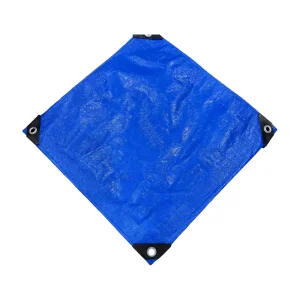
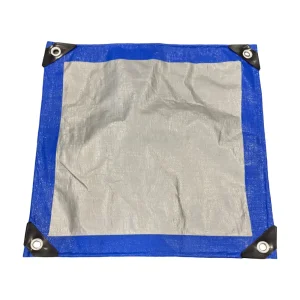
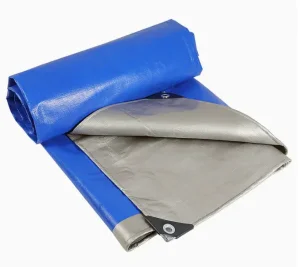
High-tensile, flame-retardant, and double-side laminated structural poly sheeting engineered for severe weather resistance, temporary agricultural shed roofing, and industrial enclosures.
How technical textiles, advanced co-extrusion polymers, and structural engineering are redefining temporary and semi-permanent roof enclosures worldwide.
The global market for tarpaulin shed roofs has experienced a paradigm shift over the past decade. Traditional heavy cotton canvas and basic non-laminated woven covers have been replaced by multi-layered High-Density Polyethylene (HDPE) woven cores laminated with Low-Density Polyethylene (LDPE) or advanced Polyvinyl Chloride (PVC) knife-coated formulations.
Modern commercial operations require shed roofing materials that offer an optimized strength-to-weight ratio, structural elasticity, thermal stabilization, and complete impermeability to hydrostatic pressure. As severe weather patterns increase worldwide, B2B procurement heads prioritize tear-propagation resistance and certified UV protection over short-term price considerations.
Procurement teams in North America, Europe, Australia, and the Middle East demand highly localized material formulations. For example, high-altitude installations in South America require extreme UV-stabilizer dosages (up to 5% Hindered Amine Light Stabilizers - HALS) to prevent polymer embrittlement.
Conversely, agricultural storage sheds in Western Europe must comply with strict DIN 4102 B1 or EN 13501-1 flame retardancy standards while maintaining structural integrity across freezing winter cycles. Chinese manufacturers have responded by implementing multi-tiered resin formulation systems specifically calibrated for regional microclimates.
How Shandong and Linyi plastic manufacturing hubs utilize end-to-end automation, polymer extrusion precision, and economies of scale to dominate the world market.
Leading Chinese tarpaulin shed roof factories operate continuous high-speed flat tape drawing lines. Raw virgin HDPE resin granules are mixed with specialized masterbatches under precise digital temperature control, producing high-denier flat yarns with minimal elongation variance.
Utilizing state-of-the-art circular looms and high-speed water-jet weaving machines, factories achieve ultra-dense mesh counts (from 8x8 to 14x14 strands per square inch). This ensures exceptional tensile strength and tear resistance across warp and weft directions.
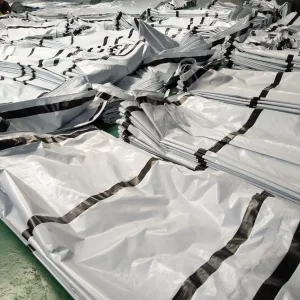
Woven substrate fabrics are fed into continuous double-sided extrusion lamination units. Melted LDPE resin seals both sides under high pressure, embedding micro-layer barriers that prevent moisture seepage, delamination, and mechanical abrasion.
Selecting the correct polymer structure for temporary, medium-duty, and heavy-duty architectural shed roofs based on physical properties and expected field lifespan.
| Material Category | Weight (GSM Range) | Tensile Strength (N/5cm) | UV Service Lifespan | Primary Industrial Application |
|---|---|---|---|---|
| Light-Duty PE (Polyethylene) | 60 - 100 GSM | 500 - 750 N | 6 - 12 Months | Short-term construction covers, light garden sunshades, temporary rain protection. |
| Medium-Duty PE Sheeting | 120 - 180 GSM | 800 - 1200 N | 12 - 24 Months | Agricultural hay bale protection, livestock shelter roofing, temporary grain warehousing. |
| Heavy-Duty Reinforced PE Tarp | 200 - 300 GSM | 1300 - 1800 N | 24 - 48 Months | Semi-permanent shed roofs, mining site enclosures, emergency disaster shelter roofing. |
| Industrial PVC Knife-Coated | 450 - 900 GSM | 2200 - 3500 N | 5 - 10 Years | Heavy commercial warehouse structures, permanent logistics tent roofs, heavy vehicle side-curtains. |
From commercial farming to remote industrial mining, explore how customized poly sheeting protects valuable assets in challenging environments.
In large-scale farming operations across North America, Australia, and Sub-Saharan Africa, constructing permanent brick-and-mortar storage facilities for grain, hay, and fertilizer is often cost-prohibitive. Heavy-duty 180–250 GSM black/silver or green/silver PE tarpaulin shed roofs offer a rapid-deployment alternative.
The reflective outer silver layer bounces solar radiation away from the shelter, maintaining lower interior temperatures, while the opaque black inner layer blocks 100% of light penetration, eliminating condensation buildup and crop spoilage.
Ports and intermodal freight terminals frequently deal with overflow cargo that requires instant weatherproofing. Custom-manufactured tarpaulin shed roofs equipped with heavy D-rings, ratchet tie-down straps, and modular lace-together panels permit logistics managers to extend covered storage space by thousands of square meters in hours.
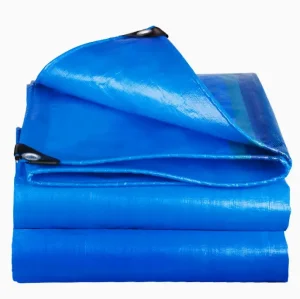
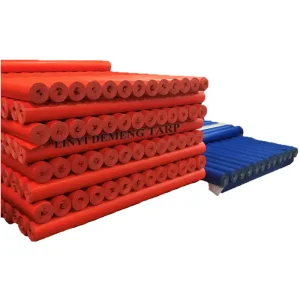
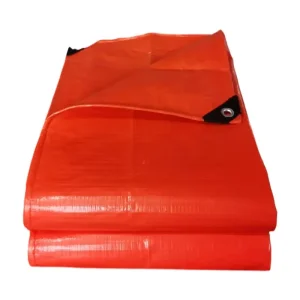
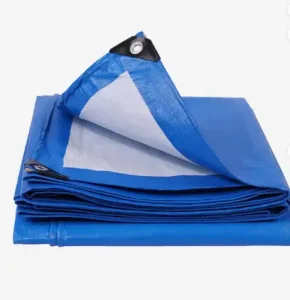
High-visibility flame-retardant blue or orange sheeting is widely utilized on scaffolding structures and temporary port shelters to meet strict workplace safety standards.
Mining installations in remote locations rely on tensioned PVC and high-GSM PE membrane roofs erected over steel frames to serve as maintenance workshops for heavy equipment. These roofs must withstand airborne particulate abrasion, diesel fumes, and intense UV exposure.
Chinese factories specialize in formulating heavy-coated tarpaulins featuring anti-static treatments, hydrocarbon resistance, and superior tear-propagation strength to survive high-wind mountain passes and desert valleys.
Global aid organizations, government disaster response teams, and NGOs mandate standardized specifications for humanitarian shelter roofing sheeting. Standard UN/UNHCR specifications require 190 GSM reinforced PE sheets with fire-retardant chemistry, high tensile strength, and cold-bend resistance down to -30°C.
China's integrated supply chain allows top manufacturers to produce and containerize hundreds of thousands of emergency shelter roof covers on short notice for rapid global dispatch.
Expert answers regarding material specification, OEM manufacturing, weatherproofing performance, and international procurement procedures.
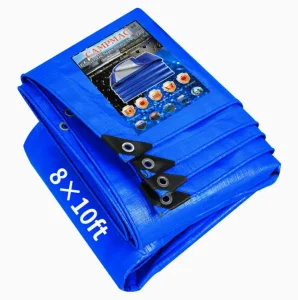
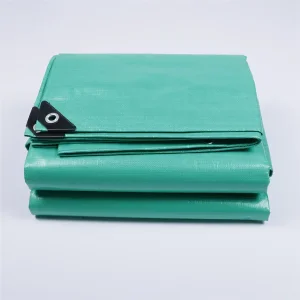
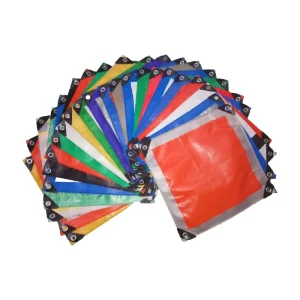
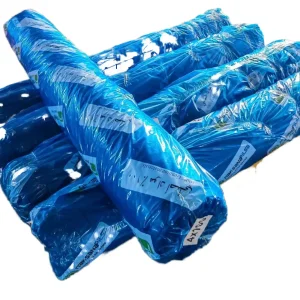
Explore our full line of ultra-waterproof PE tarpaulins, striped woven fabrics, agricultural shade sheeting, and custom ready-made covers.
Looking for factory-direct container pricing, customized GSM formulations, private label branding, or certified flame-retardant sheeting? Contact our export engineering department today.