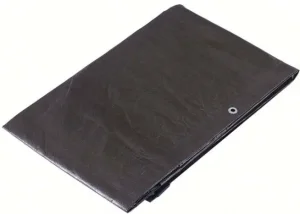
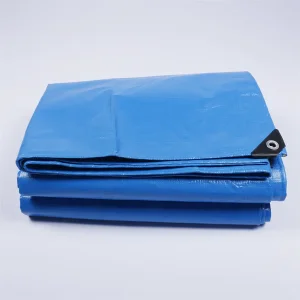
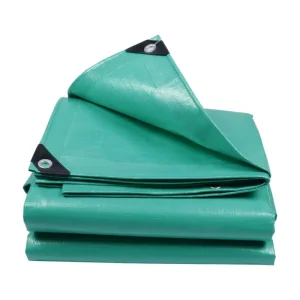
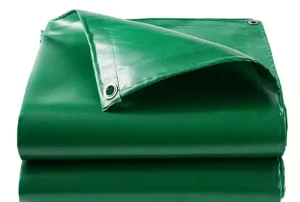
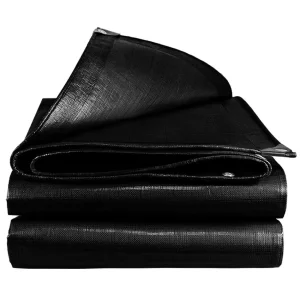
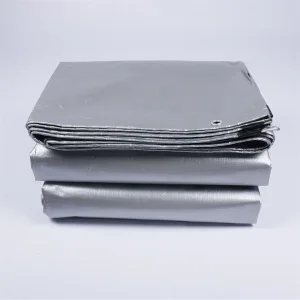
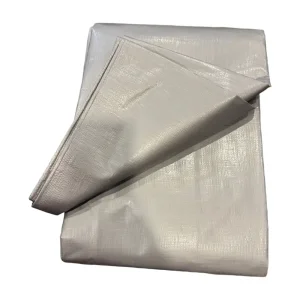
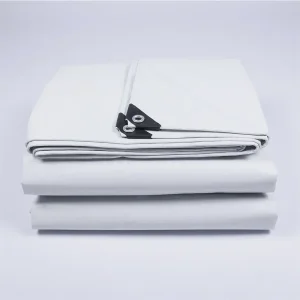
Direct factory inventory and engineered OEM solutions for transport, construction, agriculture, and outdoor shielding.
The global flexible protective cover market—encompassing high-density polyethylene (HDPE), polypropylene (PP), and polyvinyl chloride (PVC) tarpaulins—has evolved into a critical component of international commerce, industrial logistics, civil engineering, and modern agriculture. Driven by the expansion of global freight networks, emergency infrastructure needs, and intensified climatic exposure, procurement directors and B2B buyers require complete transparency regarding raw material compounding, tensile thresholds, and environmental resistance standards.
As a dominant manufacturing hub in the global market, China accounts for over 65% of world woven poly-tarp production. Chinese manufacturers leverage vertically integrated chemical-to-textile ecosystems to maintain unparalleled cost efficiency, high-volume consistency, and rapid custom turnaround times. However, evaluating a China Tarpaulin Waterproof Cover Supplier requires moving beyond simple price-per-square-meter metrics to examine structural density (mesh count), lamination thickness, UV stabilizer ratios, and thermal seam strength.
Flatbed trailer covers, side curtains, and intermodal container liners require tear resistance up to 250 N (ISO 13937-2) and waterproof ratings exceeding 100 kPa hydrostatic head to protect dry bulk and high-value equipment during extended maritime transit.
Urban construction directives mandate flame-retardant (CPAI-84 / NFPA 701 compliant) PE enclosure fabrics with reinforced eyelets spaced every 50 cm to withstand high-altitude wind loads without shedding microplastics or detaching from staging.
Hay bales, silage piles, and grain stocks require dual-color reflective tariffs (e.g., silver/black or green/brown) engineered with 3-5% Hindered Amine Light Stabilizer (HALS) masterbatch additives to endure extreme UV radiation index levels (UV 10+).
How integrated raw material sourcing, automated extrusion, and full-process quality control deliver unmatched lead time reliability and cost precision.
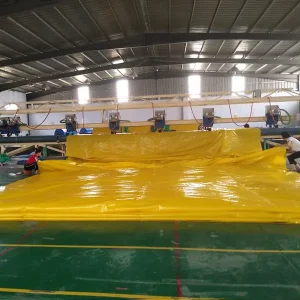
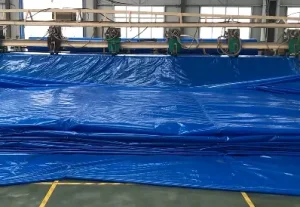
Situated in Shandong Province—China's primary hub for polyolefin plastic processing—factories like Linyi Xinshengyang Plastic Products Co., Ltd. (Star Tarpaulins) operate complete, in-house production lines spanning 30,000 m². Unlike trading intermediaries who source woven fabric, lamination, and conversion from fragmented subcontractors, vertically integrated Chinese plants control the entire chemical-to-finished-goods pipeline:
Addressing degradation mechanics, fire retardancy standards, and sustainability demands through advanced polymer chemistry.
Polyethylene is naturally susceptible to photo-oxidation when exposed to solar ultraviolet radiation (specifically UV-A and UV-B wavelengths between 290 nm and 400 nm). Solar radiation severs polymer carbon-carbon chains, causing micro-cracking, loss of tensile strength, and color fading.
Leading Chinese manufacturers now incorporate dual-action UV protection systems: **Hindered Amine Light Stabilizers (HALS)** to scavenge free radicals generated during solar exposure, paired with **Carbon Black or Titanium Dioxide (TiO2)** optical blockers. For Middle Eastern, Australian, and Sub-Saharan deployment, masterbatch ratios are calibrated to achieve 300 to 500 Kly (Kilolangley) UV endurance ratings, extending product lifespan from months to 3-5 years under continuous desert sun.
Traditional multi-material covers (such as PVC coated onto polyester scrims) present significant recycling challenges due to the difficulty of separating plasticizers, vinyl resins, and polyester fibers.
The industry's technical roadmap prioritizes **100% Recyclable Polyolefin Tarpaulins**. By using High-Density Polyethylene (HDPE) for the inner woven fabric and Low-Density Polyethylene (LDPE) for the surface film coatings, the entire tarpaulin sheet remains within the SPI Code 2 / Code 4 recycling stream. At end-of-life, discarded covers can be directly shredded, re-extruded, and converted into industrial plastic pallets, drainage pipe fittings, or secondary construction membranes without chemical sorting.
| Polymer Type | GSM Weight Range | Tensile Strength (Warp/Weft) | Temperature Resistance | Primary Industrial Applications |
|---|---|---|---|---|
| Lightweight PE Tarp | 60 - 90 GSM | 400 N / 450 N per 5 cm | -20°C to +60°C | Temporary DIY protection, cargo box lining, light rain covers |
| Medium-Duty PE Tarp | 100 - 160 GSM | 750 N / 800 N per 5 cm | -30°C to +70°C | Scaffolding containment, equipment storage, agricultural ground cover |
| Heavy-Duty Woven PE | 180 - 300 GSM | 1200 N / 1350 N per 5 cm | -40°C to +80°C | Long-term hay stack covers, roof leak defense, intermodal transport tarping |
| PVC Knife-Coated Vinyl | 450 - 900 GSM | 2200 N / 2500 N per 5 cm | -30°C to +70°C | Heavy truck side curtains, architectural membrane tents, oil containment booms |
Tailoring weave density, grommet reinforcement, and coating recipes to survive harsh environmental demands.
In European and North American urban construction, temporary scaffolding requires continuous weather enclosure sheets. Standard lightweight tarps often fail due to wind-shear flutter around eyelet anchor points.
Engineering Solution: 150–200 GSM flame-retardant (FR) white translucent PE tarpaulins fitted with welded 3-layer corner patches and high-impact plastic corner molds. Translucency allows natural daylight to illuminate work zones while blocking rain, snow, and wind forces.
Storing large round or square hay bales outdoors without proper tarping leads to internal mold growth and dry matter loss exceeding 30%.
Engineering Solution: Heavy-duty 200+ GSM Polyethylene covers featuring a dual-color system (Yellow/Black or Green/Silver). The outer silver/yellow surface reflects solar radiation, maintaining cooler temperatures under the stack, while heavy-duty hand-straps and web-loops allow secure tie-downs on blustery agricultural terrain.
Long-haul logistics across South American and Middle Eastern highway networks subject cargo covers to constant highway-speed vibration, abrasion against sharp crate edges, and sudden tropical downpours.
Engineering Solution: High-tenacity PVC knife-coated fabric (650–900 GSM) or 250 GSM reinforced double-coated PE tarpaulins featuring hot-air welded seams (100% water barrier) and anti-abrasion edge reinforcements.
Every production lot is subjected to standardized mechanical stress, hydrostatic head pressure, and accelerated weathering protocols.
Tensile grab strength and strip elongation testing executed across warp and weft directions under constant load speeds.
Pressure head testing ensuring coated membranes maintain zero water penetration under column pressures exceeding 1500 mm H2O.
Accelerated UV-A fluorescent lamp testing simulating 2,000 hours of continuous high-intensity sunlight exposure.
Chemical testing verifying absolute absence of heavy metals (lead, cadmium, hexavalent chromium) and restricted SVHC plasticizers.
Engineering, procurement, and logistics details to assist in writing strict RFQ specifications for tarpaulin imports.
Target GSM (Grams per Square Meter) selection should align with expected deployment longevity and physical stress:
• 60 – 90 GSM (Utility Grade): Ideal for low-cost retail hardware promotions, short-term painting drop cloths, or emergency single-use covers.
• 100 – 140 GSM (Standard Industrial): Designed for general construction site protection, timber wrapping, and temporary agricultural equipment shielding.
• 150 – 220 GSM (Heavy Duty Commercial): Essential for multi-season hay storage, long-distance open-bed freight covers, and high-wind scaffolding systems.
• 240 – 300+ GSM (Extra Heavy Woven PE): Used in long-term outdoor stockpiling, marine vessel winterization, and extreme climate applications.
• 500 – 900 GSM (PVC Coated Vinyl): Engineered for truck side curtains, permanent architectural tension tents, and oil booms requiring welded seam integrity.
This is a critical distinction in commercial contracts. Cut Size refers to the dimensions of the raw tarpaulin fabric sheet before perimeter folding, edge rope insertion, and corner heat-sealing take place. The finishing process typically reduces the final dimensions by approximately 3% to 5% (or 10 cm to 30 cm depending on sheet width).
If your application requires exact dimensions (for instance, covering a specific machine frame or trailer bed), specify **"Full Finished Size Requirements"** in your purchase agreement so the factory cuts the base fabric larger before hemming.
Freight optimization depends directly on packaging configurations:
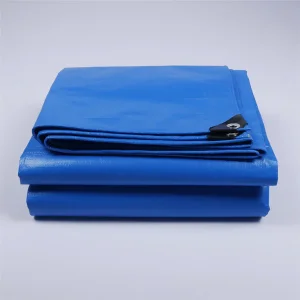
• Ready-Made Sheet Tarp Bales: Sheets are folded, individually packed in clear PE polybags with colored artwork inserts, and compressed into heavy-duty woven bales using hydraulic presses. A standard 40ft High Cube (40HQ) container can hold approximately 25 to 28 Metric Tons of compressed bales (roughly 2,200 to 2,500 bales depending on GSM).
• Carton Packaging: Preferred for retail and DIY channels. Cartons protect retail artwork but occupy ~15% more volume, reducing total weight per 40HQ container to ~21-23 Metric Tons.
• Tarpaulin Fabric Rolls: Master rolls wrapped in core-protected woven covers are loaded horizontally or vertically on pallets, typically reaching max container weight limits (26-28 MT) before volumetric limits are met.
Standard production includes rust-resistant aluminum eyelets spaced at 100 cm intervals along heat-sealed hems embedded with a poly rope line. Custom engineering options include:
1. Heavy-Duty Solid Brass or Stainless Steel Eyelets: Preferred for coastal and marine environments where aluminum corrodes under salt spray exposure.
2. Polycarbonate Plastic Eyelets: Ultrasonic welded directly into the fabric for 100% recyclable monomaterial construction.
3. Reinforced Corner Patches: Double-layered fabric triangular patches or molded plastic corner protectors engineered to distribute stress and prevent corner pull-outs under heavy winds.
4. Custom Eyelet Spacing: Precision punching at 50 cm, 45 cm (18 inches), or custom spacing specified by project blueprints.
Reputable original manufacturers routine host accredited third-party inspection firms including **SGS, Bureau Veritas (BV), TÜV Rheinland, and Intertek**. Pre-shipment inspection protocols generally verify:
• Random sampling for accurate sheet dimensions and GSM weight tolerances (typically ±3% tolerance allowed).
• Tensile load failure testing (ISO 1421) and eyelet pull-out resistance tests (minimum 350 N strain requirement).
• Waterproof pinhole testing using pressurized water spray tables.
• Barcode readability, shipping mark verification, carton drop tests, and net/gross weight logging.
Explore additional factory-direct poly woven and coated vinyl options ready for global shipment.