High-tensile polyethylene and poly-vinyl polymer covers manufactured under ISO 9001:2015 specifications for extreme weather resistance and heavy-duty transport logistics.
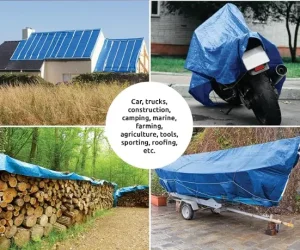
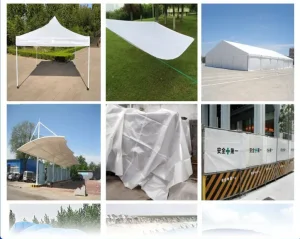
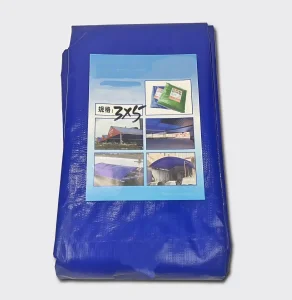
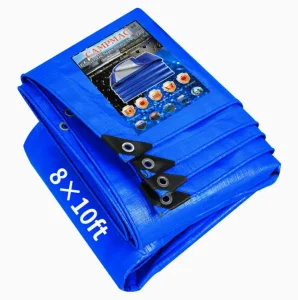
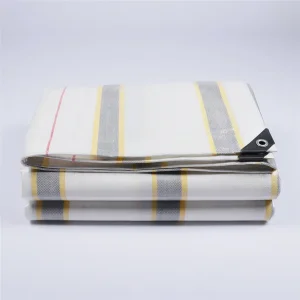
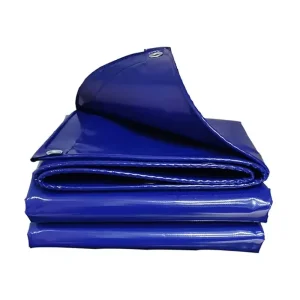
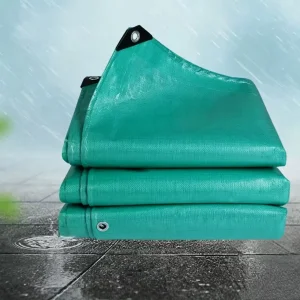
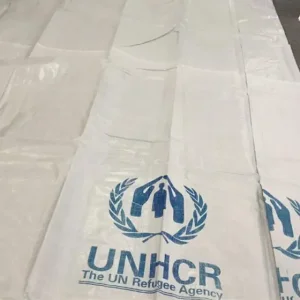
Freight protection in modern logistics demands rigorous engineering. As global overland road freight volumes swell, the humble truck bed tarp cover has transformed into an advanced engineered polymer system designed to prevent cargo loss, optimize fuel efficiency, and satisfy strict environmental haulage regulations.
Fitted truck bed tarps reduce wind drag coefficients by up to 14% on open-bed light commercial vehicles and long-haul flatbeds. Optimized tensioning systems engineered by top-tier Chinese factories eliminate flap resistance, directly cutting fleet diesel consumption and carbon emissions.
Hydrostatic head failures during intermodal transit lead to multi-billion-dollar annual insurance claims in damaged agricultural, electronic, and industrial freight. Modern multi-layer laminated PE and PVC tarpaulins maintain total water impermeability under continuous 100 kPa hydrostatic pressure environments.
Transportation authorities in North America (DOT), Europe (EN 12641-2 standard), and Australia mandate strict containment for loose cargo, sand, gravel, and agricultural yields. Industrial-grade truck bed covers act as certified restraint barriers against highway spills and environmental contamination.
When procuring heavy-duty truck covers, evaluating raw GSM (Grams per Square Meter) alone is insufficient. Enterprise procurement teams must evaluate the Weave Architecture (Denier & Mesh Density), Polymer Extrusion Quality (Virgin HDPE vs. Recycled Fillers), and Thermal Lamination Bonding Strength. High-grade Chinese manufacturers employ co-extrusion technologies that combine anti-UV, flame-retardant, and cold-crack additives directly into the matrix, guaranteeing extended operational lifespan under extreme ambient temperatures (-40°C to +80°C).
Understanding the structural differences between High-Density Polyethylene (HDPE), Polypropylene (PP), and Polyvinyl Chloride (PVC) matrix compositions for specialized commercial applications.
| Polymer / Material Type | Weight Range (GSM) | Tensile Strength (N/5cm) | UV Aging Resistance | Primary Trucking Application |
|---|---|---|---|---|
| Co-Extruded PE (HDPE Core + LDPE Coating) | 60 – 300 GSM | 800 / 1100 (Warp/Weft) | 3%–5% UV Masterbatch (3–5 Years Exposure) | Pickup Bed Covers, Light Commercial Freight, Hay & Grain Transit |
| High-Tenacity PP (Woven Micro-Fiber) | 90 – 250 GSM | 950 / 1250 (Warp/Weft) | High Tensile Heat Stabilized | Agriculture Bulk Haulage, Construction Rubble & Debris Containment |
| Knife-Coated Industrial PVC | 450 – 900 GSM | 2500 / 3000 (High-Tenacity 1000D Base) | Severe Weather & Chemical Resistance | Heavy-Duty Commercial Flatbed Side Curtains, Dump Truck Roll Tarps |
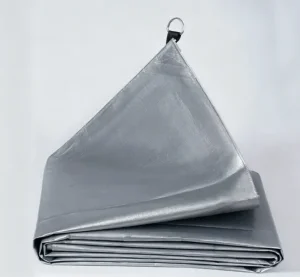
| Silver-Reflective Thermal PE | 120 – 220 GSM | 1000 / 1200 (Warp/Weft) | Dual-Side Metallic UV Blocking Coating | Perishable Cargo Transit, Cold-Chain Sun Protection |
Raw virgin resin granules (HDPE/PP) are melted and mixed with color concentrates and UV inhibitors. The molten polymer is extruded into ultra-thin films, slit into precision tapes, and drawn through thermal stretching zones to align polymer chains, creating ultra-high tensile strength yarn tapes.
State-of-the-art circular looms weave the yarn tapes into dense fabric meshes (ranging from 8x8 to 14x14 tapes per inch). This woven mesh core acts as the internal structural skeleton, providing tear resistance and dimensional stability under severe mechanical tension.
The woven base fabric passes through a continuous high-temperature double-side coating machine. Molten Low-Density Polyethylene (LDPE) or liquid PVC coating is applied evenly across both faces, sealing all inter-weave microscopic gaps to deliver a 100% liquid-proof and air-impermeable barrier.
How Chinese manufacturing hubs like Linyi Xinshengyang Plastic Products Co., Ltd. leverage vertical integration to dominate global industrial tarp exports.
From raw resin blending to extrusion tape drawing, circular weaving, double lamination, automated heat-sealing, rope-in-hem reinforcement, eyelet punching, and custom retail packaging. In-house control eliminates third-party markups and quality drift.
Every production batch undergoes automated inline ultrasonic defect detection, hydrostatic head testing, pneumatic eyelet pull-out stress verification, and xenon-arc accelerated UV weathering simulation to ensure compliance with buyer specifications.
Factory-direct custom sizing, customized corner triangle patch reinforcements, customer brand logo printing (up to 4 colors), and mixed-specification container consolidation for global importers, distributors, and fleet hardware buyers.
Field-tested truck bed cover designs customized for harsh global operating environments, from high-altitude mining to tropical highway haulage.
Challenge: Multi-day high-speed highway exposure to rain, road salt, abrasive grit, and wind shearing.
Solution: 200–280 GSM heavy-duty PE tarps or 650 GSM PVC tarps featuring heavy-gauge brass/aluminum grommets spaced at 50cm intervals with continuous rope-reinforced outer hems.
Challenge: Protecting harvested grain, cotton, and animal fodder from moisture rot and wind loss during farm-to-market transport.
Solution: Breathable or 100% waterproof PP/PE woven tarpaulins treated with non-toxic food-grade surface coatings and high-visibility UV stabilization.
Challenge: Containing sharp mineral ores, hot asphalt, aggregate dust, and gravel in dump trucks.
Solution: High-density micro-mesh tarps or ultra-thickened double-green reinforced plastic sheets engineered for maximum abrasion and puncture resistance.
Challenge: Rapid deployment under intense equatorial UV radiation or sub-zero freezing storm conditions.
Solution: Multi-purpose HDPE silver/gold sun-proof tarp rolls with high thermal reflectivity, designed for temporary vehicle covering and immediate field shelter setup.
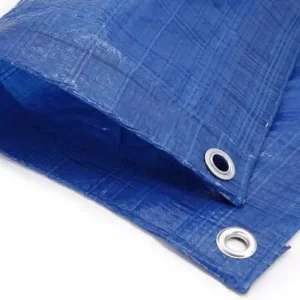
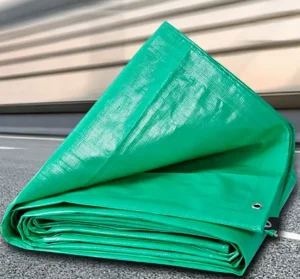
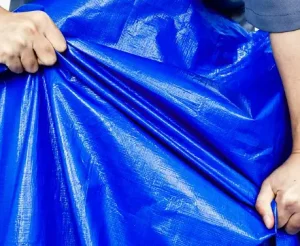
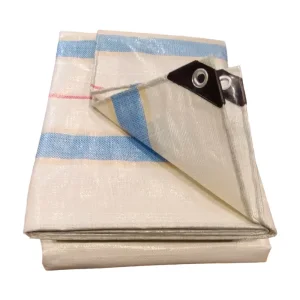
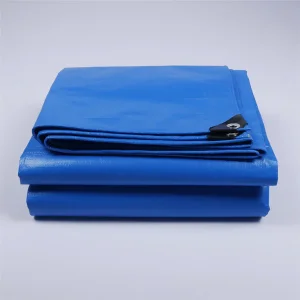
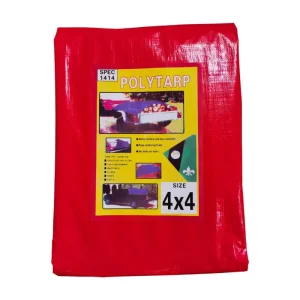
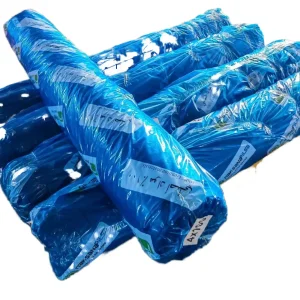
High-durability finished covers, rolls, and specialized tarpaulin fabrics engineered for immediate container shipment.
Expert guidance from our polymer engineering team on specifying, ordering, and maintaining heavy-duty truck bed tarpaulin covers.
Selecting the optimal GSM depends on vehicle velocity, cargo type, and exposure duration. For short-haul or light commercial pickup bed covers, standard 120–160 GSM PE tarpaulins provide ideal lightweight water protection. For long-haul flatbeds, highway freight trailers, and dump trucks exposed to severe wind shearing, we recommend 200–300 GSM heavy-duty poly sheets or 550–900 GSM knife-coated PVC tarpaulins featuring a 1000D x 1000D high-tenacity polyester woven core.
UV resistance is engineered directly into the polymer during tape extrusion. We blend high-purity Hindered Amine Light Stabilizers (HALS) and anti-oxidant masterbatches into virgin HDPE resins at a 3% to 5% dosage ratio. This prevents polymer chain scission under intense UV radiation, extending outdoor operational life to 3–5 years even in desert or maritime environments.
For standard stocked roll colors (Blue/Silver, Double Green, White), MOQs start at one mixed 20ft container. For customized GSM specifications, exact color matching, custom printing, or specific eyelet placements, the minimum order is typically 3 metric tons per specification. Standard production lead times range from 15 to 25 days following pre-production sample approval.
Highway wind flap can generate severe stress at grommet attachment points. Our manufacturing process integrates PP or PE reinforcement cords along the double-folded heat-sealed hem. Furthermore, critical corners feature heavy-duty triangular plastic patches and dual-riveted aluminum or rust-proof brass eyelets capable of withstanding pull-out forces exceeding 800 N.
Yes. We routinely work with international testing bodies such as SGS, Bureau Veritas (BV), and TÜV. Every container shipment can be supplied with formal test reports covering Tensile Strength (ISO 13934), Tearing Resistance (ISO 4674), Hydrostatic Head Water Pressure (AATCC 127), and Flame Retardancy (DIN 4102 B1/B2 or NFPA 701) alongside complete export documentation including Certificate of Origin (Form E/Form A).
Connect directly with our technical export engineering team to calculate container load factors, request customized swatch samples, or obtain formal FOB/CIF quotations for your market.