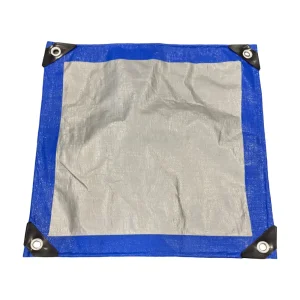
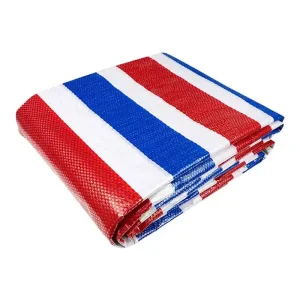
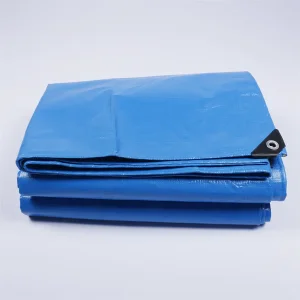
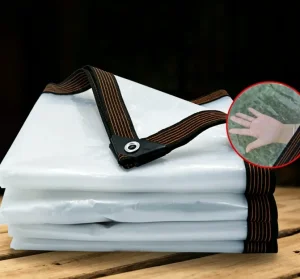
Engineered with High-Density Polyethylene (HDPE) matrix and Hindered Amine Light Stabilizers (HALS) for extreme solar irradiance protection.
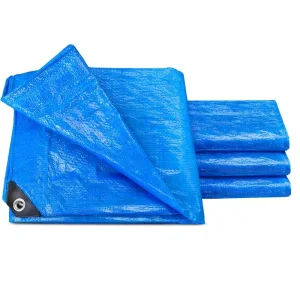
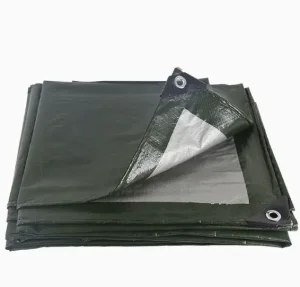
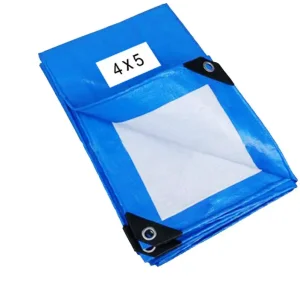
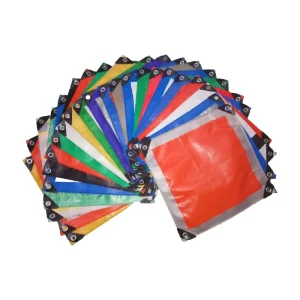
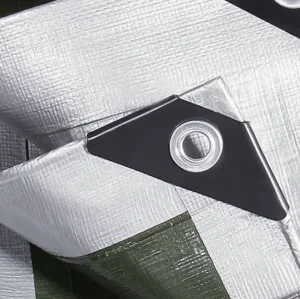
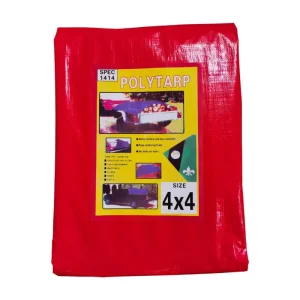
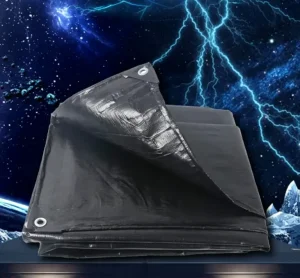
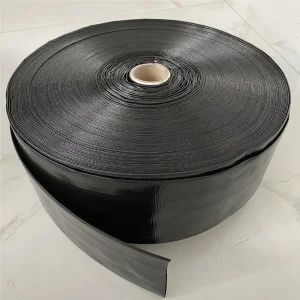
Analyzing solar degradation mitigation, polymer chain scission prevention, and the supply-chain dominance of Chinese UV fabric manufacturers.
In modern industrial and agricultural operations, synthetic polymers such as Polyethylene (PE), Polypropylene (PP), and Polyvinyl Chloride (PVC) form the structural backbone for outdoor asset protection, logistics containment, civil engineering, and macro-irrigation. However, unfiltered solar radiation—specifically Ultraviolet-A (UV-A: 315–400 nm) and Ultraviolet-B (UV-B: 280–315 nm)—acts as a catalyst for catastrophic photo-oxidative degradation.
Without industrial-grade UV stabilization, uninhibited polymer chains undergo Norrish Type I and Type II photochemical reactions, triggering free radical formation, hydroperoxide accumulation, cross-linking, and severe chain scission. Visually and mechanically, this manifests as surface micro-cracking, chalking, color bleaching, loss of elongation, and rapid structural embrittlement within months of field deployment.
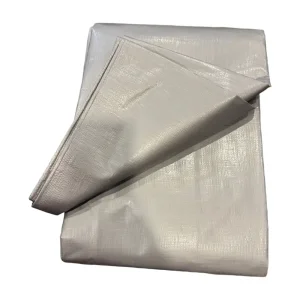
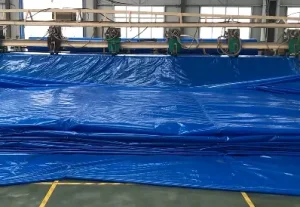
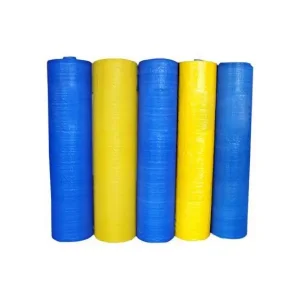
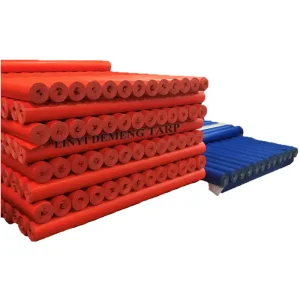
As a leading China UV Manufacturer and Supplier ecosystem, advanced production facilities in industrial hubs such as Linyi, Shandong, have integrated vertical extrusion, circular weaving, and double-side lamination with precision chemical additive dosing. By masterbatching UV absorbers (UVAs) and Hindered Amine Light Stabilizers (HALS) directly during melt-spinning extrusion, Chinese manufacturers produce commercial poly-tarpaulins, layflat hoses, and shading fabrics capable of withstanding extreme solar irradiance regimes—from the arid heat of the Middle East to high-altitude equatorial agricultural zones.
Understanding the dual-action mechanism of physical UV blockers and chemical free-radical scavengers in long-life poly-tarps.
Unlike conventional absorbers, HALS (such as Chimassorb 944 or Tinuvin 770) do not absorb UV light. Instead, they act as radical scavengers via the Denisov Cycle, continuously regenerating nitroxyl radicals to neutralize alkyl and peroxy radicals before chain degradation spreads.
Utilizing Benzotriazoles and Hydroxyphenyl-triazines to selectively absorb damaging UV photons in the 290–360 nm range. The absorbed energy is transformed via intramolecular proton transfer and harmlessly dissipated as low-energy thermal radiation.
For deep black tarpaulins and layflat hoses, furnace carbon black (particle size < 25 nm) serves as a supreme dual-function additive—acting as both a full-spectrum physical UV barrier and an effective thermal-oxidative antioxidant.
Solar radiation exposure is measured globally in Kilo Langley (KLY) per year (1 KLY = 1 kcal/cm² = 41.84 MJ/m²). Standard untreated Polyethylene degrades under just 60 KLY. Advanced OEM tarpaulins manufactured in China undergo high-concentration masterbatch blending to guarantee 120 KLY to 300 KLY durability, equivalent to 2 to 5 years of continuous outdoor exposure in Northern Australia or Arabian Peninsula desert climates.
| Polymer Base | Additives Masterbatch | Tensile Retention (ISO 4892-3) | Primary Industrial Applications |
|---|---|---|---|
| HDPE Woven Fabric + LDPE Lamination | 3% - 5% HALS (Triazine type) + TiO2 | > 85% after 1500h QUV-A | Freight Tarpaulins, Scaffolding Nets, Grain Covers |
| PP Woven Tape (Polypropylene) | High-Molecular Weight HALS + Carbon Black | > 80% after 1200h QUV-B | Weed Control Fabrics, Ground Covers, Container Liners |
| PVC Coated High-Tenacity Polyester | Liquid UV Stabilizer + Anti-fungal Biocide | > 92% after 3000h Xenon Arc | Architectural Tents, Truck Side Curtains, Oil Booms |
| LLDPE Layflat Extrusion | Phenolic Antioxidant + HALS Synergist | > 88% after 2000h QUV-A | High-Pressure Agricultural Dewatering Hoses |
Customized UV-stabilized polymer configurations tailored for harsh climate zones and heavy industrial environments.
Extending agricultural productivity with 250g+ double-sided PE tarpaulins for hay bale protection, silage sealing, and greenhouse shades. Additives prevent UV light from degrading stored feed nutrients while preventing fungal growth under intense sunlight.
Heavy-duty waterproof PE/PVC covers equipped with reinforced rope-in-hem edges and heat-sealed seams. Formulated to resist road friction, diesel spray, and aggressive solar exposure during cross-continental transit.
Geomembrane covers, temporary site scaffolding tarps, and blue-orange building covers engineered to ASTM D4355 standards. Protects structural concrete curing phases from sun-induced flash drying and severe wind loads.
Next-generation advancements in nano-structured UV shielding, bio-based poly-fabrics, and circular economy recycling.
Transitioning from micro-scale additives to sub-micron inorganic oxides. Nano-titanium dioxide and zinc oxide offer 100% optical clarity while scattering 99.8% of UV-B photons without accelerating photo-catalytic matrix breakdown.
Developing 100% recyclable Polyethylene tarpaulins synthesized from sugarcane-derived bio-ethylene. Integrated with non-migratory HALS systems, allowing full mechanical recycling without polymer chain contamination.
Implementing 5-layer co-extrusion technology where UV stabilizers are concentrated heavily in the outer skin layers (up to 7% HALS), while using economical core layers to lower production costs while extending working lifespan.
Technical guidance for wholesale buyers, importers, and structural engineers specifying China-manufactured UV tarpaulins.
Explore our complete catalog of factory-direct UV-resistant rolls, layflat hoses, and multi-purpose protective sheeting.