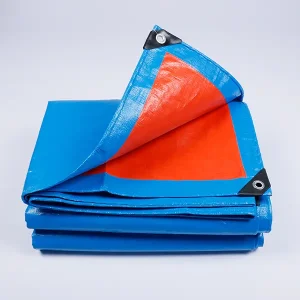
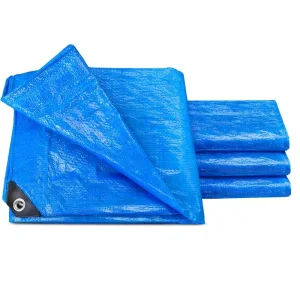
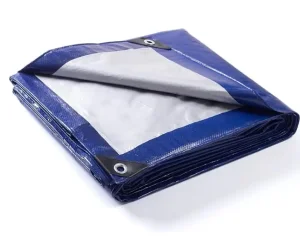
Direct OEM manufacturing specifications for industrial, construction, agricultural, and logistics applications.
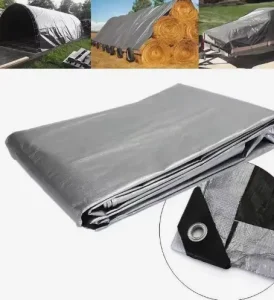
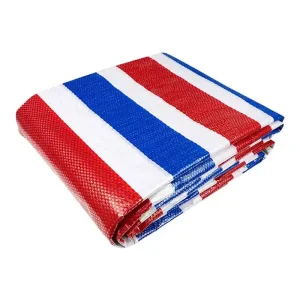
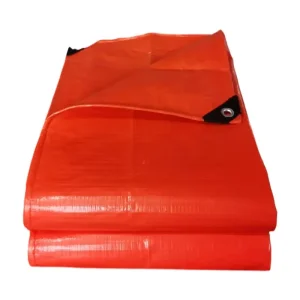
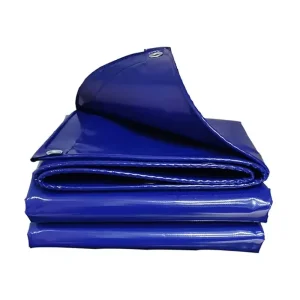
Understanding the transition from basic protective covers to high-performance polymer barrier systems.
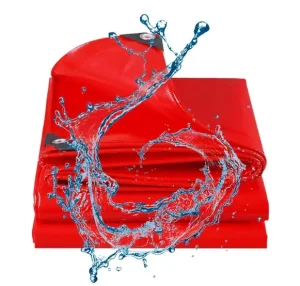
The global market for protective waterproof membranes is undergoing a structural shift toward multi-layer co-extruded Polyethylene (PE), high-tenacity Polypropylene (PP), and heavy-duty Polyvinyl Chloride (PVC). Modern industrial buyers demand engineered tensile strength, low-temperature flexibility down to -40°C, and long-term UV radiation resistance exceeding 5 years of continuous outdoor exposure.
Standard tarpaulins often fail under heavy rain due to low hydrostatic head capacity. Leading Chinese manufacturers now utilize advanced dual-sided LDPE lamination over high-density woven HDPE scrims, achieving hydrostatic pressure ratings beyond 80 kPa (ISO 811 compliant) for zero-seepage performance across extreme weather events.
B2B procurement intent for terms like "China Waterproof Manufacturers & Supplier" spans critical sectors: commercial construction scaffolding, agricultural grain storage, maritime transport, mining containment, and humanitarian emergency shelters. Buyers seek verifiable technical parameters rather than generic claims.
| Polymer Type | GSM Weight Range | Tensile Strength (N/5cm) | Hydrostatic Head | UV Durability Index | Optimal Commercial Application |
|---|---|---|---|---|---|
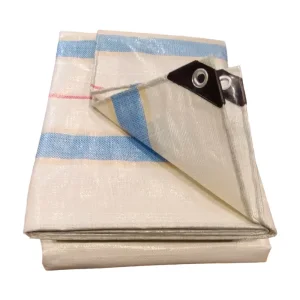
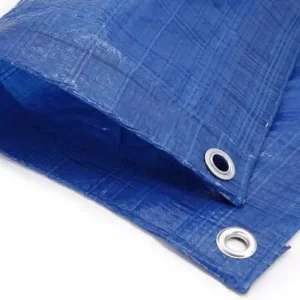
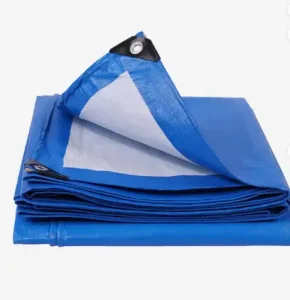
| HDPE / LDPE Coated | 60 - 300 GSM | 750 / 850 (Warp/Weft) | > 50 kPa | 3 - 5 Years (with HALS) | General covers, scaffold sheets, lumber wrap, agriculture |
| PP Woven Polypropylene | 90 - 260 GSM | 950 / 1050 (Warp/Weft) | > 40 kPa | 2 - 4 Years | Heavy-duty packaging, weed control fabric, ground liners |
| PVC Coated / Laminated | 450 - 900 GSM | 2200 / 2500 (Warp/Weft) | > 100 kPa | 5 - 10 Years | Truck side curtains, architectural tents, industrial containment |
In-depth polymer engineering, anti-aging additives, and futuristic waterproofing innovations.
Polymer degradation under solar ultraviolet radiation occurs via photo-oxidation, leading to embrittlement, color fading, and loss of mechanical strength. Chinese manufacturing leaders incorporate high-purity HALS masterbatches (3% to 5% loading ratio) directly into the virgin resin extrusion phase. This chemically traps free radicals generated by UV rays, preserving polymer chain integrity even in harsh desert or equatorial sun exposure.
Traditional needle stitching creates thousands of micro-perforations that compromise waterproof integrity. Advanced China factory lines utilize automated continuous ultrasonic heat-welding machines. By fusing internal reinforcing ropes into multi-layer folded hems and applying high-frequency thermal seal strips over joints, seam tear resistance is increased by over 300% while guaranteeing 100% water tightness.
The roadmap for waterproof polymer manufacturing focuses on 100% recyclable monomaterial constructions. By eliminating mixed resins and introducing bio-based PE polymers along with fluorine-free hydrophobic surface nano-coatings, Chinese producers are aligning with EU circular economy mandates without degrading tensile or hydrostatic strength.
100% virgin HDPE/LDPE resin mixed with color masterbatches and UV stabilizers melted into precision tapes.
Circular and flat looms weave flat tapes into high-density scrim (8x8 to 14x14 mesh counts).
Simultaneous double-sided molten LDPE coating creates impervious waterproof surface barriers.
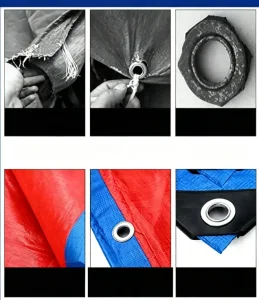
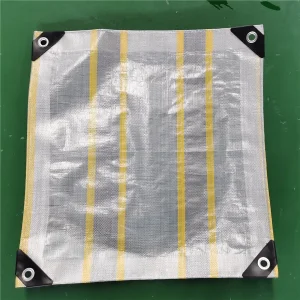
Automated cutting, rope-in-hem heat sealing, triangular corner reinforcement, and rustproof eyelet punching.
Why leading global buyers partner directly with Chinese industrial clusters for large-scale protective polymer procurement.
Industrial hubs like Linyi in Shandong Province represent the world's highest concentration of polymer extrusion and tarpaulin converting facilities. Immediate proximity to petrochemical refining centers ensures uninterrupted access to high-grade virgin polyethylene resins, reducing material cost volatility and lead times.
From yarn drawing and circular weaving to double-side coating, heat sealing, and eyelet assembly—everything is handled under one roof. Vertical control prevents inter-process contamination, eliminates middleman margins, and ensures strict quality control (QC) compliance across every production lot.
Whether fulfilling multi-container tender orders for humanitarian disaster relief or providing mixed-product consolidation (PE sheets, PVC rolls, layflat hoses, weed barriers) for regional hardware distributors, Chinese suppliers offer high operational agility with 15-25 day production lead times.
Tailored material specifications engineered to withstand regional climate extremes and industry standards.
Heavy-duty lumber wrap (PE woven 120-160 GSM) with anti-slip coatings and custom logo flexo printing. Engineered to withstand high-speed highway wind shear and freezing winter conditions across North American transport routes.
Silver-topped heat reflective PE covers with high HALS UV dosage (4-5%). Applied for livestock shade, desert crop protection, and emergency water retention pits exposed to ambient temperatures exceeding 50°C.
REACH-compliant, low-cadmium PE scaffolding sheeting and tarpaulins meeting European EN 13501-1 and DIN 4102 B1 flame retardancy standards for urban commercial building enclosures.
High-hydrostatic head PVC and heavy PE covers designed for intense tropical downpours. Used extensively for marine vessel covers, aquaculture pond lining, and open-air cargo stockpiles.
Demonstrating E-E-A-T principles through rigorous laboratory testing protocols and internationally recognized certifications.
Every batch of woven polymer undergoes electronic tensile testing. We measure breaking force in warp and weft directions, as well as trapezoidal tear resistance, ensuring eyelets will not pull out under severe wind pressure.
Using digital water column pressure testers, lamination coatings are subjected to continuous water head pressure up to 100 kPa. Zero droplet penetration across 24-hour test cycles validates total impermeability.
Samples undergo accelerated UV-B and condensation cycling in QUV weatherometers. Mechanical property retention is calculated post-exposure to guarantee target lifespan under real-world weather environments.
Our OEM manufacturing lines maintain strict adherence to international environmental and safety standards, including ISO 9001:2015 Quality Management, ISO 14001 Environmental Assurance, EU REACH Regulation (EC 1907/2006) concerning SVHC chemicals, and RoHS Directive compliance for heavy metal restriction.
Expert advice and quantitative guidance for commercial importers and procurement directors.
Selecting the optimal Grams per Square Meter (GSM) depends on exposure duration and mechanical stress:
PE (Polyethylene) tarpaulins consist of a woven HDPE scrim laminated on both sides with LDPE film. They are lightweight, highly cost-effective, 100% recyclable, and flexible in cold weather. PVC (Polyvinyl Chloride) tarpaulins utilize high-tenacity polyester base fabric coated with liquid PVC paste via knife coating or hot lamination. PVC offers superior abrasion resistance, much higher tensile/tear strength, direct weldability, and lifespans up to 10 years, though at a higher weight and price point.
UV stability is managed by blending Hindered Amine Light Stabilizers (HALS) and optical light absorbers into the virgin polyolefin resin during tape extrusion. Depending on destination climate requirements (e.g., 300 KLY for Middle East/Australia vs. 120 KLY for Northern Europe), we adjust masterbatch concentration between 3% and 5%, ensuring the fabric retains over 80% of original tensile strength after prolonged solar exposure.
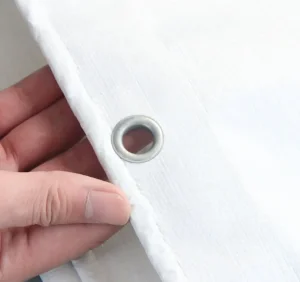
Yes. Customization options include surface flexographic printing up to 4 colors, eyelet pitch adjustment (standard 50cm, 100cm, or customer-defined spacing), eyelet material selection (aluminum, heavy-duty brass, or polycarbonate), folded hem inner rope insertion (PP or PE rope), and heavy-duty molded plastic corner patches.
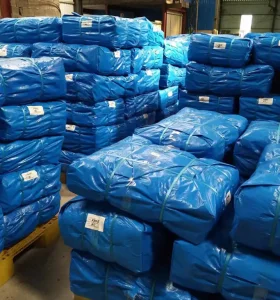
For standard stocked specifications and color combinations, MOQ starts at one mixed 20ft container (approx. 10-12 metric tons). Custom GSM, colors, or specialized retail packaging require a minimum of 3 to 5 tons per specification. Production lead time is typically 15 to 25 days following sample and artwork approval.
Every shipment is issued an internal Quality Control Certificate covering tensile strength, tear strength, GSM weight tolerance (±3%), coating thickness, and hydrostatic pressure testing. We fully support third-party pre-shipment inspections by independent agencies such as SGS, BV, or Intertek upon request.
Explore specialized industrial roll covers, custom curtains, and specialized poly sheeting options.