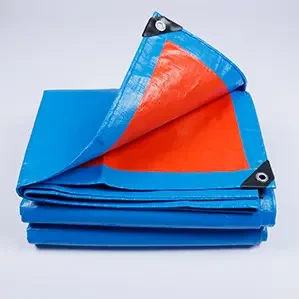
Direct from our precision extrusion, weaving, and chemical-coating facility. Engineered for extreme weather, military logistics, and heavy construction deployments.
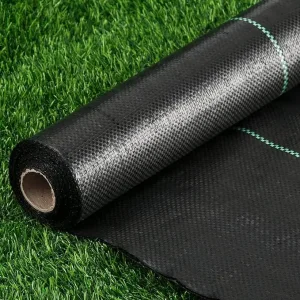
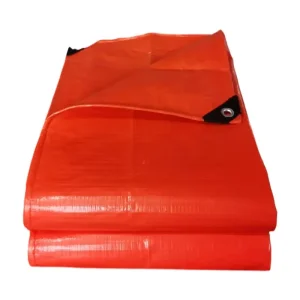
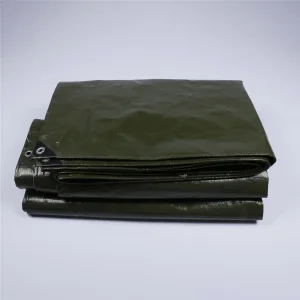
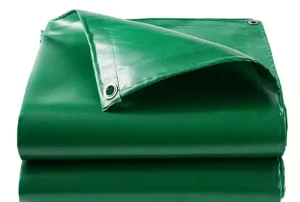
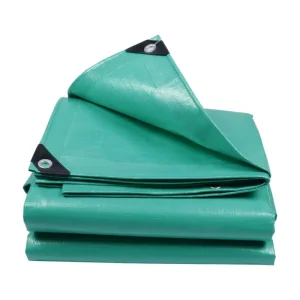
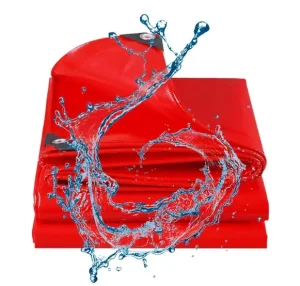
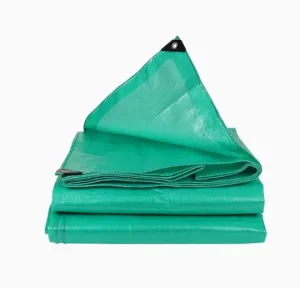
An exhaustive technical analysis of heavy-duty cotton duck canvas, synthetic poly-canvas hybrids, military specifications, and high-performance protective coating technologies.
The modern commercial market for army surplus canvas tarpaulins has undergone a profound technological transformation. Originally standardized for rugged military field encampments, vehicle covering, and tactical supply depot protection, military canvas has evolved from heavy wax-dipped cotton duck into highly sophisticated chemical-blended textiles. Today’s industrial procurement officers, commercial distributors, and government contractors demand products that balance traditional high-breathability natural fibers with advanced synthetic coatings, fire retardancy, and extreme ultraviolet (UV) stabilization.
As a premier manufacturer operating a fully integrated vertical production plant—spanning polymer extrusion, high-density shuttleless weaving, automated liquid coating, heat-welding, and brass eyelet riveting—we deliver high-gain technical information to assist buyers in navigating the trade-offs between cotton duck density (measured in oz/yd² or GSM), tensile tear strength, hydrostatic head resistance, and field longevity.
Fabricated according to strict defense specifications including MIL-C-43627 and MIL-PRF-32002. Tested for seam shear strength, flame spread resistance (CPAI-84 / NFPA 701), and multi-year rot prevention in humid soil environments.
Unlike standard non-porous plastic covers, our silicone-impregnated cotton duck canvas provides 100% rain resistance while permitting interior moisture and condensation to vent freely, preventing cargo rust and mold formation.
Every production batch undergoes automated optical web scanning for weave defects, destructive hydrostatic pressure testing up to 100 kPa, accelerated weatherometer UV exposure, and cold-crack testing down to -40°C.
Understanding regional procurement demands, shifting regulatory mandates, and supply chain dynamics driving the army surplus tarpaulin industry worldwide.
In the North American procurement sector, the demand for authentic military-spec heavy-duty canvas covers remains at an all-time high. Driven by commercial logistics fleets requiring durable flatbed truck covers, agricultural machinery protection, and a booming commercial surplus gear retail sector, buyers prioritize 10oz to 18oz double-fill cotton duck. The market has shifted heavily toward non-wax, silicone-treated canvas that leaves no color bleed or foul odor on luxury equipment or agricultural commodities.
European buyers demand full REACH compliance and strict fire resistance certifications (DIN 4102 B1, BS 7837). Industrial scaffolding contractors and humanitarian relief agencies favor eco-friendly canvas formulations free of paraffin wax and halogenated flame retardants. Hybrid fabrics blending recycled cotton fibers with high-tenacity polyester warp yarns are rapidly taking market share in European municipal and infrastructure sectors.
Operating in harsh desert climates like Saudi Arabia, the UAE, and Western Australia requires tarpaulins engineered with extreme heat tolerance and maximum UV master-batch loading (4% to 5% active hindered amine light stabilizers). Army surplus style olive-drab and desert-tan tarpaulins are heavily deployed in open-pit mining operations, oil rig equipment shading, and remote military border outposts.
Rapid industrialization across Southeast Asia and Latin America has spurred massive demand for cost-effective heavy-duty protective covers. Port authority cargo storage, maritime deck logistics, and agricultural grain drying require high-tensile PE/PVC composite tarpaulins alongside traditional canvas sheets, requiring factories to maintain versatile manufacturing capabilities across polymer and woven textile segments.
How next-generation material science, eco-friendly chemical formulations, and automated manufacturing are revolutionizing military-grade canvas production.
Traditional oil-wax and paraffin treatments increase canvas weight by 20–30%, become sticky in summer heat, and crack in sub-zero winters. Modern manufacturing focuses on nano-silicone immersion technology, yielding a dry, highly breathable, 100% water-repellent finish that maintains fabric flexibility down to -40°C without adding unneeded dead weight.
To overcome the organic degradation of pure cotton canvas without sacrificing breathability, our factory has introduced matrix weaving: weaving high-tenacity filament polyester cores wrapped in staple cotton fibers. This achieves a 40% increase in tear resistance and double the burst pressure while preserving authentic canvas touch and vapor-permeability.
Future military surplus procurement requires canvas that manages thermal and visual reflection. Advanced spectral dyes and pigment treatments now allow army surplus canvas to absorb or scatter Near-Infrared wavelengths (700-1100nm), reducing visibility under night-vision surveillance systems during field camouflage deployment.
Aligning with global ESG directives, our factory is phasing out PFOA/PFOS fluorocarbon water repellents in favor of bio-based hydrophobic waxes and eco-polyurethane coatings. Combined with recycled cotton yarn sourcing, we provide commercial buyers with fully sustainable industrial tarpaulin solutions.
Comparative benchmark data for B2B procurement officers evaluating material choices across Cotton Canvas, Poly-Canvas, Heavy-Duty PE, and Industrial Coated PVC.
| Specification Property | Traditional Wax Cotton Canvas | Silicone Army Duck Canvas | Heavy Duty PE Poly Tarp | PVC Coated Industrial Tarp |
|---|---|---|---|---|
| Base Material Weight | 12 oz / 16 oz / 20 oz per sq yd | 10 oz / 14 oz / 18 oz per sq yd | 120 GSM – 300 GSM | 450 GSM – 900 GSM |
| Waterproofing Level | Water Resistant (Wax Immersion) | 100% Hydrostatic Water Repellent | 100% Impermeable Lamination | 100% Impermeable Liquid PVC |
| Vapor Breathability | Moderate (Vapors pass slowly) | High (Prevents rust/condensation) | Zero (Non-breathable plastic) | Zero (Non-breathable plastic) |
| Tensile Strength (Warp/Weft) | 1200 N / 1000 N | 1600 N / 1400 N | 850 N / 750 N | 2500 N / 2200 N |
| Temperature Range | -10°C to +60°C (Stiff in cold) | -40°C to +90°C (Flexible) | -20°C to +70°C | -30°C to +70°C |
| UV Lifespan (Outdoor) | 1.5 – 3 Years | 3 – 5 Years (UV Treated) | 1 – 2 Years (3% Masterbatch) | 4 – 7 Years (Coated) |
| Fire Resistance Specs | Can be treated (CPAI-84) | Inherently FR (NFPA 701) | Optional FR Additive | Self-extinguishing (B1 Grade) |
Tailored canvas tarp engineering designed to conquer extreme climate conditions, tactical demands, and industrial protection needs.
Challenge: Heavy moisture build-up inside soldiers' field tents causes equipment decay, hypothermia, and gear spoilage.
Solution: 14oz Silicone-treated olive drab duck canvas with heat-sealed seams and brass eyelets every 24 inches. Breathable material prevents condensation while blocking driving rain.
Challenge: High-speed road wind resistance tears thin tarps, while non-breathable plastic tarps sweat, corroding exposed steel machinery.
Solution: 18oz Heavy-duty double-fill poly-canvas tarps fitted with triple-stitched webbing hems, reinforced D-rings, and extreme wind-tear resistance.
Challenge: Storm damage requires instant roof tarping that resists high winds, flying debris, and prolonged UV breakdown during recovery.
Solution: Fire-retardant (CPAI-84 certified) heavy canvas sheets with triangular corner reinforcement patches for maximum anchor tension pull strength.
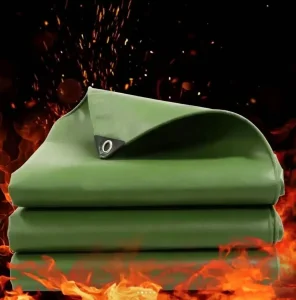
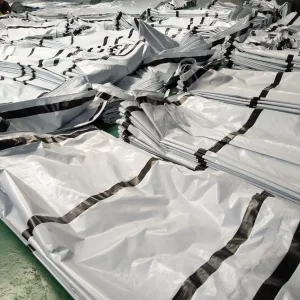
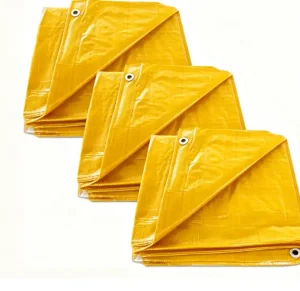
Complete your procurement requirement with our extended inventory of fireproof, UV-stabilized, and heavy-duty poly and PVC tarpaulin rolls.
Direct answers from our Senior Textile Engineers to streamline your contract specifications and OEM custom factory orders.
Traditional Waxed Canvas is immersed in paraffin or oil-based wax. While highly water-resistant, wax increases fabric weight by 20-30%, can rub off onto covered gear, smells distinctively, and stiffens significantly in cold temperatures. Silicone-Treated Army Canvas utilizes molecular silicone chemical bonding. It remains 100% dry to the touch, generates zero odor or color transfer, maintains complete breathability to prevent equipment rusting, and stays soft and pliable down to -40°C.
In standard military textile trade: 1 oz/yd² equals approximately 33.9 GSM (grams per square meter). Common industry conversions include: 10 oz/yd² ≈ 340 GSM; 12 oz/yd² ≈ 400 GSM; 16 oz/yd² ≈ 540 GSM; 18 oz/yd² ≈ 610 GSM. Note that chemical treatment (waterproofing, FR coating) will add an extra 10% to 20% to the final finished product weight.
Yes. We apply specialized chemical fire-retardant baths during the finishing process to ensure compliance with international safety standards, including CPAI-84 (Camp Tent Specification), NFPA 701 (Standard Methods of Fire Tests for Flame Propagation), and European DIN 4102 B1. Test certificates are provided per production lot upon request.
We supply heavy-gauge brass, stainless steel, and anti-rust heavy aluminum eyelets. Eyelet pitch can be customized from every 18 inches (45 cm) to 36 inches (90 cm) along double-stitched, rope-reinforced hems. For extreme tension applications, we weld triangular rubber/PVC corner patches to prevent eyelet pull-out under high wind loads.
For standard stocked colors (Olive Drab, Tactical Tan, Camouflage) and weights, our standard MOQ is one 20ft container (which can be mixed across different sheet sizes and roll widths). Custom color matching, special chemical formulations, or OEM logo printing requires an MOQ of 3 metric tons per specification. Standard factory production time is 15 to 25 days following sample approval.
Our quality control laboratory conducts batch-level ISO 13934-1 tensile strength tests using computerized universal strength testing equipment. Seams are double-stitched with rot-proof polyester thread or radio-frequency heat-welded (for PVC/PE blends). We perform hydrostatic head testing (AATCC 127) up to 10,000 mm H2O pressure to guarantee zero seam leakage.