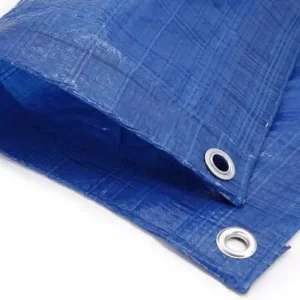
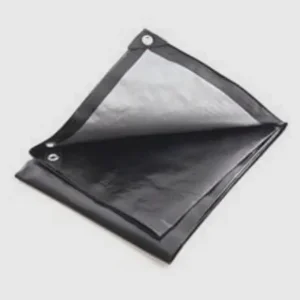
Explore our top-tier industrial tarpaulins, heavy-duty covers, and protective sheeting engineered for global supply chains, logistics, agriculture, and construction.
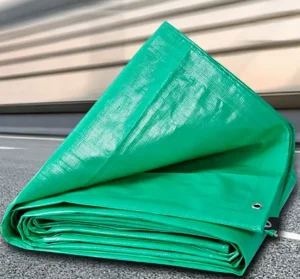
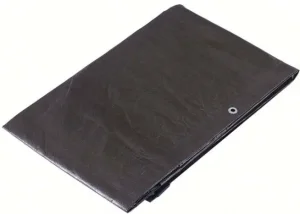
In modern international trade, agricultural infrastructure, heavy construction, and freight logistics, the demand for high-performance, weather-resistant industrial protective covers has evolved far beyond standard tarpaulin sheets. Modern enterprise sourcing managers require precise polymer engineering, verifiable tensile strength, optimized light blockout parameters, high hydrostatic head resistance, and eco-sustainable circular recyclability.
As a premier Wholesale Cover Supplier & Factory based in Linyi, Shandong—China's global epicenter for woven polyolefin manufacturing—Linyi Xinshengyang Plastic Products Co., Ltd. (operating internationally under the Star Tarpaulins brand) operates a fully vertically integrated 30,000 m² manufacturing ecosystem. Our engineering processes bridge raw High-Density Polyethylene (HDPE), Polypropylene (PP), and Polyvinyl Chloride (PVC) resin processing directly into finished, heavy-duty protective covers used across more than 40 countries.
Precision tape drawing utilizing virgin HDPE resin blended with Hindered Amine Light Stabilizers (HALS) to achieve optimal molecular orientation and tensile strength prior to weaving.
Low-Density Polyethylene (LDPE) molten film extruded simultaneously onto both fabric faces, creating a 100% impervious, pinhole-free hydrostatic moisture shield.
Ultrasonic heat-sealing integrated with high-tenacity PP perimeter cords and rustproof aluminum/brass eyelets engineered to withstand severe wind loads.
Global buyers frequently evaluate procurement decisions based on total cost of ownership (TCO), material reliability, production agility, and supply chain scalability. China's industrial polyolefin cluster—specifically centered in Shandong Province—offers unique structural advantages that cannot be replicated by regional converters or trading intermediaries.
Unlike downstream converters who purchase grey fabric rolls from third-party mills, a true Chinese OEM factory manages the entire value chain in-house: virgin polymer granule compounding, filament extrusion, high-speed circular weaving, extrusion lamination, automatic cutting, seam thermal-welding, grommet punching, and final bale/carton packing. This vertical chain ensures zero variation in GSM weight tolerances (controlled within ±2%), zero color shade drift, and complete control over internal quality parameters.
Direct integration with major global petrochemical resin producers (Sinopec, SABIC, ExxonMobil) enables high-volume procurement of virgin HDPE, LLDPE, and PP resins. By leveraging centralized petrochemical hubs, Chinese manufacturers mitigate raw material volatility and pass significant cost efficiencies down to wholesale distributors, commercial contractors, and international brand partners.
Modern factory floors in Linyi are equipped with water-jet loom networks and wide-width extrusion lamination lines capable of producing continuous seamless fabric up to 6 meters in width. Advanced heat-sealing stations weld multiple panels into massive custom covers (e.g., 20m x 30m, 30m x 50m) with structural joints that match the tensile strength of the base woven fabric.
With an annual production capacity exceeding 20,000 metric tons, Star Tarpaulins maintains rapid turnaround times. Standard stock specifications can be containerized within 10–15 days, while complex OEM orders (custom grommet spacing, specialized UV formulations, retail color boxes) ship within 20–25 days via direct intermodal routes to Qingdao and Lianyungang ports.
Quantitative performance measurements logged during standardized quality control procedures across our manufacturing lines.
| Material Classification | Standard Weight Range | Weave Mesh Density | Hydrostatic Resistance | Primary Industrial Use Case |
|---|---|---|---|---|
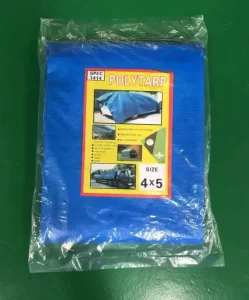
| Lightweight PE Tarpaulin | 60 GSM – 90 GSM | 8 x 8 / 9 x 9 | > 80 kPa | Short-term protective wrap, DIY drop cloths, emergency rain shields |
| Medium Commercial Poly Tarp | 100 GSM – 160 GSM | 10 x 10 / 12 x 12 | > 120 kPa | Hardware retail, construction site enclosures, boat covers |
| Heavy-Duty Industrial Poly Tarp | 180 GSM – 300 GSM | 14 x 14 / 16 x 16 | > 180 kPa | Grain warehouse covers, hay stack tarps, long-term equipment protection |
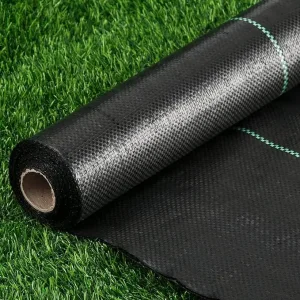
| PP Woven Geotextile & Covers | 90 GSM – 250 GSM | Flat Woven Mesh | Permeable / Laminated | Weed barrier landscape fabric, driveway underlayment, soil stabilization |
| PVC Knife-Coated Tarpaulin | 450 GSM – 900 GSM | 1000D x 1000D Base | > 300 kPa | Truck side curtains, architectural membrane structures, heavy trailer tarps |
The global industrial covers and tarpaulin market is undergoing rapid transformation driven by stringent regulatory frameworks, circular economy mandates, extreme weather anomalies, and digitalized inventory management. Modern enterprise sourcing directives must align with these macro industry developments:
Traditional multi-material covers combining PVC coatings with polyester scrims face high recycling barriers in North America and the EU. The industry is rapidly pivoting toward Mono-Material All-Polyethylene (PE) constructions—where base fabric, lamination layers, hem ropes, and corner reinforcements are made entirely of polyolefin chemistry, rendering the product 100% mechanically recyclable.
As global Solar UV Index ratings intensify in agricultural hubs like the Middle East, Australia, and Northern Africa, standard UV additives are no longer sufficient. Modern cover factories incorporate nano-dispersed Hindered Amine Light Stabilizers (HALS) and thermal UV reflectors (such as specialized silver/white masterbatches) that block photo-oxidation and extend outdoor operational lifespans up to 3–5 years under continuous solar exposure.
For fleet operators, shipping lines, and intermodal transport providers, tarpaulins are transforming into intelligent assets. Integration of RFID tags, passive heat-sensors, and anti-theft conductive grid wires into truck curtains and container liners enables real-time cargo monitoring, automated asset tracking, and enhanced security during cross-border freight operations.
Industrial covers serve as critical infrastructure components across diverse global sectors. Sourcing requirements must adapt to environmental stress factors, handling mechanics, and regional compliance codes.
Scenario: Large-scale grain storage in North America, hay bale preservation in South America, and weed control in commercial horticultural nurseries.
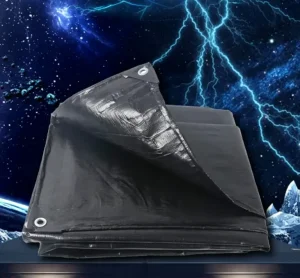
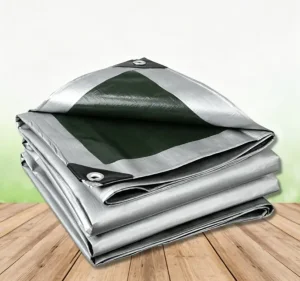
Engineering Answer: Heavy-weight PE tarps (200 GSM+) engineered with dual-side silver/black or yellow lamination. The silver outer face reflects infrared heat to lower internal pile temperatures, while the black inner layer provides total light opacity to prevent mold growth and seed spillage. For weed suppression, UV-stabilized woven PP geotextiles permit air and water infiltration while completely blocking weed root emergence.
Scenario: Urban high-rise building construction in Europe, concrete slab hydration in arid climates, and temporary roofing after storm events.
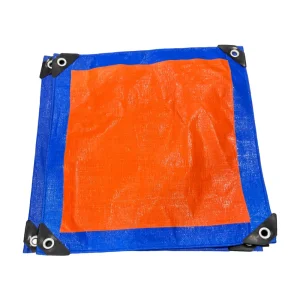
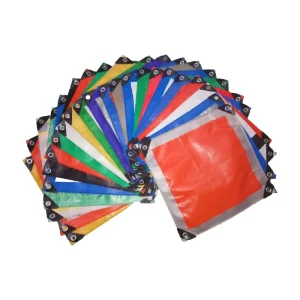
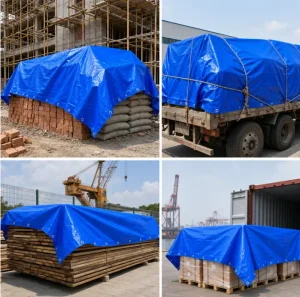
Engineering Answer: High-visibility blue/orange or clear-reinforced poly sheeting featuring reinforced eyelets at 50 cm intervals. Flame-retardant (FR) masterbatch additives meeting EN 13501-1 / NFPA 701 standards are incorporated into the lamination matrix to ensure compliance with strict job site fire safety regulations.
Scenario: Long-haul flatbed trucking across severe terrain, ocean shipping container liners, and bulk agricultural cargo transport.
Engineering Answer: Tough 270 GSM PE truck covers or 650 GSM PVC knife-coated side curtains designed with reinforced webbing straps, D-rings, and heavy corner patches. High tear-propagation resistance prevents minor surface punctures from escalating into catastrophic seam ruptures under highway wind pressure.
Scenario: Natural disaster emergency shelter response coordinated by international aid agencies and UN procurement programs.
Engineering Answer: Pre-cut 4m x 6m standard relief tarpaulins manufactured strictly to international humanitarian specifications (e.g., UNHCR/ICRC standards). Features include high tear resistance, white heat-reflective lamination, reinforced bands, and compact bale packing engineered for high-density air-drop or container transport.
For enterprise procurement officers, purchasing industrial covers from overseas manufacturers involves rigorous supplier qualification. To ensure seamless contract execution and zero supply chain disruption, buyers should verify the following operational benchmarks:
Demand batch-level laboratory test reports. Critical tests include ASTM D751 (Standard Test Methods for Coated Fabrics), ASTM D5034 (Grab Breaking Strength), and hydrostatic pressure tests (DIN EN 20811) verifying water column resistance up to 200+ kPa.
The weakest point of any cover is its hem and grommet seam. Enterprise specifications require double-folded rope hems, 3-ply corner patches, and high-tensile brass/aluminum grommets engineered to endure pull-out stresses exceeding 500 N without fabric deformation.
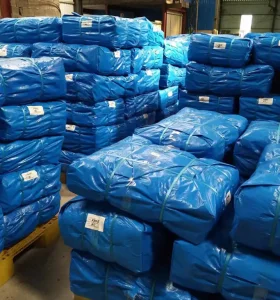
Efficient export packing maximizes container space and reduces ocean freight cost per unit. Professional factories offer hydraulic high-density bale packing for industrial sheets (achieving up to 25 tons per 40HQ) or automated carton packing with scannable GS1 barcodes for hardware retail display.
Explore our secondary catalog of specialized tarpaulins, landscape fabrics, truck cargo tarps, and custom-sized emergency covers.
Answers to critical sourcing, polymer engineering, logistics, and quality assurance questions frequently raised by corporate buyers, import distributors, and contract engineers.