Direct factory specs engineered for high tear resistance, complete waterproof integrity, and prolonged atmospheric exposure.
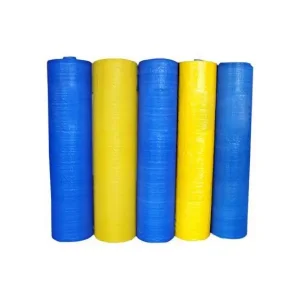
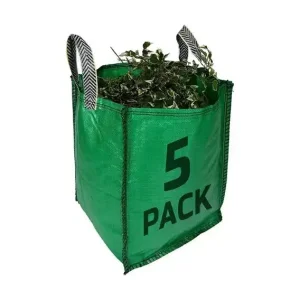
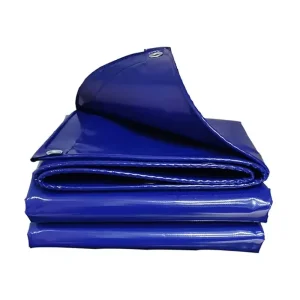
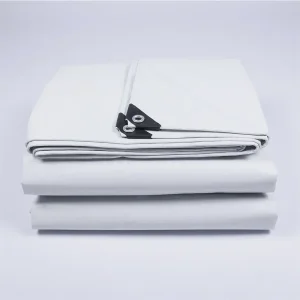
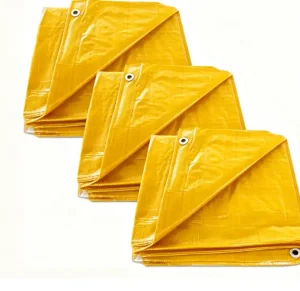
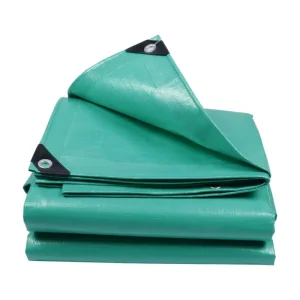
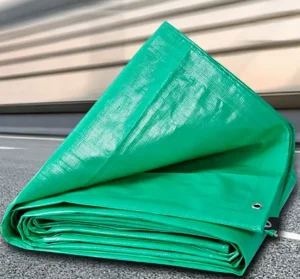
In modern global logistics, large-scale civil engineering, automated agriculture, and maritime bulk freight, standard industrial tarpaulins frequently fail under severe weather stress. Traditional light-to-medium covers deteriorate rapidly when subjected to dynamic wind loads, continuous solar ultraviolet radiation (UV), chemical exposure, and sub-zero mechanical flexure. This industry technical guide explores the engineering paradigms behind Wholesale Extra Heavy Duty Tarpaulin Manufacturing, focusing on structural polymer integrity, weave geometry, thermal lamination dynamics, and bulk procurement criteria.
As an established original equipment manufacturer (OEM) operating out of Linyi, Shandong—the epicenter of China's woven plastic industry—Linyi Xinshengyang Plastic Products Co., Ltd. (Star Tarpaulins) has advanced industrial-grade poly-fabric production. By fully integrating tape extrusion, high-density circular weaving, double-sided molten polyethylene/polyvinyl chloride lamination, and automated ultrasonic hem-sealing, extra heavy-duty protective fabrics achieve optimal performance. Fabric weights extending from 180 GSM to 300 GSM for reinforced PE/PP and up to 900 GSM for knife-coated PVC meet rigorous technical compliance standards worldwide.
Global importers, regional distributors, and government procurement directors often face trade-offs between unit costs, tensile reliability, and lead-time predictability. Sourcing extra heavy duty tarpaulins directly from tier-1 Chinese manufacturers resolves these challenges through concentrated structural advantages:
Direct pipeline access to virgin High-Density Polyethylene (HDPE), Low-Density Polyethylene (LDPE), and Polypropylene (PP) resins ensures zero contamination, consistent melt-flow indexes, and uniform tensile strength across every production batch.
Linyi’s industrial ecosystem consolidates masterbatch formulators, high-speed water-jet looms, circular looms, and specialized hardware suppliers (brass/aluminum eyelets, PP rope), driving down production overheads while maintaining strict Quality Control (QC).
Modern multi-span coating machines process wide-format rolls up to 6 meters without seam welding. Automated heat-welding lines join panels for massive stadium, agricultural, or roof covers with uniform hydrostatic pressure ratings.
The commercial protective cover sector is shifting toward material longevity, environmental sustainability, and functional performance under harsh conditions. Key technological advancements include:
Standard poly tarps degrade quickly under intense tropical sunlight due to photo-oxidation of the polymer backbone. By infusing Hindered Amine Light Stabilizers (HALS) and UV-328 absorbers at a 3%–5% concentration into the molten resin during extrusion, polymer lifespan in high-UV regions (e.g., Middle East, Australia, Sub-Saharan Africa) increases to 36+ months of continuous outdoor service.
Industrial construction and indoor storage require strict fire safety compliance. Modern heavy-duty tarpaulins integrate antimony trioxide and halogenated/non-halogenated flame retardants, reaching certified compliance under international standards like DIN 4102 B1, EN 13501-1, and NFPA 701.
Environmental regulations in Europe and North America favor single-polymer structures. Mono-material PE tarpaulins (100% HDPE woven core + 100% LDPE lamination layer) allow easy mechanical recycling without complex polymer separation, supporting sustainability goals.
Extra heavy-duty tarpaulins serve as vital protective barriers across critical global industries. Their structural versatility addresses diverse environmental challenges:
Flatbed trailers, intermodal shipping containers, and open-top railcars require heavy-duty truck tarps (200–650 GSM). Outfitted with reinforced webbing belts, D-rings, and welded seams, these covers resist wind tearing at high highway speeds while protecting freight from rain and road salt.
Construction sites rely on heavy-duty poly tarps as weatherproof enclosures, temporary roof repairs, and concrete curing blankets. Insulated poly blankets prevent thermal loss during cold-weather concrete pours, accelerating cure cycles and preventing structural cracking.
Large-scale farms use high-GSM tarps for hay bale protection, grain storage covers, and silage pond liners. Superior tear strength and anti-fungal treatments keep stored crops dry and free from mold contamination.
Geographic variations in climate require tailored material formulations:
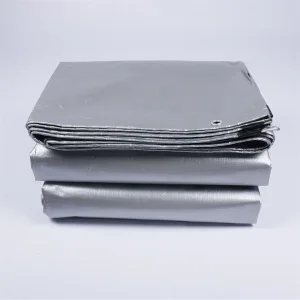
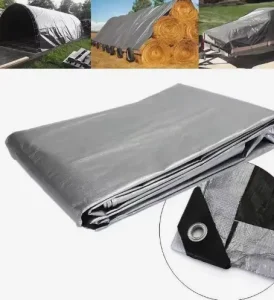
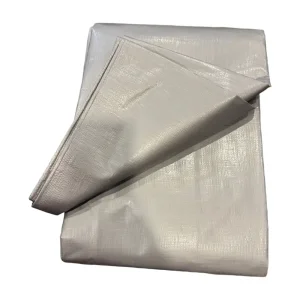
Focuses on high UV heat deflection. Thermal reflective silver double-coated PE tarpaulins block infrared radiation, lowering under-tarp temperatures by up to 12°C in outdoor storage setups.
Requires flexibility at sub-zero temperatures (-40°C). Specially formulated low-temperature plasticized PVC and virgin PE prevent cold-cracking during winter handling in Canada, Scandinavia, and Northern Asia.
Requires ultra-high hydrostatic pressure resistance (>100 kPa) and reinforced perimeter webbing to withstand torrential rains, intense humidity, and severe wind squalls in Southeast Asia and Latin America.
Features heavy-duty PVC and PE covers equipped with grade 304/316 stainless steel or solid brass eyelets to resist salt spray spray corrosion and prevent metal rust streaks on vessel hulls.
B2B procurement managers and sourcing agencies evaluate suppliers using strict mechanical parameters. Authentic heavy-duty tarpaulins undergo standardized physical testing to verify field performance:
Measures maximum tensile stress before fabric rupture. Heavy-duty woven HDPE cores (12x12, 14x14 mesh counts) deliver warp/weft tensile strengths exceeding 1200 N / 5cm, preventing wind-induced tearing.
Determines water resistance under pressure. Double-extruded molten LDPE layers maintain a continuous waterproof barrier rated above 2000 mm H2O column pressure, keeping cargo dry under heavy rain.
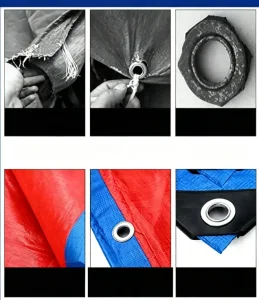
High-stress failures usually occur at eyelet attachment points. We reinforce sheet corners with triangular plastic patches and double-stitched rope hems, raising eyelet pull-out resistance beyond 850 N force.
Every roll and finished sheet manufactured at our plant passes through an 8-stage quality control process:
Virgin HDPE raw material is melted, blended with UV stabilizers, and extruded into high-tenacity flat yarn tapes.
Circular and flat looms weave flat tapes into high-density poly fabrics with precise mesh grids (e.g., 10x10 to 14x14).
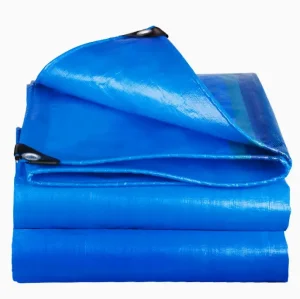
Double-sided LDPE molten plastic is laminated over the woven substrate, creating a 100% waterproof seal.
Automated cutting tables slice Master rolls into exact buyer-specified finished dimensions (metric or imperial).
High-temperature thermal seam welders fold edges over continuous PP reinforcing cords to prevent edge fraying.
Pneumatic eyelet machines press heavy-duty aluminum, brass, or plastic eyelets at designated intervals (e.g., 50cm, 1m).
Molded black plastic patches are riveted onto all four sheet corners to absorb high tension loads during tie-down.
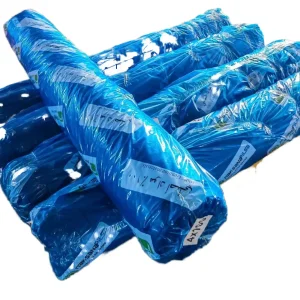
Finished sheets are folded, sealed in heavy polybags, inserted into outer woven bales or export display cartons, and loaded into containers.
Specialized protective tarpaulin fabrics, concrete blankets, and custom covers designed for enterprise applications.
Expert answers to common engineering, commercial, and logistic questions from corporate tarpaulin buyers.
Partner directly with Linyi Xinshengyang Plastic Products Co., Ltd. (Star Tarpaulins). Receive container load optimizations, custom GSM samples, and competitive OEM pricing within 24 hours.
Contact Wholesale Sourcing Team