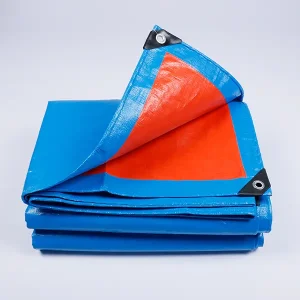
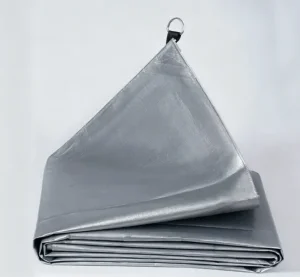
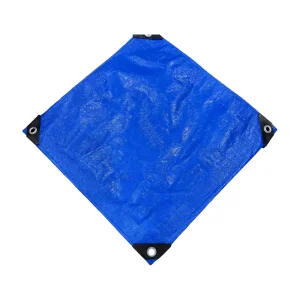
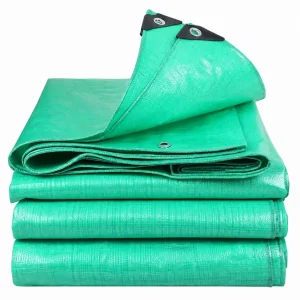
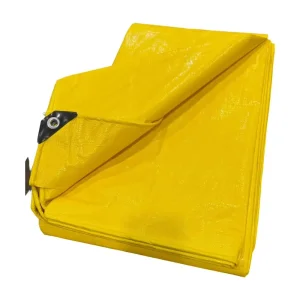
Engineered high-density polyethylene laminated covers, rolls, and customized protective sheets direct from our automated manufacturing facility.
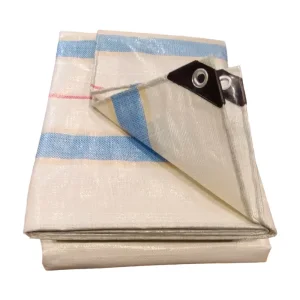
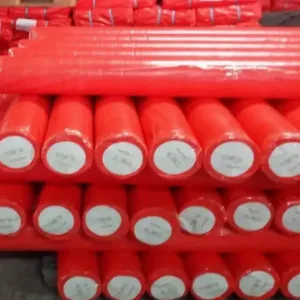
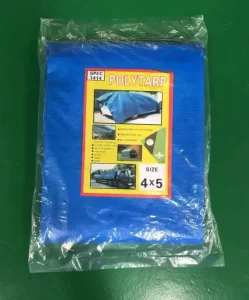
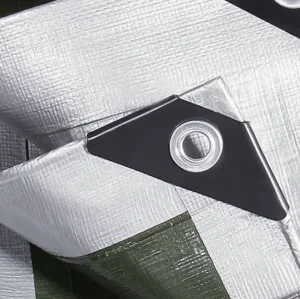
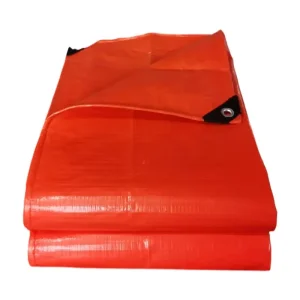
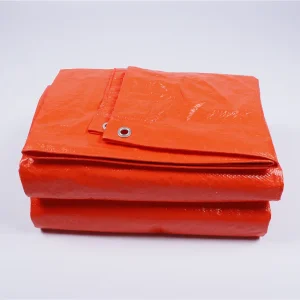
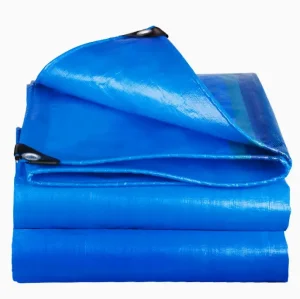
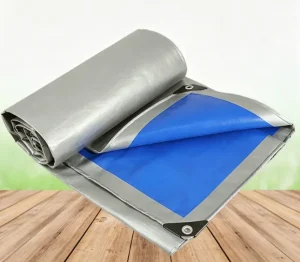
The global demand for high-performance polyolefin protective covers—specifically High-Density Polyethylene (HDPE) Fabric Laminated Tarpaulins—is undergoing a structural evolution. Driven by expanding intermodal logistics, extreme climate events, global infrastructure investments, and modern agricultural protection, B2B procurement officers are shifting away from traditional PVC co-polymers toward lighter, fully recyclable, and chemically inert HDPE multi-layer laminated structures.
Unlike standard unlaminated woven fabrics, HDPE laminated tarpaulins utilize a triple-layer architectural composite: a high-tenacity HDPE woven core fabric (providing tensile load resistance) encapsulated on both sides by Low-Density Polyethylene (LDPE) or Linear Low-Density Polyethylene (LLDPE) extruded film coatings (providing absolute hydrostatic head water impermeability). This engineering synergy yields an exceptional weight-to-strength ratio, reducing freight overhead while maintaining rugged puncture and tear resistance.
As a leading original manufacturer located in Linyi, Shandong—China's primary hub for polyolefin conversion—Linyi Xinshengyang Plastic Products Co., Ltd. (Star Tarpaulins) operates at the epicenter of this global shift, supplying over 20,000 metric tons of high-grade tarpaulin rolls and fabricated sheets annually to distributors, government procurement agencies, and industrial end-users across 40+ countries.
Deciphering the physics of polyolefin extrusion, molecular orientation, UV degradation kinetics, and multi-layer thermal bonding.
Raw virgin HDPE resin (Melt Flow Index 0.7–1.0 g/10min) is extruded into high-tenacity flat tapes. Through controlled mono-axial orientation and heat setting, polymer chains align parallel to the draw direction, elevating tensile strength to >9.5 g/denier.
Denier ratings are precisely calibrated from 500D up to 1500D to balance flexibility and load capacity across varying industrial applications.
High-speed water-jet and circular looms weave oriented HDPE tapes into balanced mesh substrates (density ranging from 8×8 to 14×14 threads per inch). This woven mesh delivers structural tear-propagation resistance, ensuring localized punctures do not cascade across the sheet.
Ensures zero diagonal distortion during heavy wind-load tensioning in field installations.
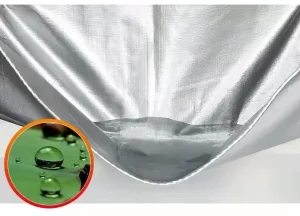
The core HDPE fabric passes through twin molten LLDPE film extruders. A mirror-finish chill roll bonds the molten film to both fabric faces under high nip-roll pressure, creating a seamless, pinhole-free 100% waterproof barrier.
Achieves hydrostatic head pressure resistance exceeding 150 kPa per ISO 811 standards.
Polyolefins inherently degrade when exposed to solar ultraviolet radiation (UV-A and UV-B wavelengths). Solar photons induce free-radical chain scission, resulting in polymer embrittlement, chalking, and premature loss of tensile strength. To counter this degradation, Star Tarpaulins integrates high-efficiency Hindered Amine Light Stabilizers (HALS) combined with UV absorbers directly into the masterbatch matrix during film extrusion.
Our engineering roadmap includes next-generation innovations:
From sub-zero Arctic transport to arid Middle Eastern construction sites, discover how engineered HDPE laminated tarpaulins excel in demanding real-world environments.
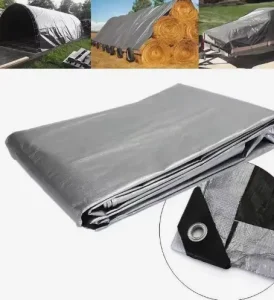
High-density 180–250 GSM silver/black laminated sheets protect outdoor grain bunkers, silage stacks, and cotton bales against rain ingress, wind erosion, and thermal degradation. Dark inner layers block light penetration to inhibit fungal growth.
Heavy-duty 200–300 GSM custom-fabricated truck covers with reinforced rope hems, welded seams, and brass grommets sustain high wind shear and highway abrasion during cross-continental freight transit.
Used universally for scaffolding containment nets, temporary storm-damaged roof seals, concrete curing blankets, and heavy machinery protection across commercial building sites in Europe and North America.
Compliant with UNHCR and Red Cross specification standards, our lightweight 80–110 GSM white/blue poly tarps provide immediate, cost-effective weatherproofing for emergency shelters in disaster-affected regions.
Sourcing HDPE fabric laminated tarpaulin directly from Linyi Xinshengyang Plastic Products Co., Ltd. provides global buyers with unmatched structural costs, technological scale, and supply chain continuity. Linyi City, Shandong Province, is recognized globally as the largest processing center for woven polyolefins.
Located near Asia's major petrochemical refining complexes (Sinopec, PetroChina), our plant procures virgin resin in direct bulk pipeline quantities. This insulates our wholesale buyers from volatile ocean freight fluctuations and spot-market polymer spikes.
We do not outsource processing. From resin masterbatch mixing, flat tape extrusion, high-speed circular weaving, to dual-face extrusion coating, ultrasonic seam welding, and eyelet riveting—100% of operations occur inside our 30,000 m² factory under ISO 9001 supervision.
Situated within 200 kilometers of Qingdao Port and Lianyungang Port, our facility enables containerized shipments to reach key Western and Asian ports with minimal inland transit friction.
Every production batch undergoes five rigorous laboratory tests before export release:
Navigating global import regulations, toxicological declarations, and environmental standards effortlessly with Star Tarpaulins.
Our polyolefin formulations strictly adhere to EU Regulation (EC) No 1907/2006 (REACH). Tarpaulins are guaranteed free of Substances of Very High Concern (SVHC), phthalate plasticizers, lead, cadmium, and heavy metal colorants.
Optional fire-retardant tarpaulin grades are engineered to pass North American NFPA 701, CPAI-84, and European DIN 4102 B1 flame safety requirements for public scaffold enclosures and temporary event covers.
We deliver total private-label support: custom surface flexographic printing (up to 4 colors), barcode retail labels, custom color masterbatching, and heavy-duty poly-bag inner packaging engineered for retail display.
Expert technical clarity to streamline your B2B procurement decisions.
The difference lies in yarn denier, mesh density, and coating thickness. A 90 GSM tarp typically utilizes a 500D yarn with an 8×8 mesh density and light dual-side coating (ideal for temporary DIY covers). A 250 GSM tarp uses 1000D+ high-tenacity yarn, a dense 14×14 weave, and heavy LLDPE lamination, increasing tensile strength from ~450 N/5cm to over 1400 N/5cm for heavy industrial, agricultural, and freight use.
We add 3% to 5% HALS (Hindered Amine Light Stabilizers) masterbatch into both the inner extruded HDPE flat tapes and the outer LDPE barrier coatings. Unlike sacrificial UV absorbers, HALS continuously regenerates during photothermal cycles, neutralizing free radicals formed by solar radiation. This extends continuous outdoor field life in high-UV areas (such as the Middle East or Australia) to 2–5 years depending on GSM.
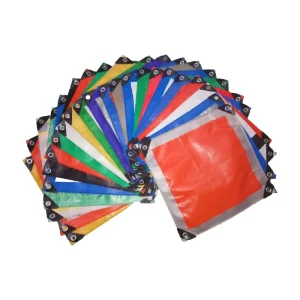
Yes. Our dual extrusion coating lines feature dual resin dies, allowing us to laminate two different color films simultaneously. Popular combinations include Blue/Silver and Green/Silver (where the outer reflective silver layer reflects solar thermal radiation while the dark inner layer blocks light penetration).
For custom production runs (custom GSM, colors, or printed logos), our standard MOQ is 3 metric tons per specification, or one mixed 20ft container (approx. 10–12 tons). Standard lead time for full container orders is 15 to 25 calendar days post pre-production sample approval.
HDPE laminated tarpaulins are significantly lighter than PVC (reducing container freight costs and manual handling labor), offer superior flex-crack resistance at sub-zero temperatures (-40°C), contain zero phthalate plasticizers, and are 100% recyclable as a single polyolefin material polymer.
Explore our full line of commercial tarpaulins, striped sheets, and specialized industrial covering materials.