Engineered for high-tensile resistance, UV longevity, and absolute waterproof protection across global supply chains.
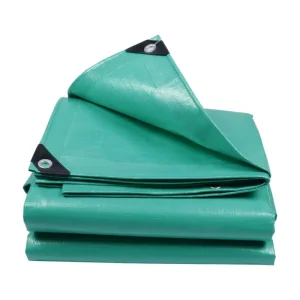
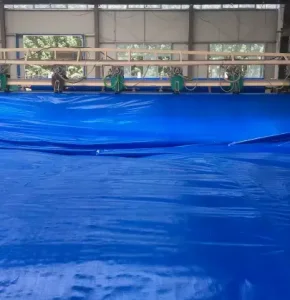
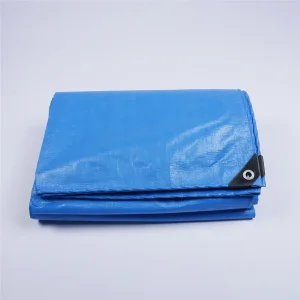
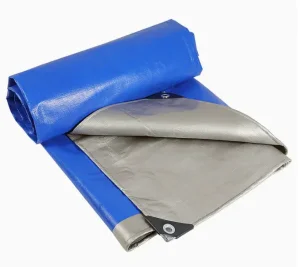
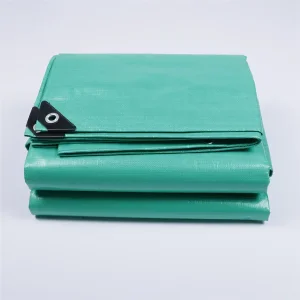
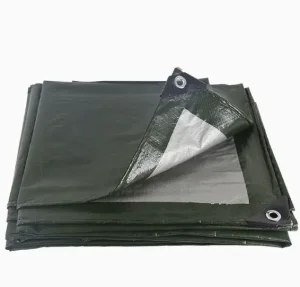
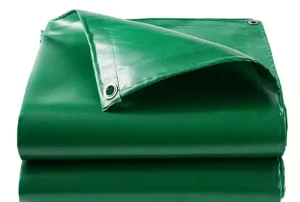
In global trade, agricultural logistics, infrastructure development, and maritime transport, industrial tarpaulins serve as essential protective barriers against weather extremes, physical abrasion, and chemical degradation. Sourcing high-grade poly-woven tarpaulins (Polyethylene/PE, Polypropylene/PP) and coated textiles (Polyvinyl Chloride/PVC) requires a granular understanding of polymer chemistry, tensile engineering, and supply chain logistics.
As international supply chains face climate volatility and heightened economic pressure, global procurement leaders are moving beyond basic price-per-square-meter purchasing. Today's commercial strategy prioritizes information gain, total cost of ownership (TCO), resin purity, anti-aging Masterbatch ratios, and factory vertical integration.
Analyzing the structural advantages of Linyi, Shandong, and key plastic manufacturing hubs in delivering cost-efficiency and technical consistency.
Linyi City in Shandong Province stands as China's premier logistics and plastic processing capital. The cluster provides immediate access to high-density polyethylene (HDPE) and low-density polyethylene (LDPE) virgin resins, reducing upstream material freight costs and stabilizing bulk price fluctuations.
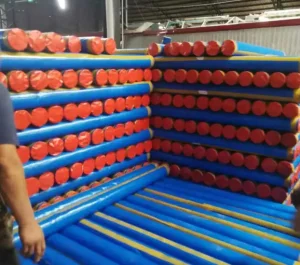
Leading Chinese factories house the entire value chain within single 30,000 m² facilities: flat tape extrusion, high-speed circular weaving, double-sided film lamination, ultrasonic heat-sealing, and automated eyelet punching. This guarantees zero outsourcing delays and batch-to-batch structural integrity.
Equipped with modern water-jet and circular looms operating 24/7, advanced Chinese facilities maintain short lead times (15–25 days for container-load orders), accommodating multi-specification product mixes (rolls, readymade sheets, layflat hoses) in unified shipments.
Selecting the optimal polymer base depends directly on mechanical stress requirements, weather exposure duration, and thermal thresholds. Below is an engineering comparison matrix designed for technical B2B buyers and tenders.
| Polymer Type | Density / GSM Range | Tensile Strength (N/5cm) | Weathering / UV Life | Primary B2B Use Cases |
|---|---|---|---|---|
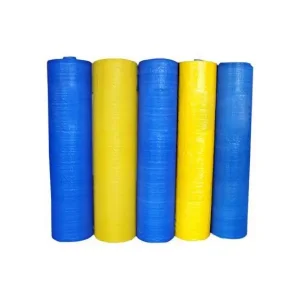
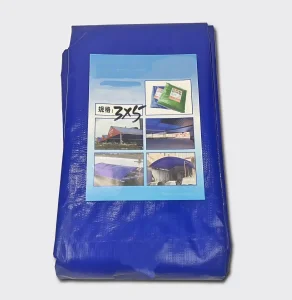
| Laminated PE (Polyethylene) | 60 GSM – 300 GSM | 600 – 1500 N | 1 – 3 Years (UV Stabilized) | Construction scaffolding, grain drying, cargo covers, emergency shelters |
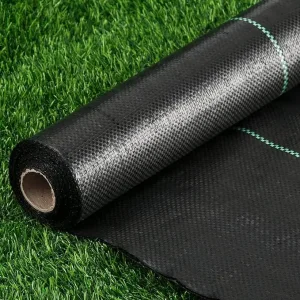
| Woven PP (Polypropylene) | 90 GSM – 220 GSM | 800 – 1800 N | 1 – 2 Years | Weed barrier fabrics, high-stiffness ground mats, geotextile underlayment |
| Knife-Coated PVC | 400 GSM – 900+ GSM | 2000 – 4000 N | 5 – 10+ Years | Heavy-duty truck side curtains, architectural tension structures, oil booms |
How Tier-1 manufacturers satisfy global procurement audits, environmental compliance, and structural performance criteria.
International buyers require factories certified under ISO 9001:2015 for quality management, alongside compliance with REACH (EC 1907/2006) and RoHS ensuring the absence of toxic heavy metals, phthalates, or banned plasticizers in food-grade or agricultural tarpaulins.
Standard tarpaulins often fail at attachment points. Industrial-grade manufacturing incorporates PP rope-reinforced perimeter hems, heavy-duty polycarbonate or aluminum grommets spaced every 50cm, and sonic-welded triple-layer molded plastic corner patches.
Industrial protective covers must adapt to harsh localized operational conditions. OEM manufacturers tailor GSM, colors, and physical treatings to fit distinct global sectors:
High-density PE and heavy PVC tarps engineered for flatbed truck covers, container liners, and trailer side curtains. Features high tear strength to withstand dynamic wind loads at highway speeds.
Food-contact safe PE tarps customized for post-harvest grain drying, silage pit lining, and tobacco curing. Specialized anti-heat silver-coated layers keep internal crop temperatures stable.
Flame-retardant mesh and heavyweight sheet tarpaulins designed to protect open construction zones, debris containments, and temporary emergency roofs following severe weather events.
Heavy-duty, saltwater-resistant coated fabrics for heap-leach pad covers, mineral stockpile protection, ocean freight covers, and marine oil containment boom barriers.
The global industrial tarpaulin sector is undergoing rapid technological transformation driven by sustainability requirements and digital supply chain integration.
Traditional multi-layer tarps bonded with incompatible polymers pose recycling challenges. Next-generation PE tarpaulins utilize 100% single-family polyethylene (HDPE woven substrate with LDPE film coating), enabling complete closed-loop mechanical recycling without sorting.
Advanced double-sided silver/black and silver/green laminations incorporate IR-reflective pigments. These specialized tarpaulins reduce surface temperatures by 10°C–15°C under direct solar radiation, dramatically lowering heat build-up under agricultural and livestock shelters.
Modern factories are transitioning from conventional stitching to continuous high-frequency hot-air thermal bonding lines. This creates 100% fuse-welded seams with zero needle-hole micro-leaks, critical for liquid containment layflat hoses and heavy-duty water storage tanks.
Direct engineering guidance to assist procurement managers in formulating exact quotation specifications.
Discover high-tensile tarpaulins, landscape weed barrier fabrics, and irrigation hose solutions for wholesale procurement.