Engineered for high thermal retention, extreme weather resilience, and heavy-duty industrial applications.
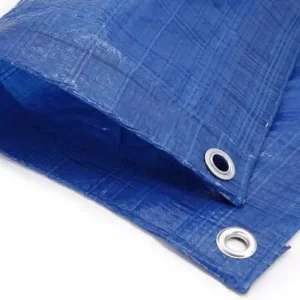
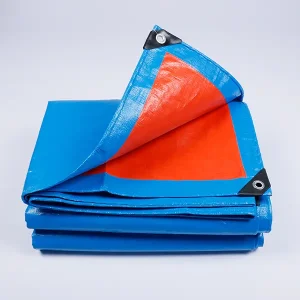
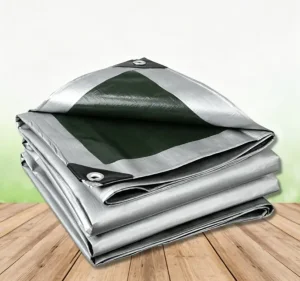
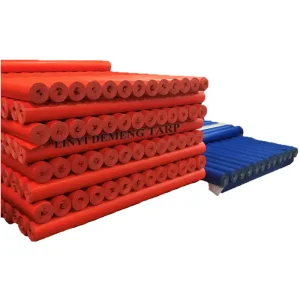
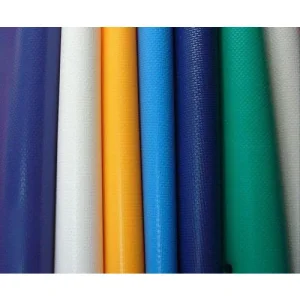
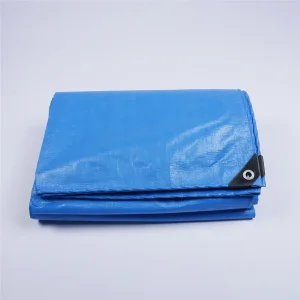
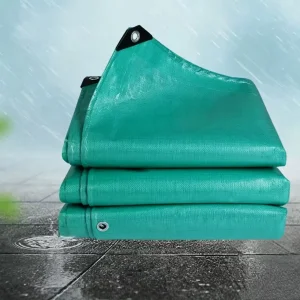
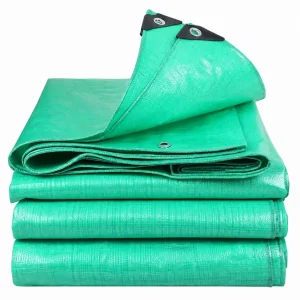
How Advanced Closed-Cell Foam Cores and Radiant Heat Reflective Coatings Are Transforming Thermal Management in Construction, Logistics, and Agriculture.
Modern commercial specifications have shifted from simple bubble-wrap linings to engineered closed-cell Expanded Polyethylene (EPE) and Cross-linked Polyethylene (XPE) cores. These materials prevent thermal bridging and guarantee consistent R-values even under heavy mechanical compression.
Winter construction standards in North America (ASTM C1064) and Northern Europe now mandate active heat retention during concrete hydration. Advanced insulated blankets maintain optimal exothermic reaction temperatures down to -30°C, accelerating project timelines by 40%.
With global fuel costs fluctuating, logistics fleets rely on custom thermal curtains to partition reefer trailers. Quality thermal barriers reduce reefer unit diesel consumption by up to 28% while maintaining stringent FDA/HACCP temperature compliance.
Technical Insight: The thermal performance of an insulated tarpaulin is governed not just by raw thickness, but by structural air entrapment and surface emissivity. Modern factory 4.0 production combines high-tenacity PE/PVC outer skins with metallized PET film barriers to achieve radiant heat reflectance exceeding 95%.
B2B buyers require exact thermal metrics, weather durability, and regulatory compliance. Here is how leading enterprise buyers select high-performance insulated tarps.
| Performance Parameter | Standard Poly Tarp | Commercial Insulated Tarp | Factory 4.0 Heavy-Duty Thermal Tarp | Primary Enterprise Benefit |
|---|---|---|---|---|
| Thermal Resistance (R-Value) | R-0.2 to R-0.5 | R-2.0 to R-4.0 | R-6.0 to R-8.5 | Prevents freezing in sub-zero environments; maintains cold-chain thermal barriers. |
| Foam Core Density | None (Single Layer) | 2px - 4px Bubble / EPE | 6mm - 12mm High-Density EPE/XPE | Resists puncture, crushing under foot traffic, and thermal degradation. |
| Tensile Strength (Warp/Weft) | 600 N / 800 N | 1200 N / 1400 N | > 2200 N / 2500 N | Survives high wind-loads on scaffolding and open-deck freight transport. |
| UV Weathering Life | 3 - 6 Months | 1 - 2 Years | 3 - 5 Years (with 5% UV Masterbatch) | Dramatically reduces replacement frequency on long-term industrial projects. |
| Flame Retardancy | Non-treated | Optional CPAI-84 | NFPA 701 / B1 DIN 4102 Certified | Ensures full jobsite safety compliance for commercial infrastructure construction. |
When issuing RFQs to wholesale insulated tarpaulin manufacturers, ensure specifications demand: double-stitched perimeter hems reinforced with rot-proof polypropylene webbing, rust-proof brass/aluminum grommets spaced at 18-inch intervals, and ultrasonic lamination to prevent inner core displacement during handling.
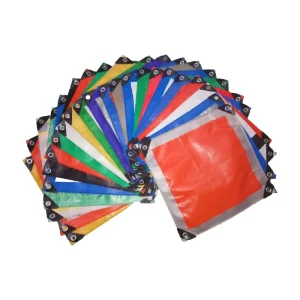
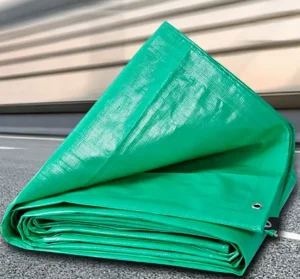
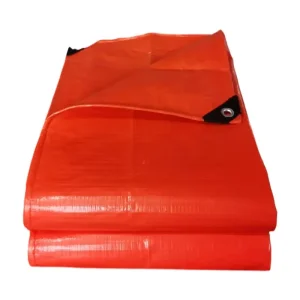
Global distributors require customized dimensions—from compact 6ft x 25ft concrete curing blankets to massive 40ft x 60ft industrial thermal covers. Look for factories offering custom shell colors (Orange/Black, Silver/Green), brand logo screen printing, and barcode labeling for retail or warehouse distribution.
How Linyi's Leading Plastic Processing Hub Delivers Unrivaled Scale, Quality Precision, and Global Export Speeds.
From raw HDPE resin extrusion to water-jet circular weaving, double-sided film lamination, and automated ultrasonic foam quilting—our integrated production chain eliminates third-party markups and guarantees rigorous quality control at every phase.
Traditional needle stitching pierces outer tarp layers, creating thousands of water-leak points. Our Factory 4.0 infrastructure utilizes continuous ultrasonic thermal bonding, sealing the inner insulation foam completely waterproof without a single needle puncture.
Situated in Shandong's primary plastic manufacturing zone, our facility leverages immediate proximity to Qingdao Port. This enables direct container freight consolidation, rapid raw material sourcing, and compressed export lead times of 15 to 25 days globally.
Explore how our insulated tarpaulins are deployed across demanding environmental conditions worldwide.
In sub-zero winter conditions across Canada, the Northern US, and Scandinavia, poured concrete runs severe risks of freeze damage. Our multi-layer insulated curing blankets retain chemical hydration warmth, allowing general contractors to pour slabs year-round while preventing surface scaling and micro-cracking.
Long-haul trucking operators use our custom insulated freight covers to create multi-temperature zones inside single reefer trailers. By insulating dry goods from chilled goods, logistics providers optimize cargo efficiency, prevent cargo spoilage, and reduce greenhouse gas emissions from auxiliary power units.
Fruit growers in Australia, Chile, and New Zealand deploy reflective insulated tarps during unexpected frost alerts to shield high-value orchards and vineyards. Additionally, agricultural buyers use UV-stabilized thermal sheets to prevent nutrient degradation in winter silage storage piles.
Rig operators in extreme climates require field enclosures that resist intense desert heat solar gain or arctic blizzards. Our flame-retardant (NFPA 701) thermal covers serve as external skins for modular temporary shelters, drastically lowering HVAC energy consumption in remote camps.
Expert insights regarding procurement, R-values, thermal testing, and bulk order logistics.
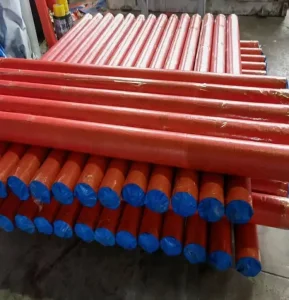
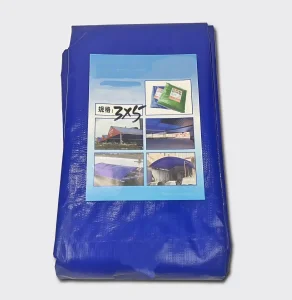
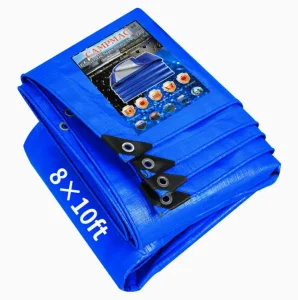
Explore our full wholesale product offering for construction, agriculture, transport, and industrial covers.

Submit your custom dimensions, targeted thermal R-values, GSM requirements, and destination port. Our engineering team provides complete technical drawings, container calculation, and FOB/CIF pricing within 12 hours.