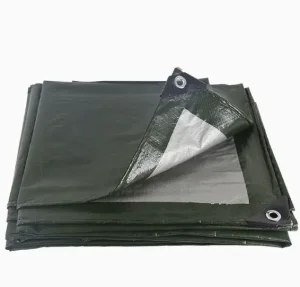
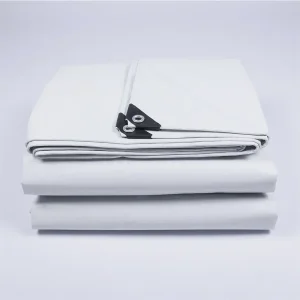
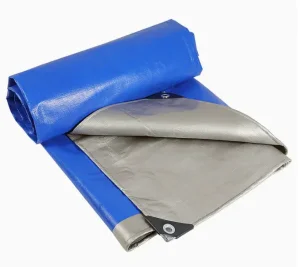
Explore our primary export specifications engineered for agriculture, logistics, construction, and heavy-duty shelter applications worldwide.
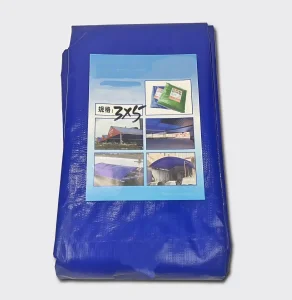
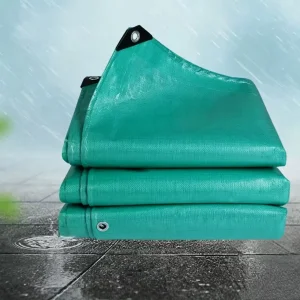
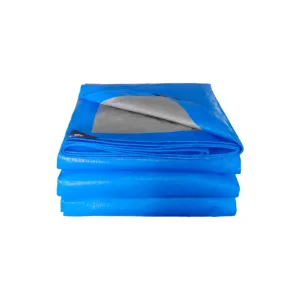
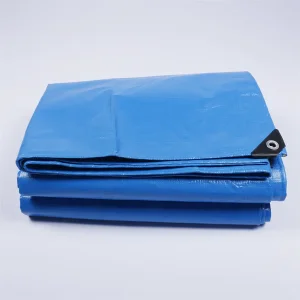
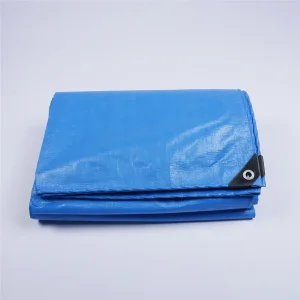
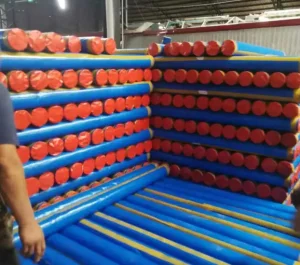
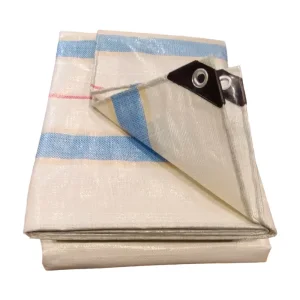
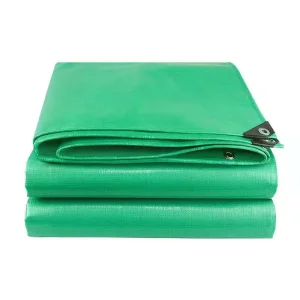
In the global landscape of industrial textile manufacturing, Nandi Tarpaulin Industries represents a benchmark for high-durability, weather-resistant polyolefin and polyvinyl protective covers. Modern enterprise procurement requires far more than basic water resistance; it demands precise molecular engineering, tensile strength optimization, thermal stabilization, and long-term mechanical resilience under severe environmental stress.
The structural integrity of a heavy-duty tarpaulin depends on three primary polymer layers: the internal woven structural core (tarp mesh matrix), the dual-side extrusion lamination films (polyethylene or PVC coatings), and the surface functional topcoats (UV blocking, flame retardant, and hydrophobic finishes).
The foundation of high-performance poly-tarps lies in the selection of the primary polymer resin. High-Density Polyethylene (HDPE) provides superior flexural fatigue resistance, high tensile strength along both warp and weft directions, and exceptional low-temperature ductility (operating down to -40°C without micro-cracking). Polypropylene (PP), conversely, offers higher flexural modulus and elevated thermal deformation limits, making it ideal for specialized agricultural weed barriers, high-temperature transport covers, and rigid ground liners.
During tape extrusion, virgin resin pellets are co-extruded with Hindered Amine Light Stabilizers (HALS) and anti-oxidants. The extruded continuous film is slit into flat yarns and mono-axially oriented via hot-stretching rollers. This orientation process aligns polymer chains along the axis of stretch, increasing molecular tenacity up to 8.5 grams/denier.
A cross-sectional analysis of our advanced PE tarpaulins reveals a five-pass manufacturing sequence:
The global competitiveness of Nandi Tarpaulin Industries and Chinese manufacturing partners stems directly from the industrial cluster synergy established in Linyi City, Shandong Province. Spanning over 30,000 square meters of integrated plant capacity, our manufacturing ecosystem controls every link of the value chain.
Direct pipeline links to PetroChina and Sinopec resin refining hubs ensure steady access to high-purity virgin HDPE/LDPE granules, reducing raw material price volatility and securing batch-to-batch polymer consistency.
Operating hundreds of high-speed water-jet and circular looms, production plants achieve continuous fabric output with automated infrared yarn tension monitoring, minimizing drop-warp defects.
Located adjacent to Qingdao and Lianyungang deep-water ports, factories benefit from rapid export container staging, seamless customs clearing, and low overland drayage costs.
Driven by tightening ESG (Environmental, Social, and Governance) mandates, accelerating climate volatility, and heavy civil infrastructure investments across the Middle East, Southeast Asia, and Latin America, the industrial protective fabric market is undergoing a structural shift. Buying decisions are moving away from disposable low-GSM poly sheets toward engineered long-life solutions.
| Trend Driver | Legacy Tarpaulin Spec | Next-Generation Nandi Standard | Commercial Impact |
|---|---|---|---|
| Circular Polymer Economy | Multi-material unbonded composites (Hard to recycle) | Mono-material 100% Polyolefin (HDPE Core + LDPE Coating) | 100% Recyclable; eliminates landfill penalties in EU & NA regions. |
| Extended Outdoor Lifespan | 1-2% Unregulated UV Additive (Degrades in 6 months) | Synergistic HALS + Carbon Black (3-5 Year Outdoor Life) | 50% Reduction in replacement cycle costs for agriculture & construction. |
| Fire Safety Compliance | Non-treated flammable polyethylene | Halogen-Free Intumescent Flame Retardant (DIN 4102 B1/B2) | Meets strict building codes for indoor scaffold & staging covers. |
| Thermal Comfort & Defense | Standard single-color solar absorption | Silver Reflection Lamination & Multi-Layer Strips | Reduces ambient temperature under covers by up to 15°C; protects grain & livestock. |
Engineered protective coverings must withstand diverse physical mechanics based on their operating deployment environment. Below are four key industrial sectors where Nandi Tarpaulin Industries solutions deliver proven asset defense.
Heavy transport trailer side curtains, flatbed tarping systems, and container liner sheets demand maximum tear strength and flex-fatigue resistance. Our 270GSM to 650GSM reinforced tarps incorporate high-denier scrims (1000D×1000D) paired with welded reinforced hems and brass eyelets every 50cm, preventing wind-whip fraying at highway speeds exceeding 100 km/h.
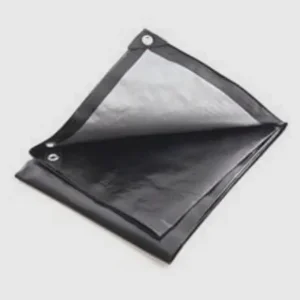
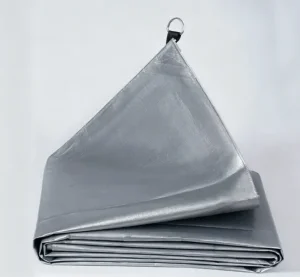
Protection of outdoor grain piles, hay bales, and poultry house curtains requires specialized microclimate regulation. Dual-color silver/black or double-green PE tarpaulins block 100% of light penetration to inhibit mold growth while reflecting solar heat radiation. Weed barrier fabrics feature micro-perforated water permeability for organic soil protection.
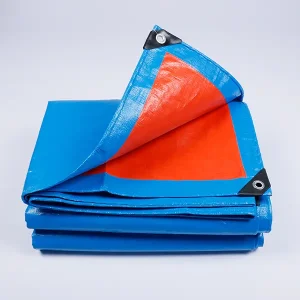
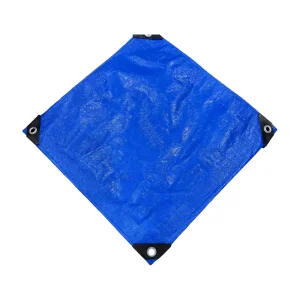
Scaffolding containment nets and ground slab curing sheets must withstand rough debris friction and maintain moisture retention during concrete hydration. High-visibility blue/orange or blue/white scaffold tarpaulins contain dust, resist wind-shear loading, and meet OSHA safety barrier guidelines for urban construction sites.
Disaster management organizations require rapidly deployable shelter tarps meeting UN/UNHCR standards. White/black flame-retardant PE sheets feature reinforced corner patches, aluminum rust-proof grommets, and high puncture resistance, providing structural weather resistance in temporary displacement camps.
Sourcing industrial tarpaulins at scale requires strict verification of material testing standards. Importers must evaluate vendor capabilities beyond basic pricing. Nandi Tarpaulin Industries recommends checking four key technical parameters:
Hydrostatic pressure testing (ISO 811 / ASTM D751) measures water column height resistance before leakage occurs across sealed seams or lamination surfaces. Heavy-duty protective covers should exhibit a minimum rating of 10,000 mm $H_2O$ head pressure, ensuring zero seepage under standing heavy rainwater or snow accumulation.
Tensile testing (ASTM D5034 Grab Test / ISO 13934-1) measures the force required to rupture warp and weft yarns. Corner patches must feature molded rubber or double-layer canvas triangular inserts with heavy-gage rivets to prevent eyelet pull-out under extreme tie-down tension.
| GSM Category | Weave Mesh Count | Tensile Strength (Warp/Weft) | Primary Industrial Use Case |
|---|---|---|---|
| 60 - 90 GSM | 8 x 8 mesh | ≥ 400 / 350 N/5cm | Lightweight utility covers, drop cloths, basic dust protection. |
| 100 - 160 GSM | 10 x 10 mesh | ≥ 650 / 580 N/5cm | General hardware retail, DIY, farm equipment covering. |
| 180 - 240 GSM | 12 x 12 mesh | ≥ 950 / 880 N/5cm | Construction scaffolding, heavy machinery, long-term storage. |
| 250 - 300+ GSM | 14 x 14 mesh | ≥ 1300 / 1200 N/5cm | Truck side curtains, extreme climate shelters, industrial mining liners. |
Engineering insights and answers to common procurement questions regarding custom specs, minimum order quantities, and international quality certifications.
Review specialized flame-retardant, roll-form, and custom vehicle tarpaulin products direct from China manufacturing facilities.