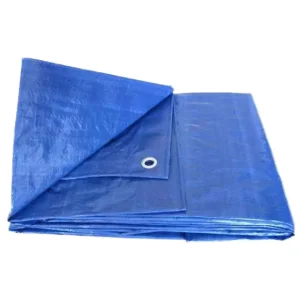
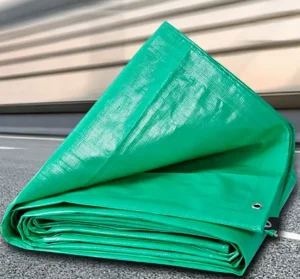
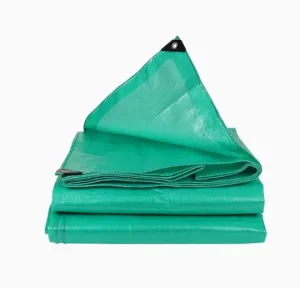
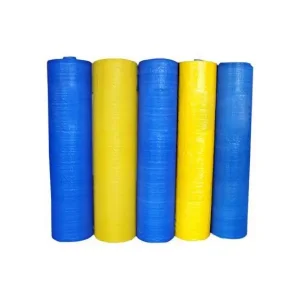
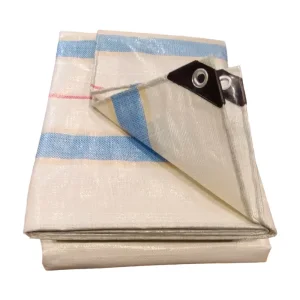
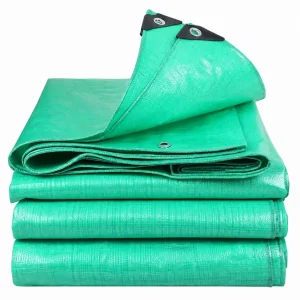
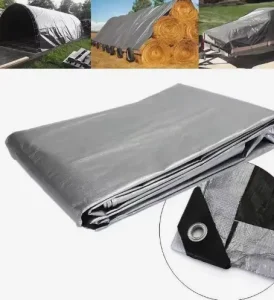
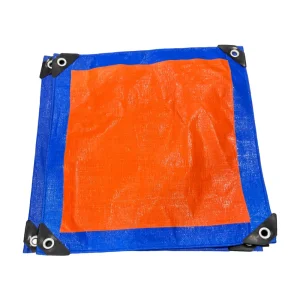
Explore our top-tier selection of high-density PE, PP, and multi-layer PVC coated tarpaulin systems manufactured for extreme durability across harsh outdoor climates.
An authoritative technical guide detailing polymer formulation chemistry, mechanical performance metrics, manufacturing methodologies, and global supply chain strategies for modern industrial buyers.
Executive Summary: Modern heavy-duty protection demands material engineering far beyond basic plastic sheets. Polyvinyl Chloride (PVC) coated tarpaulin represents the gold standard in flexible structural membranes. Through continuous micro-structural extrusion, precision knife-coating techniques, and advanced lacquering formulas, wholesale PVC coated tarpaulins provide multi-decade resilience against extreme UV radiation, severe mechanical shear, chemical exposure, and hydrostatic pressures exceeding 100,000 Pa.
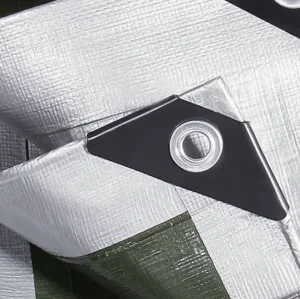
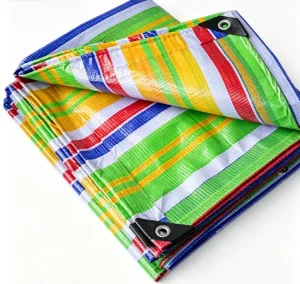
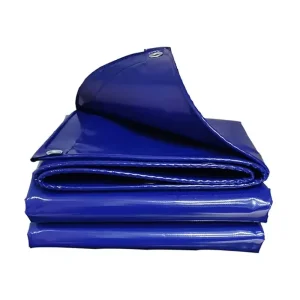
The core structural superiority of PVC coated tarpaulin over standard Polyethylene (PE) or Polypropylene (PP) tarps lies in its composite matrix architecture. While PE tarpaulins utilize woven high-density polyethylene tapes laminated with low-density polyethylene film, a industrial-grade PVC coated tarpaulin is constructed from high-tenacity polyester filament yarn (typically ranging from 500D to 1500D with 18x18 to 30x30 weave densities) fully encapsulated by a specialized PVC plastisol compound via liquid knife coating or hot-melt calendering processes.
Understanding the difference between hot-melt lamination and direct knife-over-roll coating is vital for procurement officers evaluated on Total Cost of Ownership (TCO):
To prevent plasticizer migration (which causes traditional tarps to become brittle and collect dirt over time), top-tier factories apply top-coating surface sealants on one or both sides:
| Performance Metric | PE Poly Tarpaulin (60 - 300 GSM) | Laminated PVC Tarp (450 - 650 GSM) | Knife-Coated PVC Tarp (550 - 900+ GSM) |
|---|---|---|---|
| Base Material Matrix | HDPE Woven Tape + LDPE Film | Polyester Weave + PVC Film | High-Tenacity 1000D Polyester + PVC Plastisol |
| Tensile Strength (Warp/Weft) | Moderate (600 - 1500 N/5cm) | High (2000 - 3000 N/5cm) | Superior (>3500 - 5000 N/5cm) |
| Tear Resistance (DIN 53363) | Low to Medium (100 - 250 N) | Good (300 - 450 N) | Extreme (>500 - 800 N) |
| Hydrostatic Pressure Resistance | Waterproof (>30 kPa) | High Waterproof (>80 kPa) | Impermeable Structural (>100 kPa) |
| Expected Service Life | 3 Months to 2 Years | 3 to 5 Years | 7 to 15+ Years (with PVDF finish) |
| Thermal Stability Range | -20°C to +60°C | -30°C to +70°C | -40°C to +70°C (Custom cold-crack to -50°C) |
Wholesale PVC coated tarpaulins are foundational across diverse macro-economic sectors. Modern supply chain resilience demands that materials be custom-engineered to match specific environmental stressors, regulatory requirements, and dynamic mechanical loads.
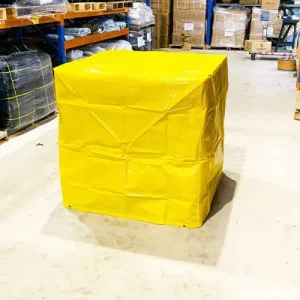
Over-the-road transport vehicles, sliding truck side curtains, container flatbed tarps, and roll-off trailer systems require extreme resistance to continuous wind shear, highway debris, and flexing. Specialized 680 GSM to 900 GSM knife-coated PVC with anti-abrasion lacquering ensures cargo integrity while surviving thousands of opening/closing mechanical cycles.
Large-scale clear-span event marquees, sports domes, temporary storage warehouses, and disaster relief shelters utilize flame-retardant (DIN 4102 B1/B2, NFPA 701) blockout or translucent PVC tarpaulins. 100% opaque blockout formulations prevent interior thermal buildup, reducing HVAC energy consumption by up to 30% in desert environments.
Polyvinyl chloride compounds with added chemical stabilizers resist methane gas, leachate solutions, agricultural effluent, and petroleum hydrocarbons. Flexible PVC membranes serve as anaerobic biogas digester caps, floating covers for liquid manure storage, flexible water storage bladders, and containment booms for offshore oil spill mitigation.
As global enterprises navigate volatile freight markets and shifting raw material costs, partnering directly with automated Chinese original equipment manufacturers (OEMs) like Linyi Xinshengyang Plastic Products Co., Ltd. (Star Tarpaulins) unlocks distinct competitive advantages:
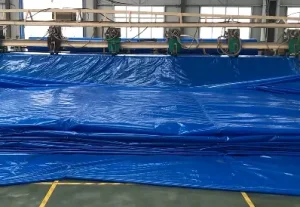
Operating a 30,000 m² modern manufacturing plant, our production eco-system controls every phase of production without intermediate sub-contracting risk:
Modern Industry 4.0 factory lines utilize high-resolution AI optical scanners installed directly on extrusion and coating equipment. Continuous machine vision detects pinholes, surface blisters, coating irregularities, or yarn misalignments in real time, automatically marking defective roll sections for instant correction prior to final packing.
International procurement requires stringent verification of chemical safety standards, structural testing certifications, and custom export documentation. A trusted manufacturer must align products with specific regional compliance directives:
European Union markets require strict regulation of Substance of Very High Concern (SVHC). We offer phthalate-free, low-VOC PVC formulations incorporating eco-friendly plasticizers (such as DOTP/DINCH) compliant with EU REACH regulations.
For commercial tent manufacturing, temporary enclosures, and indoor industrial curtains, tarpaulins must achieve fire resistance certificates under DIN 4102 (B1/B2 standard), NFPA 701, or EN 13501-1 testing protocols.
Sunlight degradation is controlled at the raw extrusion stage. We engineer specific 3% to 5% UV stabilizer masterbatch packages for projects destined for high-UV exposure zones like the Middle East, Australia, and Equatorial Latin America.
Modern industrial B2B partnerships extend far beyond simple transaction invoices. Global clients demand localized engineering guidance, rapid sample fulfillment, flexible packaging customized for hardware retail distribution, and sustainable end-of-life material recycling strategies.
As part of our commitment to circular economy practices, we are continuously expanding research into 100% recyclable polyolefin materials and bio-based plasticizers, reducing overall carbon footprint without sacrificing mechanical tensile performance or outdoor shelf life.
Get expert engineering answers to critical questions regarding material specifications, minimum order quantities, climate customization, and export logistics.
Browse remaining high-performance product specifications for agricultural, commercial, industrial, and specialized logistics applications.