Engineered for extreme durability, hydrostatic resistance, and prolonged exposure to UV degradation.
The global industrial protective textile market is experiencing a profound paradigm shift. Valued at USD 9.4 Billion in 2024, the market for heavy-duty tarpaulins, technical fabrics, and structural canvas is projected to expand at a Compound Annual Growth Rate (CAGR) of 6.3% through 2032.
Driven by unprecedented growth in intermodal logistics, commercial construction, infrastructure megaprojects, and climate-resilient agritech, global demand for high-performance polyolefin sheeting and polymer-coated canvas has evolved from standard commodity procurement to highly technical, spec-driven engineering. Contemporary B2B buyers require complete transparency into material formulation, polymer rheology, tensile vector profiles, and environmental compliance certifications.
Historically, heavy cotton canvas dominated the industrial containment sector. However, polymer chemistry advancements have established High-Density Polyethylene (HDPE), Low-Density Polyethylene (LDPE) lamination, and Polyvinyl Chloride (PVC) knife-coating technologies as the primary benchmarks for high-stress industrial applications. This technical whitepaper serves as a definitive resource for B2B procurement heads, logistics managers, civil engineering specs directors, and agricultural supply distributors evaluating tier-1 OEM manufacturers and global supply partners.
Understanding the structural performance differences between Polyethylene (PE), Polyvinyl Chloride (PVC), and Woven Canvas is vital for matching products with operational environments.
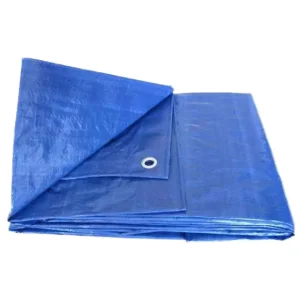
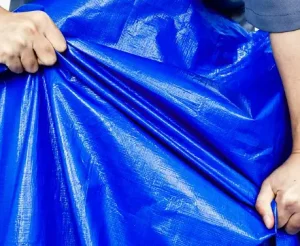
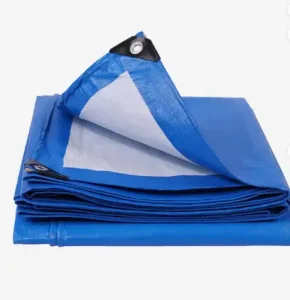
Constructed from high-density polyethylene (HDPE) woven tape mesh, laminated on both sides with low-density polyethylene (LDPE) film. Lightweight yet exceptionally strong.
High-tenacity polyester scrim base coated with liquid PVC compound using advanced knife-coating or melt-lamination processes for extreme industrial wear.
Traditional 100% cotton or polyester-cotton duck canvas treated with wax-paraffin or synthetic water-repellent and anti-fungal chemical emulsions.
Untreated polyethylene degrades rapidly under solar UV radiation (UV-A and UV-B spectrums) due to photo-oxidation, leading to polymer chain scission, micro-cracking, and loss of tensile strength. Tier-1 manufacturers mitigate this by compounding Hindered Amine Light Stabilizers (HALS) and Carbon Black UV absorbers into the extrusion masterbatch at dosage rates between 3.5% and 5.0%. This structural additive process extends product service life in high-irradiation regions (e.g., Middle East, Australia, Sub-Saharan Africa) from 3 months to over 5 years (500+ KLY resistance).
| Performance Metric | PE Tarpaulin (HDPE/LDPE) | PVC Coated Tarpaulin | Treated Cotton Canvas |
|---|---|---|---|
| Weight-to-Strength Ratio | Exceptional (Lightweight/High-Tensile) | Moderate (Heavyweight/Ultra-Durable) | Low (Heavy/Dense) |
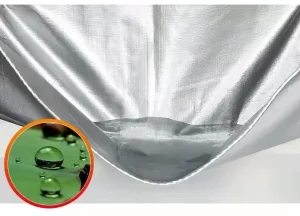
| Hydrostatic Pressure Head | > 100 kPa (100% Waterproof) | > 200 kPa (Impermeable) | Water Resistant (Vapor Permeable) |
| Cold-Crack Resistance | -40°C (-40°F) | -30°C (-22°F) | -50°C (-58°F) |
| Flexural Fatigue Life | High (Flex cracking at >20k cycles) | Superior (>100k cycles) | Moderate (Stiffens when wet) |
| Recyclability & Footprint | 100% Recyclable (Class 2 HDPE) | Requires specialized recycling | Biodegradable base fibers |
Tailored technical specification profiles engineered for specific commercial, industrial, and infrastructure applications.
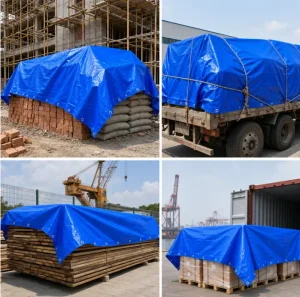
Intermodal freight demands aerodynamic, weather-tight cargo containment. Factory-fitted heavy-duty truck side curtains, container top tarps, and flatbed lumber tarps are designed with reinforced hem ropes, hot-air welded seams, and anti-chafing corner patches to withstand high-speed wind shearing and road debris abrasion.
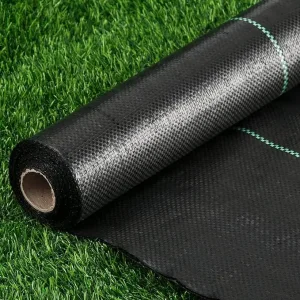
Modern agricultural operations rely on UV-stabilized PE tarpaulins for grain storage protection, silage bunker seals, hay bale caps, and layflat irrigation hoses. Woven landscape fabric and geotextile weed barriers prevent weed emergence without synthetic chemicals, managing soil moisture and solar absorption.
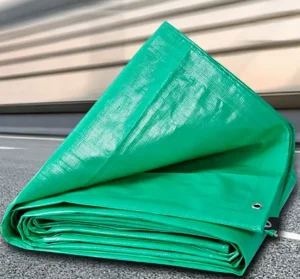
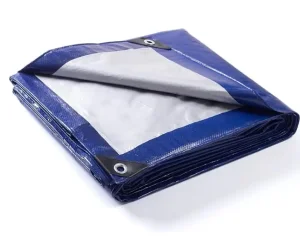
Building sites require flame-retardant scaffold enclosure netting, concrete curing blankets, and temporary roof repair sheeting. High-visibility double-green and blue-silver tarps provide weather protection while maintaining environmental safety and site compliance.
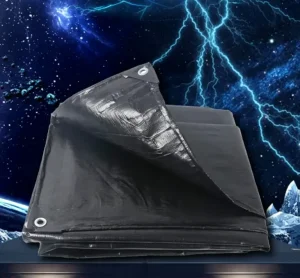
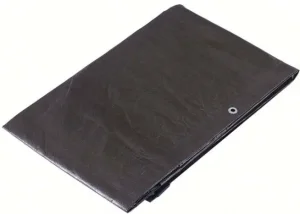
Offshore drilling platforms, mining stockpiles, and port warehouses require heavy-duty PVC scratch-resistant sheets and thick black/silver PE covers. Engineered to resist saltwater corrosion, diesel spills, acidic runoff, and extreme mechanical puncture risks.
Navigating regional standards, chemical restriction lists, and environmental directives is critical for global distributors and OEM buyers.
European and North American imports mandate strict adherence to chemical exposure limits. Leading manufacturing lines utilize phthalate-free plasticizers in PVC formulations and ensure zero SVHC (Substances of Very High Concern) in accordance with EU REACH regulations.
For indoor warehousing, structural tents, and public construction, tarpaulins must meet self-extinguishing flame-retardant standards such as DIN 4102 B1, B2, NFPA 701, and CPAI-84 to prevent flame propagation.
Every production run undergoes standardized testing: ASTM D751 (Coated Fabrics), ISO 1421 (Tensile Strength & Elongation), and DIN 53363 (Tear Strength) to guarantee published specifications match delivered performance.
Tier-1 manufacturing facilities maintain ISO 9001 (Quality Management System) and ISO 14001 (Environmental Management System) certifications. Direct factory supply guarantees complete lot-number traceability, from raw polymer resin lot numbers to final eyelet punch calibration reports.
Evaluating tarpaulins based solely on unit price often results in field failures and inflated Total Cost of Ownership (TCO). Procurement specialists should evaluate five critical structural metrics:
The structural base of PE tarpaulin depends on thread count per inch (e.g., 8x8, 10x10, 12x12, 14x14) and tape denier (typically 600D to 1500D). Higher mesh density directly correlates to multi-directional tear resistance.
Inconsistent LDPE film lamination creates micro-pinholes where water can breach under pressure. Premium extrusion lines use optical infrared sensors to ensure uniform micron thickness across widths up to 6 meters.
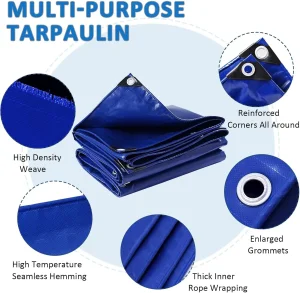
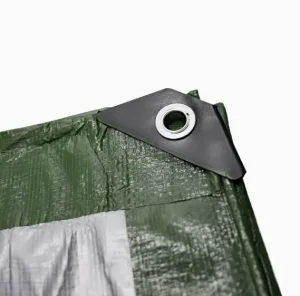
Stress points fail long before fabric centers. Superior tarps incorporate continuous polypropylene (PP) inner hem ropes, double-stitched or ultrasonic welded borders, and rigid polycarbonate or aluminum corner patches.
Corrosion-resistant aluminum, solid brass, or high-impact plastic eyelets installed at consistent intervals (50cm, 100cm, or customized pitches) prevent tie-down tear-out under wind displacement.
The protective textiles industry is rapidly innovating toward bio-based polymers, self-healing coatings, and smart sensor integration.
Pioneering plants are integrating post-consumer recycled (PCR) resins and bio-based polyethylene derived from sugarcane feedstocks, reducing net carbon footprint while maintaining virgin-grade tensile specs.
In response to global restrictions on per- and polyfluoroalkyl substances (PFAS), advanced fluorine-free hydrophobic surface treatments provide eco-friendly water repellency for canvas and synthetic textiles.
Emerging elastomeric polyurethane top-coatings can seal minor micro-punctures automatically under thermal sun exposure, extending membrane life in harsh mining and construction environments.
Expert technical answers to high-intent buyer inquiries regarding factory sourcing, specifications, and customization.
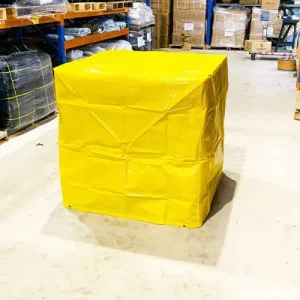
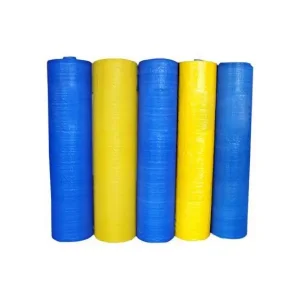
Explore our extended inventory of specialized poly sheets, rolls, pallet covers, and landscape fabrics.