Factory-direct specifications engineered for heavy industry, outdoor warehousing, emergency infrastructure, and agricultural logistics. Retaining full factory technical standards.
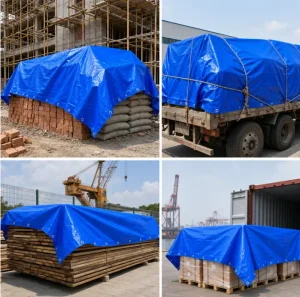
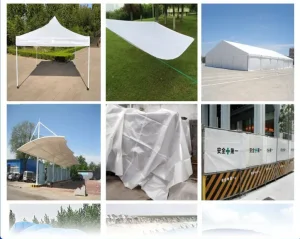
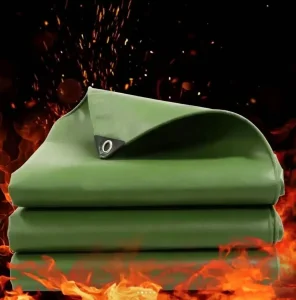
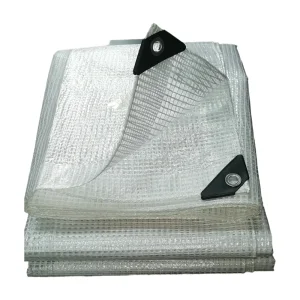
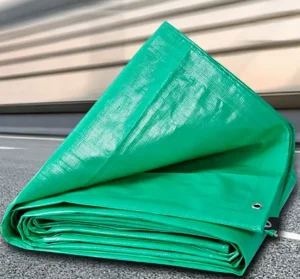
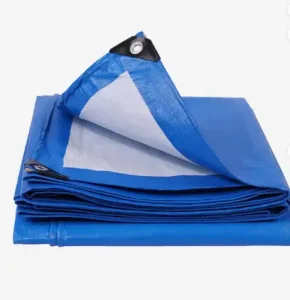
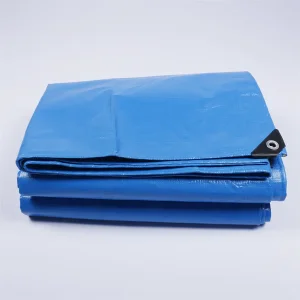
An authoritative analysis of industrial procurement, solar degradation chemistry, and scale manufacturing solutions provided by Linyi Xinshengyang Plastic Products Co., Ltd. (Star Tarpaulins).
In modern industrial logistics, large-scale agriculture, and heavy construction, physical covers are subjected to relentless solar radiation. Standard untreated polyolefin sheets experience rapid photo-oxidation, resulting in embrittlement, micro-cracking, loss of tensile strength, and catastrophic material failure within weeks of exposure. For global supply chain managers, procurement executives, and engineering contractors, sourcing true UV-stabilized polyethylene (PE), polypropylene (PP), and polyvinyl chloride (PVC) protective fabrics is not merely a material choice—it is a critical risk-mitigation strategy.
Operating out of Wanggou Industrial Park, Lanshan District, Linyi City, Shandong Province, Linyi Xinshengyang Plastic Products Co., Ltd. (Star Tarpaulins) has functioned as a premier OEM/ODM manufacturing facility since 2006. Spanning over 30,000 square meters of integrated production space with an annual output surpassing 20,000 metric tons, our facility bridges the gap between raw chemical photostabilization and finished, heavy-duty protective tarpaulins. This whitepaper serves to demystify polymer degradation science, detail macro-industry applications, outline manufacturing standards, and supply clear guidance for B2B procurement professionals across over 40 export destinations.
Engineered masterbatch combinations neutralizing UV-A and UV-B spectra, preventing polymer chain scission in high-radiation regions such as MENA, Australia, and Sub-Saharan Africa.
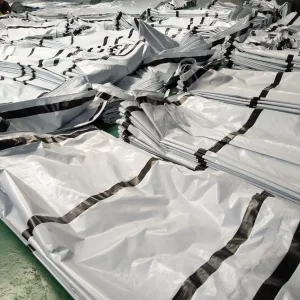
100% in-house execution spanning high-speed tape extrusion, circular/flat weaving, double-sided fluid coating, high-frequency heat sealing, and eyelet riveting.
Rigorous batch testing for hydrostatic head retention (ISO 811), tensile breaking strength (ASTM D751), accelerated weathering (ASTM G154), and fire retardancy (DIN 4102 B1).
Understanding the chemical mechanics behind UV degradation and Star Tarpaulins' proprietary multi-layer defense matrix.
When high-density polyethylene (HDPE) or polypropylene (PP) matrices are exposed to terrestrial sunlight, photon energy within the UV spectrum (wavelengths 290nm to 400nm) exceeds the carbon-carbon (C-C) and carbon-hydrogen (C-H) chemical bond energies of the polymer backbone. This triggers a destructive photo-oxidative cascade:
To prevent mechanical property deterioration over extended outdoor exposure periods (1 to 5+ years depending on geographic solar irradiation levels measured in Kilo-Langleys / KLy), our extrusion technicians incorporate a synergistically optimized photostabilizer package directly into the polymer melt prior to ribbon drafting:
We utilize high-molecular-weight oligomeric NOR-type HALS (e.g., Chimassorb 944 / Tinuvin 622). Unlike sacrifice absorbers, HALS act as regenerative free radical traps (the Denisov cycle), continuously converting damaging alkyl and peroxy radicals back into stable species without being consumed quickly.
Hydroxyphenyl-benzotriazole UV absorbers are blended into the outer LDPE/LLDPE lamination layers to transform UV radiation into harmless thermal dissipation. For maximum heavy-duty longevity (e.g., black-stripped tarps), surface coatings are fortified with fine-particle furnace Carbon Black (<25nm), blocking 99.9% of incoming UV rays.
A standard single-layer plastic sheet suffers from microscopic pinholes and uneven additive dispersion. Linyi Xinshengyang operates advanced co-extrusion lamination lines. Our heavy-duty tariffs feature a three-tier structural matrix:
Tailored technical formulations matching real-world environmental stress factors across key commercial verticals.
Challenge: Continuous highway speed wind-shear, gravel abrasion, intense road heat, and rain ingress.
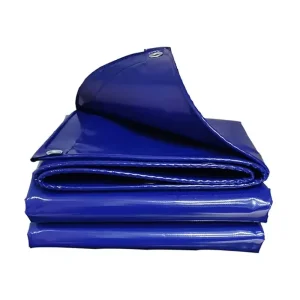
Engineered Solution: Triple-coated PE and 550–900 GSM PVC knife-coated tarpaulins with tear-stop reinforcement, high-frequency welded seams, reinforced corner patches, and anti-mildew treatments.
Challenge: Agricultural chemicals, pesticide vapor, acid silage fermentation, and year-round field exposure.
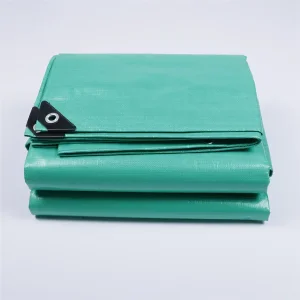
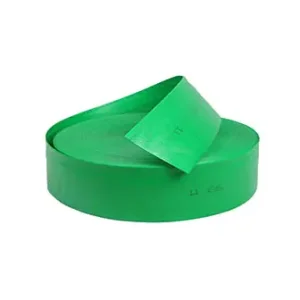
Engineered Solution: 3%–5% UV HALS fortified PE sheets, green/black silomining tarps, and high-burst-pressure PE Layflat Irrigation Hoses delivering chemically inert water distribution.
Challenge: Falling debris hazard, severe winds at elevated heights, strict urban fire retardancy building codes.
Engineered Solution: Flame-retardant (DIN 4102 B1 / NFPA 701) PE grid tarpaulins and high-visibility scaffold sheeting equipped with heavy-duty aluminum/brass grommets every 50cm.
Challenge: Extreme climate swings, rapid deployment needs, long-term UV resistance for refugee shelters.
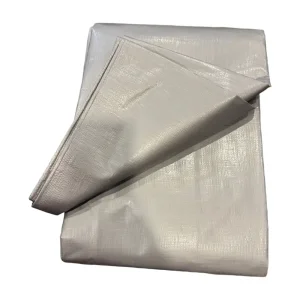
Engineered Solution: Standardized UNHCR/UNICEF specification white/grey double-coated poly tarps, heat-reflective silver tarps, offering total opacity, thermal insulation, and zero water leakage.
Every production batch from our Linyi factory is subjected to systematic destructive and non-destructive mechanical evaluations before shipping.
Samples are subjected to continuous fluorescent UV-A (340nm wavelength) radiation cycles combined with thermal condensation in QUV test chambers. We guarantee over 80% tensile strength retention after 1,500 hours of continuous accelerated testing, simulating 3+ years of intense tropical sunlight.
Using digital hydrostatic pressure testers, both plain fabric faces and thermal welded seam lines are tested up to 100 kPa (10,000mm H2O pressure). Zero liquid penetration ensures absolute weatherproofing during severe rainstorms and submersion scenarios.
Computerized universal tensile testing machines measure break force and elongation percentages along both warp and weft directions. Our rope-hemmed edges and reinforced corner pieces are engineered to resist high wind tear propagation.
Aluminum, brass, and heavy-duty plastic eyelets are mechanically stressed to evaluate pull-out resistance. Our triangular plastic reinforced corners increase corner grommet load capacities by over 300% compared to standard tarps.
Pioneering sustainable, circular, and intelligent protective textile solutions for the upcoming decade.
As global environmental regulations tighten under the EU Green Deal, REACH standards, and ESG mandates, Linyi Xinshengyang is actively advancing its R&D roadmap across three main pillars:
Developing 100% recyclable mono-material polyolefin tarpaulins that incorporate up to 50% GRS-certified PCR resins without sacrificing structural tensile integrity or UV longevity.
Integrating photocatalytic Titanium Dioxide nanoparticles into top coating layers to yield self-cleaning, anti-soiling tarp surfaces that eliminate organic grime buildup under rain exposure.
Testing sugarcane-derived ethanol bio-PE resins in our extrusion lines, offering zero-carbon footprint polymer options for eco-conscious agricultural and retail clients worldwide.
Direct engineering answers to common technical queries from procurement officers, freight forwarders, and OEM importers.
Selection depends on mechanical stress and regional KLy (Kilo-Langley) solar radiation indices:
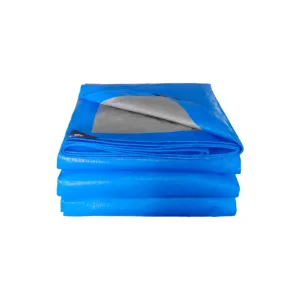
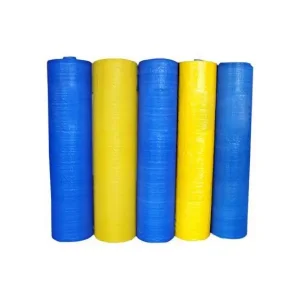
For standard stock specifications and color runs (e.g., Blue/Orange, Green/Silver, Blue/Silver), MOQs start at a mixed 20ft container (approx. 10–12 metric tons). Custom specs, specific pantone color matching, and private label logo printing require a minimum of 3 tons per specification. Standard production lead time is 15–25 calendar days post sample and artwork sign-off.
Yes, as an original factory, full OEM/ODM customization is available. Finished sheets are precision heat-cut, perimeter rope-hemmed (PP rope inserted), fitted with brass/aluminum or molded plastic grommets at custom spacings (e.g., 50cm, 100cm, or 3ft pitch), and corner-reinforced with plastic rivets. Packaging options include individually folded polybags with custom printed color inserts, outer master cartons, or display bale packaging with barcodes.
We utilize fully automated dual-heat welding seams operating at digitally monitored temperatures. By controlling temperature, pneumatic pressure, and speed precisely, the upper and lower LDPE coatings melt and fuse atomically around the inner scrim, guaranteeing 100% waterproof integrity certified under ISO 811 hydrostatic head testing.
We regularly host independent inspection agencies including SGS, Bureau Veritas (BV), TÜV Rheinland, and Intertek. Our quality control team provides full access for pre-shipment inspection (PSI), including GSM weighing, dimensional verification, eyelet pull tests, water resistance checks, and barcode scanning.
Our primary dispatch ports are Qingdao Port and Lianyungang Port, both situated within optimal trucking distance from our Linyi plant. We support FOB, CFR, CIF, DDP, and EXW trade terms, accepting T/T payment terms (deposit + balance against B/L copy) as well as irrevocable sight L/C for long-term supply agreements.
Complete catalog items preserved in full detail. Select any technical item below to request factory specifications and quotation sheets.