Precision-engineered PE, PP, and PVC heavy-duty coverings manufactured in our ISO-certified facilities.
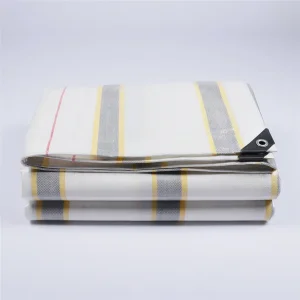
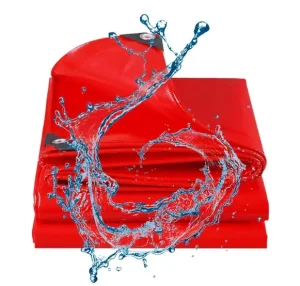
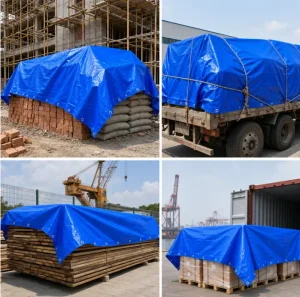
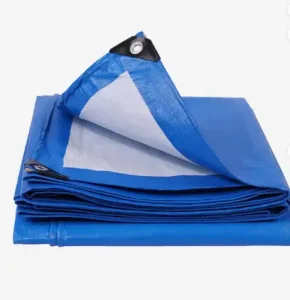
Navigating material longevity, total cost of ownership (TCO), and solar degradation in high-volume industrial purchases.
For international supply chain buyers, purchasing industrial covers is no longer merely a unit-cost equation. Solar radiation—specifically UV-A and UV-B spectrum wavelengths (290nm–400nm)—causes rapid photo-oxidation in standard polyolefins, leading to premature embrittlement, tensile drop, and catastrophic tearing. Enterprise buyers require UV protection tarpaulin factories capable of providing documented degradation life cycles matched to regional Solar Influx Ratings (kwh/m²/year).
Tier-1 procurement managers are moving away from multi-tiered distribution networks to establish direct relationships with OEM/ODM manufacturing complexes. Direct factory integration ensures strict control over masterbatch formulations, weight consistency (GSM tolerance within ±3%), tensile warp/weft dynamics, and specialized surface coatings (anti-static, flame retardants, and thermal barrier silver laminates).
Corporate ESG directives are forcing global buyers to mandate strict chemical compliance. Leading factory partners must deliver materials fully compliant with EU REACH Annex XVII, RoHS 3 directives, and specialized fire retardancy standardizations (NFPA 701, DIN 4102-1 B1) while eliminating heavy metal stabilizers such as Lead and Cadmium from the extrusion matrix.
An in-depth look at chemical light stabilizers, multi-layer extrusion co-polymerization, and structural fabric design.
Polyethylene (PE) and Polypropylene (PP) substrates naturally experience free-radical chain scission when exposed to ultraviolet photons. This chemical collapse breaks down the long-chain polymer backbone, producing micro-cracks and rapid loss of hydrostatic resistance. Advanced manufacturing involves dosing Hindered Amine Light Stabilizers (HALS) combined with UV Absorbers (Benzotriazoles). HALS act as radical scavengers that continuously regenerate during the photo-oxidation cycle, extending fabric operational lifespans by up to 500% in high-UV zones like Australia and the GCC region.
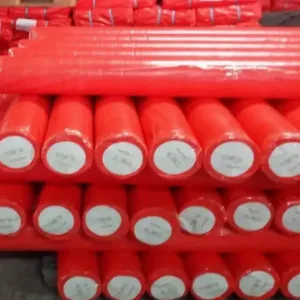
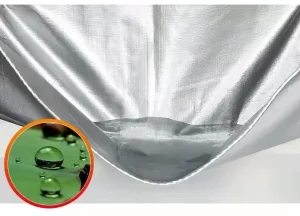
Modern factory infrastructure utilizes state-of-the-art 3-layer and 5-layer tandem lamination lines. The inner structural layer consists of high-tenacity, high-density polyethylene (HDPE) tape woven on high-speed circular looms (mesh counts ranging from 8x8 to 14x14). The outer protective membranes comprise low-density polyethylene (LDPE) formulated with pigment masterbatches, titanium dioxide (TiO2) for solar reflectivity, and concentrated UV additives to protect the inner structural skeleton.
The global industry is undergoing a tactical shift across three core polymer frameworks:
| Technical Metric | Standard Commercial PE | Heavy-Duty UV PE (Factory Grade) | PP Woven Fabric Roll | PVC Knife-Coated Vinyl |
|---|---|---|---|---|
| Density / Weight Range | 60 - 120 GSM | 140 - 300 GSM | 90 - 250 GSM | 450 - 900 GSM |
| UV Additive Concentration | 0.5% - 1.0% Basic UV | 3.0% - 5.0% Premium HALS | 2.0% - 4.0% HALS Blend | Integrated UV Vinyl Resin |
| Accelerated Weathering (QUV) | 300 - 500 Hours | 1,500 - 3,500 Hours | 1,200 - 2,500 Hours | 5,000+ Hours |
| Tensile Strength (Warp/Weft) | 500 / 450 N/5cm | 1,400 / 1,300 N/5cm | 1,600 / 1,500 N/5cm | 3,000 / 2,800 N/5cm |
| Hydrostatic Head Rating | > 50 kPa | > 150 kPa | > 100 kPa | > 300 kPa |
| Thermal Range Stability | -20°C to +70°C | -40°C to +85°C | -10°C to +90°C | -30°C to +80°C |
Customized textile configurations tailored to the extreme performance parameters of global industries.
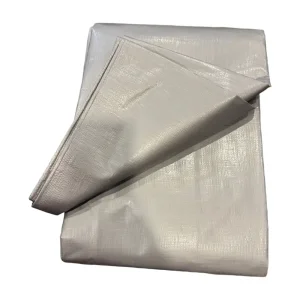
Agricultural operations demand high solar radiation blockage to prevent crop scorch and reduce evaporation in water storage pits. Factory-grade UV protection tarpaulins are engineered as silages covers, grain storage wraps, pond liners, and greenhouse shade screens. Double silver/black lamination blocks 100% of light, controlling internal temperatures and protecting stored yields from microbial growth.
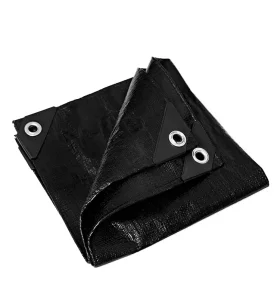
Long-haul freight and maritime shipping expose cargo tarps to harsh environmental conditions: continuous wind whipping, UV degradation, fuel vapor exposure, and salt spray. Reinforced 200–600 GSM PE and PVC tarpaulins feature reinforced webbing hems, rust-proof brass or aluminum eyelets spaced at customized intervals (30cm/50cm/100cm), and triangular plastic reinforced corners to prevent corner tear-outs during ocean freight transit.
Construction sites require temporary building enclosures, scaffolding wraps, and concrete curing blankets. High-strength PP and PE woven fabrics provide weatherproofing while maintaining high tensile resistance to structural winds. Specialized flame-retardant (FR) masterbatches are integrated during extrusion to meet site safety codes for commercial skyscraper projects.
International aid organizations, including UNHCR and Red Cross agencies, maintain strict material guidelines for emergency shelter tarpaulins. Manufacturing lines must deliver light-proof, high-burst-strength PE sheets engineered with anti-fungal and anti-bacterial additives to protect displaced populations in tropical storm zones and arid refugee encampments.
Tailoring factory formulations to geographical solar radiation indices and climate demands.
Primary Demand: DIY retail, agricultural hay covers, heavy machinery protection, and winter concrete curing blankets.
Required Specifications: Strict ASTM D3884 abrasion standards, low-temperature flexibility down to -40°C, high consumer aesthetic packaging (custom color boxes, barcodes, inserts), and California Prop 65 chemical compliance.
Primary Demand: Extreme UV desert covers, port logistics, oilfield equipment protection, and shade awnings.
Required Specifications: Maximum HALS dosing (up to 5% active masterbatch), high thermal stability (resistant to 80°C ambient heat without plasticizer migration), and reflective double-silver or beige pigments to reduce heat absorption.
Primary Demand: Timber transport, industrial scaffolding, architectural membranes, and aquacultural farming.
Required Specifications: Full REACH compliance (SVHC chemical screening), halogen-free flame retardancy, high recyclability ratings (Mono-material PE fabric), and long-term waterproof hydrostatic head ratings (> 150 kPa).
End-to-end testing, standardized laboratory verification, and seamless international shipping protocols.
Our 30,000 m² manufacturing plant operates an internal testing laboratory. Every extrusion batch undergoes real-time quality control checks:
We provide comprehensive certification packages required for smooth customs clearance and enterprise compliance, including ISO 9001:2015 Quality Management, ISO 14001 Environmental Management, SGS/BV material analysis reports, Certificate of Origin (Form E, Form A, CO), and full Bill of Lading documentation support.
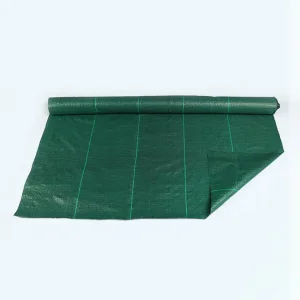
We support global importers with flexible order structures: container mix-loading (combining PE sheet tarps, PP rolls, landscape weed barrier fabrics, and layflat irrigation hoses in single 20ft/40ft HQ containers), custom private label packaging, barcode integration, and pre-shipment third-party inspections (SGS, Intertek, TUV).
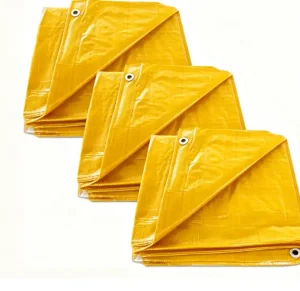
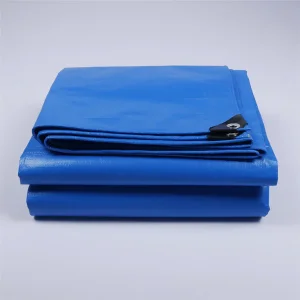
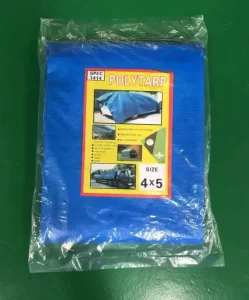
From ground control barriers to truck side-curtains, explore our complete wholesale production catalog.
Expert insights from our engineering team regarding material selection, factory production, and logistics.
Hindered Amine Light Stabilizers (HALS) do not simply absorb ultraviolet light; they chemically inhibit polymer degradation by acting as radical traps. When solar UV radiation strikes the polyethylene matrix, it creates free radicals that break the polymer chains. HALS additives trap these radicals and continually regenerate themselves during the photo-oxidation cycle. When combined with UV absorbers like Titanium Dioxide (TiO2) or Carbon Black, our tarpaulins maintain up to 80% of their original tensile strength even after 3,000 hours of accelerated QUV weathering exposure.
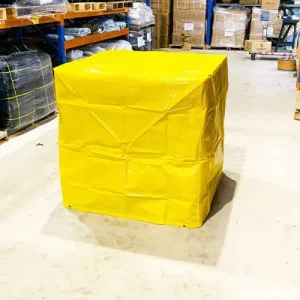
For short-term goods protection (under 3 months), 80–120 GSM PE tarpaulins offer a cost-effective lightweight barrier. For long-term outdoor logistics, agricultural covers, and scaffolding protection (6 to 24 months continuous exposure), we recommend 180–300 GSM heavy-duty PE or PP tarpaulins with a minimum 3% HALS masterbatch content. For multi-year heavy equipment or vehicle side curtains (3 to 10 years), 500–900 GSM knife-coated PVC vinyl provides superior abrasion resistance and long-term durability.
PE (Polyethylene) tarpaulins are lightweight, highly flexible in freezing temperatures (down to -40°C), 100% recyclable, and economical for high-volume purchases. PP (Polypropylene) fabrics offer higher tensile strength and thermal stability, making them ideal for heavy geotextile membranes and weed barriers. PVC (Polyvinyl Chloride) coated tarps use high-tenacity polyester scrim coated with liquid PVC vinyl, resulting in maximum tear resistance, heat-weldable seams, and extended operational lifespans for truck side curtains and structural tents.
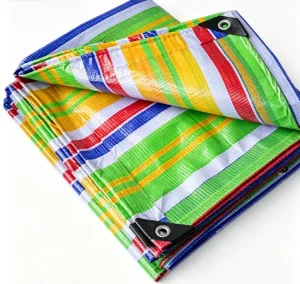
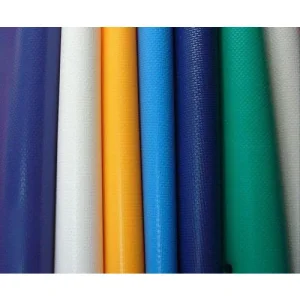
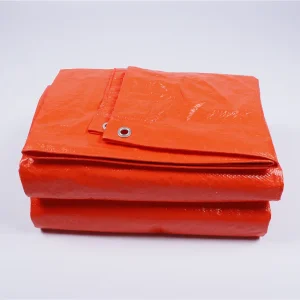
As a direct manufacturer, we offer end-to-end customization options: roll widths from 1.8m to 6m, custom cut sizes (e.g., 2x3m to 30x30m), specialized dual-color lamination (Silver/Blue, Green/Black, Orange/Brown), grommet material and pitch spacing (aluminum, brass, or plastic eyelets placed every 30cm to 100cm), reinforced hem rope thickness, corner plastic patch reinforcement, custom logo printing up to 4 colors, and retail-ready packaging with custom inner labels and barcodes.
Our standard Minimum Order Quantity (MOQ) for custom-manufactured specifications is 3 metric tons per color and weight combination, or a mixed 20ft full container load (FCL) containing various ready-made tarpaulin sizes and product lines. Standard production lead time is 15 to 25 calendar days following artwork confirmation and deposit clearance. High-volume repeat orders can benefit from our standing raw material roll stock program to shorten lead times to 10–15 days.
Our factory heat-sealing machines utilize dual-track hot air welding that creates a fused molecular bond across fabric panels. Finished seams undergo hydrostatic pressure testing using standard ISO 811 laboratory equipment. A water column apparatus subjects the hot-welded seam to increasing water pressure until leakage occurs. Our factory standard guarantees zero penetration at hydrostatic pressure ratings exceeding 150 kPa for heavy-duty PE sheets and 300 kPa for coated PVC membranes.