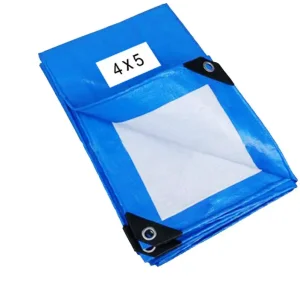
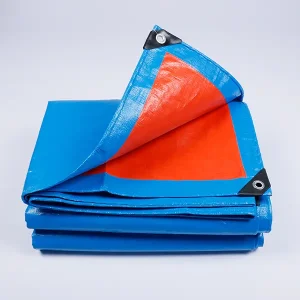
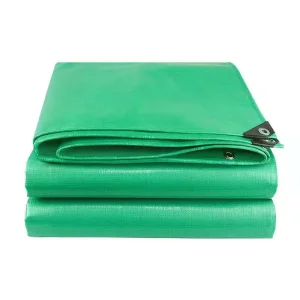
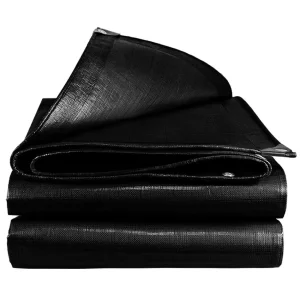
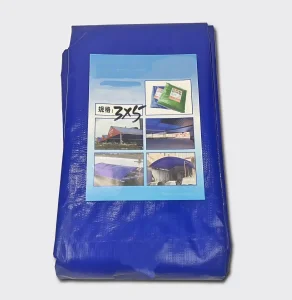
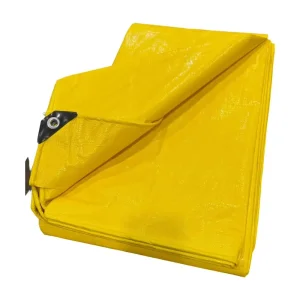
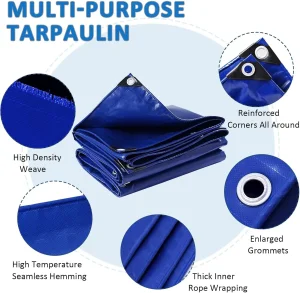
Precision-engineered woven polyolefins and knife-coated vinyl materials optimized for tensile strength, tear resistance, and extreme atmospheric resilience.
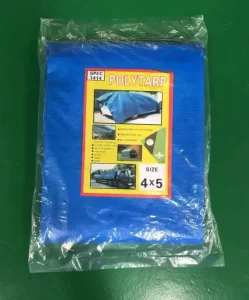
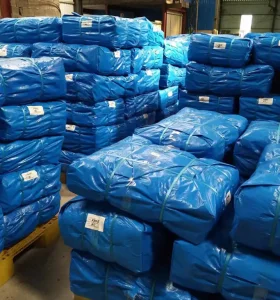
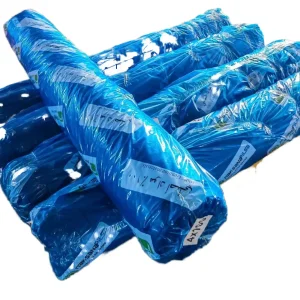
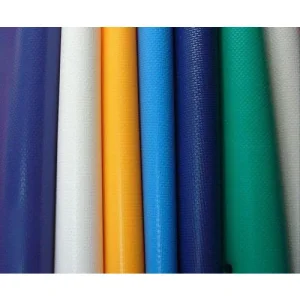
A comprehensive assessment of supply chain shifts, high-density polymer advancements, and global commercial trade vectors driving the wholesale coated-fabric sector.
The worldwide market for industrial protective fabrics and vinyl tarp material is undergoing unprecedented expansion. Fueled by surging cross-border intermodal logistics, mega-infrastructure initiatives in developing regions, and tightening environmental safeguards for outdoor storage, global consumption of PVC knife-coated and PE laminated textiles is projected to exceed USD 11.4 Billion by 2030.
Enterprise buyers are transitioning away from unverified intermediate traders to directly integrate with primary manufacturing hubs. Tier-1 facilities located in Shandong, China—such as Linyi Xinshengyang Plastic Products Co., Ltd.—provide essential upstream raw material control, absorbing upstream resin volatility and guaranteeing ISO-certified tensile integrity for global distribution networks.
Modern industrial specifications demand far more than basic waterproofing. Commercial procurement mandates advanced chemical formulations: low-migration polymeric plasticizers for flexible PVC, high-density polyethylene (HDPE) scrims laminated with low-density polyethylene (LDPE), and non-toxic polypropylene (PP) matrices tailored for stringent circular economy compliance.
While standard consumer tarpaulins rely on low-denier recycled PE resin that degrades rapidly within 6 months of intense UV exposure, industrial-grade vinyl tarp material (Polyvinyl Chloride coated on high-tenacity polyester scrim) and virgin HDPE/LDPE co-extruded fabrics leverage specialized hindered amine light stabilizers (HALS). This prevents photo-oxidative degradation, maintaining structural tear resistance up to 3,000 N/5cm even under continuous tropical or desert UV irradiance.
Deconstructing the eight-stage manufacturing architecture that transforms virgin chemical polymers into heavy-duty, high-performance protective tarpaulin systems.
High-precision extrusion of virgin HDPE/PP resin granules mixed with climate-matched UV masterbatches into flat tapes possessing high tensile tenacity.
Circular and flat-bed looms interlock warp and weft yarns into ultra-dense mesh scrims ranging from 8x8 to 14x14 counts or 1000D x 1000D polyester bases.
Double-sided thermopress LDPE film lamination or direct liquid PVC paste knife-coating ensures zero water permeability under hydrostatic pressure.
CNC laser and rotary slitting equipment convert master rolls up to 6 meters in width into specified sheet lengths without fraying yarn edges.
Hot-air welding systems fuse double-folded outer hems over high-tensile internal polypropylene reinforcing ropes for maximum edge integrity.
Pneumatic die punchers insert solid aluminum, brass, or heavy-duty plastic grommets at customized intervals (50cm / 100cm pitch).
Molded polyolefin triangular corner patches are riveted onto stress junctions to disperse multi-directional wind shear forces during field deployment.
Rigorous hydrostatic head pressure, grab tensile testing, flame retardancy validation, and weight tolerance checks before carton loading.
| Physical / Chemical Property | Heavy-Duty PVC Vinyl Tarp Material | Industrial PE Coated Poly Tarpaulin | Standard Commercial Tarp Grade |
|---|---|---|---|
| Base Fabric Core | 1000D × 1000D Woven Polyester Core | 1000D High-Density Polyethylene (HDPE) | 500D Recycled Polyolefin Scrim |
| Weight Range (GSM) | 450 GSM – 900 GSM (13 oz – 26 oz/yd²) | 60 GSM – 300 GSM (1.8 oz – 9 oz/yd²) | 50 GSM – 90 GSM |
| Tensile Strength (Warp/Weft) | 2500 N / 2300 N per 5 cm (ISO 1421) | 1400 N / 1200 N per 5 cm (DIN 53354) | 400 N / 350 N per 5 cm |
| Temperature Tolerance | -40°C to +70°C (-40°F to +158°F) | -30°C to +60°C (-22°F to +140°F) | -10°C to +40°C |
| Hydrostatic Head Rating | > 100,000 mm H₂O Column (100% Waterproof) | > 15,000 mm H₂O Column | < 2,000 mm H₂O Column |
| Flame Retardancy Option | NFPA 701, DIN 4102 B1, EN 13501-1 Class B | CPAI-84 Compliant Masterbatch Option | Non-Fire Retardant |
| Expected Service Life | 5 to 10+ Years Heavy Industrial Use | 2 to 5 Years Continuous Outdoor Use | 3 to 6 Months |
Targeted material configurations designed to overcome severe mechanical stress, environmental chemical exposure, and micro-climatic hazards across global markets.
Truck side curtains, roll-over trailer tarps, and container liners require high flex-fatigue resistance. Our 650 GSM to 900 GSM PVC knife-coated vinyl tarps survive hundreds of thousands of fold cycles without matrix cracking or delamination, keeping haulage fleets fully weatherproof in transit.
High-rise scaffolding enclosures, temporary roof repairs, and concrete curing blankets demand strict flame-retardant compliance (B1/NFPA 701) and high visibility. Flame-inhibiting PE and PVC sheeting prevents site fires while safeguarding materials against gale-force wind tears.
Large-scale grain covers, hay bale encapsulation, silage covers, and PE layflat irrigation hoses. Additives such as 3-5% UV masterbatch prevent degradation in intense radiation zones (Middle East, Australia, Africa), securing agricultural yields year after year.
Clear, definitive answers written by senior polymer engineers to assist procurement teams in issuing precise tender specifications.
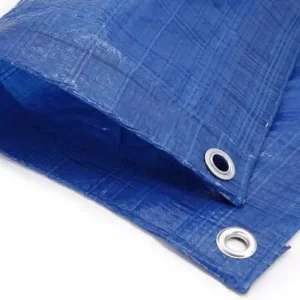
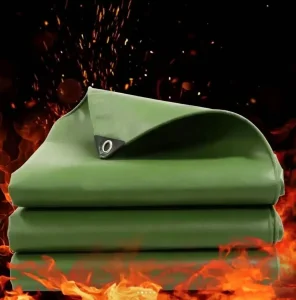
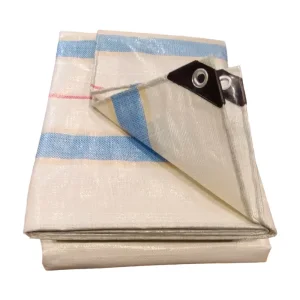
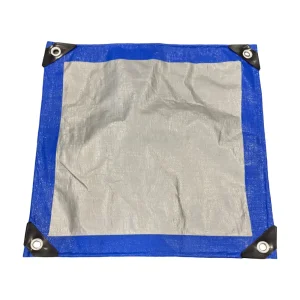
Explore our heavy-duty roll goods, striped PE tarps, customized silver covers, and scratch-resistant industrial vinyl materials.