In the modern industrial supply ecosystem, waterproof tarp material has evolved from basic protective coverings into highly engineered polymeric membranes. Commercial enterprises, agricultural operations, marine logistics networks, and civil engineering infrastructure projects demand bespoke physical performance parameters. Key factors include tensile strength, tear resistance, hydrostatic head pressure, UV degradation resistance, thermal stability, and flame retardancy.
To properly evaluate bulk procurement options from top-tier direct-manufacturing factories, global buyers must analyze the chemical composition and manufacturing processes of the three predominant polymer classes: Polyethylene (PE), Polypropylene (PP), and Polyvinyl Chloride (PVC).
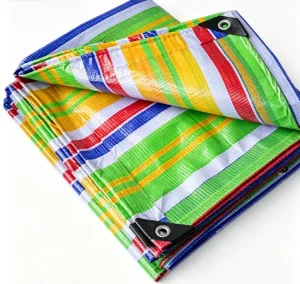
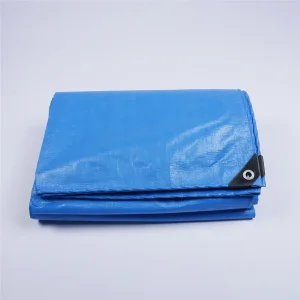
Manufactured via high-density polyethylene (HDPE) tape extrusion woven into structural mesh grids, subsequently laminated on both sides with low-density polyethylene (LDPE) films. Highly lightweight, cost-effective, and recyclable.
Utilizes orientation-stretched polypropylene tapes offering elevated tensile strength and flexural rigidity compared to standard PE. Superior puncture resistance per gram of material weight.
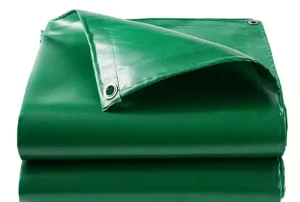
Constructed by knife-coating or hot-lamination of liquid PVC paste onto high-tenacity polyester filament scrim (500D to 1000D). Offers extreme abrasion and chemical resistance.
The international demand for wholesale tarp materials is experiencing structural expansion, driven by rapid urbanization, supply chain localization, infrastructure development, and climate-induced extreme weather response programs. OEM and B2B buyers must navigate complex regional specifications and regulatory expectations when sourcing from Asian manufacturing hubs like Linyi, Shandong—China's premier plastic weaving capital.
| Geographic Market | Primary Industrial Drivers | Dominant Material Specs | Regulatory & Compliance Standards |
|---|---|---|---|
| North America (USA & Canada) | Commercial Construction, Intermodal Freight Trucking, DIY Retail Channels | PE 100–200 GSM (Blue/Silver), PVC 18oz Side Curtains | ASTM D751 Tensile Test, CPAI-84 Flame Resistance |
| European Union (EU) | Agriculture Silage, Modular Event Tents, Environmental Hazard Containment | PVC 650–850 GSM, Flame-retardant PP/PE Scaffolding Sheeting | REACH (SVHC Free), DIN 4102 B1 / EN 13501-1 Fire Class |
| Middle East & GCC | Oil & Gas Infrastructure, Agricultural Grain Storage, Desert Logistics | Heavy-Duty PE 180–300 GSM with High UV Masterbatch (3–5%) | Accelerated UV Weathering (ISO 4892-2), High Temperature Stability |
| Latin America & Africa | Mining Operations, Smallholder Agriculture, Disaster Relief Tenders | Economical PE 60–120 GSM Sheets, Woven Layflat Hoses | ISO 9001:2015 Manufacturing Quality Standards |
Direct sourcing from factory-integrated plants eliminates middle-tier markups while enabling Mixed-Container Load Optimization. Combining heavy PVC rolls, bulk PE finished tarps, and specialized items like PE layflat hoses or weed barrier fabrics into a single 40ft HQ container drastically reduces per-unit shipping costs and inventory holding overhead for regional distributors.
Traditional carbon-black additives are being supplemented by advanced Hindered Amine Light Stabilizers (HALS) and TiO2 nano-particles. This prevents photo-oxidation degradation, preserving polymer chain integrity during multi-year solar exposure in high-ultraviolet regions.
R&D efforts are shifting toward replacing phthalate-based plasticizers in PVC coatings with plant-derived bio-ester compounds, producing non-toxic, low-VOC membrane sheets that comply with stringent European green building mandates.
Automated high-speed hot-air and ultrasonic welding lines are replacing traditional mechanical stitching. Sealed hems with internal PP cords achieve 100% waterproof seam integrity, eliminating needle-hole leak vulnerabilities under extreme hydrostatic pressure.
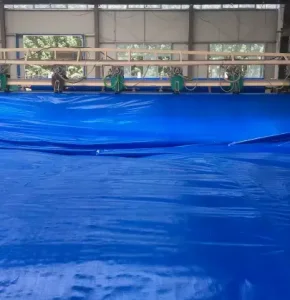
In cold or rainy environments, heavy-duty 150–250 GSM clear, white, or blue PE flame-retardant tarpaulins act as scaffolding wraps, temporary weather barriers, and concrete curing blankets, allowing interior construction to proceed uninterrupted.
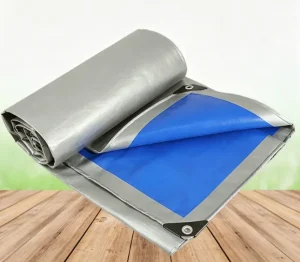
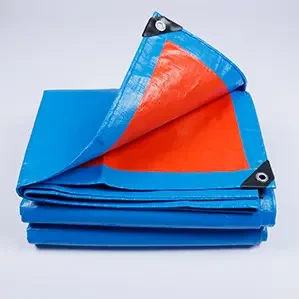
Specially formulated multi-layer PE sheets (such as Green/Silver or Blue/Orange) reflect solar heat on one side while maintaining absolute moisture barrier properties underneath, safeguarding bulk grain stockpiles and hay bales from mold decay.
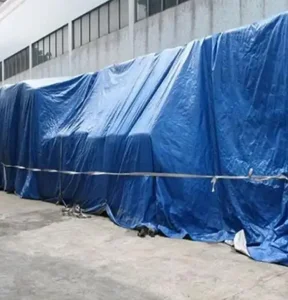
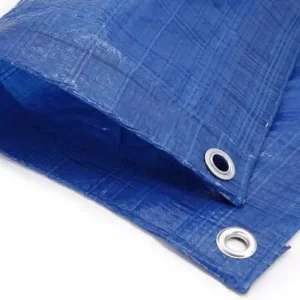
Custom-sized PVC and reinforced PE truck covers featuring brass/aluminum eyelets spaced at 50cm or 100cm intervals, combined with triangular corner patches, withstand high-velocity wind drag and road abrasive forces over long-haul routes.
To maintain authoritative credibility and deliver top-tier reliability (E-E-A-T principles), strict quality assurance protocols are integrated into every stage of production—from virgin resin masterbatch mixing to final automated eyelet punching and bale packaging.
Every production lot undergoes rigorous water column testing (DIN EN 20811). PE tarpaulins undergo testing up to 1,500–3,000 mm H2O, while heavy PVC membranes are tested to withstand upwards of 10,000 mm H2O hydrostatic pressure without micro-seepage.
Using electronic tensile testing equipment (ASTM D751 standards), warp and weft fabric strength is measured to ensure high load-bearing capacity and eyelet pull-out resistance during harsh storms.
Full support for third-party pre-shipment inspections (SGS, Bureau Veritas, TÜV). Full export documentation packages provided, including Certificates of Origin (Form E, Form A), REACH declarations, and ISO 9001 compliance sheets.
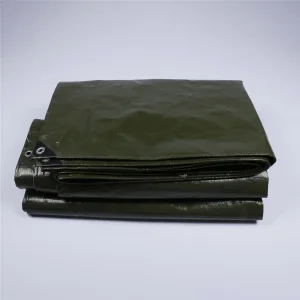
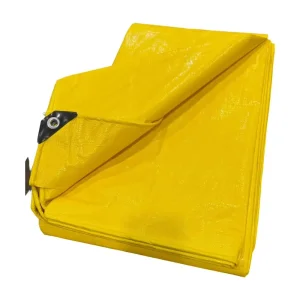
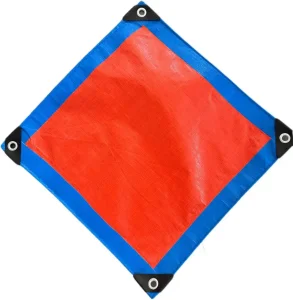
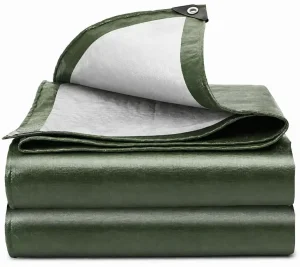
Selecting the right weight depends on the required durability, exposure period, and budget:
For standard factory running specifications (e.g., standard Blue/Silver or Green/Silver rolls/sheets), MOQs start from a mixed 20ft container (approx. 10–12 metric tons). Custom colors, unique GSM formulations, special fire-retardant mixes, or printed OEM packaging require a minimum of 3 metric tons per specification. Standard production lead time is 15 to 25 days after artwork and pre-production sample approval.
UV degradation occurs when ultraviolet radiation breaks down polymer molecular chains. We compound virgin polyethylene/polypropylene resins with high-efficiency Hindered Amine Light Stabilizer (HALS) masterbatch. For high-radiation regions like the Middle East, Africa, or Australia, a 3% to 5% UV dosage is added at the extrusion stage, backed by accelerated QUV weathering test reports providing up to 2–5 years of field stability.
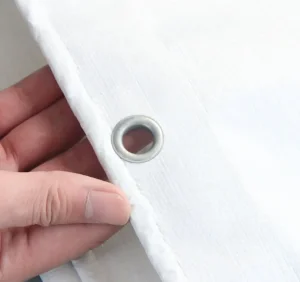
We provide comprehensive OEM customization. Sheets are cut to exact specified cut-sizes or finished sizes, heat-sealed along seams, fitted with embedded PP hem ropes, reinforced at all four corners with plastic patches, and punched with heavy-duty aluminum, brass, or stainless steel eyelets at 50cm, 100cm, or custom intervals. Retail-ready packaging includes printed artwork inserts, polybags, barcodes, and master cartons.
PE tarpaulin is significantly lighter and more cost-effective per square meter, making it ideal for large-surface covers, temporary protection, and disposable/recyclable applications. PVC tarpaulin features high-tenacity polyester scrim coated with solid PVC resin, resulting in far superior tensile strength, chemical resistance, tear resistance, and dynamic flex performance. While PVC costs more upfront, its 5- to 10-year lifespan makes it the more economical choice for long-term industrial uses like trailer curtains and architectural shelters.