Premium factory-direct PE & PVC tarpaulin sheets and rolls designed to withstand extreme UV radiation, torrential tropical rain, and rigorous agricultural handling.
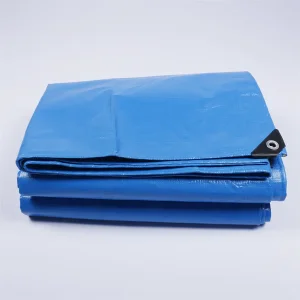
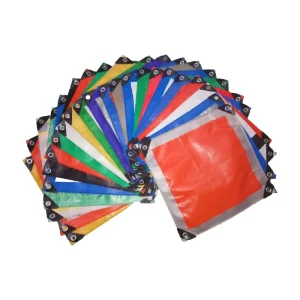
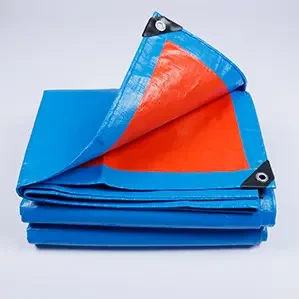
Understanding the specific material demands imposed by Costa Rica’s distinct topography, rain belts, and intensive export-oriented agriculture.
Costa Rica stands as a powerhouse in Central American commercial agriculture, recognized globally for its high-value exports of premium high-altitude Arabica coffee (Tarrazú, Central Valley), golden pineapples (Huetar Norte, Atlantic region), Cavendish bananas (Limón province), and sugarcane. Agriculture contributes significantly to the national GDP and demands robust supply-chain infrastructure.
The post-harvest processing and transport of these crops rely heavily on protective polymer coverings. From sun-drying coffee beans on patio drying beds during unpredictable mountain showers to safeguarding harvested pineapples against sun-scald during transport to Puerto Limón, high-tensile agricultural tarpaulins are vital capital assets for Costa Rican producers.
Deploying agricultural plastics in Costa Rica presents severe chemical and physical challenges to standard tarpaulin polymers:
To ensure a service life of 24–36 months in Costa Rican conditions, agricultural tarpaulins cannot be specified purely by raw weight (GSM). Procurement directors must mandate virgin HDPE (High-Density Polyethylene) woven cores, dual-sided LDPE (Low-Density Polyethylene) lamination engineered with minimum 3.5% UV masterbatch additives, and anti-fungal chemical treatments.
How modern extrusion, coating, and additive technologies are transforming plastic tarpaulins into multi-functional protective systems.
Traditional single-layer poly tarps are rapidly being replaced by multi-layer co-extruded films. By laminating an inner high-density woven matrix with dual outer LDPE layers containing distinct functional pigments (e.g., thermal-reflecting silver outer face, light-blocking dark inner face), thermal buildup under covered agricultural produce is reduced by 10°C to 15°C.
Advanced polymer chemistry incorporates Titanium Dioxide (TiO2) and specialized organic HALS UV absorbers directly into the molten resin prior to tape drawing. This molecular-level integration prevents polymer chain scission under aggressive tropical UV radiation, preventing brittle cracking and delamination.
With Costa Rica's strong national commitment to environmental sustainability (Decarbonization Plan 2018-2050), agricultural producers demand 100% recyclable mono-material polyolefin tarpaulins (100% PE core + coating) that can be easily processed in local recycling loops without costly material separation.
Tailored technical setups engineered for Costa Rica's key agricultural sub-sectors and geographical zones.
During the coffee harvest (Harvest season: November to March), wet-processed parchment coffee requires uniform solar drying. Fast-moving mountain cloudbursts threaten to re-wet drying coffee, causing mould growth and defective bean grading.
Fresh fruit transported from packing houses in San Carlos or Sarapiquí across the Central Volcanic Range to container terminals at Moín Port (APM Terminals) face wind abrasion, severe tropical rain storms, and intense road dust.
Shrimp farms and cattle ranches in dry Pacific regions require durable shade screens and water reservoir liners to resist salt-spray corrosion and solar heat radiation.
Rapid urban development in San José, Heredia, and Cartago demands weatherproofing sheets for commercial building sites during the May-November green season.
Rigorous quality control from polymer synthesis to corner eyelet reinforcement.
Our production plant in Linyi, China utilizes state-of-the-art Japanese extrusion looms and automated double-sided thermal lamination equipment. Below are the verified technical benchmarks supplied to Central American distributors:
| Technical Property | Light Duty Grade | Medium Agri-Grade | Heavy Industrial Grade |
|---|---|---|---|
| Fabric Weight (GSM) | 60 g/m² – 90 g/m² | 100 g/m² – 160 g/m² | 180 g/m² – 300 g/m² (PE) / Up to 900 GSM (PVC) |
| Weave Mesh Count | 8 x 8 / inch | 10 x 10 to 12 x 12 / inch | 14 x 14 / inch (High Tenacity Yarn) |
| Tensile Strength (Warp/Weft) | 450 / 400 N / 5cm | 750 / 700 N / 5cm | 1250 / 1150 N / 5cm |
| Tear Resistance | 60 N | 110 N | 220 N+ |
| UV Stabilization Additive | 1.5% - 2.0% HALS | 3.0% HALS (18 Mo. Outdoor) | 4.5% - 5.0% HALS (36-48 Mo. Tropical Outdoor) |
| Hydrostatic Head Rating | > 1500 mm H2O | > 2200 mm H2O | > 3000 mm H2O (100% Impermeable) |
The number one point of tarpaulin failure in high-wind zones (such as Guanacaste's Papagayo winds) is eyelet tear-out. We reinforce every sheet with:
Many low-cost factories blend recycled plastic scrap into their tape extrusion line, resulting in micro-voids and rapid brittle failure under UV exposure. Star Tarpaulins guarantees 100% pure virgin HDPE resin feedstock for all woven core structures, backed by SGS/BV laboratory inspection test reports.
Streamlined containerized shipping directly to Puerto Limón (Atlantic Coast) and Puerto Caldera (Pacific Coast).
We provide automated container loading calculations (20GP, 40GP, 40HQ) to maximize metric tonnage and cubic volume utilization. Combine ready-made tarpaulin sheets, tarpaulin rolls, weed barrier fabrics, and PE layflat hose in a single mixed container.
Tailored for hardware retail chains (Ferreterías) and agricultural supply stores (Agroquímicas) across Costa Rica. Customized color inserts, Spanish retail labels, EAN-13 barcodes, and private logo surface printing on tarpaulins.
We issue complete, fully verified export documentation (Commercial Invoice, Packing List, Bill of Lading, Certificate of Origin, HS Code classification 3926.90 / 6306.12) to ensure rapid customs clearance at Costa Rican ports of entry.
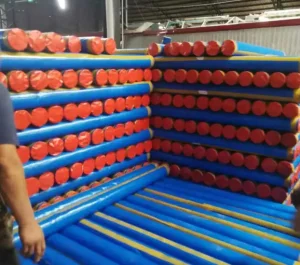
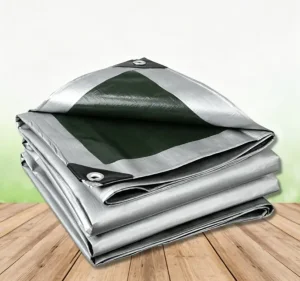
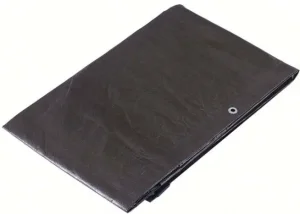
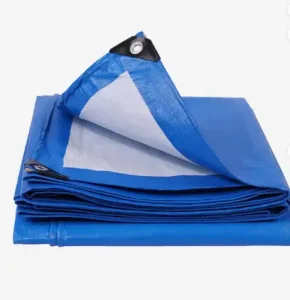
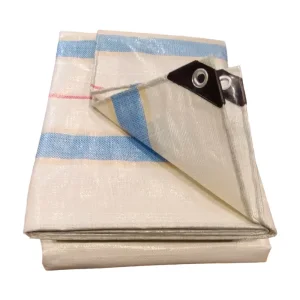
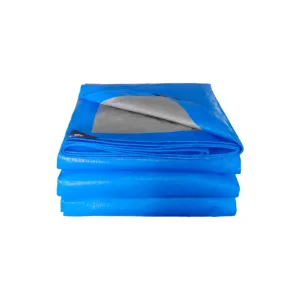
Browse our full factory offering engineered for agricultural covers, industrial shades, transport protection, and tent applications.
Answers to common engineering, procurement, and shipping questions for importers in Central America.
For coffee patio coverage in regions like Tarrazú, Heredia, and Central Valley, we recommend our 130 GSM to 160 GSM Silver/Black dual-coated PE tarpaulins. The silver side reflects intense direct sunlight to prevent bean baking, while the 100% opaque black interior layer blocks light transmission. Built-in 3.5% UV HALS additives prevent cracking from high-altitude solar radiation.
Standard commodity tarps without proper UV treatment degrade within 3 to 6 months in Costa Rica. Star Tarpaulins engineers custom UV masterbatch formulations (3% to 5% HALS). Our Agriculture Grade PE tarps (150-240 GSM) are guaranteed for 18 to 24 months of continuous outdoor exposure, while our Heavy PVC Knife-Coated tarps (550-900 GSM) provide a service life exceeding 3 to 5 years.
For standard stocked specifications, MOQ starts from 1 x 20ft container (approx. 10 to 12 tons), allowing mixed sizes and colors. For custom specs (specific GSM, custom logos, special eyelet pitch), MOQ is 3 tons per color/size. Standard manufacturing lead time is 15 to 25 days from deposit receipt, with ocean transit from Qingdao Port to Puerto Limón / Puerto Caldera taking approximately 22 to 28 days.
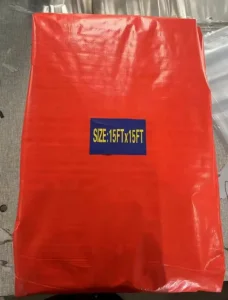
Yes. We provide complete OEM/ODM production. Tarpaulins can be finished in any cut size (e.g., 2m x 3m up to 20m x 30m). We print custom artwork, Spanish instruction labels, brand logos, barcodes, and warning badges directly on individual polybags and master export cartons.
Every production lot undergoes rigorous internal testing in our QA laboratory. We test hydrostatic head pressure (ensuring waterproof performance under >2000mm H2O), tensile breaking strength (warp and weft), corner grommet pull-out force (minimum >400 N load), and thermal weld seam integrity. Digital test certificates and pre-shipment inspection videos are provided for every container shipment.