Direct-from-factory engineered polyolefins, waterproof sheeting, and protective agricultural covers for commercial farming and global transport.
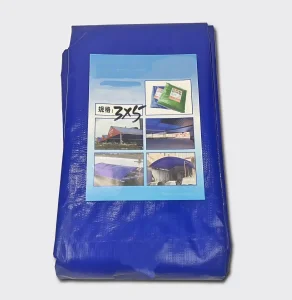
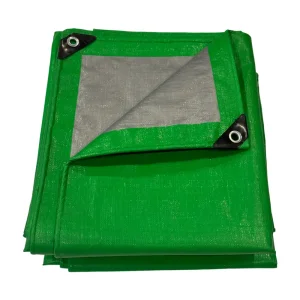
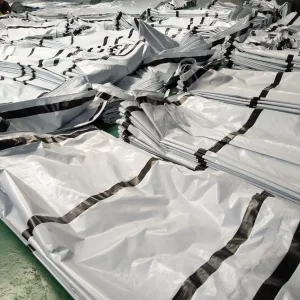
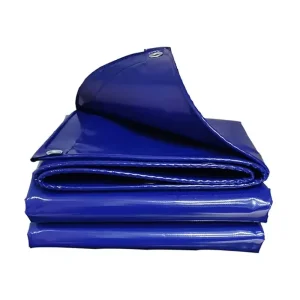
As global climate instability poses unprecedented challenges to agricultural yields, Chinese plastic manufacturing clusters—led by vertical hubs like Linyi Xinshengyang Plastic Products Co., Ltd. (Star Tarpaulins)—have evolved into core engineering nodes for high-performance agritech protective textiles.
Modern commercial agriculture relies heavily on controlled micro-environments, water conservation technologies, and robust crop protection logistics. China's agricultural manufacturers have shifted from commodity plastic film production to advanced polymer engineering. By combining high-density polyethylene (HDPE) woven cores with dual-sided low-density polyethylene (LDPE) extrusion laminations, manufacturers provide precise climate control solutions that optimize photo-selective light transmission, block damaging thermal radiation, and deliver structural resistance against high winds, hail, and torrential rainfall.
This industrial whitepaper evaluates the modern procurement criteria, technological advancements, and operational compliance frameworks for procurement managers, agricultural co-operatives, and global distributors sourcing agritech materials directly from Chinese OEM/ODM manufacturing facilities.
Key structural forces transforming how agricultural protection, grain storage, and farm infrastructure materials are developed and procured.
Unpredictable precipitation, intense solar radiation, and severe storms demand protective tarpaulins with higher tensile thresholds. Commercial farms are moving from standard single-season covers to multi-year, UV-stabilized polyolefins capable of enduring extreme heat in arid regions like the Middle East and sub-zero temperatures in Northern Europe.
Global environmental regulations, including EU plastic directives and ESG mandates, require fully recyclable agricultural textiles. Mono-material design—specifically 100% Polyethylene (HDPE weave + LDPE coating) and Polypropylene systems—is replacing multi-layer composite plastics to enable straightforward mechanical recycling at end-of-life.
Water scarcity drives demand for efficient layflat water conveyance hoses and impermeable pond liners. Engineered PE layflat hoses allow rapid deployment across uneven farm topographies, offering low friction loss, resistance to agricultural chemicals, and high burst pressure ratings for drip irrigation manifolds.
Understanding material chemistry, structural integrity, and laboratory testing standards essential for contract manufacturing.
The operational lifespan of agricultural tarpaulins and woven geotextiles depends directly on resin purity and chemical additives. Commercial-grade tarpaulins manufactured by leading Chinese factories utilize 100% virgin HDPE for warp and weft tapes, ensuring maximum tensile strength without the micro-voids associated with post-consumer recycled (PCR) resin blends.
To resist solar degradation, manufacturers incorporate Hindered Amine Light Stabilizers (HALS) and Carbon Black UV masterbatches at controlled weight percentages (typically 3% to 5%). This chemical barrier neutralizes free radicals generated by photo-oxidation, preserving physical elasticity and tear resistance across extended field exposures.
| Specification Parameter | Standard Agriculture Grade | Heavy-Duty Logistics Grade | Industrial Agritech Premium | Testing Standard Reference |
|---|---|---|---|---|
| Grammage Range (GSM) | 60 g/m² – 120 g/m² | 140 g/m² – 220 g/m² | 240 g/m² – 300+ g/m² | ISO 3801 / ASTM D3776 |
| Tensile Strength (Warp/Weft) | 600 / 550 N/5cm | 1000 / 950 N/5cm | 1600 / 1500 N/5cm | ISO 13934-1 / ASTM D751 |
| Tear Resistance (Elmendorf) | 80 N | 150 N | 260 N | ISO 13937-2 / ASTM D1424 |
| Hydrostatic Head Pressure | > 50 kPa (Waterproof) | > 100 kPa (Heavy Rainproof) | > 200 kPa (Extreme Pressure) | ISO 811 / AATCC 127 |
| UV Resistance Life | 1 Season (approx. 12 mos) | 2 – 3 Years Outdoor | 5+ Years Continuous Exposure | ASTM G154 (Accelerated Weathering) |
Comprehensive material architectures designed to protect crops, secure harvests, and streamline farm logistics.
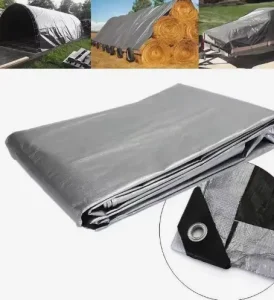
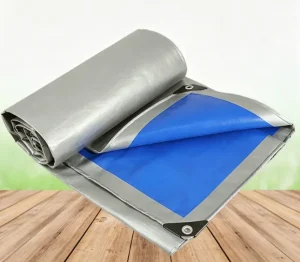
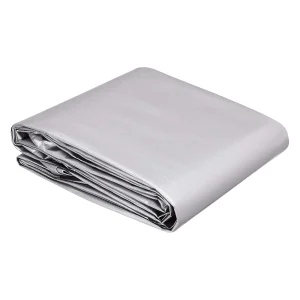
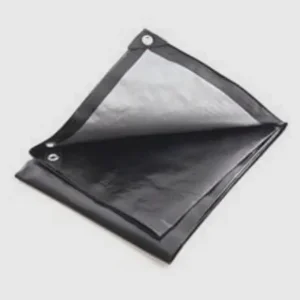
Post-harvest loss remains a significant operational risk for global grain producers. Specialized grain-drying tarpaulins are manufactured with food-contact compliant PE materials, offering high moisture impermeability and thermal reflection properties. Dual-color sheets (e.g., Silver/Black or Silver/Green) reflect ambient solar heat on the exterior while preventing humidity buildup on the underside, preventing fungal growth and spoilage during field drying.
Agricultural logistics requires heavy-duty transport protection capable of withstanding high-speed wind drag and physical abrasion. China's truck tarpaulin manufacturing processes utilize thick 270gsm to 650gsm poly-laminated fabrics equipped with reinforced rope hems, heat-sealed waterproof seams, and high-tensile brass or aluminum eyelets placed at custom intervals for tie-down security.
Modern organic and commercial horticulture uses high-density woven polypropylene (PP) weed barrier fabrics to reduce reliance on chemical herbicides. These UV-treated geotextiles feature high puncture resistance, controlled water permeability to maintain soil hydration, and woven alignment lines for quick crop spacing during planting.
For temporary or seasonal irrigation networks, woven PE layflat hoses serve as lightweight alternatives to rigid PVC or steel piping. Manufactured through continuous circular weaving and co-extruded inner/outer poly coatings, these hoses deliver high pressure capacity with minimal weight, reducing freight cost and installation labor.
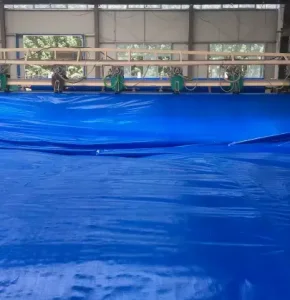
Inside a modern Chinese agricultural tarpaulin plant: strict process controls driving quality consistency across large production volumes.
Virgin HDPE pellets are blended with thermal and UV masterbatches in automated dosing systems. The mixture is melted, extruded into flat thin films, water-quenched, and slit into uniform tapes. These tapes undergo hot-plate orientation stretching to optimize tensile molecular structure.
Oriented polymer tapes are loaded onto high-speed circular looms or water-jet looms to form the structural woven core. Weave density (e.g., 8x8, 10x10, 14x14 tapes per square inch) is electronically monitored to maintain uniform tear strength across warp and weft directions.
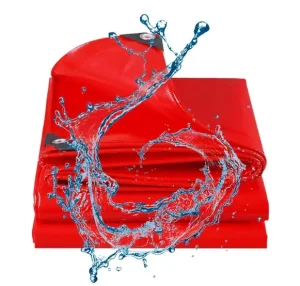
The woven base fabric passes through a double-sided lamination line where molten LDPE is extruded onto both faces simultaneously. This seals all fabric interlocks, creating an impermeable barrier against water, air, and dust with high peel strength.
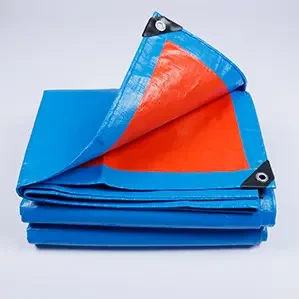
Laminated rolls are slit, thermal-welded into custom wide sheets, hemmed with internal polypropylene reinforcement ropes, and fitted with heavy-duty metal grommets and reinforced plastic corners to prevent eyelet pull-out under stress.
Ensuring direct-from-factory shipments meet regional regulations and strict customer specifications.
Established Chinese manufacturers maintain robust quality management systems compliant with ISO 9001:2015. Finished goods can be tested for chemical safety under REACH (EC 1907/2006), RoHS directives, and food-grade compliance (FDA / EU 10/2011) for direct agricultural contact applications.
Every export lot undergoes comprehensive laboratory testing, including tensile grab tests, hydrostatic head burst testing, color spectrum consistency checks, and eyelet pull-out resistance evaluation. Third-party inspection agencies such as SGS, BV, and TÜV Rheinland are routinely integrated into factory dispatch workflows.
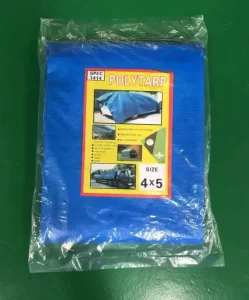
From custom retail color cartons and polybags with EAN/UPC barcodes to optimized roll winding for container loading, top-tier Chinese plants offer end-to-end private-label support. Container space is maximized using automated hydraulic balers and custom palletization to minimize ocean freight costs per unit.
Direct technical answers from factory engineers to guide high-volume procurement decisions.
Selection depends on intended service life and environmental exposure. Light-duty temporary covers (60 GSM – 90 GSM) suit short-term agricultural transport and general farm tasks. Medium-weight tarps (100 GSM – 160 GSM) fit seasonal hay covers, equipment protection, and retail DIY sales. Heavy-duty options (180 GSM – 300+ GSM) are recommended for multi-season grain drying, long-term construction enclosures, and extreme climate exposures requiring maximum tear resistance.
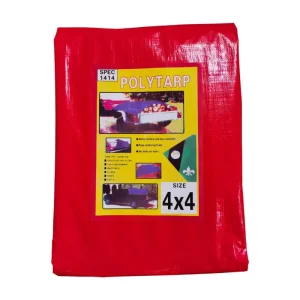
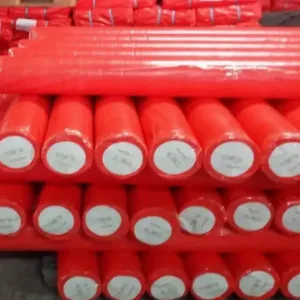
PE Tarpaulin Rolls (typically supplied in 2m to 6m widths and 50m to 100m lengths) are raw materials intended for localized conversion, tent manufacturing, or structural lining. Finished PE Tarpaulin Sheets are fully converted products cut to specific dimensions, complete with heat-sealed seams, perimeter rope-reinforced hems, corner reinforcement patches, and evenly spaced grommets ready for immediate installation.
Untreated polyolefins degrade within months under direct ultraviolet radiation, becoming brittle and prone to tearing. Adding 3% to 5% Hindered Amine Light Stabilizers (HALS) masterbatch during extrusion absorbs UV rays and prevents molecular chain scission. This allows tarpaulins installed in high-UV regions (e.g., Middle East, Australia, Latin America) to retain structural integrity over 2 to 5 years of continuous outdoor exposure.
For standard stocked specifications and running factory colors (e.g., Blue/Silver, Green/Silver), MOQs start at one mixed 20ft container (approx. 10 to 12 metric tons). Custom color matching, custom sizes, printed logos, or specific GSM formulations generally require an MOQ of 3 to 5 tons per item. Standard production lead time ranges from 15 to 25 days following sample approval and deposit confirmation.
Yes. Factories producing grain-drying sheets and crop storage liners can use 100% virgin polyethylene resin and food-safe color masterbatches compliant with FDA (21 CFR 177.1520) and EU Regulation No. 10/2011 standards. Always request food-contact certification documentation prior to mass production.
Explore our full line of specialized agricultural tarpaulins, grain drying sheets, and heavy-duty covers.