High-tenacity woven poly-fabrics, layflat irrigation tubing, and multi-layer laminated covers extruded and finished directly from our Linyi manufacturing plant.
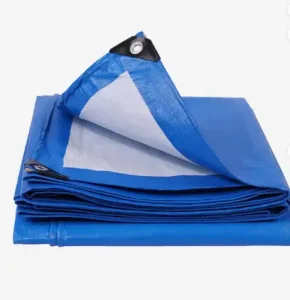
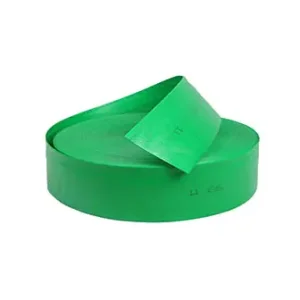
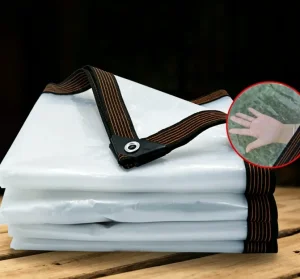
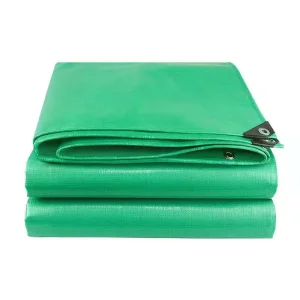
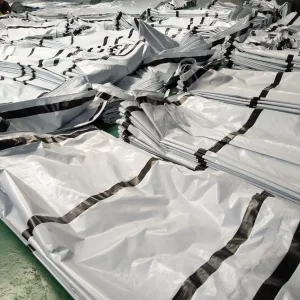
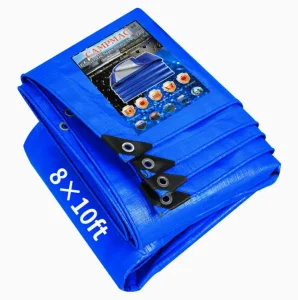
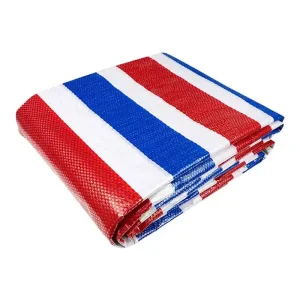
Transforming global yield metrics through high-performance polymer extrusion, UV-inhibited weaving technology, and climate-resilient field coverings.
Engineered low-density and high-density polyethylene (LDPE/HDPE) multi-layered films maintain optimum root-zone temperatures, suppressing thermal shock during rapid ambient drop-offs and maintaining humidity gradients essential for high-value cash crops.
By compounding Hindered Amine Light Stabilizers (HALS) and rutile titanium dioxide into masterbatches, our agricultural covers resist intense ultraviolet degradation up to 350–500 KLY (Kilolangley), guaranteeing multi-season durability under equatorial sunshine.
In arid farming belts across the Middle East and North Africa, our non-permeable woven tarps and flexible layflat irrigation lines drastically minimize evapotranspiration losses and conveyance seepages, delivering 98.4% water delivery efficiency.
Agriculture across the globe faces unprecedented pressure driven by extreme climate volatility, topsoil erosion, and stringent water conservation mandates. In response, modern agronomics relies heavily on high-tensile technical textiles and plastic sheeting—collectively designated as Plasticulture. As a primary China agriculture tarpaulin manufacturer and global supplier based in Linyi, Shandong, our plant delivers vertically integrated polymer solutions designed to buffer vulnerable food production ecosystems against mechanical stress, torrential precipitation, hail damage, and solar radiation.
Through advanced co-extrusion and circular loom weaving technologies, our tarpaulins transition standard polyolefins (HDPE, LLDPE, PP, PVC) into precise functional barriers. Whether deployed as pond liners for agricultural reservoirs, silage storage wraps preserving animal feedstock, or high-tensile shade structures protecting delicate horticulture, our material formulations prioritize tensile resilience, hydrostatic burst resistance, and long-term chemical inertness against fertilizers and pesticides.
Technical Insight: Tensile strength in agricultural woven fabrics is directly governed by yarn denier and mesh density. By utilizing virgin HDPE resins reinforced with metallocene catalyst linear low-density polyethylene (mLLDPE), our tarpaulins yield an elongation-at-break performance exceeding 22%, dramatically reducing field tearing along grommet load points during gale-force wind events.
Analyzing global demand vectors, polymer market shifts, and regional sourcing requirements for enterprise buyers.
The global demand for agricultural tarpaulins and protective polymer sheeting is expanding rapidly. Driven by the expansion of controlled-environment agriculture (CEA) and large-scale mechanized farming, commercial buyers in North America, Latin America, Europe, Africa, and Southeast Asia are seeking factory-direct manufacturing partnerships capable of scaling output while enforcing stringent quality control.
| Target Climate Zone | Primary Application Requirements | Recommended Material Composition | Critical Performance Metrics |
|---|---|---|---|
| Middle East & North Africa (MENA) | Extreme Heat Protection, Sandstorm Shielding, Canal Reservoir Liners | HDPE Woven Core + Double LLDPE Coating + 4.5% HALS UV Stabilizer | UV Resistance >450 KLY; Thermal Degradation Temp >110°C |
| North America & Europe | Silage Covers, Crop Drying Floors, Equipment Storage, Scaffolding | Flame-Retardant Heavy-Duty PE (180–300 GSM) or Coated PVC (500–900 GSM) | ASTM D751 Tensile >1200 N; REACH / RoHS Heavy-Metal Compliant |
| Latin America (LATAM) | Fruit Orchard Anti-Hail Covers, Aquacultural Pond Liners, Coffee Bean Drying | High-Clarity Transparent PE or Black/Silver Dual-Tone Sheeting | Puncture Resistance >350 N; Anti-Fungal / Mold Resistant Layer |
| Southeast Asia & Oceania | Monsoon Rain Barriers, Paddy Grain Protection, Low-Pressure Layflat Hose Lines | PE Woven Layflat Tubing & 100% Waterproof Laminated Canvas Tarps | Hydrostatic Head Pressure >150 kPa; Mildew-Proof Surface Treatment |
Factory-direct manufacturing out of China’s major industrial clusters—specifically Linyi City, Shandong Province—delivers significant Total Cost of Ownership (TCO) advantages. By integrating tape extrusion, circular weaving, double-sided extrusion lamination, and automated grommet punching under one roof, production efficiency is maximized while raw polymer price volatility (driven by ethylene and propylene benchmark index swings) is stabilized for international B2B importers.
Rigorous physical properties engineered to withstand extreme field forces, hydrolytic attack, and mechanical wear.
Ranging from light 60 GSM utility sheets to ultra-heavy 300 GSM PE fabrics and 900 GSM industrial PVC covers. Weave construction varies from 8×8 to 14×14 mesh count per inch using high-tenacity yarn (700D to 1500D).
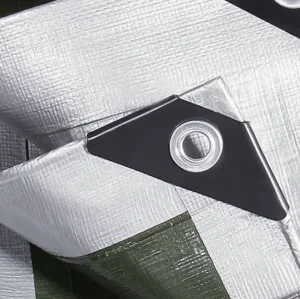
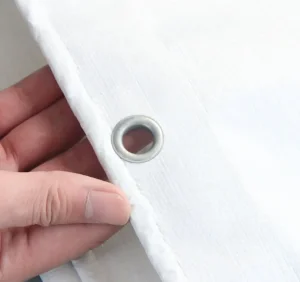
Edges feature continuous PP/PE ropes embedded within ultrasonically sealed heat seams. Triangular molded plastic corner patches absorb point-stress, while rust-proof aluminum, brass, or stainless steel eyelets are spaced at 50 cm or 100 cm intervals.
Custom masterbatch loading provides anti-fogging capabilities for greenhouse films, flame-retardancy (B1/B2 standards), anti-static dust repelling, and specialized light diffusion properties to eliminate focal burning on crops.
Our 30,000 square meter production facility in Linyi implements rigorous Quality Management Systems certified under ISO 9001:2015. Raw high-density polyethylene pellets are continuously inspected for melt flow index (MFI) and density consistency before undergoing high-speed blown-film tape extrusion. The resulting synthetic tapes are woven on high-speed water-jet and circular looms, providing exceptional dimensional stability in both warp and weft axes.
During the coating phase, molten low-density polyethylene is laminated simultaneously onto both sides of the woven substrate at extreme temperature and pressure, forming a chemical bond that eliminates delamination risks even under sub-zero winter conditions or high-humidity tropical microclimates.
Fulfilling environmental, safety, and import directives across major global economic zones.
Our polyolefin and PVC compounds undergo independent testing by SGS/Intertek to ensure absolute compliance with SVHC (Substances of Very High Concern) limits, keeping lead, cadmium, phthalates, and heavy metal additives well below international safety thresholds.
For organic farming installations, agricultural tarps and weed barrier fabrics must not leach toxic plasticizers into the soil matrix. We supply certified non-migrating polymer sheets tailored for soil solarization and organic crop protection.
Complete OEM/ODM support for distributors, hardware chains, and agricultural cooperatives. Includes customized retail inserts, UPC/EAN barcode printing, display cartons, and compact bundle folding for optimized container cubing.
Navigating international import regulations requires flawless documentation. As an experienced exporter out of Qingdao and Lianyungang ports, we issue complete compliance dossiers per shipment, including Certificates of Origin (Form E, Form A, RCEP, CO), SGS physical property test reports, phytosanitary certificates for timber pallets, and specialized bill-of-lading arrangements for hassle-free port clearance.
From grain conservation to aquaculture, see how our protective materials perform in demanding micro-environments.
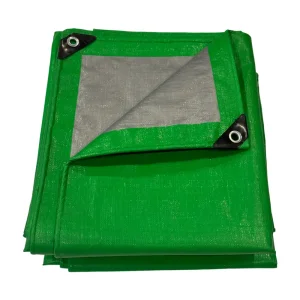
Heavy-duty 200–250 GSM silver/black dual-tone PE sheets reflect intense heat to keep harvested wheat, maize, and paddy dry while preventing condensation buildup and mold contamination during outdoor storage.
Ultra-clear UV-stabilized PE sheeting allows high photosynthetically active radiation (PAR) light transmission while offering cold-weather heat retention for delicate vegetable nurseries and floral crops.
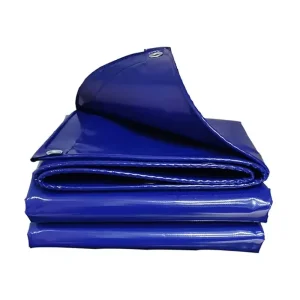
Impermeable thick PE and PVC laminated tarpaulins line shrimp ponds and agricultural retention dams, preventing soil water seepage and maintaining controlled chemical balances for aquaculture.
High-density woven weed barrier fabrics prevent light penetration to suppress weed growth naturally, drastically reducing the need for chemical herbicides while allowing water and air circulation to plant roots.
Abrasion-resistant 2-inch to 8-inch PVC and PE woven layflat hoses deliver high-volume water conveyance across rugged farm terrain, withstanding vehicle run-overs and high working pressures.
Custom-sized, tear-resistant waterproof tarpaulins protect tractors, combine harvesters, and irrigation pumps from corrosion, dust accumulation, and sun degradation when parked outdoors.
Pioneering eco-friendly bio-polymers, smart sensor integration, and closed-loop material recycling.
As global environmental regulations crack down on single-use plastics, our R&D division is accelerating the integration of PLA (Polylactic Acid) and PBAT (Polybutyrate Adipate Terephthalate) bio-blends into agricultural ground covers. These materials deliver necessary seasonal durability before soil-safe enzymatic breakdown, eliminating post-harvest removal labor and microplastic soil residue.
Next-generation greenhouse and shade covers will incorporate rare-earth nano-fluorescent pigments capable of converting harmful UV rays into red and blue spectral light wavelengths. This photon-shifting technology accelerates crop photosynthesis, raising greenhouse crop growth speeds by up to 14% while retaining thermal stability.
Implementing full cradle-to-cradle material circularity, our plant has established post-industrial scrap recycling loops. Used polyolefin tarpaulins collected from enterprise farm partners are re-granulated into heavy-duty utility-grade tarpaulin inner cores, achieving a 40% carbon footprint reduction without compromising structural tensile integrity.
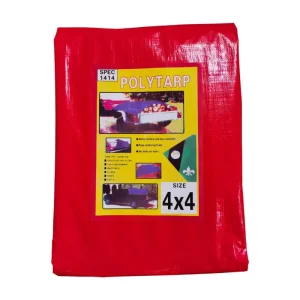
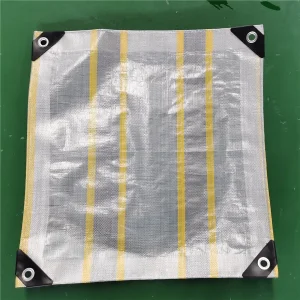
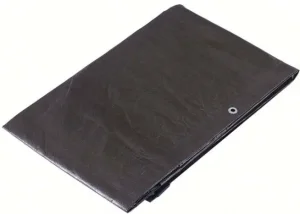
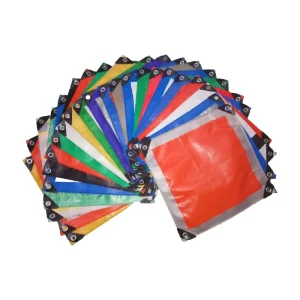
Explore our full line of multi-purpose, customized size tarpaulins and high-strength plastic sheeting.
Expert guidance for procurement managers, agronomists, and B2B buyers evaluating agricultural tarpaulin suppliers.