Factory-direct specifications engineered for severe weather, logistics containment, and agricultural storage.
Analysis of technical textiles, heavy-duty protective coverings, and material evolution.
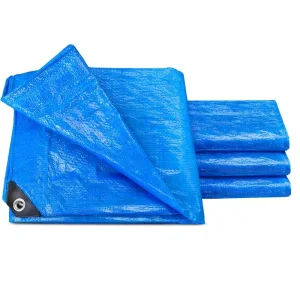
The global demand for industrial protective coverings—encompassing heavy-duty waterproof canvas, Polyethylene (PE) woven tarpaulins, Polyvinyl Chloride (PVC) knife-coated fabrics, and Polypropylene (PP) substrates—has undergone a structural transformation. Modern supply chains require containment solutions that maintain physical integrity under aggressive environmental stressors, including severe ultraviolet (UV-B/UV-A) radiation, high wind shear loads, chemical exposure, and cyclic hydrothermal freezing.
As international commercial trade expands across maritime, overland logistics, structural civil engineering, and automated agriculture, procuring managers are shifting from commoditized price-per-square-meter sourcing to total-cost-of-ownership (TCO) evaluation. In this environment, China canvas tarpaulin waterproof manufacturers & suppliers have established a dominant position by unifying raw resin synthesis, high-denier thread extrusion, advanced weave geometry controls, and multi-layer lamination processes within integrated industrial hubs such as Linyi, Shandong.
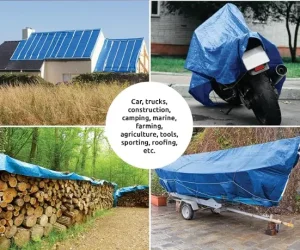
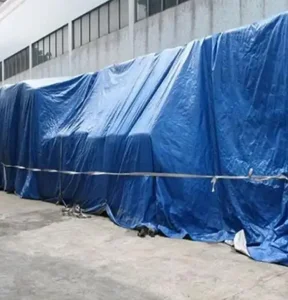
High-tenacity side curtains, flatbed trailer covers, and intermodal container liners designed to withstand extreme wind drag and continuous highway friction.
Temporary structural roofing, debris containment netting, foundation moisture barriers, and thermal concrete curing covers for major construction projects.
Multi-season hay bale covers, grain drying tarps, silage pit seals, and UV-stabilized shade sails engineered for extended outdoor field longevity.
Selecting the optimal material specification requires understanding the physical trade-offs across polymer types. While traditional treated cotton canvas offers breathability, modern synthesized Polyethylene (PE) and Polyvinyl Chloride (PVC) laminates provide superior hydrostatic resistance, zero water absorption, lighter weight, and significantly higher tensile yield strength.
| Performance Metric | Woven PE Tarpaulin (60–300 GSM) | PVC Coated Fabric (450–900+ GSM) | Wax/Vinyl Cotton Canvas |
|---|---|---|---|
| Hydrostatic Head Rating | Exceeds 50–100 kPa (100% Waterproof) | Exceeds 200+ kPa (Extreme Pressure) | 15–30 kPa (Water Resistant / Breathable) |
| Tensile Strength (Warp/Weft) | High (750 N – 1450 N / 5cm) | Ultra-High (2000 N – 4000 N / 5cm) | Moderate (500 N – 900 N / 5cm) |
| UV Degradation Resistance | 3%–5% HALS Masterbatch (1–3 Years) | PVDF / Acrylic Topcoat (3–7+ Years) | Requires Periodic Re-treatment |
| Cold Crack Temperature | Down to -40°C | Down to -30°C (with flexibilizers) | Stiffens below 0°C (Wax hardens) |
| Recyclability & Eco-Footprint | 100% Recyclable Polyolefin Stream | Specialized Chemical Recycling | Biodegradable Base (if untreated) |
Why Shandong and Linyi manufacturing clusters define global competitiveness in technical protective textiles.
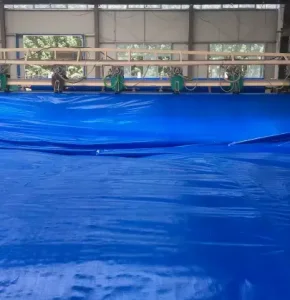
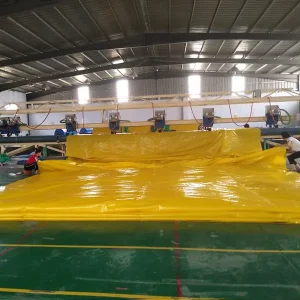
China's global leadership in protective covers is rooted in complete vertical supply chain integration. In hubs like Linyi, Shandong, factories operate from primary petrochemical polymer processing through final ready-made tarpaulin sheet fabrication under one continuous production architecture.
Direct melt processing of High-Density Polyethylene (HDPE) resins ensures uniform tape denier and tensile strength control before weaving begins.
State-of-the-art circular and flat water-jet looms produce precise mesh densities (ranging from 8x8 to 14x14 strands per inch) without weave defects.
Low-Density Polyethylene (LDPE) or liquid PVC is applied via high-precision extrusion coating, guaranteeing zero pinholes and optimal bond strength.
Continuous thermal welding, rope-in-hem reinforcement, patch corner welding, and automated brass/aluminum grommet insertion ensure structural reliability.
The operational scale of facilities like Linyi Xinshengyang Plastic Products Co., Ltd. (operating a 30,000 m² plant producing over 20,000 metric tons annually) yields distinct procurement benefits for international B2B buyers:
Technical configurations adapted to rigorous real-world operating environments.
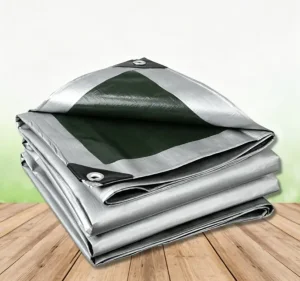
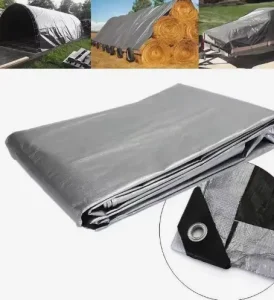
In global logistics, tarpaulins experience relentless stress from aerodynamic drag and cargo friction. Engineering specifications demand high tear propagation resistance. Double-side silver/black or silver/green PE/PVC sheets reflect heat to protect climate-sensitive loads while preventing light penetration, minimizing internal condensation under heat cycles.
For agricultural harvest protection, specialized grain-drying sheets require non-toxic, food-contact compliant polyolefin resins. Heavy-duty yellow and black hay tarps featuring double-thick hem ropes and heavy corner webbing patches allow secure tie-downs on open farmland during seasonal storms.
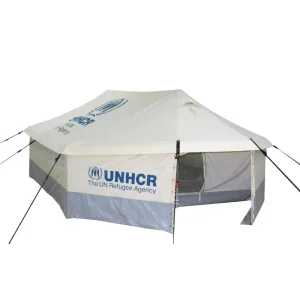
Rubb halls, semi-permanent warehousing, and relief tents utilize high-GSM woven PE or knife-coated PVC fabrics (500–900 GSM). Key requirements include fire retardancy, mildew treatment, and welded structural seams capable of supporting snow and wind loads.
Mining operations in high-altitude or desert regions require specialized tarpaulins formulated for extreme thermal expansion, high UV index, and chemical splash resistance around heap leach pads and equipment storage yards.
The technical protective fabric industry is evolving toward higher performance, extended service lives, and sustainable end-of-life options:
A standard testing protocol for procurement teams evaluating Chinese manufacturers.
To ensure consistent quality across production batches, corporate purchasing departments should require compliance with international standard testing procedures before issuing Purchase Orders (POs):
| Test Parameter | Standard Test Method | Target Acceptance Standard |
|---|---|---|
| Tensile Strength (Warp & Weft) | ASTM D751 / ISO 1421 | ≥ 1000 N / 5 cm (depending on GSM tier) |
| Tear Propagation Resistance | ASTM D2261 / ISO 4674 | ≥ 150 N (Tongue tear method) |
| Hydrostatic Head Pressure | ISO 811 / AATCC 127 | ≥ 80 kPa without seam leakage |
| Accelerated Weathering (UV) | ASTM G154 / ISO 4892-3 | ≥ 80% tensile strength retention after 1500 hrs UV exposure |
| Grommet Pull-Out Force | Custom Hydraulic Pull Audit | ≥ 500 N force before hem deformation |
When auditing potential suppliers in China, verify the following core operational competencies:
Clear answers to crucial questions raised by procurement managers and logistics directors.
Selection depends on intended exposure duration, physical handling, and mechanical stress. Lightweight tarps (60–90 GSM) suit short-term dust covers, temporary DIY covers, and promotional giveaway packs. Medium weight (100–160 GSM) is ideal for hardware retail networks, general equipment covers, and light construction. Heavy-duty tarps (180–300 GSM PE/PP) are specified for scaffolding protection, hay stack covers, and long-term storage. Industrial-grade applications—such as truck side curtains, static warehouse tents, and long-haul trailer covers—require 450–900+ GSM PVC coated technical fabrics.
For high-solar irradiance regions like the Middle East, Australia, and Sub-Saharan Africa, standard polyolefin plastics degrade rapidly under UV exposure. We add 3% to 5% Hindered Amine Light Stabilizer (HALS) masterbatch (such as Chimassorb or Tinuvin formulations) directly during tape extrusion. This slows photo-oxidative degradation, allowing the material to retain structural tensile strength and flexibility over multi-year field exposures.
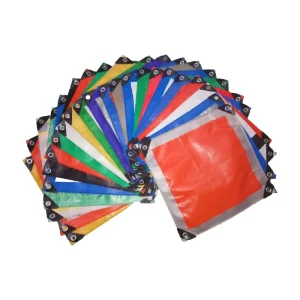
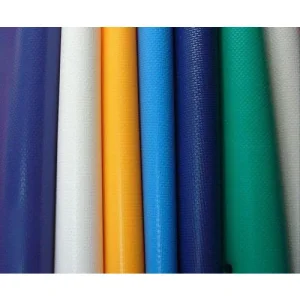
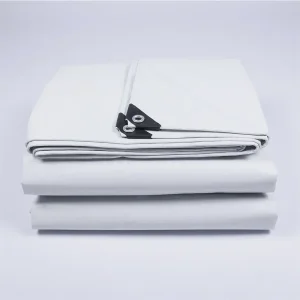
We provide comprehensive OEM customization. This includes custom sheet dimensions (from small 2x3 m consumer packs up to 20x30 m industrial sheets), specified color combinations (such as blue/orange, silver/green, double white, or solid black), variable grommet pitch (50 cm, 100 cm, or custom positioning), eyelet material selection (aluminum, brass, or plastic polycarbonate), corner patch reinforcement, peripheral rope insertion, custom surface flexographic logo printing (up to 4 colors), and retail-ready polybag packaging with branded artwork inserts.
Standard stocked specifications require a minimum order volume of one mixed 20ft container (approx. 10 to 12 metric tons depending on packaging configuration). Custom color formulations, non-standard GSM, or custom logo print runs start at 3 metric tons per specification. Standard export manufacturing lead time ranges between 15 and 25 calendar days following pre-production artwork sign-off and deposit receipt.
Flame retardant tarpaulins are produced by incorporating specialized antimony trioxide or halogen-free fire retardant additives into the polymer resin or PVC coating formulation. Fabrics can be engineered to pass internationally recognized standards including European DIN 4102 B1, US NFPA 701, and CPAI-84 specifications. Batch-specific test reports from third-party testing organizations (such as SGS or TÜV Rheinland) are provided prior to shipment.
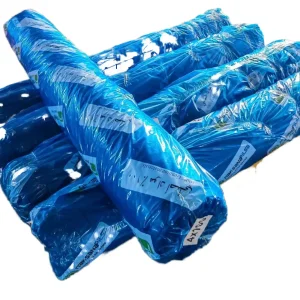
Poly tarpaulins can be compressed using high-pressure hydraulic balers or packed in reinforced corrugated shipping cartons. Baled packaging increases container weight capacity by 15% to 25%, allowing up to 25 metric tons of PE tarps to be loaded into a single 40ft High Cube container, significantly reducing sea freight costs per unit.
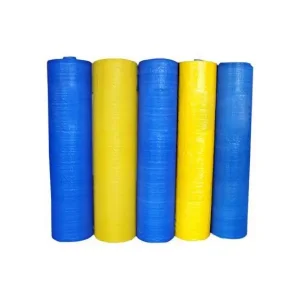
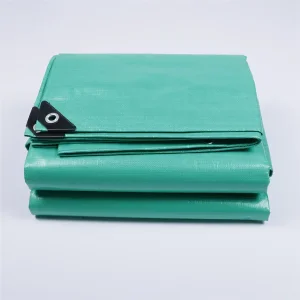
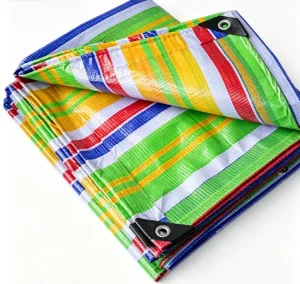
Heavy-duty PVC, roll fabric stocks, and custom protective solution ranges.
Connect with our engineering team to request technical datasheets, material samples, and customized production quotes.