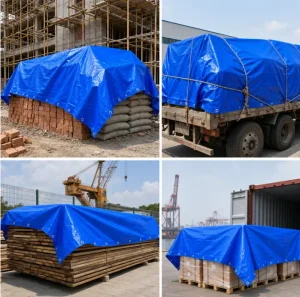
Engineered polymer fabrics, double-faced waterproof tarpaulins, and specialized agricultural ground covers manufactured under ISO-certified quality protocols.
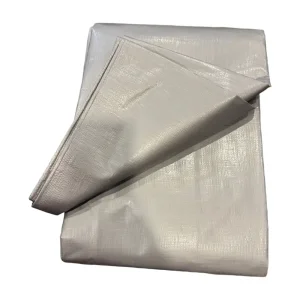
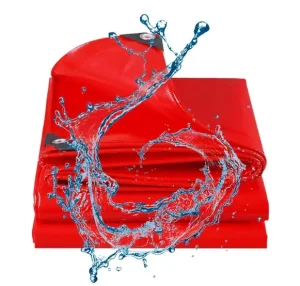
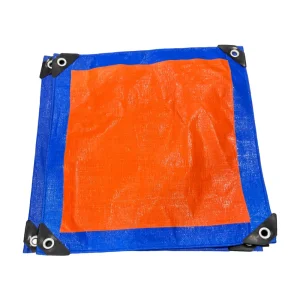
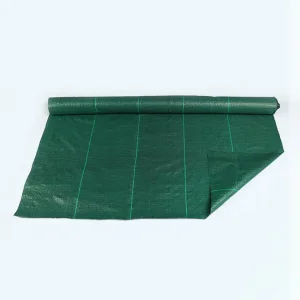
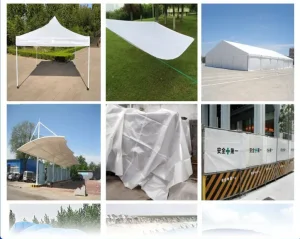
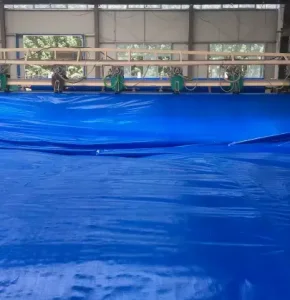
Analysis of changing global demand vectors, climate-induced material performance demands, and the strategic positioning of Chinese manufacturing hubs.
In the modern global industrial paradigm, the demand for high-performance protective textiles, poly-coated tarpaulins, and flexible containment systems has evolved from basic weather-proofing to complex environmental shielding. Industrial buyers across North America, the European Union, the Middle East, and Latin America are confronting unprecedented climate volatility—ranging from intense UV-B radiation in arid zones to sub-zero arctic temperature drops and high-velocity wind loads. Consequently, searching for China durable Manufacturers & Factory has shifted from a mere price-seeking procurement exercise into a high-stakes strategic decision centered on material science, engineering consistency, structural reliability, and total lifecycle cost optimization.
China's industrial polymer processing industry has undergone a radical structural transformation. Driven by heavy capital expenditure in multi-layer co-extrusion machinery, automated water-jet circular looms, and high-precision knife-coating technologies, leading Chinese manufacturing hubs—particularly within Shandong Province—have consolidated their leadership in technical plastic textiles. Factory clusters in regions such as Linyi combine raw petrochemical access, automated weaving infrastructure, advanced R&D laboratories, and direct sea-rail intermodal connectivity to Qingdao Port. This integration provides international distributors, construction conglomerates, agricultural cooperatives, and logistics fleets with unprecedented operational stability and supply continuity.
Formulations specifically engineered to withstand micro-crack propagation caused by extreme temperature oscillations ranging from -40°C thermal shocks to +80°C surface solar heat loading.
Advanced poly-coated barriers resistant to agricultural leaching, acidic fertilizer splash, hydrocarbon splatter, and caustic industrial pollutants in harsh working environments.
100% recyclable high-density polyethylene (HDPE) and polypropylene (PP) base matrices designed to reduce environmental carbon footprints while complying with European REACH and RoHS directives.
A granular comparative technical analysis evaluating molecular orientation, tensile strength mechanics, coating methodologies, and weathering stabilization techniques.
Understanding the fundamental distinction between woven polymer matrices is critical for enterprise procurement officers who must balance service lifetime against freight and handling weight. Industrial tarpaulins manufactured in China generally leverage three primary material platforms: High-Density Polyethylene (HDPE) tapes laminated with Low-Density Polyethylene (LDPE), High-Tenacity Woven Polypropylene (PP), and Knife-Coated or Laminated Polyvinyl Chloride (PVC) on polyester scrims.
Molecular Orientation & Tensional Physics: The fabrication process begins with precision resin extrusion. Virgin HDPE granules are heated, extruded into flat film membranes, slitted into micro-tapes, and subjected to uniaxial mechanical stretching. This drawing process aligns the polymer chains along the longitudinal axis, increasing molecular orientation and drastically raising the specific tensile modulus of the tape. These high-tenacity tapes are then woven on high-speed circular or flat looms in lattice densities ranging from 8x8 picks per inch up to 14x14 picks per inch. The resulting base scrim provides structural resistance against mechanical punctures and high shear wind loads.
| Polymer Category | Standard Weight (GSM) | Tensile Strength (Warp/Weft) | Hydrostatic Head Resistance | UV Degradation Half-Life | Primary Commercial Use |
|---|---|---|---|---|---|
| PE Light-Weight (HDPE/LDPE) | 60 – 110 GSM | 450 N / 400 N per 5cm | > 15 kPa (1.5 meters) | 12 – 18 Months (3% UV) | Promotional packs, light DIY covers, short-term packaging |
| PE Heavy-Duty Multi-Layer | 120 – 300 GSM | 950 N / 850 N per 5cm | > 50 kPa (5.0 meters) | 36 – 60 Months (5% UV) | Scaffolding enclosures, long-term hay covers, boat tarps |
| Woven Polypropylene (PP) | 90 – 220 GSM | 1100 N / 1000 N per 5cm | > 35 kPa (3.5 meters) | 24 – 36 Months (3% UV) | Ground control barriers, heavy grain bags, industrial liners |
| PVC Knife-Coated Scrim | 450 – 900 GSM | 2500 N / 2200 N per 5cm | > 100 kPa (10 meters) | 60 – 120 Months (UV Block) | Truck side curtains, architectural membranes, oil booms |
Unstabilized polyolefins degrade rapidly under solar UV-A and UV-B exposure via photo-oxidative chain scission. Chinese manufacturers incorporate advanced Hindered Amine Light Stabilizers (HALS) combined with Nickel Quenchers and Carbon Black pigments at masterbatch blending ratios of 2.5% to 5.5%. This chemical matrix scavenges free radicals generated during solar absorption, preventing surface chalking, embrittlement, and catastrophic loss of tensile strength in high-insolation environments such as the Middle Eastern Gulf or Australian outback.
To deliver complete hydrostatic water resistance, the woven fabric passes through tandem high-temperature extrusion coaters. A molten layer of LDPE or linear low-density polyethylene (LLDPE), formulated with thermal stabilizers and color pigments, is melted onto both faces of the base fabric under heavy steel nip-roller pressure. This seals micro-interstices between woven tapes, producing a smooth surface that achieves 100% liquid impermeability and enhanced abrasion resistance.
How full end-to-end industrial vertical integration delivers superior cost predictability, quality control, and scale advantages.
The global industrial protective fabric market requires scale, precision, and agility. The modern Chinese enterprise—exemplified by advanced manufacturing platforms in Linyi, Shandong—operates on a paradigm of full vertical integration. Unlike regional converters who purchase third-party woven fabric and subcontract lamination, premier Chinese manufacturers oversee the complete production cycle: from resin granule compounding to automated eyelet punching and final robotic palletizing.
Computerized dosing of virgin polymers, masterbatch pigments, and UV additives into high-output flat-die extruders yielding consistent tape denier tolerance within ± 2%.
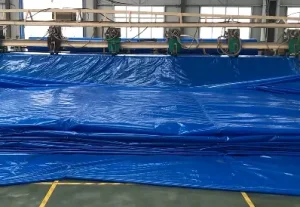
Hundreds of automated circular looms operating simultaneously with digital tension sensing to prevent loose warp threads and structural weave asymmetry.
High-frequency thermal welding units fusing multi-meter panels into massive seamless sheets with reinforced rope-in-hem edges and double-stitched corner patches.
Automated eyelet insertion lines stamping solid brass, aluminum, or heavy plastic grommets at exact millimeter pitch specifications (e.g., 50cm or 100cm pitch).
Supply Chain Ecosystem & Raw Material Stability: China’s localized petrochemical supply chain provides direct access to high-purity polyethylene resins from national energy majors (Sinopec, PetroChina). This domestic raw material security insulates factories from international monomer price spikes and shipping delays, allowing Chinese factories to offer stable forward pricing contracts for 12 to 24 months. Furthermore, proximity to major container ports such as Qingdao and Lianyungang ensures rapid shipping turnarounds, with streamlined container loading optimization minimizing freight costs per square meter.
Strategic decision frameworks for procurement directors: Balancing Total Cost of Ownership (TCO) against performance longevity.
For international procurement executives managing multi-country distribution networks or large-scale EPC infrastructure projects, selecting a production partner involves evaluating total cost of ownership (TCO). A lower unit price becomes counterproductive if high failure rates result in field degradation, damaged freight cargo, or structural collapses during heavy wind events.
Direct factory procurement mandates continuous, documented batch testing. Premier suppliers perform real-time testing for hydrostatic head pressure (ISO 811), strip tensile and elongation testing (ISO 13934-1), tear resistance via trapezoidal method (ISO 13937-2), and accelerated weather aging (ASTM G154). Having factory-issued certificates verified by third-party inspection firms (SGS, Bureau Veritas, TÜV Rheinland) mitigates import risk.
Large-scale hardware retail chains and industrial OEMs require fully customized white-label solutions. Leading Chinese manufacturers accommodate complex specifications including multi-color flexographic printing (up to 4 colors), specialized dual-color lamination (e.g., silver/black for heat reflection, green/brown for landscape aesthetics), retail display packaging with custom barcode inserts, and corner reinforcement design.
From agricultural grain protection to heavy transport curtain-side trailers: Tailoring polymer properties to distinct sector environments.
Scenario: High-speed intermodal freight across highways exposes cargo covers to continuous aerodynamic drag, flutter stress, and abrasive gravel contact.
Solution: Heavyweight triple-coated PE tarpaulins (200-300 GSM) or PVC knife-coated fabrics featuring high-tenacity 1000D polyester scrims. Anti-scratch surface topcoats prevent fabric degradation and maintain water impermeability during high-speed transits.
Scenario: Post-harvest grain drying and open-field hay stack protection demand moisture barriers that prevent fungal mold growth while resisting intense seasonal sunlight.
Solution: Specialized silver/black heat-reflective poly tarpaulins or breathable high-density weed barrier fabrics. Silver outer layers bounce away solar radiation, reducing inner temp by 10-15°C, while non-toxic virgin PE prevents grain contamination.
Scenario: Urban high-rise construction requires wind-permeable safety nets and flame-retardant scaffolding enclosures to protect workers and containment zones.
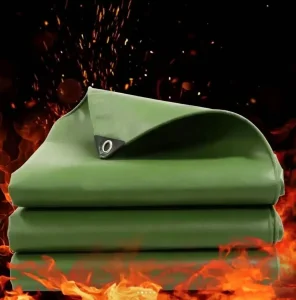
Solution: Flame-retardant PE tarpaulins conforming to DIN 4102 B1 or NFPA 701 standards, integrated with reinforced eyelet webbing to prevent tear-out during heavy squalls.
Detailed technical responses engineered to clarify common procurement queries regarding GSM calculations, chemical resistance, lead times, and customization.
Selecting the correct weight depends on required tensile lifetime and mechanical stress. Light-duty promotional tarps typically range from 60 to 90 GSM (suitable for temporary rain covers or DIY retail). General hardware retail and agricultural applications perform optimally between 100 and 160 GSM, balancing cost with tear resistance. For heavy construction scaffolding, long-term hay covers, and commercial vehicle covers, specifications should range between 180 and 300 GSM for PE/PP, or 450 to 900 GSM for heavy PVC knife-coated fabrics. Our engineering team can run finite-element strain projections based on your target environmental wind speeds and exposure duration.
Standard raw polyethylene breaks down under UV exposure within months. To deliver a multi-year service life in regions experiencing over 200 kilolangleys (kLy) of annual solar radiation, we incorporate Hindered Amine Light Stabilizers (HALS) such as Chimassorb 944 or Tinuvin 770 at a masterbatch dosing rate of 3.0% to 5.0% by weight. Additionally, incorporating titanium dioxide (white) or carbon black pigments creates physical barrier protection against photo-oxidation. Accelerated weathering test reports (ASTM G154 Xenon Arc testing) are supplied with every commercial production run.
PE tarpaulins are produced by laminating LDPE film onto a woven HDPE tape scrim. They are lightweight, highly cost-effective, 100% recyclable (mono-polymer family), and maintain excellent low-temperature flexibility down to -40°C. PVC tarpaulins consist of a liquid PVC compound knife-coated onto a high-tenacity polyester filament scrim. PVC is significantly heavier, possesses superior abrasion resistance, offers higher tear strength, can be easily high-frequency welded, and boasts a service life exceeding 10 years, making it ideal for permanent architectural structures and side-curtain trucks.
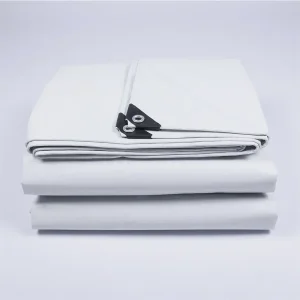
For standard stocked color configurations (such as Blue/Orange, Green/Silver, or Double White) and standard roll widths, our minimum order quantity starts at 3 metric tons per specification (equivalent to a mixed 20ft container load). For fully customized parameters—including non-standard pantone color matches, specialized flame-retardant additives (DIN 4102 B1), or custom-branded retail packaging—the standard MOQ is 5 metric tons per line item. Production lead time generally ranges from 15 to 25 calendar days following artwork confirmation and pre-production sample sign-off.
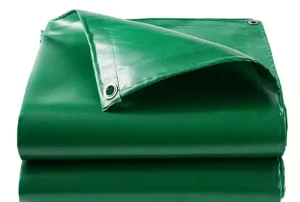
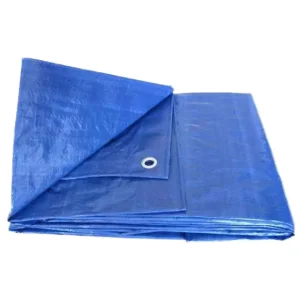
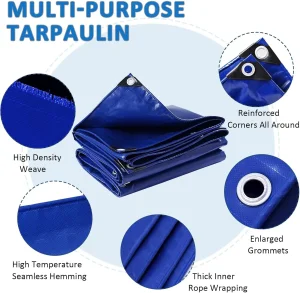
Grommet (eyelet) pull-out is the primary point of field failure during high wind events. To prevent eyelet detachment, our finished sheets feature a high-density PP rope heat-sealed inside a folded double-layer perimeter hem. Corner stress points are further reinforced with molded polycarbonate or heavy-duty rubber triangular patches secured by multiple rivets. Eyelets are stamped using high-pressure pneumatic dies that crimp the metal flange securely around the internal hem rope. Seams are joined using automated hot-air thermal welders that fuse the PE/PVC layers into a continuous, 100% waterproof bond stronger than the surrounding base fabric.
Our manufacturing facilities operate under strict ISO 9001:2015 Quality Management Systems and ISO 14001:2015 Environmental Management Protocols. For European markets, we provide REACH SVHC compliance verification, RoHS heavy metal testing certificates, and PAHs non-toxicity testing for food-contact applications (such as grain-drying tarps). Fire-retardant formulations are independently tested and certified according to DIN 4102-1 B1, NFPA 701, or BS 7837 standards upon request.
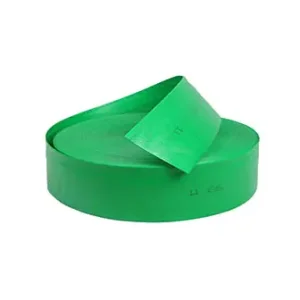
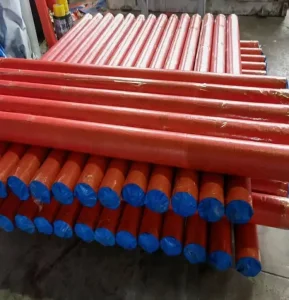
Explore our full line of poly-coated rolls, specialized layflat hoses, UV-resistant lumber covers, and heavy-duty multipurpose industrial protective covers.