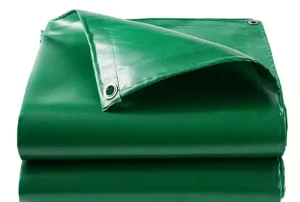
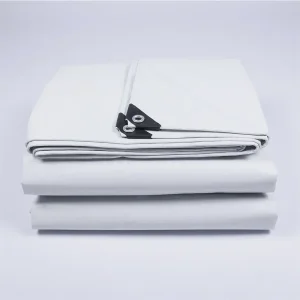
Direct factory-engineered tarp products manufactured with high-density poly-weave matrices, multi-layer extrusion lamination, and extreme climate durability.
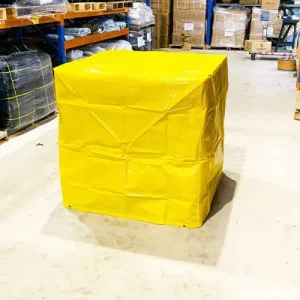
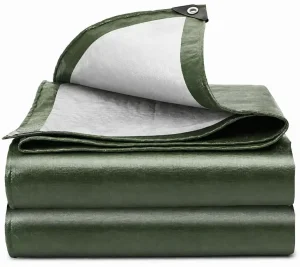
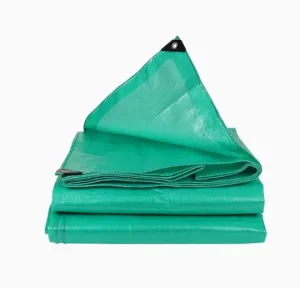
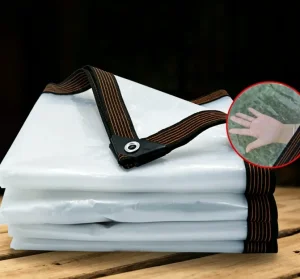
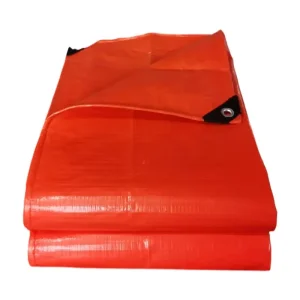
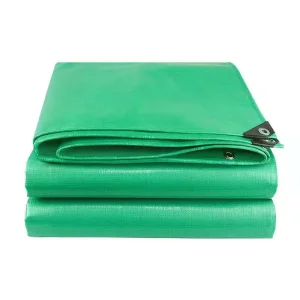
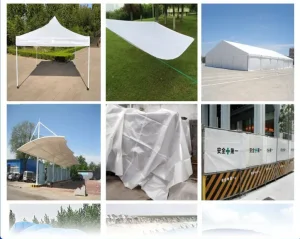
The global demand for Extra Large Tarpaulins (defined as continuous protective covers exceeding 10 meters in width and up to 50+ meters in length without compromising structural integrity) has undergone a fundamental transformation. Driven by expanding global infrastructure projects, rapid expansion in intermodal maritime freight, climate-induced disaster relief logistics, and large-scale agricultural centralization, heavy-duty tarpaulins are no longer viewed as simple commodity covers—they are engineered tensile polymer systems critical to supply chain risk mitigation.
As international transport corridors experience increased extreme weather events—ranging from scorching UV index spikes in Middle Eastern ports to freezing North Atlantic squalls—freight operators rely on multi-layer extruded poly-tarps. Chinese manufacturers produce over 65% of the world's synthetic woven polymer sheeting, leveraging integrated petrochemical value chains to supply consistent, high-denier tarps at unmatched scale.
Industrial B2B procurement officers are abandoning intermediary trade houses in favor of OEM/ODM Chinese manufacturing facilities capable of delivering customized Tensile Strength (Warp/Weft), specialized Hydrostatic Head ratings, Hindered Amine Light Stabilizer (HALS) anti-aging additives, and precise geometric roll/sheet configurations directly to job sites.
Selecting the optimal polymer substrate requires balancing tear resistance, weight-to-area ratios, chemical inertness, and lifetime thermal degradation resistance.
| Polymer Type | GSM Range (g/m²) | Tensile Strength (N/5cm) | UV Lifespan (Direct Sun) | Primary Industrial Use Case |
|---|---|---|---|---|
| Virgin HDPE + LDPE Coating | 60 – 300 GSM | 850 / 920 | 2 – 5 Years (with 3-5% HALS) | Agriculture, Scaffolding, Temporary Warehousing, Pallet Covers |
| Woven Polypropylene (PP) | 90 – 250 GSM | 1100 / 1250 | 1 – 3 Years | High-Tear Heavy Machinery Enclosure, Heavy Cargo Transit |
| PVC Coated Polyester (Knife-Coated) | 450 – 900 GSM | 2200 / 2600 | 5 – 10+ Years | Truck Side Curtains, Architectural Tents, Industrial Containment |
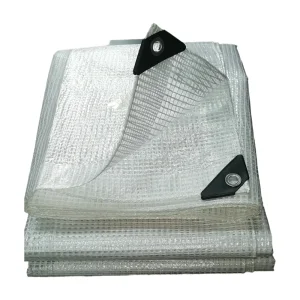
| Clear PE Grid / Mesh Tarp | 120 – 220 GSM | 750 / 800 | 2 – 4 Years | Greenhouse Enclosures, Solar Micro-Climate Shields |
Woven from high-denier HDPE tapes (800D to 1500D) on circular or flat water-jet/air-jet looms. Provides unmatched tensile strength per gram of resin, ensuring large tarps remain manageable during site deployment.
Both upper and lower surfaces are molten-extruded with virgin LDPE compound, sealing the weave gap completely to deliver 100% water impermeability (Hydrostatic pressure > 80 kPa).
Integration of UV Stabilizer 770 / Chimassorb 944 prevents polymer photo-oxidation, yellowing, and brittleness caused by long-term high solar radiation exposure in equatorial zones.
Sourcing extra large tarps across international borders requires adherence to rigorous environmental and structural compliance frameworks. Leading Chinese manufacturing clusters (such as Shandong Linyi poly-packaging complexes) maintain strict manufacturing certifications to simplify import clearing for overseas enterprises.
From North American lumber protection to Australian desert mining containment, specialized tarp configurations address specific environmental threats.
Used heavily as full building wrapping, scaffolding enclosures, and winter concrete curing blankets. Heavy-duty 180-250 GSM flame-retardant white tarps allow natural light penetration while maintaining internal thermal climate control.
Deployed as massive ground liners, solar farm dust covers, and sulfur stockpile tarps. High HALS UV dosages (4-5%) ensure the polymer survives extreme UV radiation index values exceeding 12 without catastrophic degradation.
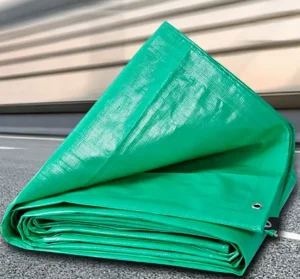
Custom 15m x 30m extra large grain stacks, coffee bean drying covers, and sugarcane transportation covers. Designed with dual green/silver coatings to reflect solar radiation and lower internal crop temperatures.
How Chinese technical textile factories are redefining protective tarp engineering through material science, sustainability, and automated manufacturing.
Transitioning from traditional fossil-fuel polyethylene to bio-derived resins and ensuring 100% monomaterial construction (where hem ropes, grommet patches, and surface films are all PE-based), enabling single-stream recycling without material separation.
Development of next-generation 6-meter wide continuous extrusion coating lines. This minimizes welded heat seams by over 40% on extra large tarpaulins, significantly reducing seam strain failures under heavy wind loads.
Integrating micro-encapsulated hydrophobic coatings that shed mud and industrial dust automatically, alongside self-healing polyurethane inner layers that plug micro-punctures caused by sharp installation debris.
Expert answers addressing structural engineering, custom manufacturing parameters, container logistics, and environmental endurance.
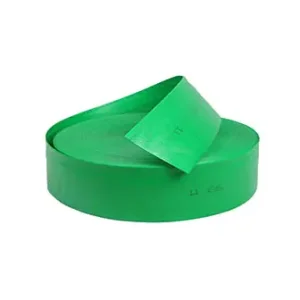
Explore specialized mesh tarps, layflat agricultural hoses, heavy lumber wraps, and custom color poly sheeting directly from China's premier factory outlet.