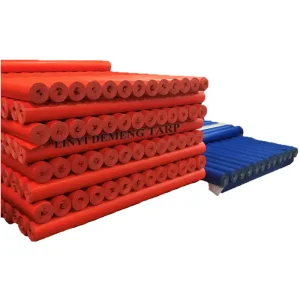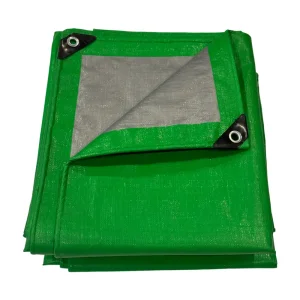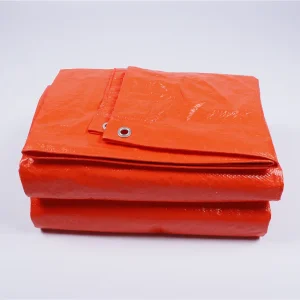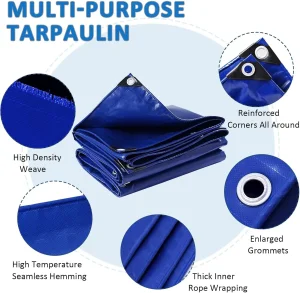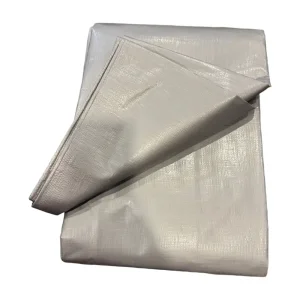
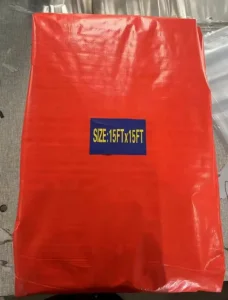
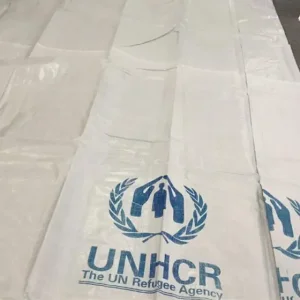
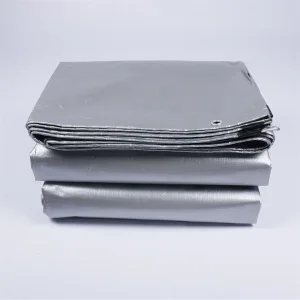
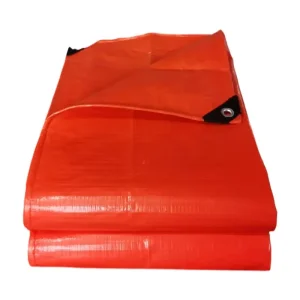
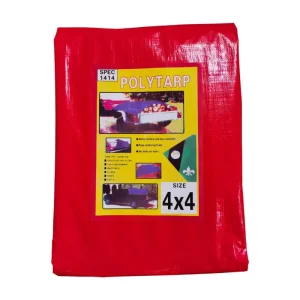
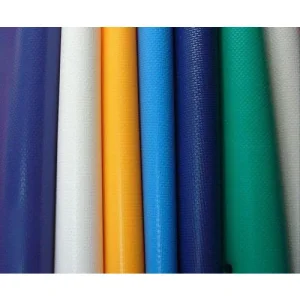
The global demand for high-durability polymer-coated textiles has undergone a profound transformation. Modern industrial operations no longer view tarpaulins merely as temporary covers, but as engineered containment systems critical to asset protection, site safety, and operational continuity. As a leading primary manufacturer based in Linyi, Shandong—the recognized global capital for woven poly-fabric extrusion—our enterprise combines vertical integration, advanced resin chemistry, and massive economy of scale to serve international procurement networks.
Heavy-duty commercial tarps encompass a spectrum of synthetic polymer constructs, primarily High-Density Polyethylene (HDPE) substrates double-side laminated with Low-Density Polyethylene (LDPE), and High-Tenacity Polyester (PET) scrims encapsulated in plasticized Polyvinyl Chloride (PVC). Selecting the optimal material matrix requires aligning operational exposure with structural parameters including warp/weft tensile thresholds, tear propagation resistance, hydrostatic head capacity, and photo-oxidative (UV) degradation stabilization.
| Performance Parameter | Heavy-Duty PE Tarpaulin | High-Tenacity PP Tarpaulin | Architectural PVC Knife-Coated |
|---|---|---|---|
| Weight Range (GSM) | 60 g/m² – 300 g/m² | 90 g/m² – 260 g/m² | 450 g/m² – 900 g/m² |
| Base Fabric Composition | HDPE Woven Scrim (8x8 to 14x14) | PP Woven Flat Yarn | 1000D×1000D Polyester Scrim |
| Coating & Processing | Double-side LDPE Extrusion | Double-side PP/PE Blend Film | Liquid PVC Knife Coating / Paste Lamination |
| Tensile Strength (Warp/Weft) | 1100 N / 950 N / 5cm | 1300 N / 1100 N / 5cm | 2800 N / 2500 N / 5cm |
| Hydrostatic Head Rating | > 2,500 mm H₂O | > 2,000 mm H₂O | > 10,000 mm H₂O (Impermeable) |
| Thermal Stability Range | -30°C to +70°C | -20°C to +80°C | -40°C to +85°C |
| UV Degradation Resistance | 3%–5% HALS Additive (3–5 Years) | Standard UV Stabilized (1–2 Years) | PVDF / Acrylic Topcoat (5–10 Years) |
| Flame Retardancy Option | CPAI-84 Class 1 | Not Standard | DIN 4102 B1 / NFPA 701 Compliant |
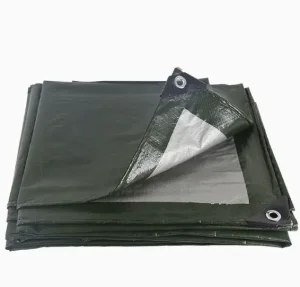
Heavy-duty truck side curtains, container top liners, and flatbed tarpaulins designed to endure multi-modal transport. Constructed with reinforced webbing, corner patch pads, and stainless steel grommets to withstand aerodynamic drag and severe road friction.
Insulated thermal curing blankets and high-density poly sheets optimized for cold-weather concrete pours. Prevents moisture evaporation, maintains hydration temperatures, and acts as temporary weatherproofing for open scaffolding structures.
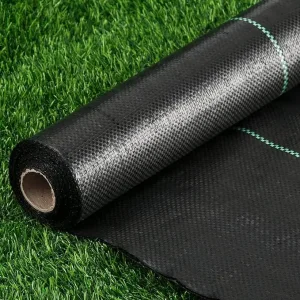
Wide-width continuous agricultural tarps engineered for bulk grain storage, hay bale caps, silage pits, and woven geotextile weed control. Features 100% virgin resin formulations that prohibit chemical leaching into organic yields.
Focused on high-dosage Hindered Amine Light Stabilizers (HALS) to prevent polymer chain scission under extreme UV irradiation (UV index 11+). Formulated to sustain ambient surface temperatures exceeding 80°C without plasticizer migration or embrittlement.
Incorporates cold-crack additives ensuring fabric flexibility remains intact down to -40°C. Engineered with double-silver reflective thermal barriers to minimize ice accumulation and withstand intense snow loads on temporary roof shelters.
Formulated with broad-spectrum biocide and anti-fungal masterbatches to resist continuous humidity, mildew spore colonization, and salt-spray corrosion on maritime cargo covers and aquaculture pond liners.
Verified under DIN EN 20811 standards to ensure zero liquid penetration across heat-sealed seams and flat fabric surfaces under severe water head pressure.
Tested via ASTM D751 grab method. Both warp and weft yarns are measured to ensure high load capacity during high-wind deployments and mechanical tensioning.
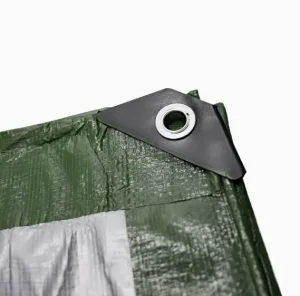
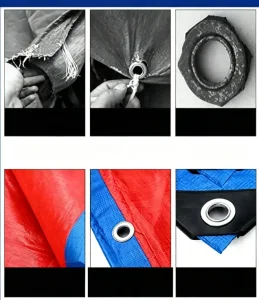
Heavy-duty aluminum, brass, or molded plastic eyelets are stress-tested with reinforced hem ropes to guarantee minimum pull-out resistance of 800N.
Fully compliant with EU REACH regulation (EC) No 1907/2006, RoHS, and California Proposition 65, certifying freedom from heavy metals and harmful plasticizers.
Transitioning standard multi-layer tarpaulins toward mono-material Polyethylene design where base scrim, coating, and hem cord belong to the identical polyolefin family, eliminating mechanical separation steps prior to post-industrial recycling.
Embedding flexible micro-RFID tags and passive humidity/temperature sensors into industrial tarpaulin hems, enabling automated cargo status tracking and breach detection for international maritime shipping containers.
Integrating nanostructured ceramic beads within outer reflective lamination layers to achieve solar reflectance indexes (SRI) over 90%, significantly lowering interior temperatures of covered agricultural stockpiles and temporary housing units.