Precision-engineered heavy duty woven polyethylene sheeting and finished covers ready for global distribution.
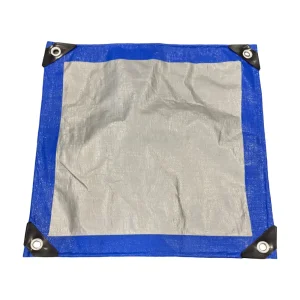
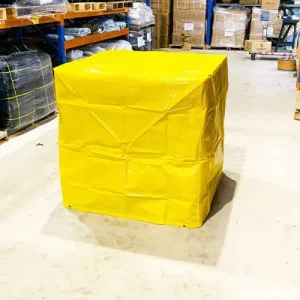
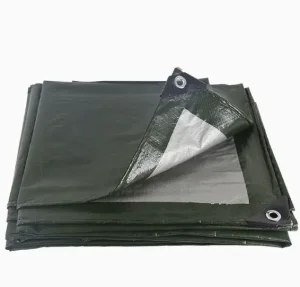
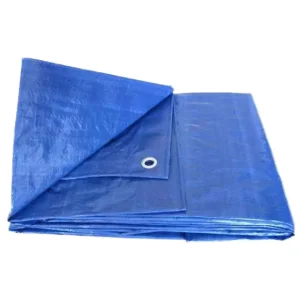
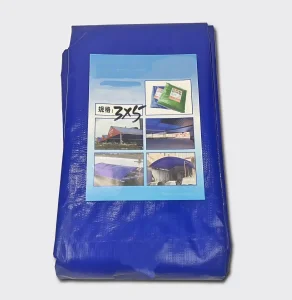
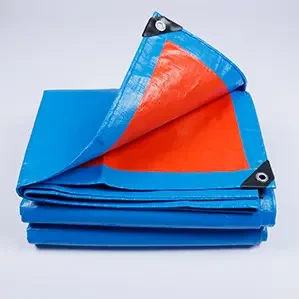
The international market for poly tarpaulins (polyethylene woven protective fabrics) has shifted from simple temporary rain covers toward high-tenacity, chemically stabilized, multi-layer engineered composite membranes. As a primary global manufacturing hub, Linyi Xinshengyang Plastic Products Co., Ltd. (Star Tarpaulins) operates at the epicentre of this evolution, controlling end-to-end extrusion, weaving, double-sided low-density polyethylene (LDPE) coating, and automated conversion.
Driven by rapid urbanization, climate volatility, expanding logistics networks, and modern agricultural protection needs, global demand for heavy duty poly tarpaulins is expanding at an estimated CAGR of 5.8%. Regions such as North America, the Middle East, Sub-Saharan Africa, and Australia demand climate-engineered specifications—ranging from extreme UV blockades to low-temperature crack resistance.
Linyi City in Shandong Province represents the largest poly tarpaulin manufacturing cluster globally. Integrated access to virgin resin refining centers, high-speed loom machinery manufacturing, and streamlined logistics ports (Qingdao/Lianyungang) enables factories like Star Tarpaulins to maintain strict cost-efficiency without compromising technical polymer performance.
A persistent challenge in international procurement is the dilution of technical standards by non-specialized trading intermediaries. Star Tarpaulins bridges this gap by offering verifiable weight-to-tear ratio metrics, batch-tracked HALS UV dosage levels, and certified hydrostatic head waterproof ratings direct from the primary production plant.
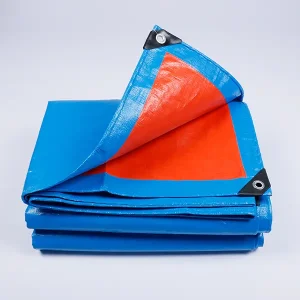
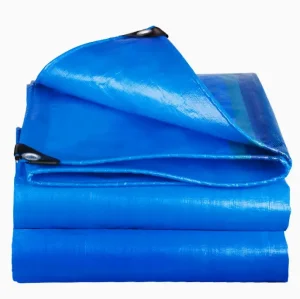
Heavy duty poly tarpaulins derive their structural integrity from high-density polyethylene (HDPE) tape woven inner cores, hermetically sealed on both faces by molten low-density polyethylene (LDPE) protective films.
| Performance Parameter | Light Duty Commercial | Medium Heavy Duty | Extra Heavy Duty Industrial | Testing Standard Reference |
|---|---|---|---|---|
| Grammage Range (GSM) | 60 g/m² – 90 g/m² | 100 g/m² – 160 g/m² | 180 g/m² – 300+ g/m² | ISO 3801 / ASTM D3776 |
| Woven Mesh Count | 8×8 / 9×9 threads/inch | 10×10 / 12×12 threads/inch | 14×14 / 16×16 threads/inch | ASTM D3775 Density Check |
| Yarn Denier Strength | 500D – 600D HDPE Tape | 700D – 900D HDPE Tape | 1000D – 1500D Tensile Tape | ISO 2060 Yarn Denier Standard |
| Tensile Strength (Warp/Weft) | 450 N / 400 N per 5cm | 750 N / 700 N per 5cm | 1200 N / 1100+ N per 5cm | ISO 13934-1 Strip Method |
| Hydrostatic Pressure | 80 kPa (100% Waterproof) | 150 kPa Waterproof Seal | > 250 kPa Impermeable Barrier | ISO 811 Hydrostatic Head Test |
| UV Degradation Life | 6 – 12 Months Exposure | 18 – 24 Months Exposure | 36 – 60 Months (5-Year Grade) | ASTM G154 Accelerated Weathering |
Polyethylene tarpaulins perform vital functions across diverse macro-economic sectors. Specifying the proper GSM, weave configuration, edge hem reinforcement, and eyelet metal geometry prevents costly structural failures during field deployment.
Flatbed truck tarps, side curtains, and container liner sheets endure violent aerodynamic buffeting and continuous road friction. Our 200–270 GSM high-density formulations utilize double-stitched or hot-wedge welded seams reinforced with polypropylene ropes inside hems, preventing wind-tear propagation across transcontinental trade corridors.
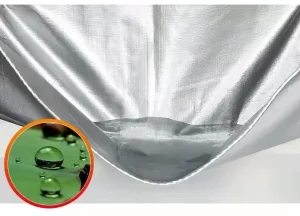
Silage pit covers, crop drying sheets, and hay stack tarps demand high thermal reflection and moisture resistance. Dual-color formulations (e.g., Silver/Black or Silver/Green) reflect solar radiation, keeping under-tarp grain micro-climates up to 10–15°C cooler and suppressing fungal rot and moisture condensation.
Building envelopes, scaffolding weather guards, and concrete curing blankets require mechanical toughness and tear resistance. Flame-retardant (FR) additivities conforming to CPAI-84 or DIN 4102 B1 standards can be incorporated into our lamination layers to comply with urban building codes.
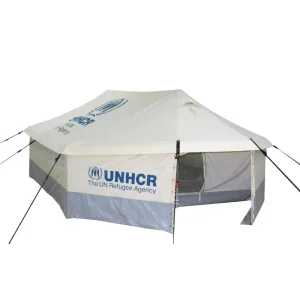
For international humanitarian organizations (UNHCR, UNICEF, Red Cross), Star Tarpaulins manufactures humanitarian-grade tarpaulin sheets engineered with precise tensile strengths, reinforced corner patches, and high UV stability for long-term displaced person camp shelters.
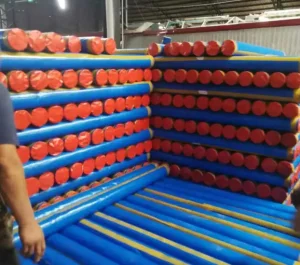
Full vertical integration eliminates intermediary quality variance. From virgin resin polymer blending to final bale press packaging, our 8-step quality management matrix ensures every square meter meets export requirements.
1. Polyolefin Extrusion: High-purity virgin HDPE pellets are mixed with UV Hindered Amine Light Stabilizers (HALS) and color masterbatches, then extruded into high-tensile micro-tapes.
2. Water-Cooling & Drawing: Tapes undergo precise thermal stretching to align polymer chains, optimizing tensile force per denier.
3. High-Speed Weaving: Circular and flat water-jet looms weave structural mesh fabrics ranging from lightweight 8×8 to ultra-dense 16×16 counts.
4. Dual LDPE Extrusion Lamination: Both faces of the moving woven scrim receive mirror-finish or matte LDPE molten resin coatings, achieving 100% water impermeability.
5. Automated Heat Sealing: Multi-meter fabric widths are joined via high-temperature hot-wedge welding, creating seams stronger than the parent fabric.
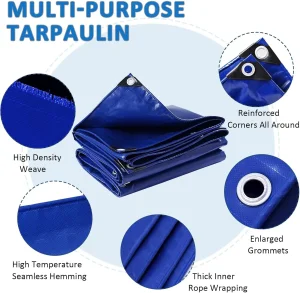
6. Edge Hemming & Rope Insertion: High-tensile PP perimeter ropes are encapsulated within double-folded heat-sealed borders.
7. Corner Reinforcements & Eyelets: Molded plastic triangular corner patches are riveted, and anti-rust aluminum or brass eyelets are installed at 50cm or 100cm intervals.
8. Hydrostatic & Tensile Verification: Random batch cutouts undergo Elmendorf tear testing, hydrostatic column testing, and QUV accelerated weathering tests prior to container loading.
The heavy duty poly tarpaulin industry is undergoing rapid technical evolution driven by circular economy mandates, carbon neutrality commitments, and smart polymer engineering.
Traditional multi-material coated fabrics (e.g., PVC on polyester scrim) present end-of-life recycling challenges. Polyethylene tarpaulins built from 100% polyolefin components (HDPE core + LDPE lamination + PE eyelet patches) represent a unified monomaterial waste stream. Star Tarpaulins is pioneering Post-Consumer Recycled (PCR) polyolefin blends that preserve 90%+ original tensile metrics while cutting virgin plastic usage.
Next-generation polymer research focuses on integrating inorganic nano-titanium dioxide (TiO2) and nano-zinc oxide (ZnO) UV blockers alongside conventional HALS compounds. This hybrid additive package creates a physical and chemical radiation shield that triples outdoor operational lifespans in extreme desert environments like Northern Africa and Western Australia.
Integration of infrared-reflective pigments within top LDPE lamination layers minimizes heat absorption by up to 85%. This allows temporary structures, grain stores, and mobile equipment covers to significantly lower interior temperatures without requiring active cooling power.
Specialized PVC knife-coated fabrics, heavy weight truck tarps, and high-reflection cooling sheets direct from our plant.
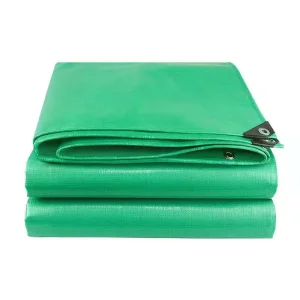
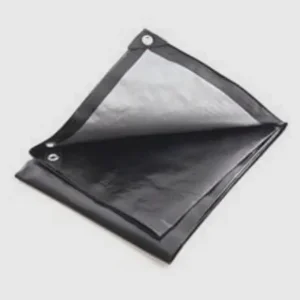
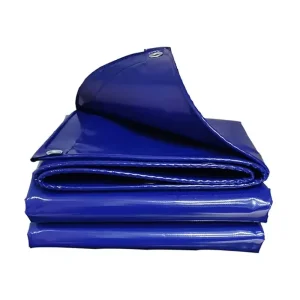
Engineering answers derived from two decades of direct factory production and international procurement contracts.
Selecting tarpaulin weight depends on exposure longevity, wind loading, and price positioning:
• 60 GSM to 90 GSM: Designed for short-term temporary ground sheets, economic retail promotions, and lightweight drop-cloth protection.
• 100 GSM to 160 GSM: Industry standard for retail hardware store channels, DIY home protection, garden covers, and light construction scaffolding.
• 180 GSM to 300+ GSM: Heavy-duty industrial grade for agricultural haystacks, commercial roof repairs, long-term cargo covers, and heavy transport side curtains.
• 500 GSM to 900 GSM (PVC Coated): Required for permanent structural architectural tents, heavy trailer curtains, and extreme abrasion applications.
PE Tarpaulins are woven from HDPE tapes and laminated with LDPE film on both sides. They offer lightweight strength, outstanding cost-to-coverage ratios, 100% recyclability, and flexible performance down to -40°C.
PVC Tarpaulins utilize a high-tenacity polyester woven base fabric coated with liquid PVC compound using knife-coating machinery. PVC tarps provide longer operational lifespans (5–10 years), superior scratch resistance, and easy solvent or high-frequency welding, but are heavier and carry higher material costs per square meter.
Polyolefins naturally degrade under ultraviolet radiation via photo-oxidation. We counteract this by extruding our HDPE yarns and LDPE lamination layers with targeted ratios (typically 3% to 5% by weight) of Hindered Amine Light Stabilizers (HALS) and optical carbon black/titanium dioxide masterbatches. This formulation inhibits polymer chain scission, enabling our heavy duty tarpaulins to maintain structural tensile strength over multi-year field deployments in regions like the Middle East, Australia, and Arizona.
• Standard Master Container Orders: MOQ begins at 1×20ft container mix (approx. 10 to 12 metric tons), allowing distributors to combine various sheet sizes, colors, and GSM weights.
• Custom OEM Specifications: 3 metric tons per specific GSM color run.
• Production Lead Time: Typically 15 to 25 calendar days following artwork confirmation and pre-production deposit. Rapid re-order schedules for running blue/silver specifications can be completed within 10 to 14 days.
Yes. As a primary manufacturer, we provide complete OEM/ODM customization:
• Finished Sizes: Custom cutting from micro 2m×3m sheets up to large 20m×30m construction blankets.
• Reinforcements: Welded edge hems enclosing high-tensile inner PP cords, molded plastic corner patches, and anti-rust eyelets (aluminum, brass, or stainless steel) spaced from 30cm to 100cm pitch.
• Packaging: Custom printed retail inserts, barcode stickers, individual polybags, and heavy-duty bale or corrugated outer box packing.
We maintain an internal quality assurance lab inspecting yarn denier, mesh density, coating mass, tensile/tear force, and hydrostatic water resistance per production roll. We fully welcome independent third-party inspection agencies (such as SGS, Bureau Veritas, or TÜV) to perform raw material verification, inline process audits, and container loading supervision prior to vessel departure.
Bypass intermediary trade margins and engineer your protective covers directly with our technical team in Linyi City, Shandong Province. Contact us today for specification sheets, FOB/CIF container quotes, and free pre-production sample swatches.