Direct from Linyi's Leading Extrusion & Lamination Facilities (Products 1 – 8)
An in-depth analysis of material science, structural engineering, and bulk procurement dynamics for global enterprise buyers.
In the contemporary global trade ecosystem, procuring industrial-grade protective coverings—specifically high-density polyethylene (HDPE), polypropylene (PP), and polyvinyl chloride (PVC) heavy-duty roof tarpaulins—demands a sophisticated understanding of polymer science, manufacturing throughput, and climatic stress variables. As global weather patterns become increasingly erratic, commercial roofers, disaster mitigation agencies, logistics conglomerates, and agricultural operations require protective membranes that offer guaranteed hydrostatic resistance, superior tensile strength, and long-term ultra-violet (UV) degradation immunity.
China’s emergence as the primary global hub for heavy-duty tarp production is not merely a function of labor scaling, but rather the result of deep vertical integration within polymer supply chains. Centered in manufacturing clusters such as Linyi City, Shandong Province, advanced manufacturing infrastructure combines virgin resin synthesis, high-speed tape extrusion, precision water-jet circular weaving, dual-side LDPE extrusion lamination, and automated ultrasonic hem-sealing. For B2B procurement managers and commercial importers searching for a reliable China Heavy Duty Roof Tarps Supplier, navigating technical parameters such as GSM (grams per square meter), denier count, weave mesh density, and UV masterbatch ratio is critical to securing total cost of ownership (TCO) optimization.
Understanding structural differences to optimize material specification for structural roofing and industrial containment.
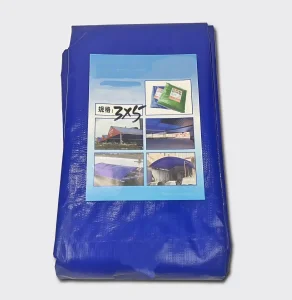
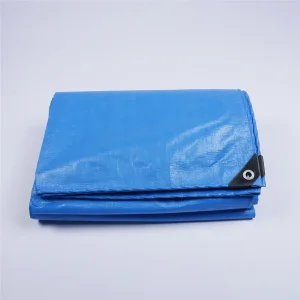
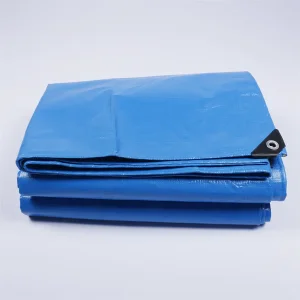
Constructed with a woven HDPE tape core sand-wiched between dual layers of Low-Density Polyethylene (LDPE) film. PE tarps offer an exceptional balance of light weight, flexibility at sub-zero temperatures (-40°C), cost efficiency, and 100% recyclability. Ideal for temporary emergency roof tarping, construction scaffolding enclosures, and general cargo protection.
Utilizing high-tensile PP flat yarn, PP woven tarps provide higher mechanical stiffness, elevated tensile strength, and superior thermal resistance compared to standard PE fabrics. Widely engineered for agricultural crop containment, heavy-load ground sheeting, and industrial waste liners where puncture resistance is paramount.
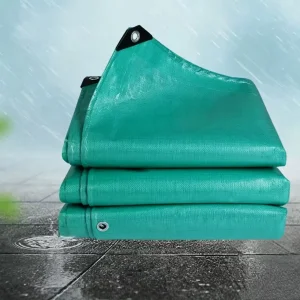
Formed by liquid knife-coating or calendering PVC resin onto high-tenacity polyester matrix fabric (1000D+). Delivers an operational service life of 5 to 10+ years. Featuring unmatched flame retardancy (B1/NFPA 701), chemical resistance, and solvent-weldable seams, making them the ultimate standard for permanent architectural shelters and heavy transport curtains.
| Property Metric | Standard Poly Tarp (PE) | Heavy-Duty Roof Tarp (PE) | Architectural PVC Tarp |
|---|---|---|---|
| Gram Weight Range | 60 GSM – 110 GSM | 140 GSM – 300 GSM | 450 GSM – 900 GSM |
| Base Fabric Denier | 500D – 800D HDPE | 1000D – 1500D HDPE | 1000D×1000D High-Tenacity PES |
| Weave Mesh Density | 8×8 to 10×10 mesh/sq.inch | 12×12 to 14×14 mesh/sq.inch | Knife Coated / Solid Core |
| Tensile Strength (ASTM D751) | ~450 N / 5cm | ~1200 N – 1800 N / 5cm | ~2500 N – 3500 N / 5cm |
| Hydrostatic Resistance | 8,000 mm H₂O | > 30,000 mm H₂O | > 100,000 mm H₂O (Impermeable) |
| UV Stabilizer Dosage | 1% - 2% UV Masterbatch | 3% - 5% Hindered Amine (HALS) | Integrated Anti-UV Formulation |
| Expected Outdoor Life | 3 to 6 Months | 12 to 36 Months | 60 to 120+ Months |
Structural efficiencies, automated scale, and total quality assurance protocols.
Chinese manufacturers maintain direct pipeline and volume contracts with domestic petrochemical giants (Sinopec, CNPC). This ensures raw HDPE and LDPE virgin resin pellets are procured at bottom-cycle pricing, mitigating price volatility for global contracts.
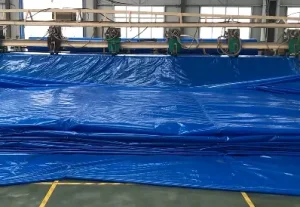
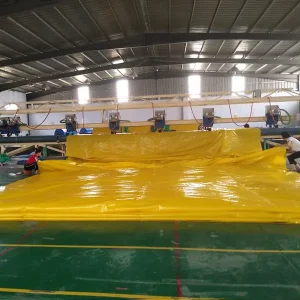
Utilizing 6-meter ultra-wide automatic double-side lamination units and automated hot-wedge welding lines. Welded seams achieve 98% of parent fabric strength, eliminating fluid ingress points commonly found in traditional stitched covers.
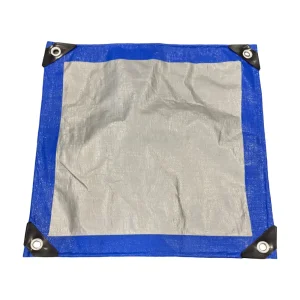
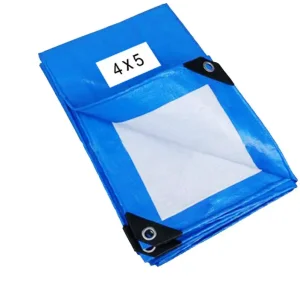
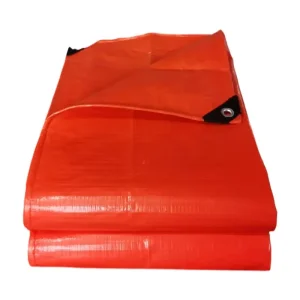
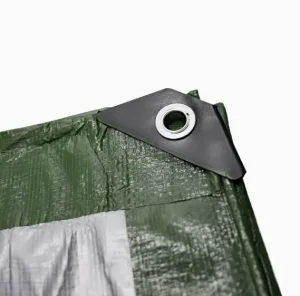
Heavy-duty roof tarps feature poly-rope reinforced hems, sonic-welded triangular corner patches, and heavy-duty polycarbonate or solid brass grommets spaced every 18 inches (45cm) to prevent tearing during high-wind uplift events.
From custom 16-mil yellow/black caution tarps to silver sun-reflective emergency roofing sheets, factory lines accommodate cut-to-size specifications, private-label retail packaging, barcodes, and multi-SKU container consolidations.
Purpose-built protective barrier applications across critical commercial sectors.
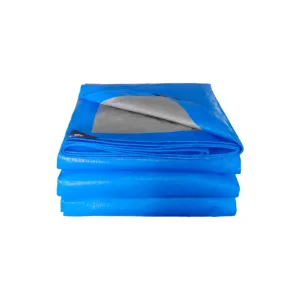
Following hurricane, tornado, or hail damage, municipal agencies and restoration contractors deploy extra-heavy-duty blue or silver PE tarpaulins (160–250 GSM) as temporary roof seals. Engineered with 4-mil thickness minimum and reinforced web straps, these tarps prevent secondary water damage to timber structures while awaiting permanent roofing repairs.
High-rise construction sites require flame-retardant scaffold sheeting and concrete curing covers. Translucent white or blue/white striped poly tarps permit natural daylight penetration while blocking wind rain, ensuring worker safety and maintaining optimal hydration conditions for fresh concrete slabs.
Large-scale commercial hay producers utilize heavy-duty 16-mil yellow/black hay tarps equipped with continuous webbing handles and heavy anchor points. UV-inhibited poly shields forage crops against mold proliferation, internal combustion risk, and nutritional loss caused by solar bleaching.
Flatbed trucks, rail wagons, and shipping port yard stockpiles utilize heavy-duty coated tarp sheets and PVC roll covers. Engineered for high wind resistance, thermal stability, and tear propagation resistance during long-distance highway transport.
A step-by-step technical standard for international buyers and procurement directors.
When submitting Request for Quotations (RFQs) to a China Heavy Duty Roof Tarps Supplier, standardizing specification parameters is essential to avoid substandard material substitutions (such as recycled calcium carbonate filler additions in resin extrusion). Professional procurement frameworks must specify:
Direct Factory Order Options for Global Distributors and OEM Partners (Products 9 – 16)
Expert insights on product specification, quality control, shipping logistics, and material performance.