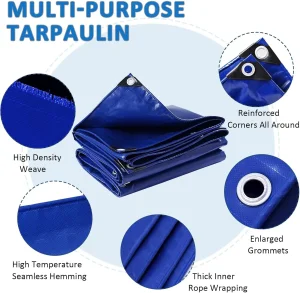
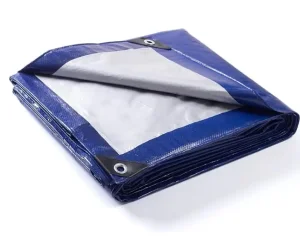
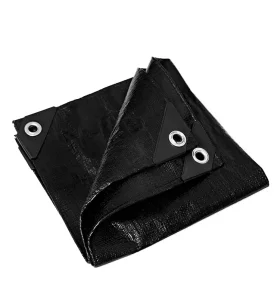
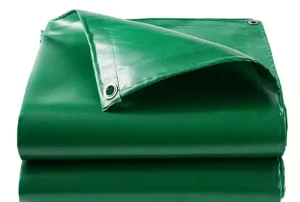
Direct OEM & Direct Manufacturing Supply from Linyi Polymer Industrial Zone
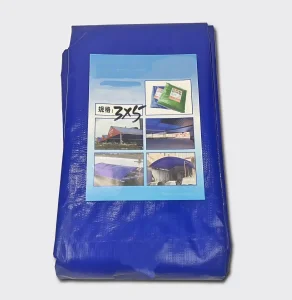
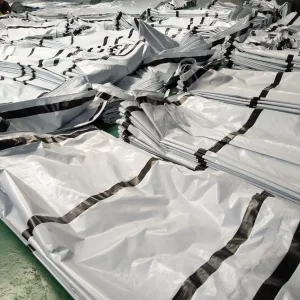
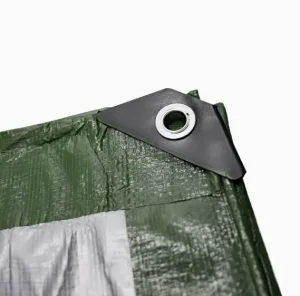
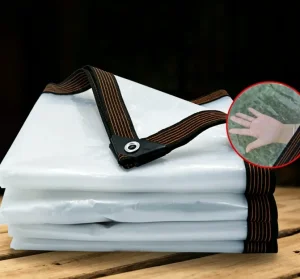
In global procurement, the term "High Cost Performance" (HCP) has evolved far beyond simple low price points. In the contemporary B2B supply chain landscape, high cost performance represents an optimized matrix of unit cost, long-term operational durability, material compliance, and supply chain reliability. Chinese manufacturers—particularly specialized industrial polymer hubs in Shandong, such as Linyi Xinshengyang Plastic Products Co., Ltd. (Star Tarpaulins)—have re-engineered traditional OEM operations into vertically integrated production powerhouses.
Historically, global buyers faced a trade-off: procure low-cost, variable-quality woven protective fabrics from emerging regional markets, or purchase high-cost, over-engineered synthetic covers from Western processors. The modern Chinese industrial model resolves this friction through structural innovations:
Direct ownership of tape extrusion, high-speed circular weaving, double-sided LDPE lamination, and automated grommet insertion reduces operational overhead by up to 22% compared to outsourced conversion facilities.
Proximity to PetroChina and Sinopec petrochemical refining clusters guarantees consistent grade resin access (HDPE, LDPE, LLDPE, PP, PVC) with zero regional freight inflation on raw polymers.
Masterbatch formulation precision incorporating Hindered Amine Light Stabilizers (HALS) and carbon black matrixing ensures long field longevity in high-ultraviolet operational zones (Middle East, Africa, Australia).
Selecting the optimal technical substrate for severe climate exposure, structural tensioning, and chemical resistance.
To maximize total return on procurement expenditure, enterprise purchasing officers must align technical specifications with exposure metrics. The structural performance of industrial tarpaulins depends on raw yarn draw ratios, warp/weft thread counts (e.g., 8×8, 10×10, 14×14 mesh), film thickness tolerances, and thermal sealing technology.
| Polymer Metric | PE Coated Tarpaulin (HDPE/LDPE) | PP Woven Fabric (Polypropylene) | PVC Coated High-Tenacity (Polyester) |
|---|---|---|---|
| Weight (GSM Range) | 60 GSM – 300 GSM | 70 GSM – 220 GSM | 400 GSM – 900 GSM |
| Tensile Strength (ASTM D751) | Moderate to High (500–1400 N/5cm) | High Tensile Rigidity | Extreme Duty (2000–4000 N/5cm) |
| Temperature Range | -40°C to +80°C (Superior Cold Crack) | -10°C to +90°C | -30°C to +70°C (Flame Retardant Options) |
| UV Lifetime Index | 1–5 Years (Custom HALS Dosed) | 1–2 Years (Standard Outdoor) | 5–10 Years (Industrial Grade) |
| Primary Application | Multi-purpose cover, agriculture, scaffolding | Sacks, ground covers, weed barriers | Truck side-curtains, architectural tents |
The core structural integrity of polyethylene (PE) tarpaulin lies in the three-layer or five-layer co-extrusion structure. High-Density Polyethylene (HDPE) provides the inner woven core responsible for tensile break resistance, while Low-Density Polyethylene (LDPE) blended with Linear Low-Density Polyethylene (LLDPE) forms the outer waterproof barriers. This prevents moisture transmission even under severe hydrostatic pressure.
Precision-manufactured tarpaulins tailored for diverse climate conditions and heavy industrial uses.
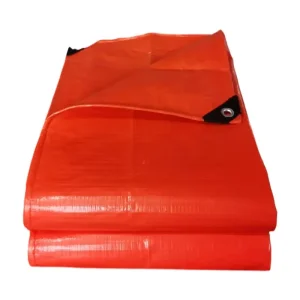
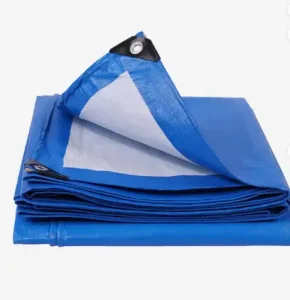
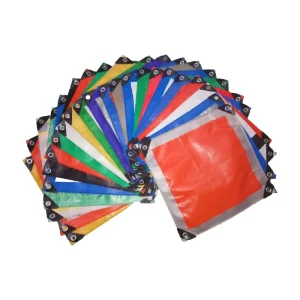
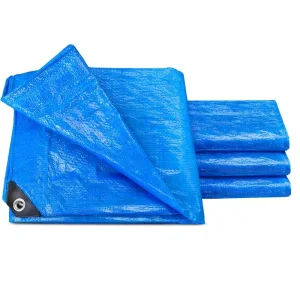
Heavy-duty multi-color PE tarpaulins and PVC side-curtains engineered with reinforced welded hems, stress-resistant D-rings, and brass eyelets every 50cm to withstand highway wind shear.
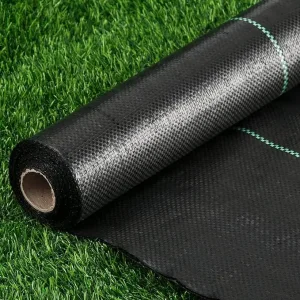
Black-stripped UV covers, high-density landscape geotextiles, and greenhouse thermal covers built to resist soil chemicals, fertilizer spray, and solar degradation.
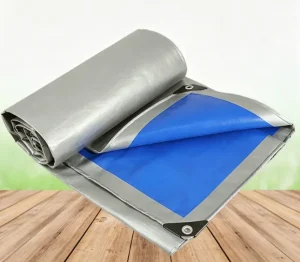
Flame-retardant (BS 7837 / DIN 4102 B1 compliant) scaffolding sheets and heavy green/silver tarps protecting concrete curing setups from thermal shock and sub-zero freeze cycles.
Rapid-deployment humanitarian relief tarpaulins designed to UNHCR and UNICEF specifications—featuring reinforced plastic corners, high tear strength, and compact bale packing.
How leading Chinese tarpaulin suppliers are driving efficiency and environmental compliance.
Transitioning to 100% recyclable mono-material Polyethylene configurations (HDPE tape + LDPE lamination without mixed resins), simplifying post-use mechanical recycling pathways for European B2B clients.
Replacing solvent-based adhesives with multi-head hot-wedge automatic thermal welding lines, guaranteeing 100% leak-proof seam bonds capable of withstanding extreme hydrostatic pressure.
Implementing online optical surface scanners during lamination to detect micro-pinholes, GSM variations, and coating defects in real time prior to roll slitting and fabrication.
A structured checklist for international procurement directors seeking reliable OEM partner factories in China.
When sourcing industrial plastic sheeting and tarpaulins, evaluating initial unit price alone can lead to hidden costs. Freight inefficiency, inconsistent fabric weight, premature UV breakdown, and eyelet tear-out under wind stress can double the Total Cost of Ownership (TCO). Procurement managers should assess supplier capabilities across four core pillars:
Ensure the supplier guarantees finished weight tolerance within ±3% rather than underspecifying base fabrics prior to double-sided film lamination. Request cut-size vs. finished-size declarations regarding folded rope hems.
Verify UV masterbatch percentage (typically 1% to 5% based on climate) and anti-aging additive origin. Ensure REACH and RoHS compliance certificates are verified by third-party labs like SGS or Bureau Veritas.
Specify PP/PE rope reinforcement inside peripheral heat-sealed hems. Verify eyelet pull-out resistance (aluminum, brass, or molded plastic grommets at 50cm or 100cm pitch) with triangular corner patch reinforcement.
Optimize logistics costs via high-pressure hydraulic baling for finished tarpaulins or rigid core rolling for master fabric rolls. Maximize cubic meter utilization to reduce ocean freight costs per unit.
Expert advice from senior polymer engineers and global trade managers.
Explore Extended Range of Industrial Protective Sheeting & Covers