
High-Performance Large Tarpaulins & Engineering Geotextiles
Engineered for global freight corridors, mega-scale agricultural containment, heavy civil projects, and multi-climate surface preservation.
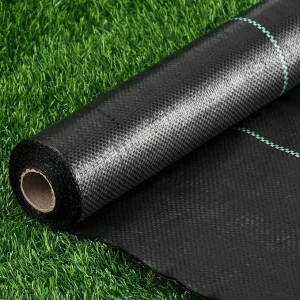
China Weed Barrier Landscape Fabric Heavy Duty, Garden Blocker Fabric Weed Mats, Weed Control Garden Cloth, Woven Geotextile Fabric
Explore Technical Specs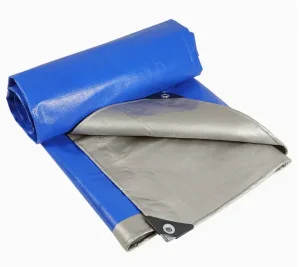
Wholesale Flame Retardant Waterproof PE Tarpaulin Roll-Heavy Duty Outdoor Tent & Vehicle Canopy for Boat Car Truck
Explore Technical Specs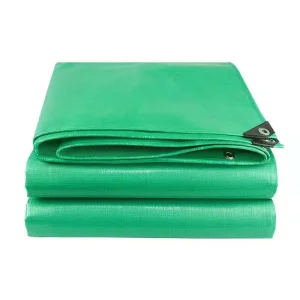
Wholesale Ultimate Protection for Truck and Construction Heavy Duty Tarpaulin - High Durability Industrial Grade
Explore Technical Specs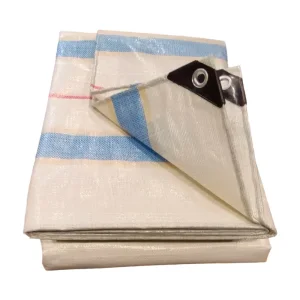
China Heavy Duty Waterproof PE Tarpaulin - UV Resistant Polyethylene Cover Tarp with Reinforced Edges & Rustproof Grommets
Explore Technical Specs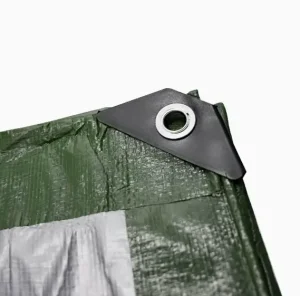
China Heavy Duty Green Silver PE Tarpaulin Waterproof UV Resistant Tarp with Reinforced Metal Eyelets for Truck Storage
Explore Technical Specs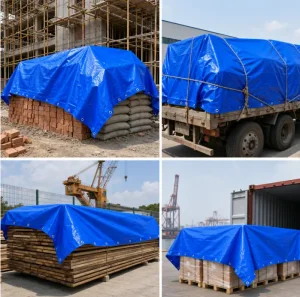
Wholesale Durable PE Tarpaulin Heavy Duty Waterproof UV Resistant Tear Resistant Rain Cover for Warehouse Outdoor
Explore Technical Specs
Wholesale Tarpaulin Shelter Sheet Plastic Tarpaulin PE Material White Color With Custom Logo Tent & Fleet Cover
Explore Technical Specs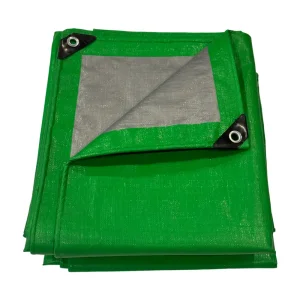
Wholesale Heavy Duty PE Coated Waterproof Polyester Fabric for Outdoor Awning & Structural Canopy Infrastructure
Explore Technical SpecsGlobal Commercial Dynamics of Large Tarpaulin Cover Systems
The transition from consumable protective sheets to engineered, lifespan-rated environmental barriers across global supply chains.
Supply Chain Decarbonization
Global logistics corridors require high-strength polyolefin tarpaulins that reduce gross tare vehicle weight. By substituting standard heavy PVC coverings with high-tenacity, low-denier Polyethylene (PE) laminates, fleet operators slash diesel consumption while fulfilling circular economy mandates through recyclable mono-material polyolefin chemistry.
Severe Climate Resilience
Accelerating weather extremes have driven institutional buyers away from generic 80 GSM disposable tarps toward high-density 180–300 GSM PE and 650–900 GSM knife-coated PVC covers. These technical fabrics incorporate Hindered Amine Light Stabilizers (HALS) and thermal stabilizers capable of enduring solar irradiance exceeding 200 kLy/year in GCC and equatorial zones.
Mega-Scale Bulk Asset Protection
Mining stockpiles, grain silo bunkers, and maritime port quays require uninterrupted continuous protective footprints scaling beyond 5,000 square meters. Chinese vertical extrusion plants deliver ultra-wide master rolls with dual-track hot-air welded seams that guarantee hydro-insulation without mechanical fastener rupture.
Why Direct China Manufacturing Drives Global Tarpaulin Economics
A rigorous examination of integrated tape extrusion, circular weaving clusters, automated thermal lamination, and precision eyeleting.
Complete Vertical Polyolefin Processing
Unlike regional conversion shops that purchase raw grey cloth from external mills, tier-one facilities in Linyi operate unbroken vertical processing pipelines. The production starts from 100% virgin HDPE resin granules, executing tape drawing, water-jet and circular loom weaving, double-sided LDPE extrusion lamination, and automated multi-station grommeting in a single continuous operational sequence.
Micrometric GSM Precision Control
Third-party trading entities regularly introduce broad material variances (typically ±10% to ±15% in mass density). In contrast, vertically integrated Chinese plants maintain gravimetric raw material dosing and real-time beta-gauge sensor monitoring across lamination heads. This limits finished GSM tolerances to ±3%, guaranteeing predictable cut yields and mechanical tensile integrity.
Intermodal Port Clustering & Scaling
Situated within rapid logistics transit to Qingdao, Lianyungang, and Shanghai ports, modern Chinese factories leverage consolidated chemical and textile supply chains. A 40-foot High Cube container (holding 22 to 28 metric tons of custom-finished tarpaulins) moves from order deposit to ocean carrier bill of lading within 15 to 25 days, reducing inventory carry-costs for international wholesalers.
Engineering Verification: The Anti-De-lamination Standard
Advanced Chinese co-extrusion technology applies an intermediate bonding copolymer during LDPE face coating over HDPE scrim. This chemical graft co-polymerization elevates interlayer peeling strength above 45 N/5cm (ISO 2411 standard), eliminating interfacial blister formation during sub-zero thermal cycling or dynamic hydraulic buffering.
Engineering Specifier Matrix: Polyethylene vs. Polypropylene vs. PVC
A comparative whitepaper breakdown designed for industrial procurement directors, specifying structural capabilities across environmental baselines.
| Polymer Composite | Typical GSM Range | Warp / Weft Tensile (N/5cm) | Tear Propagation (N) | UV Service Rating | Thermal Window | Optimal Industrial Application |
|---|---|---|---|---|---|---|
| PE Laminated (HDPE Scrim + LDPE Skins) | 60 – 300 GSM | 650 / 600 – 1800 / 1750 | 120 – 280 N | 1 – 3 Years (with 3% HALS) | -40°C to +80°C | Construction site enclosures, temporary grain bunkers, agricultural storage, disaster relief shelters. |
| PP Woven Coated (Polypropylene Tape) | 90 – 260 GSM | 950 / 900 – 2200 / 2100 | 160 – 340 N | 1 – 2.5 Years (UV Stabilized) | -20°C to +95°C | High-tensile container dry bulk liners, structural landscape underlayment, agricultural harvest sheets. |
| PVC Knife-Coated (Polyester Mesh Core) | 500 – 900 GSM | 2500 / 2300 – 4200 / 4000 | 350 – 650 N | 3 – 8 Years (PVDF / Acrylic Topcoat) | -30°C to +70°C | Curtain-side transport lorries, architectural tensile canopies, heavy-duty marine freight tarps. |
| PE Clear Grid / Reinforced Mesh | 100 – 250 GSM | 550 / 500 – 1200 / 1150 | 90 – 210 N | 2 – 4 Years (High Transmittance) | -35°C to +75°C | Horticultural greenhouse roofs, scaffold safety enclosures, outdoor weather barriers requiring ambient light. |
Hydrostatic Head Resistance
All factory-extruded PE membranes are tested under ISO 811 conditions to resist water penetration exceeding 100 kPa (equivalent to a 10-meter water column). Dual hot-melt LDPE layers seal interstitial micro-voids across the woven scrim, providing absolute liquid impermeability during torrential monsoon exposure.
Flame-Retardant Integration
For internal warehousing, tunnel construction, and marine transport, fabrics are compounded with organophosphorus or halogen-free intumescent masterbatch additives. Conforming to UL94 V-0, DIN 4102-B1, and NFPA 701, the material self-extinguishes within 2 seconds once direct ignition sources are removed.
Corner & Perimeter Hem Architecture
Large tarpaulin failures typically occur at perimeter fastening points. Quality plants integrate continuous polypropylene core ropes embedded within triple-folded heat-sealed hems. In addition, injection-molded polycarbonate corner patches distribute mechanical wind loads, raising eyelet pull-out resistance past 850 Newtons.
High-Scale Industrial Applications & Localization Profiles
Analyzing structural deployments across intermodal transit networks, mega-construction facades, and resource operations worldwide.
Intermodal Fleet & Flatbed Cargo Logistics
Transport covers endure dynamic mechanical stress, highway buffeting, and flying debris. Direct-factory 200–300 GSM PE and 650 GSM PVC covers are deployed across heavy transport corridors in North America, Western Europe, and Australia. Designed with continuous ultrasonic weld lines, anti-abrasive edge linings, and reinforced grommet pitches, they prevent dynamic flutter tearing at highway speeds of 110 km/h.
Civil Engineering & High-Rise Scaffolding
In high-density urban infrastructure, large-format flame-retardant mesh and laminated poly tarps function as protective envelopes. They retain airborne construction dust, provide wind attenuation up to 8 Beaufort, and shelter curing concrete slabs from premature hydration loss during extreme winter drying or excessive summer evaporation cycles.
Agricultural Bulk Silo & Commodity Storage
Grain storage facilities across the Americas, Eastern Europe, and Sub-Saharan Africa utilize bespoke multi-ton seamless tarpaulin membranes. Sized up to 30m × 50m, these panels prevent rainwater intrusion into un-siloed harvested wheat, corn, and fertilizer piles. Their white/black or silver/black co-extruded configuration reflects infrared radiation to preserve optimal internal humidity and prevent spoilage.
Humanitarian Disaster Relief & Emergency Shelter
Operating in strict compliance with UNHCR and IOM procurement standards, Chinese factories produce millions of square meters of high-durability shelter sheets annually. Featuring reinforced eyelet bands, 100% pure virgin PE formulations, and high flex-crack resistance down to -30°C, these tarpaulins supply dependable emergency relief during critical humanitarian crises.
Enterprise Sourcing: Laboratory Testing & Verification Standards
Understanding the empirical inspection protocols that protect purchasing departments from catastrophic field ruptures and premature product degradation.
ISO 1421 / ASTM D751 Strip Tensile Analysis
Tensile performance is verified across sample swatches in warp and weft axes. Certified tarpaulin mills demonstrate minimal elongation-at-break under constant tensile stress. This guarantees that wind load transferred to the membrane under stormy conditions will not induce irreversible plastic distortion or membrane tearing.
Accelerated QUV Photo-Degradation Cycling
Conforming to ASTM G154 cycles, specimen samples are subjected to alternating periods of intense fluorescent UVA/UVB radiation (0.89 W/m²) and condensing moisture at 60°C. High-grade factory formulations maintain over 80% tensile retention after 1,500 hours of continuous exposure, eliminating premature chalking, brittle fracture, and discoloration.
Pre-Shipment Container Auditing
Direct Chinese manufacturing partners conduct documented audits prior to sealing ocean containers. Inspection routines log roll-by-roll gross tare weights, fabric thickness via digital calipers (±0.01mm resolution), seam peel burst pressure, and eyelet shear load resistance. Data logs are transmitted alongside bill of lading packages to simplify client customs clearance.
Emerging Technologies: Circular Polyolefins & Smart Protective Covers
How China's premier tarpaulin factories are leading the development of bio-circular resins, mono-material recyclability, and integrated logistics assets.
100% Recyclable Mono-Material Polyolefins
Traditional PVC tarpaulins present recycling bottlenecks due to plasticizers and heavy chlorine content. The industrial sector is transitioning to multi-layer, 100% polyolefin structures (HDPE base with LDPE coatings). At end-of-life, these products are directly shredded and re-extruded into post-industrial pellets without complex polymer separation.
Photocatalytic Self-Cleaning Top Coatings
Advanced architectural canopy membranes now integrate ultra-thin fluoropolymer (PVDF) or nano-titanium dioxide (TiO&sub2;) lacquers. Activated by ambient solar UV, these topcoats break down organic industrial grease, dirt, and diesel exhaust soot. Rainwater then lifts the loose particulates away, reducing maintenance downtime by up to 75%.
Embedded RFID & IoT Asset Telematics
Leading fleet operators use tarpaulins featuring vulcanized RFID micro-transponders and printed QR identification codes. Scanned at port intermodal terminals, each cover records service history, proof-of-delivery, total environmental flight hours, and scheduled maintenance intervals, transforming protective covers into connected logistics devices.
Frequently Answered Technical & Commercial Questions
Compiled by senior plant engineers to guide purchasing agents, corporate specifiers, and distribution wholesalers.
Heavy-Duty Specialty Tarpaulins, Agricultural Sheets & Fabric Rolls
Custom-engineered tarpaulins built for livestock containment, construction weather barriers, and long-term asset preservation.
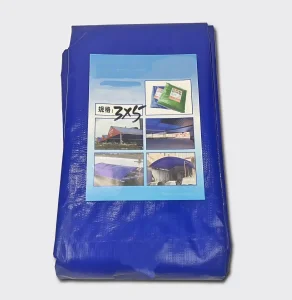
Wholesale PP Woven Tarpaulin: Waterproof, Moisture-Resistant, Tear-Resistant; Covering Fabric for Agriculture & Construction Sites
Explore Technical Specs
China Custom-Made Thickened Double-Green New Material Waterproof Plastic Sunshade Outdoor Sun Protection & Rainproof Tarpaulin
Explore Technical Specs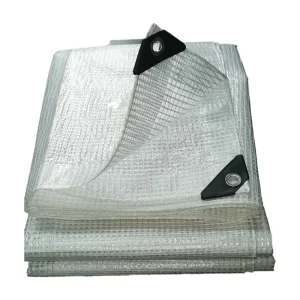
China UV Resistant PE Grid Tarpaulin - Multipurpose High-Tear Shade Mesh Fabric Suppliers & Factories
Explore Technical Specs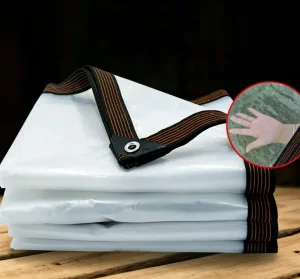
Wholesale Transparent Rainproof Cloth, Waterproof Fabric Plastic Sheeting Balcony Shield Heat Insulation Greenhouse Cover
Explore Technical Specs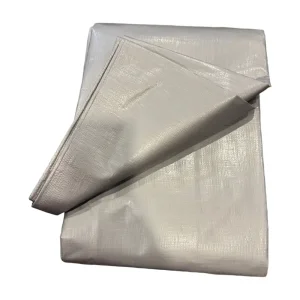
China Hot Sale Factory Brown PE Double Faced Waterproof Windproof Tarpaulin Manufacturer & Wholesale Supplier
Explore Technical Specs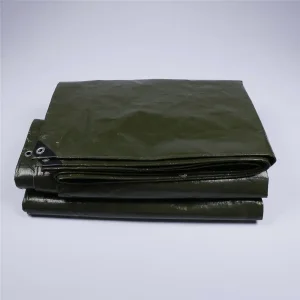
China Tarpaulin Waterproof Heavy Duty Green/Silver Large Tarp Sheet, Ground Camping Sheet Tent for Garden Furniture
Explore Technical Specs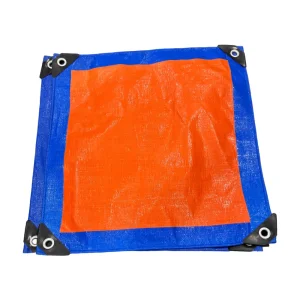
Wholesale 20x30ft Heavy Duty Reinforced PE/PVC Tarp - All-Weather Protective Cover Direct Manufacturer
Explore Technical Specs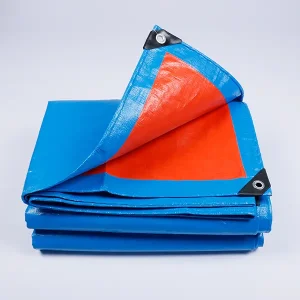
China High Quality PE Tarpaulin for Covering, Industrial Asset Protection and Heavy Outdoor Use
Explore Technical SpecsProcurement & Engineering Consultation Pipeline
Collaborate directly with our technical team to specify GSM ratings, custom dimensions, UV additive levels, and freight logistics plans.
Immediate Direct Communication
Connect with bilingual chemical and textile export sales engineers:
Phone: +86-15610666668
WhatsApp: +86-17861687889
Email: [email protected]
Manufacturing Base & Global Port Access
Factory Location: Wanggou Industrial Park, Lanshan District, Linyi City, Shandong Province, China.
Primary Export Ports: Qingdao, Lianyungang, Shanghai.
Full Container Turnaround: 15 to 25 business days.
Technical RFQ Package Delivery
Submit your target GSM, cut dimensions, perimeter grommet spacing, hem reinforcement specifications, and target destination port to receive an engineering quote, container loading plan, and physical laboratory sample package within 24 business hours.