Engineered for global importers, B2B distributors, and industrial end-users seeking optimal strength-to-weight ratios.
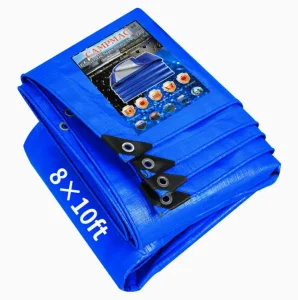
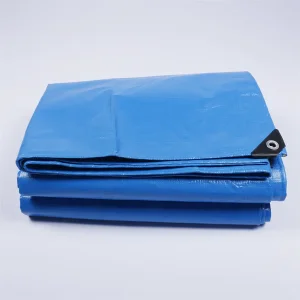
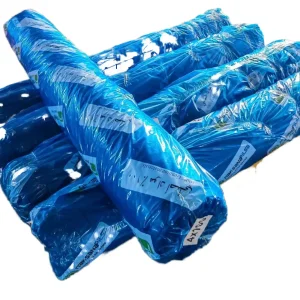
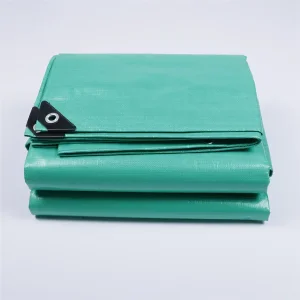
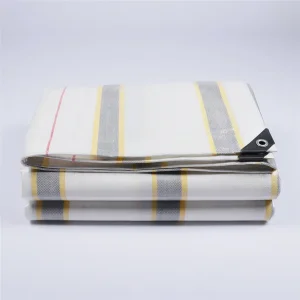
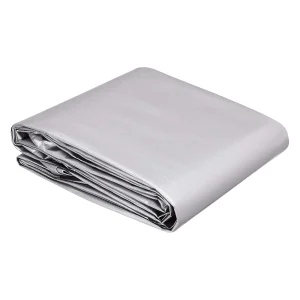
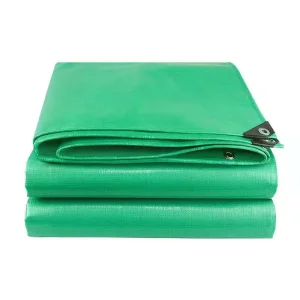
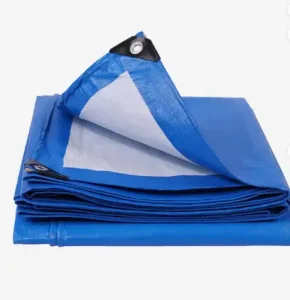
An authoritative guide to material formulation, tear-resistance optimization, and environmental durability in modern polyolefin covers.
In the global protective fabric sector, the demand for lightweight PE (Polyethylene) tarpaulins—typically ranging from 60 GSM to 160 GSM—has experienced exponential growth. Modern industrial buyers, agricultural procurement syndicates, and commercial retail brands require protective covers that balance physical mobility with structural resilience. As a premier China lightweight tarpaulin manufacturer and supplier, Linyi Xinshengyang Plastic Products Co., Ltd. (operating globally as Star Tarpaulins since 2006) leverages advanced polymer processing to redefine the performance boundaries of woven poly tarps.
The structural strength of a lightweight tarpaulin is derived directly from its multi-layer cross-lamination profile. Unlike traditional single-layer PVC sheets which carry heavy deadweight, a engineered poly tarp utilizes a high-density polyethylene (HDPE) inner mesh coated on both sides with low-density polyethylene (LDPE) films.
By orienting virgin HDPE resin tapes during high-speed extrusion, we achieve tensile strength exceeding 700 N/5cm in light-duty structural weights. The double-sided LDPE lamination acts as an absolute moisture barrier while encapsulating UV-inhibiting additives (HALS) into the microscopic polymer chain.
Procurement directors must weigh cost, mechanical strength, weatherability, and transport logistics when choosing structural materials. Below is an engineering overview comparing lightweight PE tarpaulins against heavier industrial alternatives:
| Technical Metric | Lightweight PE Tarpaulin | PP (Polypropylene) Tarpaulin | Heavy PVC Coated Fabric |
|---|---|---|---|
| Grammage Range (GSM) | 60 - 160 GSM | 70 - 200 GSM | 450 - 900 GSM |
| Tensile Strength Ratio | Exceptionally High per Gram | High (Stiffer feel) | Ultra-High (Heavy duty) |
| Flex Crack Resistance | Superior at Low Temp (-40°C) | Moderate (Prone to cold fracture) | High (Requires plasticizers) |
| Recyclability & Eco Profile | 100% Recyclable (Mono-material) | 100% Recyclable | Complex (Requires separation) |
| Freight/Logistics Efficiency | Maximum (Low weight/cube) | High | Low (Heavy container weight) |
Capitalizing on the world's largest plastic weaving industrial ecosystem, vertical raw material access, and automated finishing lines.
Situated in Shandong Province—China's manufacturing heartland for polyolefins—our facility accesses localized upstream resin refiners, masterbatch specialists, and specialized machinery builders. This geographic density drastically reduces internal raw material freight costs.
From initial tape drawing and circular loom weaving to wide-width double-sided extrusion lamination, automated edge rope-hemming, ultrasonic welding, and grommet insertion—our 30,000 m² plant maintains 100% control over product parameters.
Automation at scale enables us to eliminate manual conversion waste. High-speed multi-cam circular looms produce up to 20,000 metric tons annually, delivering unit costs that allow international distributors to maximize retail margins.
Ensuring seamless import approval and field safety across North America, the European Union, the Middle East, and Asia-Pacific.
Our raw materials and color masterbatches are rigorously screened to comply with EU REACH SVHC (Substances of Very High Concern) standards and RoHS directives. Polyethylene sheets are free from heavy metals, lead, cadmium, and toxic plasticizers (Phthalates).
For high-solar radiation regions such as the Middle East, Australia, and Arizona, we integrate custom dosages (1.5% - 5.0%) of Hindered Amine Light Stabilizers (HALS). Lab testing under ASTM G154 UV chamber conditions confirms retention of over 80% tensile strength after 2,000 continuous hours.
Using AATCC 127 hydrostatic pressure apparatus, our lamination integrity is systematically verified to withstand over 15,000 mm H₂O pressure, ensuring complete waterproof protection during torrential tropical downpours.
From agricultural protection to disaster emergency response, explore how custom weight and finish options solve industry challenges.
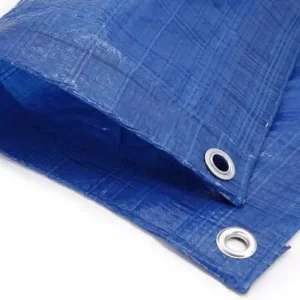
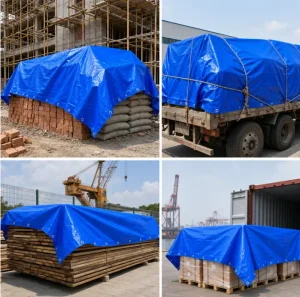
Lightweight 90–120 GSM blue/orange or transparent tarpaulins serve as scaffolding windbreaks, concrete curing blankets, and temporary roof repair sheets. Their light weight facilitates rapid installation by site crews at high elevations.
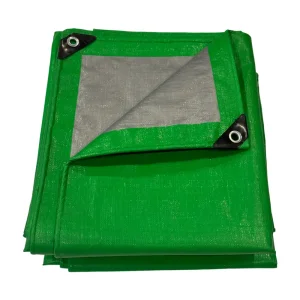
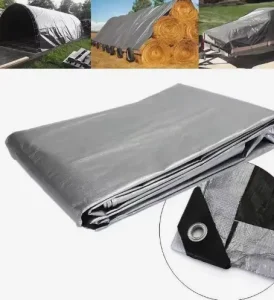
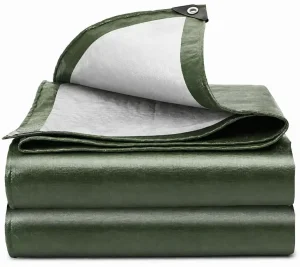
Green/silver and silver/black dual-tone tarpaulins reflect thermal radiation, preventing heat buildup under hay covers, grain storage mounds, and greenhouse shade screens while protecting valuable harvests against mold and rain damage.
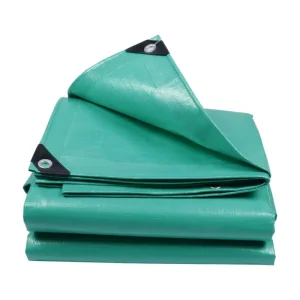
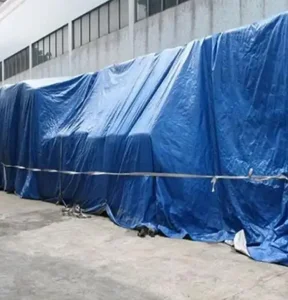
Tailored tarpaulin rolls and readymade covers protect flatbed cargoes, shipping pallets, and kiln-dried lumber. Anti-tear poly edges reinforced with PP hem ropes prevent flapping damage during highway transit.
Working with global NGOs and relief agencies, we supply standard emergency shelter tarpaulins featuring pre-inserted eyelets, high tear resistance, and compact folding profiles suited for air-drop disaster response kits.
Discover how sustainable polyolefin chemistry and smart manufacturing are transforming global tarpaulin markets.
Unlike PVC tarpaulins bonded to polyester mesh (which require chemical stripping prior to recycling), PE-to-PE lamination represents a single polyolefin stream. Used tarpaulins can be directly shredded, re-pelletized, and remanufactured into industrial goods, minimizing landfill taxes for end-users.
By integrating micro-reflective titanium dioxide (TiO₂) and aluminum metalized additives into the top LDPE lamination film, next-gen tarps reduce surface absorption temperatures by up to 12°C compared to conventional dark-colored plastics.
Direct technical insights to simplify vendor auditing, specification drafting, and international shipping logistics.
Selecting the correct fabric weight depends on exposure duration, mechanical stress, and target application:
For custom manufactured specifications (tailored GSM, color combinations, logo printing, and sheet dimensions), our standard MOQ starts at 3 metric tons per specification or one mixed 20ft container load. Production lead times typically range between 15 to 25 calendar days following pre-production sample approval and receipt of deposit.
Yes. As a dedicated OEM/ODM factory, we provide complete private-label manufacturing. Finished tarpaulin sheets can be individually folded, packed in clear polybags with full-color printed brand insert cards, and packed into outer master cartons or display crates. Eyelets (aluminum, brass, or heavy-duty plastic corners) can be spaced at custom intervals (e.g., every 50 cm, 100 cm, or 3 feet) according to your specification.
Every raw material batch undergoes strict laboratory verification prior to extrusion. We test tensile strength and tear propagation via electronic universal tensile machines, verify coating thickness with ultrasonic digital gauges, and perform hydrostatic head pressure testing. Batch samples are retained for quality tracking for up to 24 months after shipment.
We routinely ship under FOB Qingdao / Lianyungang, CFR, and CIF incoterms to over 40 countries. Our logistics team handles full export documentation including Certificate of Origin (Form A, Form E, CO), packing lists, commercial invoices, and bill of lading releases.
Browse our complete lineup of specialized tarpaulin rolls, woven covers, and outdoor protection fabrics.
Request direct factory quotes, technical datasheets, or physical sample swatches. Our export engineering team responds within 12 business hours.