Engineered poly tarps, translucent daylighting covers, and reinforced heavy-duty rolls manufactured at our 30,000 m² Linyi production facility.
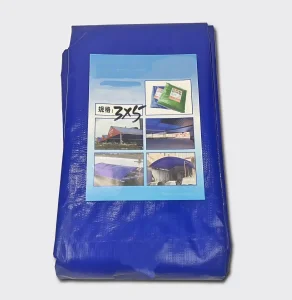
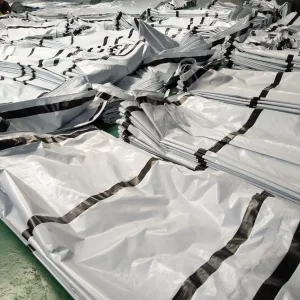
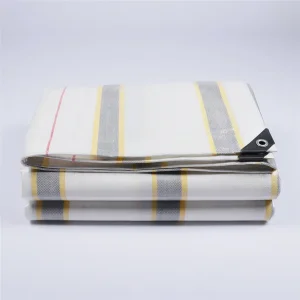
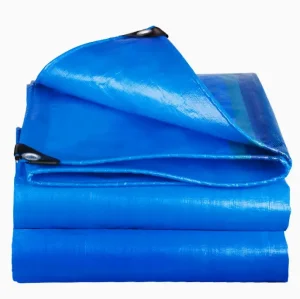
Understanding the shift from traditional opaque tarpaulins to optical-grade, light-diffusing poly structures across global industrial, civil engineering, and modern agricultural sectors.
As global decarbonization mandates intensify, temporary construction enclosures, Rubb hall logistics centers, and agricultural greenhouses are replacing opaque dark tarpaulins with light-transmitting translucent membranes. By permitting up to 70–85% natural daylight transmission while filtering solar thermal radiation, modern industrial operators cut daytime artificial lighting energy demand by over 45% in temporary structures.
In commercial horticulture, poultry farming, and livestock husbandry, direct blinding sunlight creates thermal stress and localized heat traps. Advanced translucent tarpaulins utilize engineered light diffusion technology, scattering incoming parallel solar rays into diffuse omnidirectional light. This maximizes Photosynthetically Active Radiation (PAR, 400–700nm) penetration while eliminating crop scorch and severe shadows inside protective shelters.
Safety regulations across European and North American metropolitan construction zones require ambient daylight compliance inside scaffold wraps and containment buildings. Translucent poly tarps ensure heavy-duty waterproofing (tensile strength > 1400 N/5cm) without forcing site workers to rely exclusively on temporary electrical cabling, significantly mitigating site slip/trip hazards and electrical fire risks.
Delivering high information gain: A detailed engineering breakdown of how Linyi Xinshengyang Plastic Products Co., Ltd. controls optical haze, UV photodegradation, and tear propagation in translucent sheeting.
The baseline structural integrity of a premium translucent tarpaulin depends on polymer purity. Cheap tarps incorporate heavy calcium carbonate (CaCO₃) fillers and unrefined recycled plastic, resulting in chalky opacity, brittle tear behavior, and rapid yellowing under sunlight. Our engineering team utilizes 100% Virgin High-Density Polyethylene (HDPE) as the structural core tape (warp and weft), combined with Linear Low-Density Polyethylene (LLDPE) for elasticity during circular weaving.
To maintain long-term optical transparency without polymer backbone chain scission, Hindered Amine Light Stabilizers (HALS, such as UV-327 and Chimassorb 944) are compounded at a 3.5% to 5.0% weight ratio into the extrusion masterbatch. This yields photo-oxidative resistance rated up to 300–500 kLy (Kilo-Langleys), tailored specifically for intense UV environments like the Middle East, Australia, and Sub-Saharan Africa.
True industrial transparency requires balancing light throughput with weatherproofing. Through our continuous dual-extrusion lamination process, a molten layer of Low-Density Polyethylene (LDPE) modified with inorganic light-scattering agents is heat-bonded to both surfaces of the woven HDPE substrate at 280°C.
This technique produces a micro-prismatic surface topology. When direct solar beams strike the tarpaulin, the internal refractors convert collimated rays into uniform, non-glare diffused illumination. The result is a total luminous transmittance (TLT) of 75% to 82% measured under ASTM D1003 standards, with a haze factor optimized above 88% to protect sensitive materials under the cover.
| Performance Spec / Parameter | Translucent Poly Sheeting (150-250 GSM) | Clear Flexible PVC (500-700 GSM) | Standard Blue/Silver Opaque PE |
|---|---|---|---|
| Light Transmittance (PAR 400-700nm) | 70% – 82% (Diffused Light) | 85% – 92% (Direct Specular Light) | 0% – 2% (Fully Opaque) |
| Tensile Strength (Warp/Weft) | 1250 N / 1450 N per 5 cm | 1800 N / 1600 N per 5 cm | 950 N / 1100 N per 5 cm |
| Cold-Crack Resistance Threshold | -40°C (-40°F) Integrity Maintained | -15°C to -20°C (Requires Plasticizers) | -30°C Integrity Maintained |
| Thermal Heat Gain Control | High (Diffuses IR Thermal Spikes) | Low (Greenhouse Heat Trap Effect) | Moderate (Absorbs Surface Heat) |
| Weight Ratio & Handling | Ultralight (120–280 g/m²) | Heavy Duty (550–900 g/m²) | Standard Light (80–200 g/m²) |
How specialized translucent tarpaulins perform under real-world climate pressures across infrastructure, agricultural, mining, and disaster response operations.
North American Infrastructure: In winter bridge and highway construction, translucent concrete curing tarpaulins capture solar thermal energy during daylight hours while trapping sub-surface hydrative moisture. This speeds up 28-day concrete compressive strength development by 18% without extra heating equipment.
European Agricultural Belts: Soft fruit growers and hay distributors utilize 180 GSM UV-stabilized translucent woven covers to prevent rain rot while allowing ambient sunlight to reach crops. Eliminates crop scorching caused by transparent film lens effects.
Australian & South American Mines: Heavy-duty translucent Rubb hall covers provide flame-retardant (FR B1) daylighting shelter for mining equipment maintenance. Reduces operational generator power needed for daytime workplace illumination.
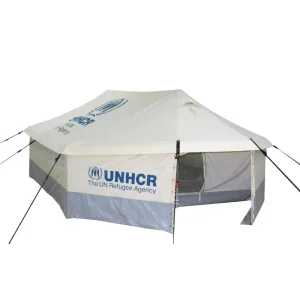
UN & NGO Procurement: Natural daylight shelters are critical for refugee health and psychological well-being. High-tensile translucent PE tarps supply watertight security, easy heat sealing, and natural daylight for temporary medical posts.
A primary point of failure in low-grade tarpaulins is layer delamination—where the outer clear coating separates from the inner woven mesh after exposure to rain and UV light. Linyi Xinshengyang uses advanced corona surface treatment prior to extrusion coating. This alters surface energy, forming covalent chemical bonds between the HDPE fabric and LDPE laminate layer. Our translucent tarpaulins withstand over 100 kPa hydrostatic water pressure and pass 1,000 hours of continuous QUV accelerated weathering tests without edge peeling or micro-cracking.
Our products undergo third-party laboratory verification (SGS, BV, Intertek) to ensure full compliance with international engineering specifications.
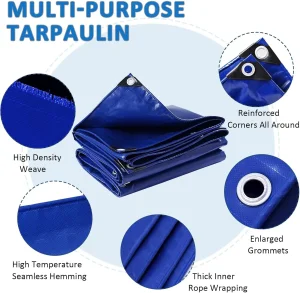
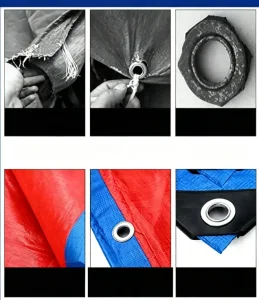
Every production batch is tested for tensile strength (ASTM D751 strip test), trapezoidal tear resistance (ASTM D4533), and eyelet pull-out resistance (> 800 N capacity). Edge hems are ultrasonically welded or heat-sealed with embedded poly ropes to eliminate wind-load tear outbreaks.
For indoor construction, industrial curtains, and public venue enclosures, we apply non-halogenated flame retardant additives. Our fire-retardant translucent tarps comply with European Standard EN 13501-1 (Class B-s1, d0) and US NFPA 701, self-extinguishing within 2 seconds after ignition removal.
Our 100% virgin polymer blends contain zero toxic plasticizers, heavy metals (Lead, Cadmium, Hexavalent Chromium), or banned Phthalates. Fully compliant with EU REACH SVHC guidelines for safe use in agricultural food-contact scenarios and organic farm covers.
Expert answers directly from our polymer engineers and international export managers to help you configure your sourcing specifications.
Browse additional specialized poly tarpaulins, container covers, and insulated concrete curing sheets engineered for global distribution.
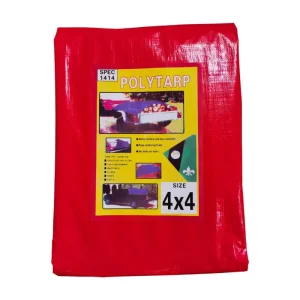
Partner directly with Linyi Xinshengyang Plastic Products Co., Ltd. Our engineering sales team will review your target climate, required GSM, light transmittance requirements, and container loading schedules to deliver a detailed quote within 24 hours.