Explore our core production portfolio engineered for severe outdoor environments, high tensile durability, and multi-year climate protection.
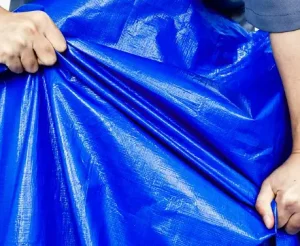
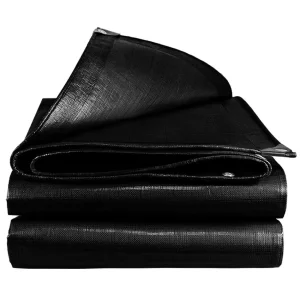
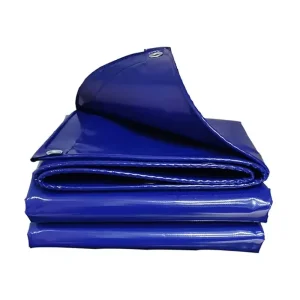
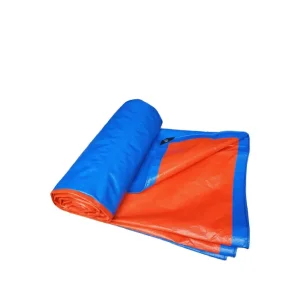
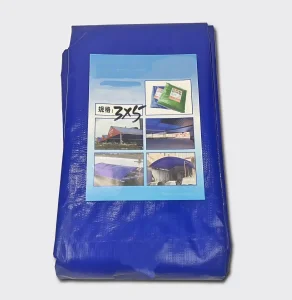
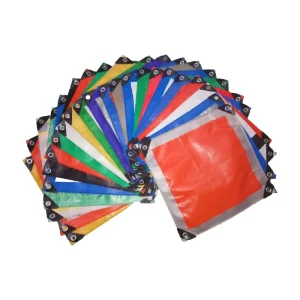
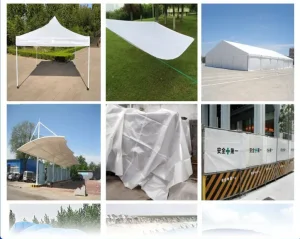
In the current global industrial ecosystem, environmental containment and protective textile solutions have shifted from basic commodities to engineered polymer systems. The demand for a certified China Weather Resistant Tarp Manufacturer has intensified exponentially across North America, Europe, the Middle East, and South America. Industrial sectors no longer evaluate tarpaulins merely by weight or color; modern procurement protocols mandate strict adherence to tensile strength parameters, hydrostatic head water column resistance, UV degradation resistance (measured via accelerated QUV testing), and low-temperature flexibility coefficients.
As supply chains experience violent shifts due to extreme global climate anomalies—ranging from sub-zero Arctic vortexes to hyper-arid 50°C+ desert environments—the engineering standards of polyethylene (PE), polypropylene (PP), and polyvinyl chloride (PVC) technical textiles must evolve. High-performance weather resistant tarps serve as critical infrastructure components in logistics, agriculture, civil construction, marine shipping, and disaster relief management.
Unlike standard light-duty utility tarps that break down within 90 days of direct sunlight exposure, high-performance weather-resistant tarps utilize multi-layer co-extrusion technology. By sandwiching a high-density polyethylene (HDPE) woven inner scrim between dual layers of low-density polyethylene (LDPE) infused with Hindered Amine Light Stabilizers (HALS), manufacturers achieve superior tear propagation resistance and absolute impermeability to moisture and volatile compounds.
Selecting the optimal weather resistant tarpaulin requires a technical understanding of core polymer matrix behavior under structural load and climatic stress. The table below provides a comprehensive comparison engineered for procurement managers, structural engineers, and industrial distributors.
| Material Specification | Polyethylene (PE) Tarp | Polypropylene (PP) Tarp | PVC Coated Polyester Tarp | TPU Heavy-Duty Membrane |
|---|---|---|---|---|
| Weight Range (GSM) | 60 g/m² – 300 g/m² | 70 g/m² – 280 g/m² | 400 g/m² – 900 g/m² | 350 g/m² – 1200 g/m² |
| Tensile Strength (Warp/Weft) | 800 N / 1200 N per 5cm | 900 N / 1300 N per 5cm | 2200 N / 2600 N per 5cm | 3500 N / 4000 N per 5cm |
| UV Lifespan (Direct Sun) | 1 to 3 Years (UV Treated) | 1 to 2 Years | 5 to 10 Years | 7 to 12 Years |
| Flexural Fatigue Temp | -40°C to +80°C | -10°C to +90°C | -30°C to +70°C | -50°C to +90°C |
| Chemical / Oil Resistance | Moderate (Acids/Bases) | High Chemical Stability | High Resistance (Oils/Fuels) | Exceptional (Hydrocarbons) |
| Recyclability Code | Code 4 (LDPE/HDPE) | Code 5 (PP) | Code 3 (PVC - Complex) | Code 7 (Eco-Friendly Options) |
Solar ultraviolet radiation (specifically UV-A and UV-B spectrums between 290nm and 400nm) breaks down plastic polymer chains through photo-oxidation. When un-stabilized polyolefins are exposed to outdoor environments, free radicals are generated within the polymer matrix, leading to embrittlement, color fading, micro-cracking, and loss of tensile strength within months.
To counteract this phenomenon, premier China manufacturing plants integrate dual-action stabilization systems during the ribbon extrusion phase:
Industrial weatherproofing requirements vary vastly depending on geography, operational fatigue, and structural demands. A robust China Weather Resistant Tarp Manufacturer must deliver tailormade material specifications engineered for specific global vertical markets.
Intermodal haulage across North America and Europe requires high-tenacity, wind-tear resistant truck tarps. Triple-coated PE and knife-coated PVC materials with reinforced rope hems prevent catastrophic flapping tears at 100 km/h highway speeds, protecting moisture-sensitive cargo.
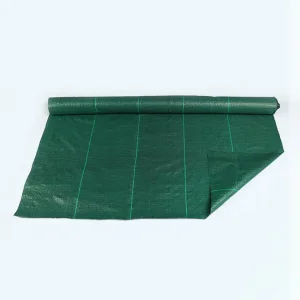
In South America, Australia, and Sub-Saharan Africa, large-scale agricultural covers must withstand high UV radiation and extreme thermal cycling. Applications include grain storage covers, silage stack protection, hay bale wrapping, and weed control ground barriers.
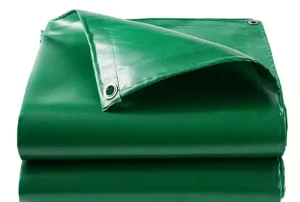
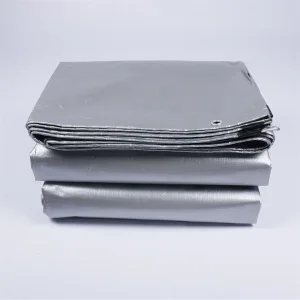
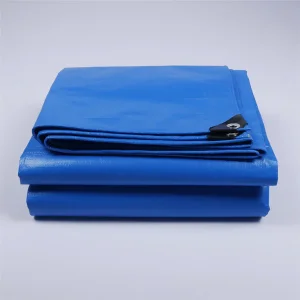
Modern urban job sites demand flame-retardant (FR) scaffolding nets, concrete curing blankets, and temporary roof repair sheets. Dual-color (Blue/Silver or Green/Silver) reflective tarps reduce thermal absorption underneath temporary structures during summer construction.
The industrial technical textile sector is entering a era driven by sustainability imperatives, automation, and advanced polymer chemistry. Leading manufacturers in China are investing heavily in next-generation manufacturing methodologies to meet evolving global regulations.
With the European Union's stringent packaging and plastic waste directives, the market demand for tarpaulins incorporating 30% to 100% Post-Consumer Recycled (PCR) polyolefin content is surging. Chemical recycling processes now allow PCR-HDPE to maintain up to 92% of virgin polymer tensile strength, dramatically lowering the carbon footprint of industrial covers.
Global regulatory bans on Per- and Polyfluoroalkyl Substances (PFAS) have forced a revolution in surface treatment technology. Next-generation weather resistant tarps utilize bio-based fluorine-free silicones and polyurethane-modified nano-emulsions to deliver zero-water-penetration performance without environmental bioaccumulation risks.
Commercial logistics and bulk grain storage are adopting intelligent tarpaulins. Low-cost flexible printed electronics and RFID sensor tags embedded directly into the double-lamination layer monitor real-time humidity, internal temperature spikes, structural seam strain, and unauthorized canopy breaching.
Traditional hot-air seam welding is being upgraded to multi-head ultrasonic continuous bonding, producing seamless liquid-tight joint structures. Additionally, small-scale infusion of graphene nanoplatelets into HDPE tapes increases abrasion resistance by up to 300% without adding bulk weight.
Demonstrating true industrial E-E-A-T (Experience, Expertise, Authoritativeness, and Trustworthiness) requires complete operational control over the manufacturing value chain. Located in Shandong Province—China's primary industrial plastics and synthetic fiber hub—our modern manufacturing facility operates high-capacity extrusion lines, water-jet weaving looms, and multi-station high-frequency coating units.
Raw virgin resin granules are mixed with precision masterbatches before being drawn into high-tenacity flat tapes. Precision circular looms weave micro-dense base fabrics ranging from 8x8 to 14x14 mesh densities.
Extruded molten LDPE is laminated onto both sides of the woven substrate simultaneously under high pressure, forming a monolithic water barrier that will not delaminate under intense mechanical shear.
Sheets are cut to millimeter accuracy, heat-sealed along hems with PP reinforcing ropes, equipped with heavy-duty aluminum or brass eyelets at 50cm/100cm intervals, and fitted with plastic corner guards.
Every production lot undergoes mandatory quality checks prior to container loading: Tensile Testing (ASTM D5034), Hydrostatic Head Water Column Testing (AATCC 127), Tear Strength (ASTM D2261), and Accelerated Weathering Chamber cycles. Inspection certificates (SGS, BV, TUV) are provided with complete shipping documentation.
Detailed technical answers to common procurement, engineering, and OEM customization questions for international buyers and distributors.
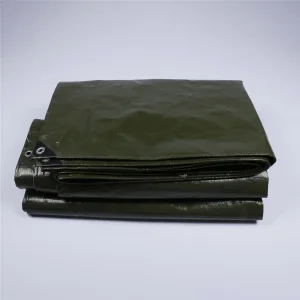
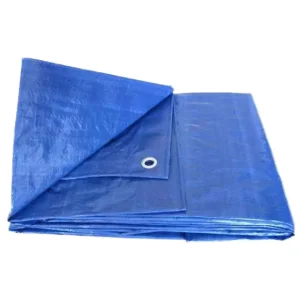
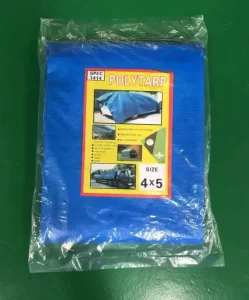
Browse our additional commercial-grade specifications tailored for agricultural ground cover, heavy transport, structural roofing, and specialized industrial containment.
Looking for custom GSM specifications, certified UV protection, factory-direct wholesale pricing, and guaranteed production lead times? Contact our engineering and export team today for technical consultations, container load calculations, and free sample swatches.