
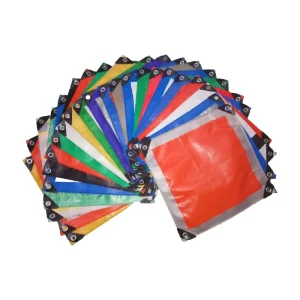
Engineered for extreme tensile resilience, absolute hydrostatic blockage, and structural UV mitigation across agricultural, transport, and civil infrastructure domains.
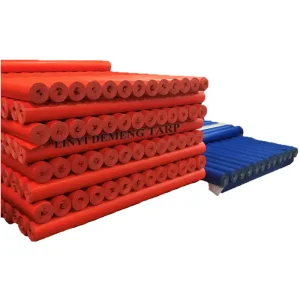
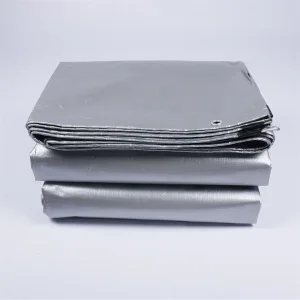
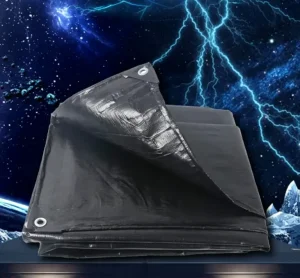
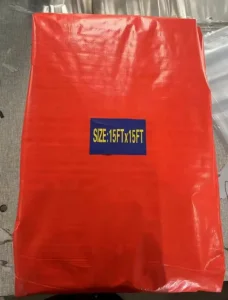
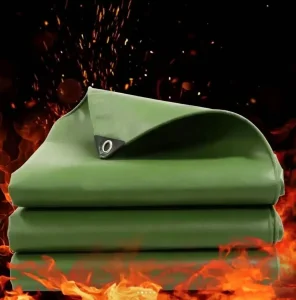
Analyzing the paradigm shift in modern industrial containment: How B2B procurement leaders optimize operational payload, carbon metrics, and atmospheric degradation resistance through advanced polymer science.
In contemporary industrial terminology, wholesale lightweight manufacturers and factories represent the pinnacle of high-tensile polymer engineering. Moving away from heavy, unyielding legacy canvas and thick elastomer-coated rubberized panels, modern industrial operations demand polyolefin-based materials—primarily High-Density Polyethylene (HDPE), Polypropylene (PP), and ultra-thin laminated Polyvinyl Chloride (PVC)—that offer structural integrity at a fraction of the mass. The core challenge in enterprise procurement is securing materials that reduce transport fuel consumption, labor fatigue, and storage volume without compromising tear propagation resistance, hydrostatic head performance, or photo-oxidative (UV) lifespan.
Macroeconomic factors driving global adoption of lightweight high-strength polymers across logistics, agriculture, civil construction, and humanitarian relief.
Global transport accounts for a major share of supply chain overhead. Replacing traditional 650 GSM canvas truck covers with 180–220 GSM high-tenacity PE woven tarpaulins yields direct weight savings of up to 400 kg per commercial haulage vehicle. Over a 100,000-mile operational lifecycle, this mass reduction translates to substantial fuel savings and reduced Scope 1 emissions.
Extreme weather events require rapidly deployable structural protective barriers. Agricultural crop covers, flood prevention dams, and temporary disaster shelter membranes require extreme tear strength combined with ultra-light handling dynamics, allowing field teams to manually deploy thousands of square meters of protective barrier without heavy equipment.
Leading international markets increasingly penalize non-recyclable composite laminates. Polyolefin monomaterial solutions—such as 100% Polyethylene structures (HDPE slit yarn woven core + LDPE double-side coating)—allow total mechanical recycling without secondary polymer separation, meeting strict ESG targets and EU waste directives.
Inside the factory: The end-to-end chemical process, extrusion parameters, and mechanical weave physics that guarantee low weight alongside industrial strength.
Our direct manufacturing process begins with virgin raw polyolefin pellets (virgin HDPE / LLDPE resin). By maintaining zero-outsourcing control over tape orientation, weaving density, chemical UV stabilization, and heat-seal finishing, structural integrity is engineered directly into every square meter.
Virgin virgin polyolefin chips are blended with Hindered Amine Light Stabilizers (HALS 622/944 at 3–5% loading) and extruded into high-draw molecularly oriented micro-tapes. Strict control over draw ratio (typically 5.5:1 to 6.2:1) maximizes tensile strength along the molecular axis, resulting in yarn deniers from 500D to 1500D with minimal linear density.
State-of-the-art water-jet and circular looms weave the oriented tape into a robust structural core matrix. Warp and weft mesh densities range from 7×7 to 14×14 threads per square inch. This interlocked weave structure distributes point loads across adjacent threads, offering superior puncture resistance and stopping tear propagation under heavy wind shear.
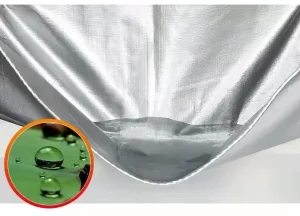
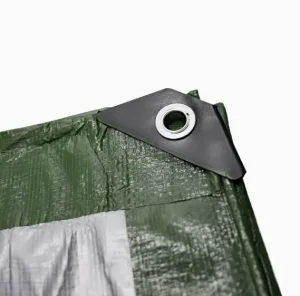
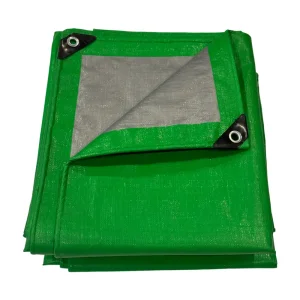
The woven base fabric passes through dual-sided molten LDPE extrusion coating lines. Applied at precise temperatures (280°C–310°C), the molten polyethylene penetrates the weave voids to form a monolithic, 100% waterproof pinhole-free barrier layer. Masterbatch pigmentation (Double Black, Double Silver, Green/Silver) is integrated during coating for maximum opacity, solar reflection, or blackout performance.
Empirical laboratory test benchmarks across core polymer formulations manufactured within our facility.
| Polymer Base & Spec | Grammage Range (GSM) | Tensile Strength (Warp/Weft) | Hydrostatic Head | UV Lifespan Expectancy | Primary Industrial Use Case |
|---|---|---|---|---|---|
| Standard PE Woven (Laminated) | 60 – 120 GSM | 650 N / 600 N (ISO 13934-1) | > 15 kPa (Waterproof) | 12 – 24 Months (3% HALS) | General hardware retail, lightweight agricultural tarps, DIY covers |
| Heavy-Duty Reinforced PE Tarp | 140 – 300 GSM | 1200 N / 1100 N (ISO 13934-1) | > 35 kPa (Heavy Duty) | 36 – 60 Months (5% HALS) | Long-term grain storage, construction scaffolding, emergency roof repair |
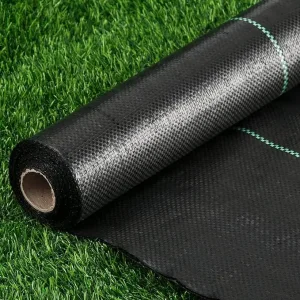
| PP High-Tensile Geotextile/Tarp | 90 – 250 GSM | 1500 N / 1400 N (High Stiffness) | > 20 kPa | 24 – 36 Months | Weed barrier landscape fabric, high-load soil stabilization underlayment |
| Lightweight Coated PVC Composite | 400 – 650 GSM | 2200 N / 2000 N (Extreme Duty) | > 80 kPa (Complete Sealing) | 60 – 120 Months (UV/FR Rated) | Long-haul truck curtains, permanent event structures, industrial layflat hose |
Field-proven engineering implementations tailored to distinct geographic microclimates and operational demands.
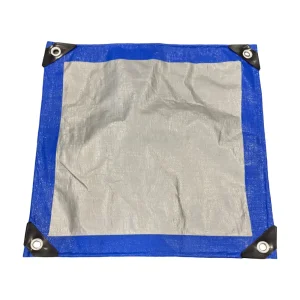
In high-ultraviolet regions such as the Middle East, North Africa, and Australia, agricultural producers deploy our double-sided silver/black and green shade tarpaulins. The reflective silver layer blocks solar infrared radiation, reducing under-tarp thermal build-up by up to 8°C. This micro-climate regulation protects harvested grain stacks, silages, and delicate horticulture crops from heat stress, desiccation, and solar scalding.
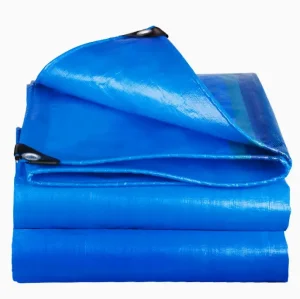
Modern construction sites require strict environmental containment. High-visibility blue/orange construction tarps serve as scaffolding enclosures, debris containment screens, and temporary weather envelopes. Their light weight enables rapid installation at height by small rigging crews, while tear-stop hem reinforcement prevents severe wind shear from tearing the material off structural scaffolding frames.
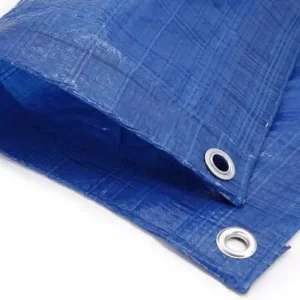
Cross-border logistics operators require lightweight covers engineered with perimeter hem ropes, triangular reinforced corner patches, and high-pullout-force rustproof aluminum or brass grommets spaced at 50 cm intervals. Designed to fit standard trailer dimensions, these tarpaulins allow single-operator tie-downs while ensuring payload protection against highway rain, gravel impact, and diesel exhaust staining.
Architecting the next generation of smart, bio-based, and flame-retardant lightweight polymer systems.
Integrating Post-Consumer Recycled (PCR) resin and bio-based polyethylene derived from renewable sugarcane feedstocks. Our R&D lab target aims for 50%+ PCR content in inner woven structural matrices without sacrificing virgin-grade tensile performance or flex-crack resistance.
Meeting international building safety standards (such as EN 13501-1 Class B-s1, d0 and NFPA 701) requires non-toxic flame retardant formulations. Our advanced polymer extrusion masterbatches eliminate harmful halogenated compounds while preventing flame propagation and dripping in indoor or scaffolding environments.
Developing lightweight protective tarpaulins embedded with low-power conductive threads and thin-film passive RFID/NFC sensors. These smart covers transmit real-time data on under-tarp moisture, temperature spikes, and structural tension directly to farm or warehouse management systems.
Technical guidance and factory procurement insights for wholesale buyers, distributors, and OEM engineering partners.
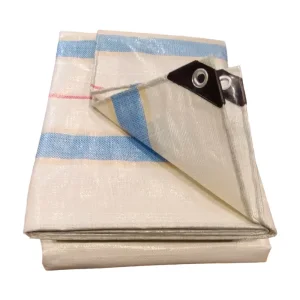
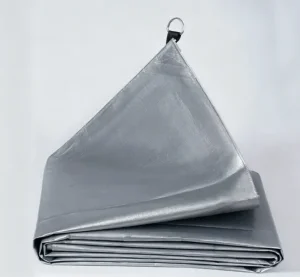
Explore our wide range of heavy-duty, UV-stabilized, and multi-purpose polyolefin tarpaulins manufactured for demanding global applications.
Connect directly with our engineering and export desk for detailed product datasheets, custom grammage sampling, tensile test certifications, and container shipping calculations.