Explore high-performance waterproof, UV-stabilized, and industrial-grade tarpaulin solutions supplied directly from primary manufacturing facilities.
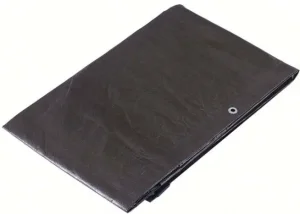
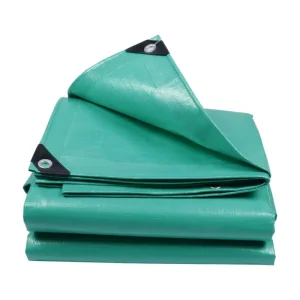
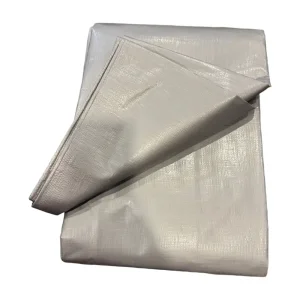
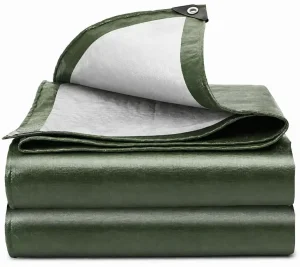
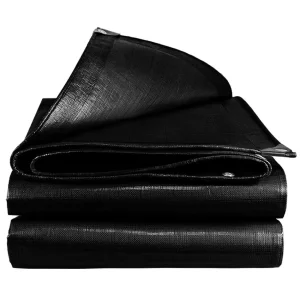
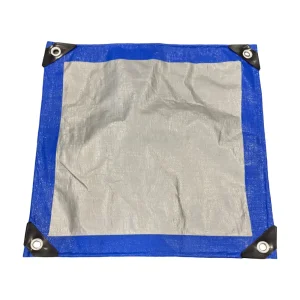
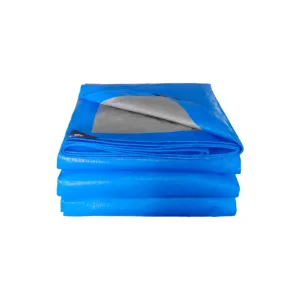
In contemporary global logistics, industrial construction, precision agriculture, and emergency disaster relief, woven plastic tarpaulins (polyethylene and polyvinyl chloride based) represent an indispensable line of protective defense. The global market for commercial protective coverings has transitioned from simple temporary containment fabrics into highly engineered, multi-layered polymer matrices designed to withstand extreme thermal fluctuations, intense solar ultraviolet (UV) exposure, severe mechanical abrasion, and chemical environmental stressors.
International B2B procurement managers, enterprise purchasing agents, and regional wholesale distributors face an evolving market landscape. Securing factory-direct partnerships requires a deep technical understanding of structural polymer formulation, extrusion mechanics, weight-to-tensile ratios (GSM), and total cost of ownership (TCO) optimization. This report establishes an exhaustive blueprint for global organizations evaluating factory capacities, technical specifications, and supply chain resilience.
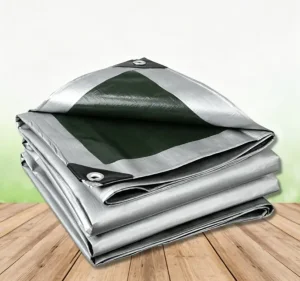
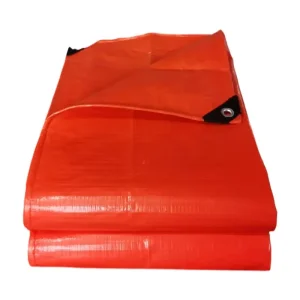
Constructed via High-Density Polyethylene (HDPE) internal fabric weaving with Low-Density Polyethylene (LDPE) double-sided film lamination. Ideal for lightweight, highly flexible, multi-purpose protective containment.
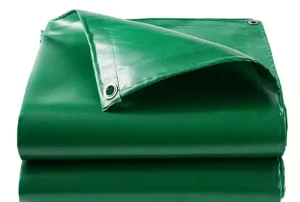
Utilizing high-tenacity polyester filament scrims coated with plasticized Polyvinyl Chloride via liquid knife coating or hot lamination. Engineered for extreme tear resistance, flame retardancy (DIN 4102 B1), and 10+ year operational lifespans.
Advanced integration of Hindered Amine Light Stabilizers (HALS), anti-oxidants, anti-static agents, and carbon black formulations ensuring chemical resistance and zero degradation under high sunlight environments.
When specifying plastic tarpaulin tarps at factory scale, volume buyers must look beyond nominal mass metrics. True structural performance relies on a precise convergence of raw virgin resin selection, yarn denier, weave density (tapi/mesh count), and coating film weight.
| Performance Metric | Standard Commercial PE Tarp | Industrial Heavy-Duty PE Tarp | Architectural / Freight PVC Tarp |
|---|---|---|---|
| Base Polymer | 100% Virgin/Recycled HDPE Mesh + LDPE | 100% Pure Virgin HDPE + Dual LDPE Coating | High-Tenacity Polyester (PES) Scrim + PVC |
| Weight Range (GSM) | 60 g/m² – 110 g/m² | 120 g/m² – 300 g/m² | 450 g/m² – 900+ g/m² |
| Weave Mesh Density | 8×8 to 10×10 mesh/inch² | 12×12 to 14×14 mesh/inch² | 1000D×1000D / 18×18 to 30×30 |
| Tensile Strength (Warp/Weft) | ~450 / 400 N/5cm | ~1000 / 950 N/5cm | ~2500 / 2300 N/5cm |
| Tear Resistance (Elmendorf) | 60 N | 140 N | 350+ N |
| UV Weathering Index | 1% UV Masterbatch (6–12 mos) | 3%–5% HALS Dosage (2–5 years) | Built-in UV & Acrylic Lacquer (5–10 years) |
| Thermal Resilience | -20°C to +70°C | -40°C to +80°C | -30°C to +70°C (Flame Retardant) |
Information Gain Insight: Low-cost suppliers frequently reduce production costs by introducing up to 40% post-consumer recycled (PCR) calcium carbonate fillers into the HDPE tape extrusion line. While maintaining initial nominal weight (GSM), this dramatically degrades polymer chain elongation, accelerating UV embrittlement and causing premature delamination. Tier-1 China factories utilize 100% virgin resin pellets with melt flow index (MFI) values strictly certified under ISO 1133 standards.
The landscape of wholesale plastic tarpaulin manufacturing in China has undergone a systemic technological transformation. China’s major plastic weaving industrial clusters—centered around high-capacity manufacturing zones in Shandong, Zhejiang, and Jiangsu—have integrated Industry 4.0 automation, vertical supply integration, and lean manufacturing principles.
Modern Chinese factories operate continuous high-speed flat-yarn extruders paired with computer-controlled circular and water-jet looms. Real-time laser scanning monitors yarn tension, width consistency, and denier uniformity. Automated warp-stop sensors eliminate structural weave gaps, ensuring zero pinholes prior to double-sided film lamination.
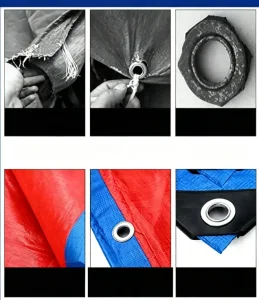
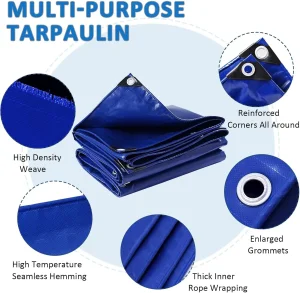
Secondary conversion workshops feature multi-head high-frequency thermal welding lines and automated robotic punching stations. Reinforcing ropes are embedded seamlessly within heat-sealed outer hems, while heavy-duty polycarbonate or extruded aluminum eyelets are inserted at precise pitch intervals (50cm to 100cm) with automated pull-out strength testing.
Direct raw material pipeline partnerships with global petrochemical giants (Sinopec, PetroChina, Sabic) ensure consistent resin grade access and raw material price stability even during global volatile cycles.
Strategic placement near major deep-water seaports (Qingdao, Ningbo, Shanghai) permits rapid container drop-offs, optimized ocean freight consolidation, and expedited custom clearance cycles.
End-to-end Enterprise Resource Planning (ERP) tracking assigns digital batch IDs from raw resin lot numbers down to finished, palletized cartons for total QA accountability.
Woven plastic tarpaulin products are engineered to solve diverse operational challenges across multiple environmental and commercial sectors. Below is a detailed technical analysis of worldwide field deployments.
On high-rise residential and infrastructure sites across North America and Europe, high-visibility flame-retardant PE tarpaulins (150–250 GSM) serve as scaffolding enclosures, debris netting backings, and temporary roof covers. In concrete curing applications, specialized 100% virgin poly thermal insulation blankets retain moisture and hydration heat during freezing winter pours, accelerating structural curing schedules while preventing thermal cracking.
Commercial fleet operators require rugged cargo covers capable of withstanding dynamic wind forces at highway speeds (up to 120 km/h). Dual-sided green/black or silver/green coated poly tarps (200–300 GSM) and heavy-duty 650 GSM PVC trailer side-curtains protect flatbed haulage, agricultural bulk loads, and intermodal shipping containers against driving rain, road-salt corrosion, and gravel impact.
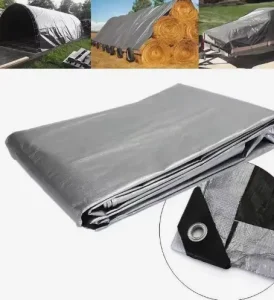
In large-scale farming throughout Australia, South America, and the US Midwest, multi-acre grain stockpiles and hay bales require high-level UV protection. Heavy-duty black/silver dual-extruded tarpaulins block 100% of photosynthetically active radiation (PAR), drastically reducing internal condensation, preventing fungal/mold growth, and preserving feed nutrient content across multi-month field exposure.
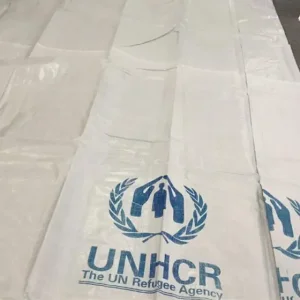
Global relief organizations (UNHCR, Red Cross) maintain strict technical guidelines for emergency shelter tarpaulins. Factory specifications require reinforced bands, hot-melt welded seams, high tear strength, and chemical neutrality to support immediate human shelter needs in post-disaster zones affected by extreme heat or heavy rainfall.
Navigating wholesale supplier negotiations requires a comprehensive audit framework. B2B buyers should request verified laboratory test certificates and perform precise quality checks prior to approving full container load (FCL) shipments.
Ensure compliance under ISO 811 or AATCC 127 standards. Quality waterproof tarpaulins must maintain zero water droplet penetration under hydro-pressures exceeding 10,000 mm H₂O, particularly across thermal welded center seams.
Verify UV degradation resistance using ASTM G155 testing. Premium tarps maintain over 80% of original tensile and tear strength after 2,000 hours of continuous high-irradiance exposure.
Test corner patch gussets and eyelet attachment points via ISO 13934-1 tensile testing. Aluminum and plastic grommets should withstand pull forces >750 N without tearing surrounding fabric.
Discover additional specialized tarpaulin specifications engineered for agriculture, heavy construction, and multi-purpose industrial protection.
Addressing core technical, financial, and logistical procurement inquiries for enterprise sourcing managers.
Connect directly with expert polymer engineers and international sales specialists to request custom price quotations, technical data sheets (TDS), and pre-production material samples.